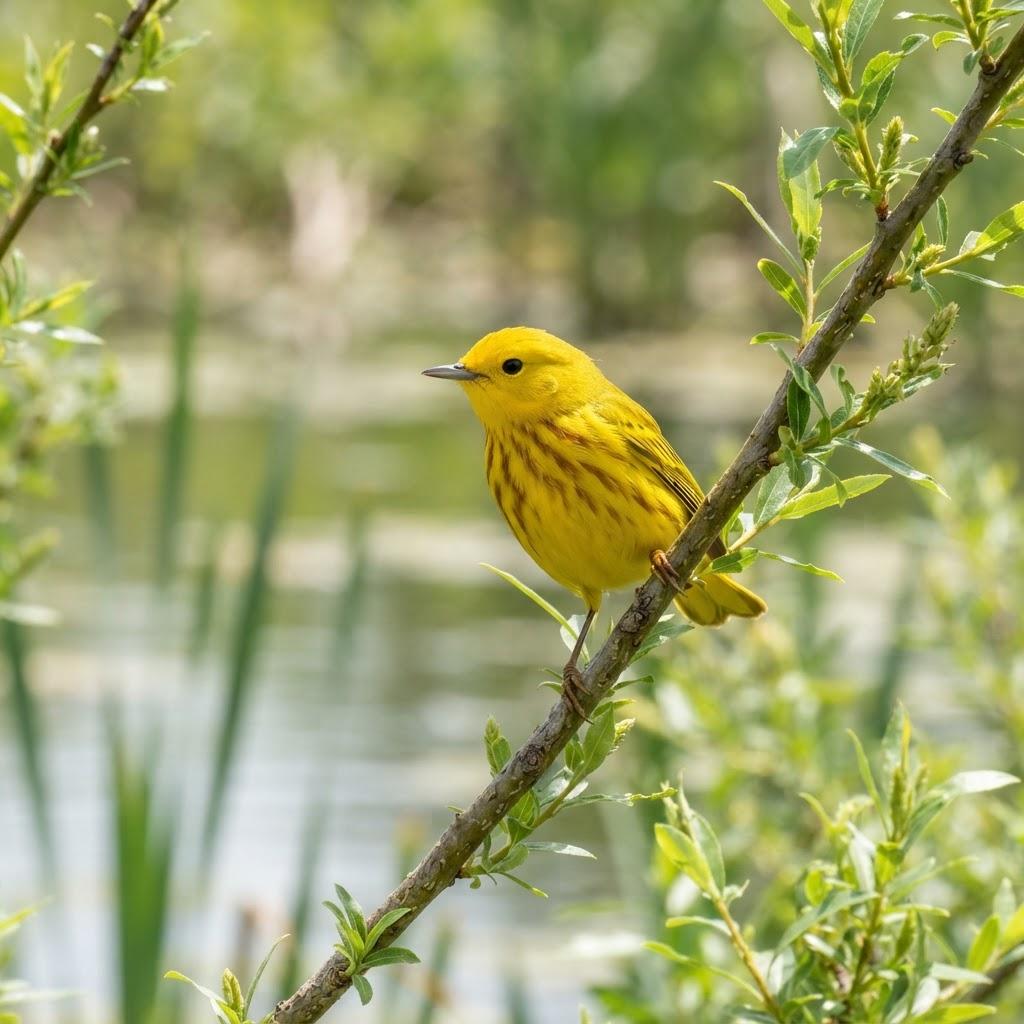
Setophaga petechia
Yellow Warbler
Meet the sunshine-yellow dynamo of the bird world! This chirpy charmer is as common as a summer day, but don't let its cheerful demeanor fool you – it's a master of disguise and a surprisingly picky eater. Get ready to fall in love with this tiny, vibrant wonder that brings a splash of pure joy wherever it flits.
Meet the Bird
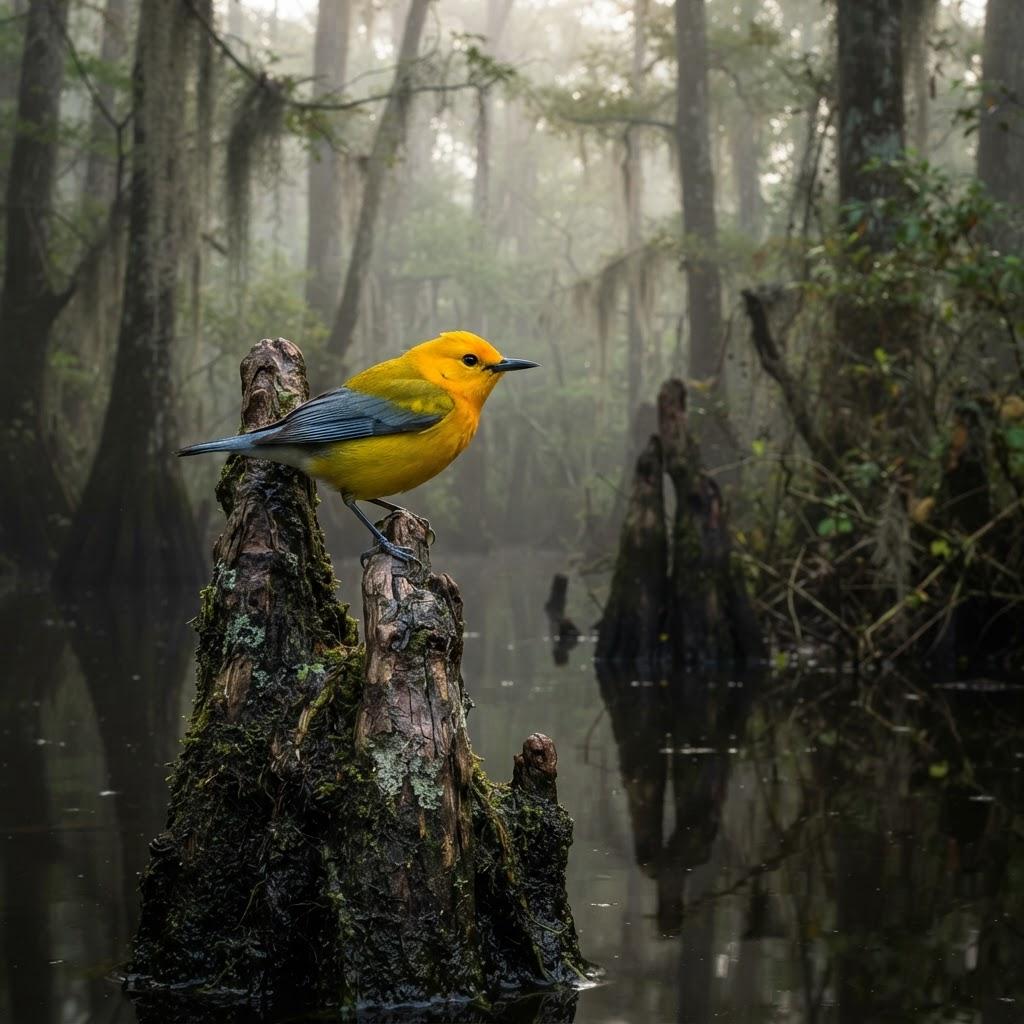
Imagine a tiny, feathered ray of sunshine decided to go on a world tour, and everywhere it landed, it decided to throw a party. That, my friends, is the Yellow Warbler. This bird is basically the living embodiment of a good mood, a bright yellow explosion against a backdrop of green leaves. It’s the kind of bird that makes you squint and think, “Is that a buttercup with wings?” But this isn't just any yellow bird; it's a pint-sized dynamo with a personality as vibrant as its plumage. Often found flitting about in willows and alders along water sources, it's like nature’s tiny ambassador of cheerfulness. Its vibe? Pure, unadulterated zest for life. It zips, it bobs, it sings its heart out – it's the avian equivalent of a spontaneous happy dance. You’ll often see it darting in and out of dense foliage, making you wonder if it’s playing a game of hide-and-seek with the entire forest. With its cheerful yellow color and energetic demeanor, the Yellow Warbler doesn’t just show up; it makes an entrance, a tiny, feathered exclamation point in the symphony of the wild.
Superpowers & Weird Abilities
The Yellow Warbler might look like a simple splash of color, but it's packed with biological superpowers that would make any comic book hero jealous. For starters, its seemingly constant motion isn't just for show; it’s a sophisticated survival strategy. This rapid darting and weaving through dense vegetation isn't just an energetic quirk; it’s an advanced camouflage technique. By constantly changing its position and breaking up its outline, it becomes incredibly difficult for predators, like sharp-eyed hawks or sneaky cats, to lock onto it. Think of it like a tiny, feathered ninja performing a dazzling array of evasive maneuvers. Another mind-boggling ability, shared by many songbirds, is its incredible auditory range. They can distinguish between hundreds of subtle song variations, which is crucial for recognizing mates, defending territory, and warning others about specific dangers. Their hearing is so finely tuned, they can detect the faintest rustle of an insect in a leaf from dozens of feet away – a superpower that translates directly into a full belly. And let's not forget their internal compass; like many migratory birds, they possess a form of magnetoreception, allowing them to navigate vast distances using the Earth's magnetic field, a feat of biological GPS that modern humans still struggle to replicate effectively. This allows them to undertake epic journeys with astonishing accuracy, a silent, feathered world traveler guided by invisible forces.
Drama, Personality & Feathered Chaos
While the Yellow Warbler is generally a delightful presence, don't mistake its cheerful disposition for a lack of personality. These birds are not entirely immune to the dramatic flair that seems to be a hallmark of many avian lives. While they might not engage in the complex mobbing tactics of crows or the outright thievery of jays, they have their own brand of feathered drama. One of the most significant dramas they face, and unfortunately, sometimes fall victim to, involves the Brown-headed Cowbird. These parasitic birds are the ultimate freeloaders of the avian world. Instead of building their own nests and raising their young, they sneakily lay their eggs in the nests of other birds, including our unsuspecting Yellow Warblers. The warbler mom, oblivious to the deception, will then unwittingly incubate and feed the cowbird chick. The cowbird chick often hatches earlier and is larger, outcompeting the warbler’s own offspring for food and space, sometimes leading to the tragic demise of the warbler’s biological chicks. It’s a high-stakes drama playing out in the nest, with the Yellow Warbler often finding itself on the losing end of a biological con game. Beyond this, territorial disputes can get a little heated, with males engaging in aerial chases and vocal scuffles to defend their patch of shrubbery, a miniature, high-speed soap opera unfolding in the branches.
Bizarre Rituals & Quirky Habits
Birds are weird. Like, *really* weird. And the Yellow Warbler is no exception to the rule. While they might not be the most flamboyant performers in the avian circus, they have their share of peculiar habits. One common, and frankly odd, behavior observed in many warblers, including the Yellow Warbler, is something called 'anting.' This isn't as gross as it sounds (mostly). Birds will deliberately pick up live ants and rub them on their feathers, especially their wings and tails. The ants, in their defense, release formic acid, which is a mild insecticide and fungicide. Scientists aren't entirely sure why they do it, but the leading theories suggest it helps them control parasites, perhaps soothe itchy skin, or even condition their feathers. Imagine a bird taking a spa day with an ant exfoliation treatment – bizarre, right? Another quirky habit is their diet. While they primarily munch on insects, they aren't above a little sweet indulgence. During certain times of the year, they might dabble in nectar or even small berries. If those berries happen to be slightly fermented… well, let's just say some smaller birds can get a bit tipsy, leading to some clumsy flight patterns and generally goofy behavior. The Yellow Warbler isn't necessarily known for getting pickled, but the possibility of a slightly woozy warbler making an appearance after a bender of fermented fruit adds a certain chaotic charm to their otherwise orderly lives.
Legends, Folklore & Human Stories
While the Yellow Warbler might not star in ancient myths like eagles or owls, its ubiquity and cheerful disposition have woven it into the fabric of human experience in more subtle, everyday ways. Its bright yellow plumage has often been associated with sunshine, happiness, and good fortune in various folk traditions. In some cultures, seeing a Yellow Warbler is considered a positive omen, a sign that good luck is on its way, or that the coming season will be bountiful and bright, much like the bird itself. Think of it as nature’s tiny, feathered harbinger of good vibes. Unlike birds with more dramatic roles, like the honeyguide that famously leads humans to beehives, the Yellow Warbler's relationship with humans is more one of quiet companionship. It’s the bird you see in your garden on a sunny afternoon, a familiar and comforting presence that has graced backyards and park edges for as long as people have been looking. Its migratory nature also ties it into human narratives of travel and return. As the seasons change, its appearance and disappearance mirror our own cycles of activity and rest. Its return in spring is a signal that winter is truly over, a biological alarm clock that brings relief and joy. While there aren't epic sagas of Yellow Warblers battling mythical beasts, their enduring presence and association with light and happiness make them quiet, beloved characters in the personal folklore of countless observers, a small, golden thread in the tapestry of human connection with nature.
Mating: The Ridiculous World of Avian Dating
Forget Tinder and awkward speed dating; bird mating rituals are where the real drama and absurdity happen, and the Yellow Warbler is no exception to this feathered frenzy. For these little guys, finding a mate is a high-stakes performance art that would make any reality TV producer weep with joy. The male Yellow Warbler kicks off the courtship with an all-out serenade. His song isn't just a pleasant melody; it’s a complex, often rapid-fire series of chirps and trills designed to impress the discerning female. It’s his way of saying, “Hey, look at me! I’m healthy, I’ve got good genes, and I can sing like a tiny, feathered opera star!” He’ll also engage in elaborate displays, puffing up his chest, flicking his wings, and performing little hops and darts, all while belting out his tune. It’s a full-body performance, a combination of vocal prowess and physical charisma. The female, meanwhile, is the ultimate judge, the Simon Cowell of the shrubbery. She's listening intently, observing his energy, his song complexity, and his territorial defense. If his performance is subpar, his song lacks pizzazz, or he seems a bit too meek, she might just turn her beak up and fly away, leaving him to practice his routine until he gets it right. It’s a brutal, yet effective, evolutionary system that ensures only the most vigorous and capable males get to pass on their genes. The sheer energy and commitment these males put into their song and dance routines, often for weeks on end, is both hilarious and admirable – a true testament to the lengths one will go for love, or at least, for procreation.
Nesting: Master Architects and Lazy Slumlords
When it comes to building a home, birds really run the gamut from Oscar-winning architects to folks who just kinda throw some stuff together. The Yellow Warbler, thankfully, falls firmly into the category of 'master architect.' These aren't your backyard pigeons haphazardly arranging a few twigs that look like they might blow away in a strong breeze. No, the Yellow Warbler crafts a truly elegant dwelling. The nest is typically a neat, cup-shaped structure, intricately woven from fine plant fibers, grasses, and sometimes even animal hair. What makes their construction particularly impressive is the use of spider silk. This sticky, elastic material acts as a natural glue, holding the nest together and allowing it to stretch slightly as the chicks grow. They often camouflage their masterpiece with bits of lichen and moss, making it blend seamlessly into its surroundings. This level of detail and craftsmanship is essential, not just for aesthetics, but for survival. A well-built nest provides crucial protection from the elements and potential predators. It’s a cozy, secure nursery designed to cradle precious eggs and vulnerable chicks. While some birds might scoff at the effort, relying on flimsy nests or, worse, laying their eggs in other birds' homes (looking at you, cowbirds!), the Yellow Warbler dedicates serious time and skill to creating a safe haven. It's a testament to their commitment to their offspring, a tiny, woven marvel of natural engineering that proves sometimes, it really is worth putting in the effort.
Raising Babies: The Screaming Food Disposals
Once the eggs hatch, the serene life of a Yellow Warbler parent transforms into a 24/7 high-speed delivery service, fueled by pure exhaustion and a deafening chorus of demands. Imagine running a restaurant where your customers are tiny, featherless, and have an insatiable appetite, their only mode of communication being a relentless, ear-splitting scream. That's bird parenting for this species. The female typically incubates the eggs for about 11-13 days, and once those tiny beaks break free, the real work begins. The chicks are altricial, meaning they are born helpless, blind, and completely dependent on their parents for everything. And 'everything' mostly translates to 'food.' These little guys are essentially tiny, gaping mouths with an astonishing capacity. In the short time it takes for them to grow and develop, they will consume an amount of food that would seem utterly impossible for their size – often many times their own body weight daily. The parents, often working solo or with a somewhat distracted partner, will tirelessly forage for insects and spiders, flying back and forth to the nest every few minutes. The chicks, in response to the parent’s arrival, erupt in a cacophony of chirps and peeps, a desperate plea that sounds more like a tiny industrial alarm than a hungry cry. This frantic feeding frenzy continues for about 9-11 days until the chicks are ready to fledge, or leave the nest. Even then, they remain dependent on their parents for a little while longer, continuing their vocal demands until they can finally forage for themselves. It’s a whirlwind of activity, a testament to parental dedication in the face of unrelenting demand.
Bird-Watching Travel & Local Hotspots
If your heart is set on seeing this cheerful splash of yellow in its natural habitat, you’re in luck because the Yellow Warbler is one of North America's most widespread breeding warblers. Your best bet for spotting them is during the spring and summer months across their breeding range, which extends throughout much of the United States and Canada. They have a particular fondness for riparian areas – think streams, rivers, and lakes – especially where there’s a dense understory of willows, alders, and cottonwoods. These lush, moist environments are prime real estate for Yellow Warblers, offering both abundant insect food and perfect nesting sites. Venture to national parks like Yellowstone or the Great Smoky Mountains, especially along their watercourses, and you’re likely to hear their cheerful song before you see them. The National Wildlife Refuges scattered across the country are also fantastic places; look for refuges with extensive wetland or riverine habitats. For a truly concentrated experience, head to the Pacific Northwest, particularly Oregon and Washington, during migration and breeding season, where they are abundant. Even if you're not near a major park, simply driving along country roads and scanning areas with streamside vegetation can yield sightings. Coastal areas with salt marshes and mangrove thickets can also host populations, particularly in Florida and along the Gulf Coast, where they may even be year-round residents. The key is to seek out water and the lush, green growth that follows.
Food, Feeder Hacks & DIY Projects
Attracting a Yellow Warbler to your yard is less about elaborate buffet setups and more about creating a natural insect haven. Their primary diet consists of small insects and spiders, which they deftly pluck from leaves and branches. So, the best 'feeder' hack is to create an environment that supports these tiny invertebrates. Plant native shrubs like willows, alders, and dogwoods, especially near water sources if possible. These plants provide not only excellent habitat but also a smorgasbord of insects. While Yellow Warblers aren't typically feeder birds in the traditional sense, like finches or jays, they might occasionally visit feeders for suet, especially if it's high-quality and doesn't contain a lot of filler. A simple suet cage filled with a good suet mix (look for one with nuts and insects, not just corn and milo, which are cheap fillers that attract pests) can sometimes entice them. For a fun DIY project that caters to their insectivorous nature, consider creating a 'bug hotel' from hollow reeds, old logs, or bundles of sticks. This provides shelter for beneficial insects, which in turn attracts insectivorous birds. You could also try a very simple, shallow water feeder, like a bird bath with a gentle bubbler or dripper, as they love to drink and bathe in shallow, moving water. Avoid feeders filled with cheap seed mixes that primarily attract pigeons, House Sparrows, and squirrels, as this can be overwhelming for smaller, more specialized birds like warblers. Focus on native plants and natural insect sources, and you’ll be well on your way to hosting these sunny visitors.
Seasonal Guides & "Crisis" Management
The Yellow Warbler’s year is a tale of two worlds: bustling breeding grounds and warmer wintering havens. As spring rolls around, usually starting in late April or May depending on your latitude, it’s time to prep. This is when they return from their wintering grounds, and your feeders should be stocked, especially with suet, to give them a much-needed energy boost after their long journey. Your yard's insect population will begin to reawaken, so putting away those pesticides is a crucial step. Summer is their time to shine, build nests, and raise young. Keep bird baths clean and full; water is essential for drinking and bathing, especially during hot weather. As fall approaches, around September and October, they’ll begin their southward migration. They often pass through quietly, so keep an eye out and enjoy the fleeting sightings. Winter is when they're south of the border, so backyard efforts focus on year-round residents. Now, about that 'fledgling panic' you might experience in late spring or early summer: finding a fluffy, hopping baby bird on the ground. For Yellow Warblers, like many songbirds, this is normal! Fledglings leave the nest before they can fly well. They are often covered in downy fluff and look utterly helpless. The absolute best thing you can do – and this is critical – is to leave them alone. The parents are almost certainly nearby, watching and waiting for you to leave so they can continue feeding and caring for their vulnerable offspring. Only intervene if the bird is in immediate danger (like on a busy road) or visibly injured. In those rare cases, gently place it in a nearby bush or shrub and watch from a distance. Resist the urge to 'rescue' a perfectly healthy fledgling; your intervention is usually far more dangerous than any perceived threat.
Backyard Tech & Gadget Reviews
In the age of smart homes and AI, even bird-watching is getting a tech upgrade. For the Yellow Warbler enthusiast, a few gadgets can enhance your experience. First up, the smart feeder phenomenon. Devices like the 'Bird Buddy' promise to identify visiting birds and send photos to your phone. While they can be fun for identifying common visitors and catching unexpected moments, manage expectations. Their AI isn't perfect, and identifying subtle warbler variations might be a challenge. They are also an investment, so consider if the novelty is worth the price tag, especially since Yellow Warblers aren't regular feeder visitors. A more practical tech investment is a good quality pair of binoculars. A 10x42 or 8x42 pair offers a great balance of magnification and field of view, perfect for spotting warblers in dense foliage without breaking the bank. For window collisions, a common backyard tragedy, consider window film or decals. Many are designed to be unobtrusive to humans but highly visible to birds. Look for patterns that break up reflections, such as spaced-out dots or subtle stripes. Avoid anything that looks like a single large sticker; birds are often fooled by reflections. Finally, for the truly dedicated, a motion-activated trail camera set up near a bird bath or a known warbler hangout spot can capture incredible, often unseen, moments. Imagine catching footage of a Yellow Warbler taking a bath at dawn or a nocturnal visitor you never knew you had! It's a low-cost way to peek into the secret lives of your feathered neighbors, offering a unique perspective beyond the daylight hours.
How to Spot One & How It Is Doing
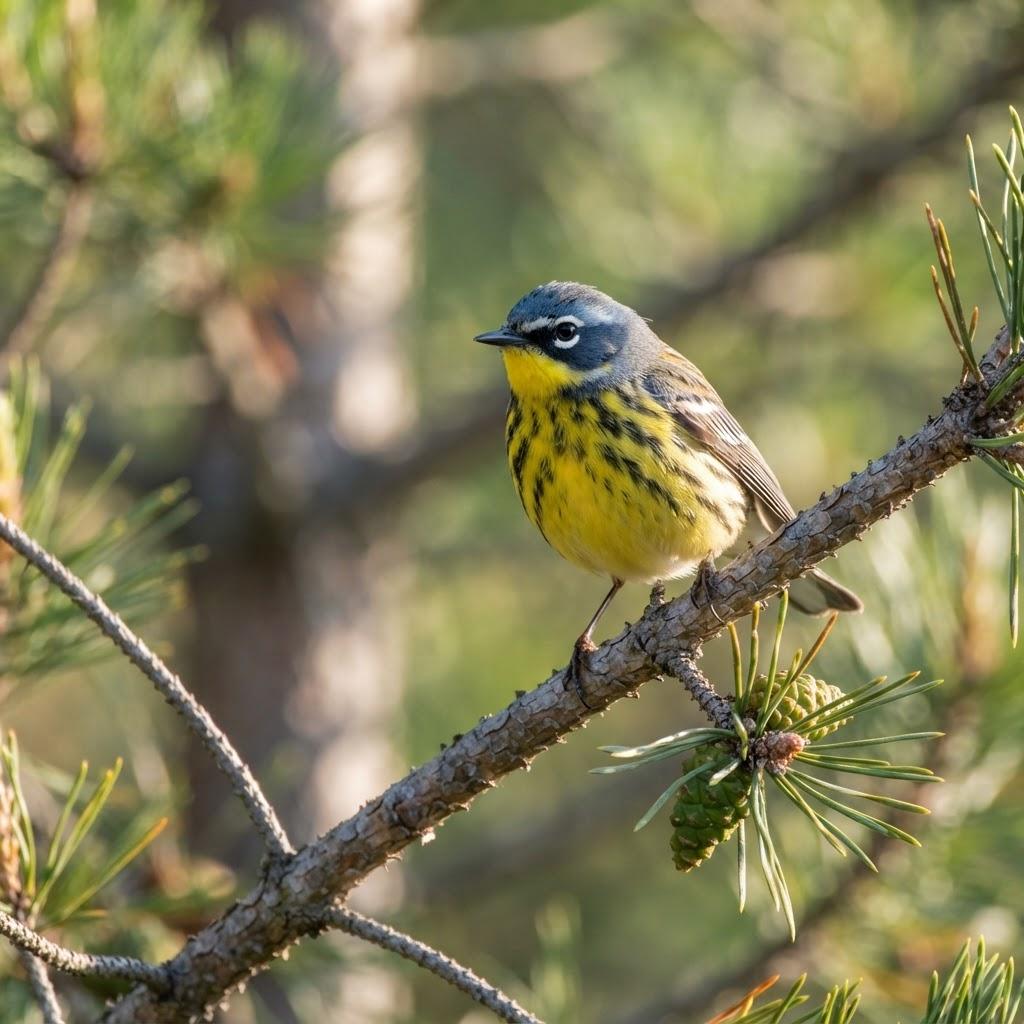
Spotting a Yellow Warbler is like finding a little bit of sunshine on a branch. Look for a small, uniformly bright yellow bird, often with subtle, thin streaks of chestnut or reddish-brown on its breast and belly, particularly in males during the breeding season. Females can be a paler, more lemon-yellow. They are active, constantly flitting through deciduous trees and shrubs, especially near water. Listen for their song: a rapid, buzzy, rising series of notes that sounds like 'sweet, sweet, I'm so sweet.' It's a cheerful, energetic melody that often gives them away before you see them. They tend to forage lower in vegetation than some other warblers, making them a bit more accessible if you're patient. In terms of how they are doing, the Yellow Warbler is currently listed as 'Least Concern' by conservation organizations. This means their populations are generally widespread and stable across their vast range, which is excellent news! They are adaptable and can be found in a variety of habitats. However, 'Least Concern' doesn't mean we can be complacent. Habitat loss and degradation, particularly the destruction of riparian areas and shrubby habitats, can still impact local populations. So, what can you do? The best actions are simple: plant native shrubs and trees in your yard to provide food and shelter, avoid using pesticides that decimate insect populations (which are the warblers' main food source), and ensure your bird baths are clean and accessible. Every native plant you add and every pesticide you skip is a small step towards ensuring these sunny visitors continue to grace our landscapes for generations to come.