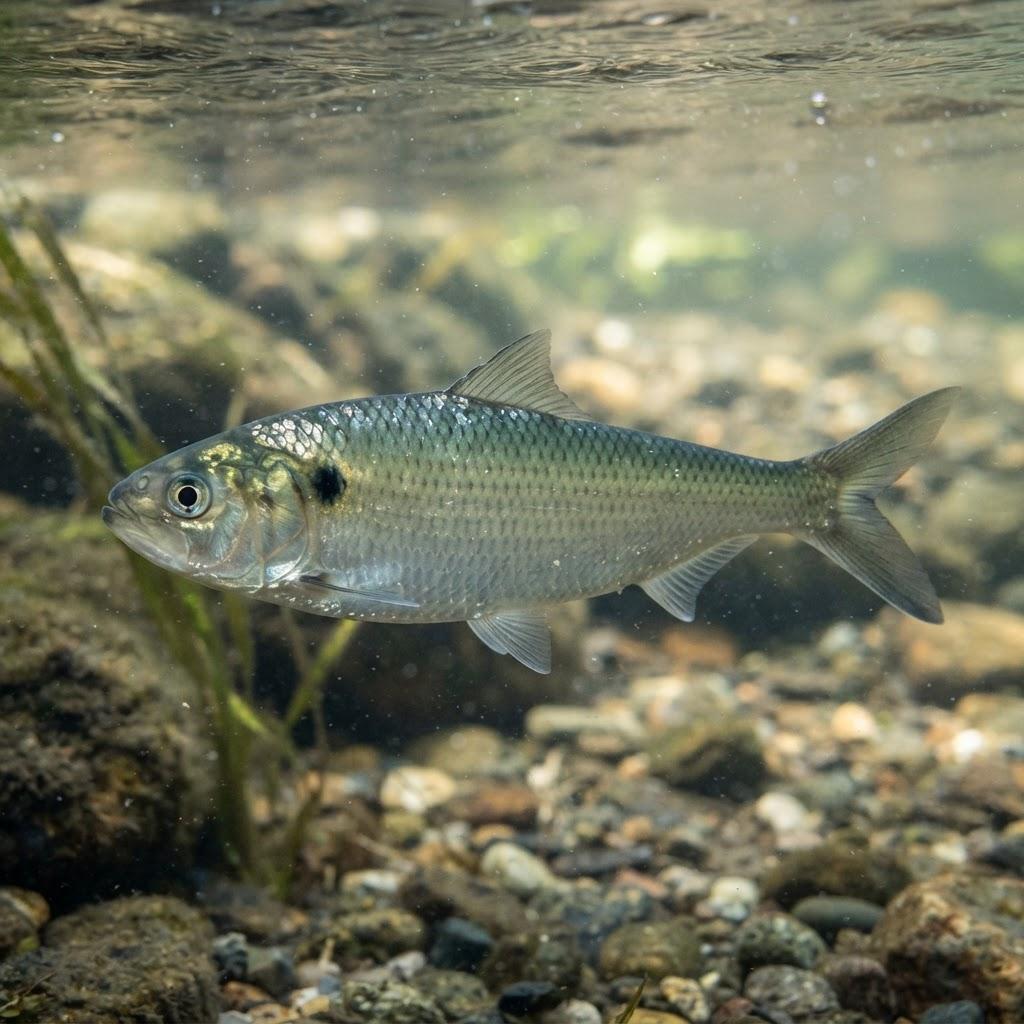
Alosa sapidissima
American Shad
Meet the American Shad, the disco-dancing, river-crashing superstar of the Atlantic coast. This isn't just a fish; it's a long-distance traveler with a taste for drama and a penchant for spawning parties that would make a rock star blush.
Meet the Fish
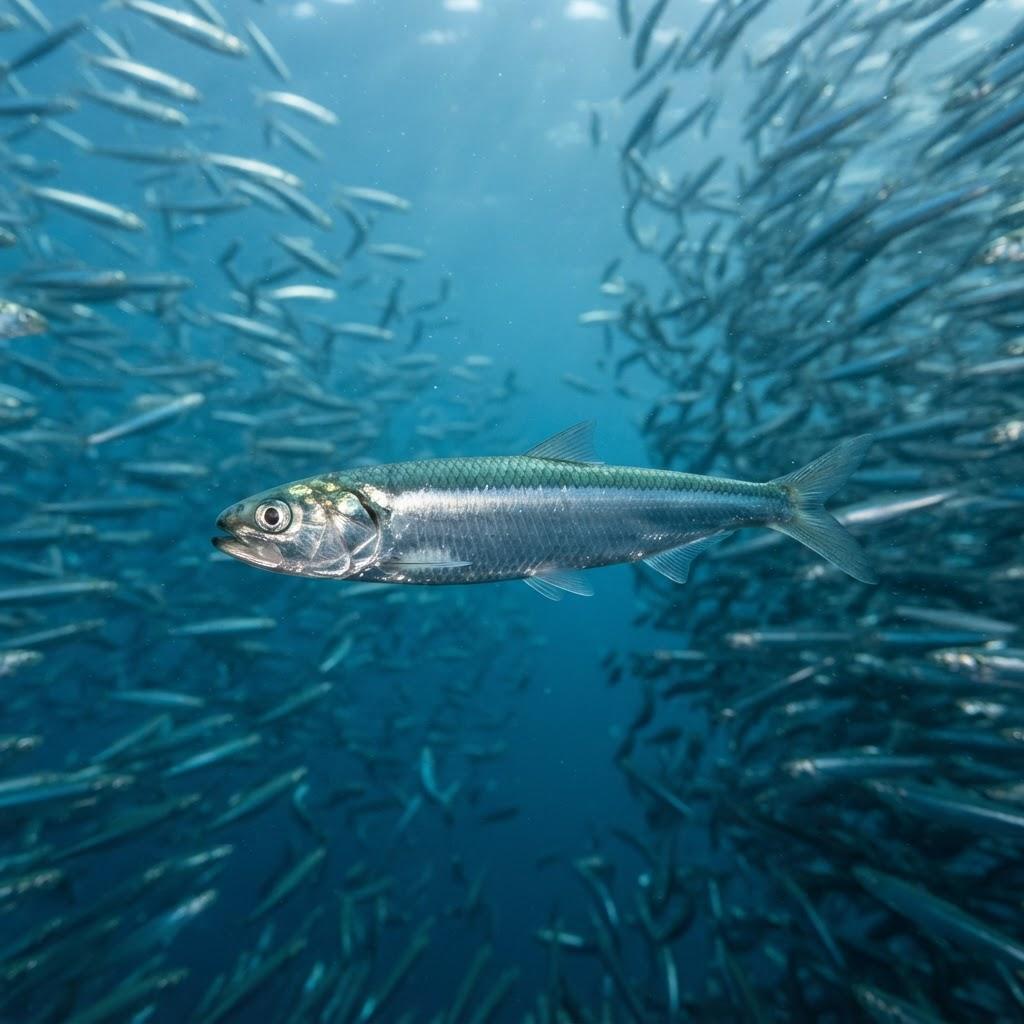
Imagine a fish that decides to run a marathon every single year just because it feels like it. That is the American Shad. Known as the 'Founding Fish' because they supposedly saved George Washington’s troops from starving during a brutal winter, these guys are the overachievers of the Atlantic. They aren't just swimming; they are on a mission. Imagine a shiny, silver bullet with a bad attitude and a GPS system that would put your phone to shame. They spend most of their lives chilling in the vast, salty ocean, acting like they own the place, but then, like clockwork, they get the urge to head back to the very rivers where they were born. It is like traveling across the country for a high school reunion, but instead of wearing an awkward name tag, you are swimming upstream against a literal current of rushing water while trying to dodge everything from hungry eagles to clumsy fishermen. The American Shad is the ultimate endurance athlete of the water, and they do it all while looking like a fancy piece of cutlery that got lost in the wild.
Weird Biological Superpowers Explained Simply
How does a shad find its way back to a specific river after years of wandering the ocean? It is not like they have a compass or a map tucked away in their scales. These guys have a superpower called 'olfactory imprinting,' which is basically a fancy way of saying they have a superhero sense of smell. Think of it like a bloodhound that can smell a specific brand of perfume from ten miles away, except the 'perfume' is the distinct chemical signature of their home river. They memorize the 'scent' of their home stream as babies, and when they reach adulthood, they use that stored memory to navigate the ocean back to the exact same river. It is a biological GPS fueled by memories of home. Plus, they possess something called a lateral line, which is essentially a row of tiny, sensitive sensors running down their sides. This line detects pressure changes in the water. If a rock moves or another fish twitches a fin nearby, the shad feels the ripple instantly. They can essentially 'feel' the water around them like a spider feeling vibrations on its web.
Absurd Self-Defense Mechanisms
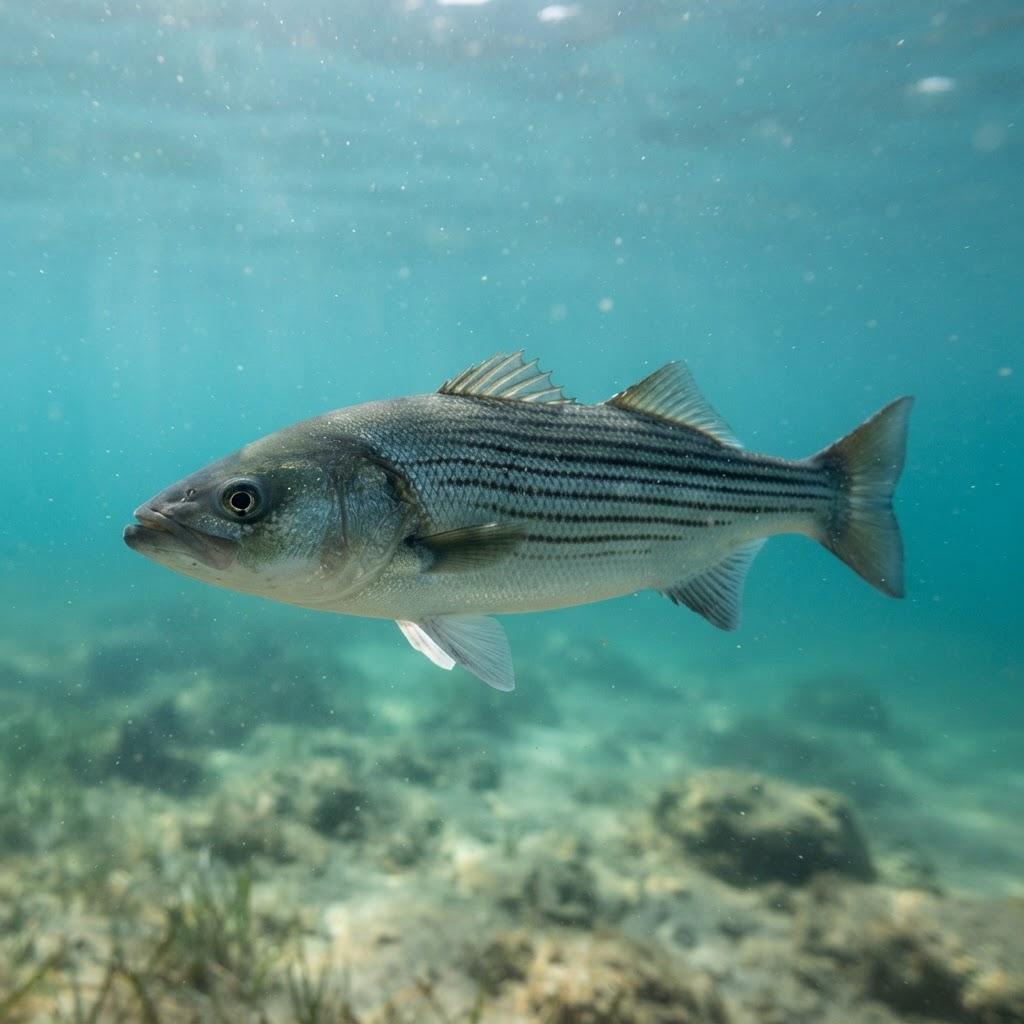
If you are a fish that tastes like a delicious buffet to everything from striped bass to curious humans, you have to have some tricks up your sleeve. Or, in this case, your scales. The American Shad’s best defense is pure, unadulterated speed and chaotic movement. When a predator lunges, the shad does not just swim away; it turns into a metallic flash of confusion. By swimming in massive, disorganized schools, they create a 'flash effect.' Imagine a thousand shiny mirrors spinning in the water at once. A predator trying to lock onto a single shad is like a human trying to pick one specific raindrop out of a hurricane. It is impossible. If the predator gets too close, the shad utilizes its extreme maneuverability to dart in directions that defy common sense, zig-zagging until the attacker is left dizzy and disappointed. They also have a tendency to jump clean out of the water if threatened, which is the fish equivalent of screaming 'you can’t catch me!' while parkouring over a fence. It is less about fancy armor and more about being too fast and too shiny to handle.
Fish Drama and Gossip
The social life of an American Shad is the underwater version of a crowded subway station during rush hour, but with more splashing and less personal space. These fish are intensely social, but not in a 'let’s be best friends' kind of way; it is more of a 'let’s stick together so I don't get eaten' kind of arrangement. When they enter the rivers to spawn, the drama hits peak levels. It is basically the fish version of a reality dating show. You have thousands of individuals crammed into narrow rivers, all jostling for the best position to do their 'thing.' There is a hierarchy, though it is less about fighting and more about who can hold the best spot in the current. You will see them bumping into each other, pushing for dominance, and engaging in intense displays of fitness. The gossip in the school is all about the flow. Who found the deepest pool? Who managed to avoid the seals on the way in? It is a constant, shimmering soap opera of survival, and if you are not keeping up with the group, you are basically the person at the party standing alone in the corner with a drink, and in the wild, that usually means you are about to be lunch.
The "Wait, That's Real?!" Deep-Sea Oddities
While our hero, the American Shad, prefers the shallow, rushing rivers and coastal zones, its cousins living in the deep sea are basically the aliens of our planet. Imagine living in a place where the sun is just a rumor, and the only light comes from your own glowing belly. Deep-sea fish, like the Anglerfish, are the weird uncles of the fish family. While the shad is busy using its nose to find home, deep-sea creatures are using bioluminescence—making their own light—to trick prey or signal to potential mates in the dark. It is like walking through a pitch-black cave while carrying a neon sign that says 'I am here' or 'eat me.' If you think the shad is impressive for its migration, consider the deep-sea dragonfish, which has teeth so large it cannot even close its mouth properly. Or the barreleye fish, which has a transparent head so you can see its brain and eyes working. The shad is a sleek athlete, while its deep-sea relatives are like the stuff of nightmares you see in low-budget sci-fi movies, yet both are perfectly adapted to their specific, weird little corners of the world.
Myth Busting
There is a long-standing myth that the American Shad are just 'dumb bait fish' that swim aimlessly around until they bump into a river. Nothing could be further from the truth. These fish are masters of spatial memory. Another myth claims that shad are poor swimmers because they have a 'soft' mouth that makes them hard to catch. Actually, their mouths are designed to catch tiny floating food in the water column, not for gripping onto things like a bulldog. People also like to say that once they spawn, they just float away to die, but that is not always true. While many shad do perish after the extreme exhaustion of the spawning process, some are tough enough to make the journey back to the ocean, recover, and come back to try again the next year. It is like saying a marathon runner is a failure if they fall over at the finish line. They finished the race! They deserve a medal, not a bad reputation. These fish are survivors, not just snacks for the bigger fish, and their ability to endure is honestly nothing short of legendary.
Humorous Historical Tales or Folklore
History has a weird relationship with the American Shad. In the 18th century, they were so abundant in the rivers of the East Coast that people considered them a nuisance. Imagine complaining about having too much free food! There are stories from the Revolutionary War era about soldiers who were so sick of eating shad that they would actually threaten mutiny if they saw another piece on their plate. It is the fish equivalent of being forced to eat pizza every single day until you lose your mind. There is also a bit of folklore suggesting that the shad would only return to the rivers when the shadbush—a local tree—began to bloom. It sounds like a coincidence, but farmers treated it like a sacred alarm clock. If the tree was blooming, the shad were coming, and it was time to drop the plow and grab the nets. It is a lovely bit of rural history that reminds us just how interconnected our lives used to be with the rhythms of the natural world, even if the soldiers really, really hated the taste of it.
Underwater Love Stories and Bizarre Romances
When it comes to romance, the American Shad keeps things pretty classy, which is to say they are all about the group activity. There is no quiet, candlelit dinner for these guys. The whole spawning process is essentially a giant, wet, chaotic dance party. When they finally reach the right spot in the river, the water becomes a frenzy of activity. Females release their eggs, and the males, who have been waiting for this moment their entire lives, release their milt—which is the fishy equivalent of a wedding ring—all into the water at the same time. It is a mass spawning event that looks like a chaotic, shimmering blizzard of life. They don’t pair up in the traditional sense; they trust the numbers game. By releasing thousands of eggs at once into the current, they ensure that at least a few will find a cozy spot on the riverbed and survive the chaos of the river. It is not romantic in the way we think of movies, but it is deeply committed to the idea of a massive, shared future.
Underwater Architecture and DIY Nesting
While some fish spend their time building intricate sand castles or fortresses out of seashells, the American Shad is a minimalist at heart. They aren't into interior design or structural engineering. Their 'nesting' strategy is much more 'throw it at the wall and see what sticks.' They prefer to release their eggs over areas with a gravelly, rocky bottom. This isn't because they want to build a house; it’s because gravel acts like a natural trap. The eggs, which are slightly sticky, tumble down and get wedged into the nooks and crannies between the stones. This keeps them from being swept away by the current, effectively creating a hidden, protected nursery without the fish having to lift a single pebble. It is the lazy genius approach to parenting. Why build a house when you can just find a natural, rocky neighborhood that already has the perfect layout? They know the riverbed like the back of their fins, and they let the geology do all the heavy lifting.
The Chaos of Raising Tiny Swimmers
Raising tiny shad is basically a 'good luck, kid' scenario. Once the eggs are deposited into those rocky crevices, the parents are officially off the clock. They don't guard the nest, they don't bring the kids snacks, and they don't teach them how to swim. It is survival of the fittest from the very first moment. The eggs hatch into tiny, transparent 'fry' that look like little slivers of glass. These fry are at the mercy of every single predator in the river, which is why the shad strategy is based on pure volume. By spawning in such high numbers, they make sure that even if eighty percent of the babies get eaten by dragonfly larvae or hungry minnows, there are still thousands left to reach the ocean. It is a high-stakes lottery where the prize is growing up to be a full-sized, shiny athlete. They are truly the 'free-range' children of the river, growing up in the wild, dangerous, and beautiful current with nothing but their instincts to guide them to safety.
How to Spot One & How It Is Doing
If you want to catch a glimpse of this silver streak, you should head to the riverbanks in the spring when the cherry blossoms start to drop. Look for flashes of silver in the water, especially near areas where the river widens or slows down. They are beautiful, streamlined creatures with a deep, notched tail that screams 'I am built for speed.' As for how they are doing, the news is a mix of caution and hope. Dams have been the biggest challenge for the shad, as they make it hard for these long-distance swimmers to reach their traditional spawning grounds. However, many communities are now removing old, useless dams and building 'fish ladders'—basically underwater staircases that help the shad bypass barriers. If you want to help, support local watershed conservation groups. When rivers are clean and accessible, the shad return in droves. They are the pulse of our rivers, and as long as we keep the water flowing and the paths open, these silver dancers will keep coming back to put on their show for generations to come.