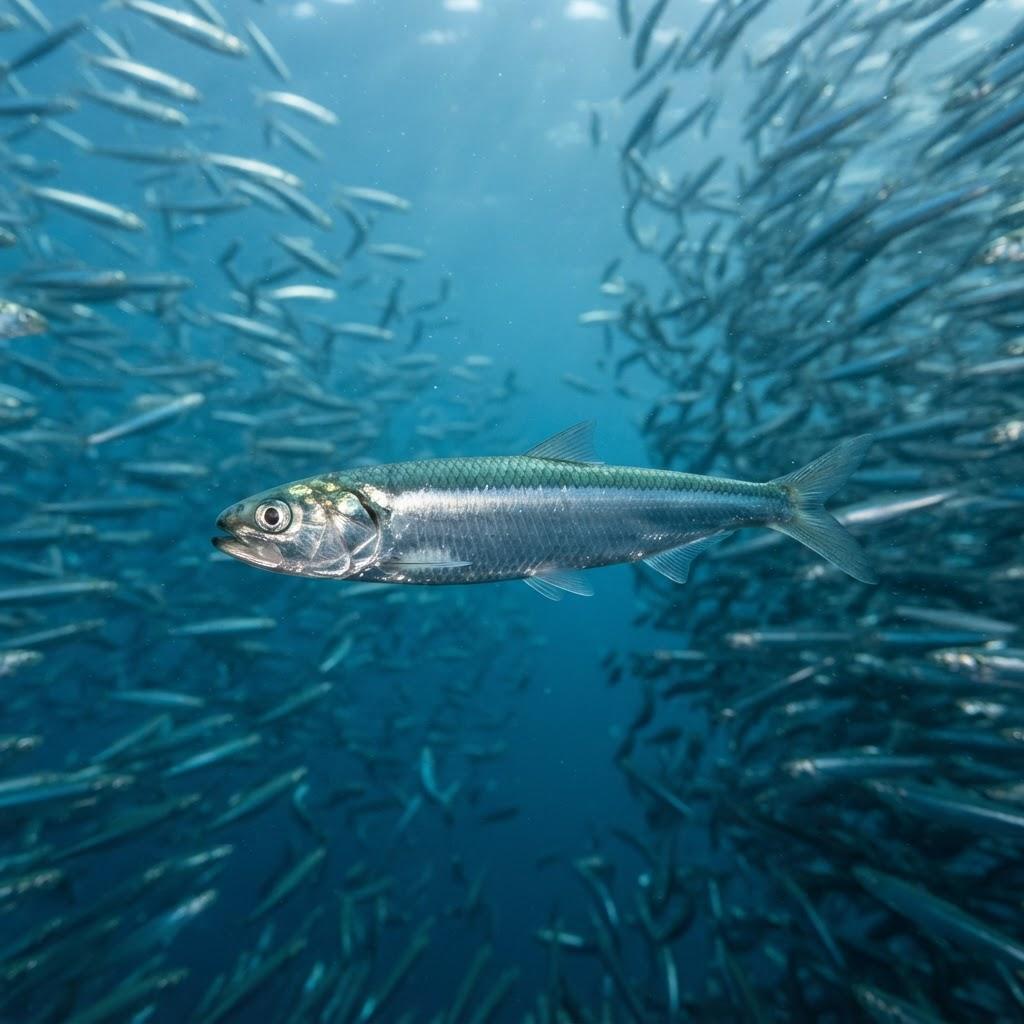
Engraulis encrasicolus
Anchovy
Meet the anchovy, the tiny, shimmering superstar of the sea that keeps the ocean ecosystem running while dodging everything with teeth. They are essentially the oceanic equivalent of a glittery, high-speed snack bar for every predator in the water.
Meet the Fish
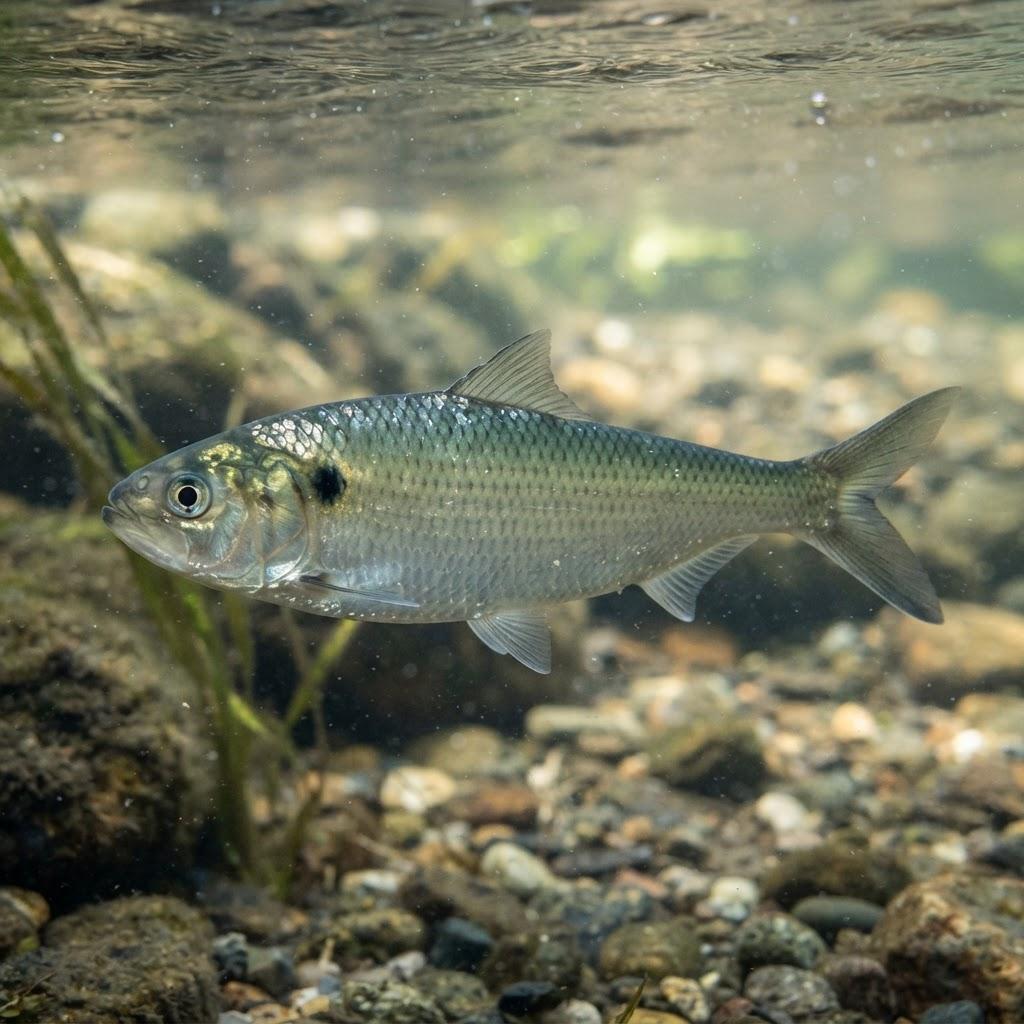
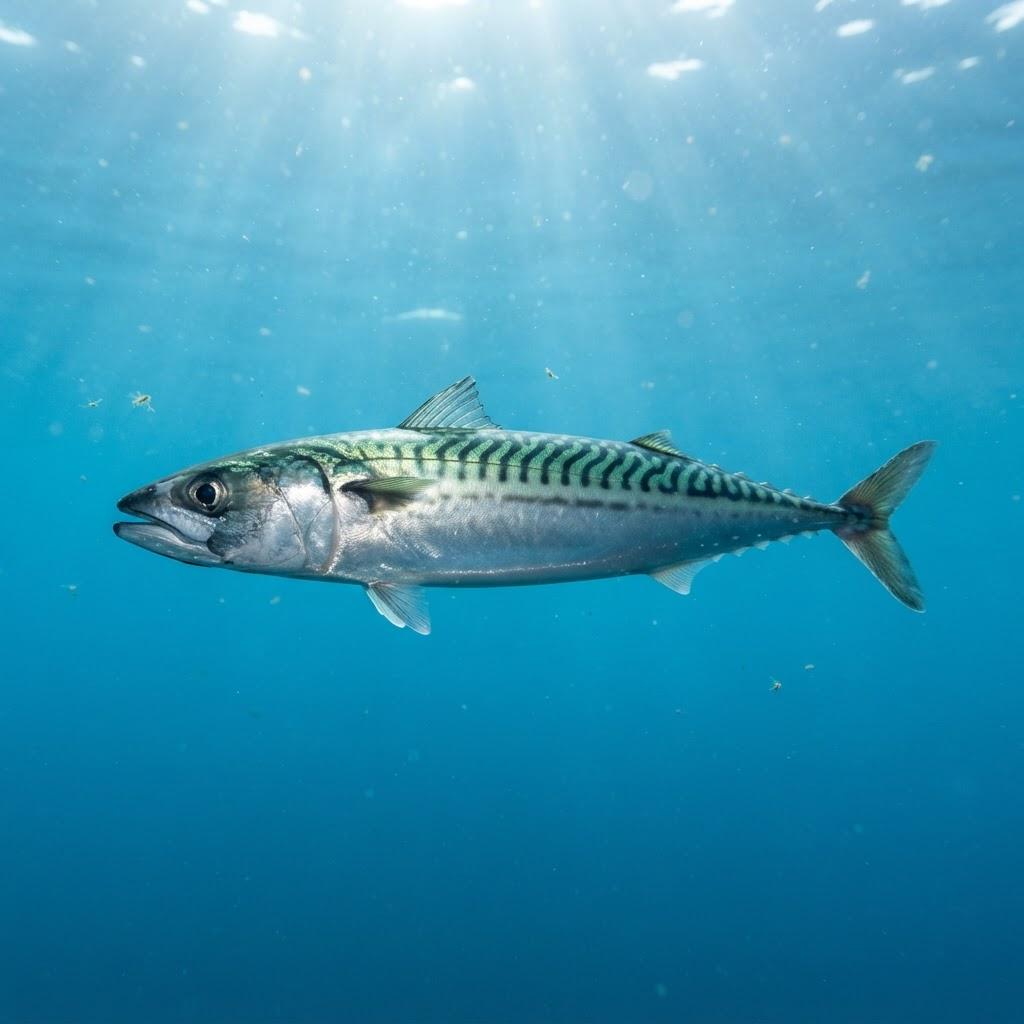
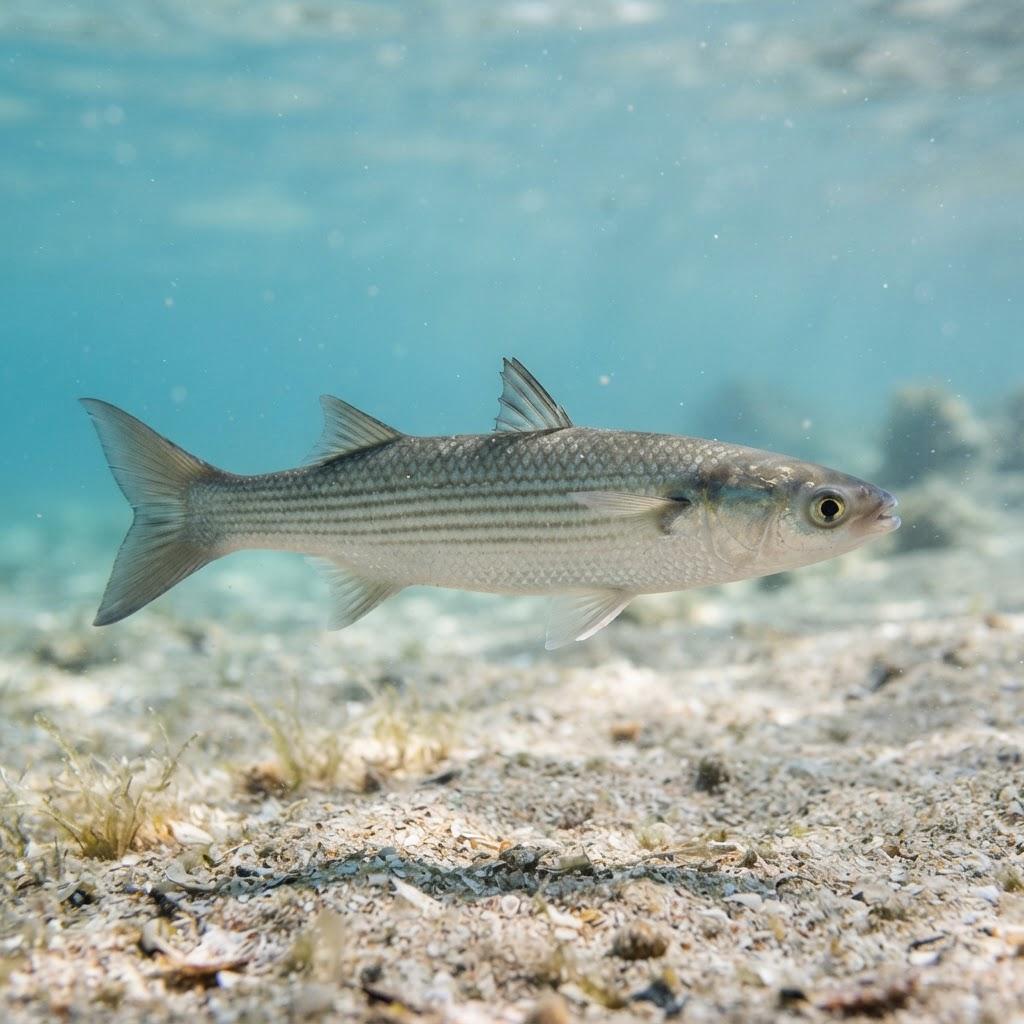
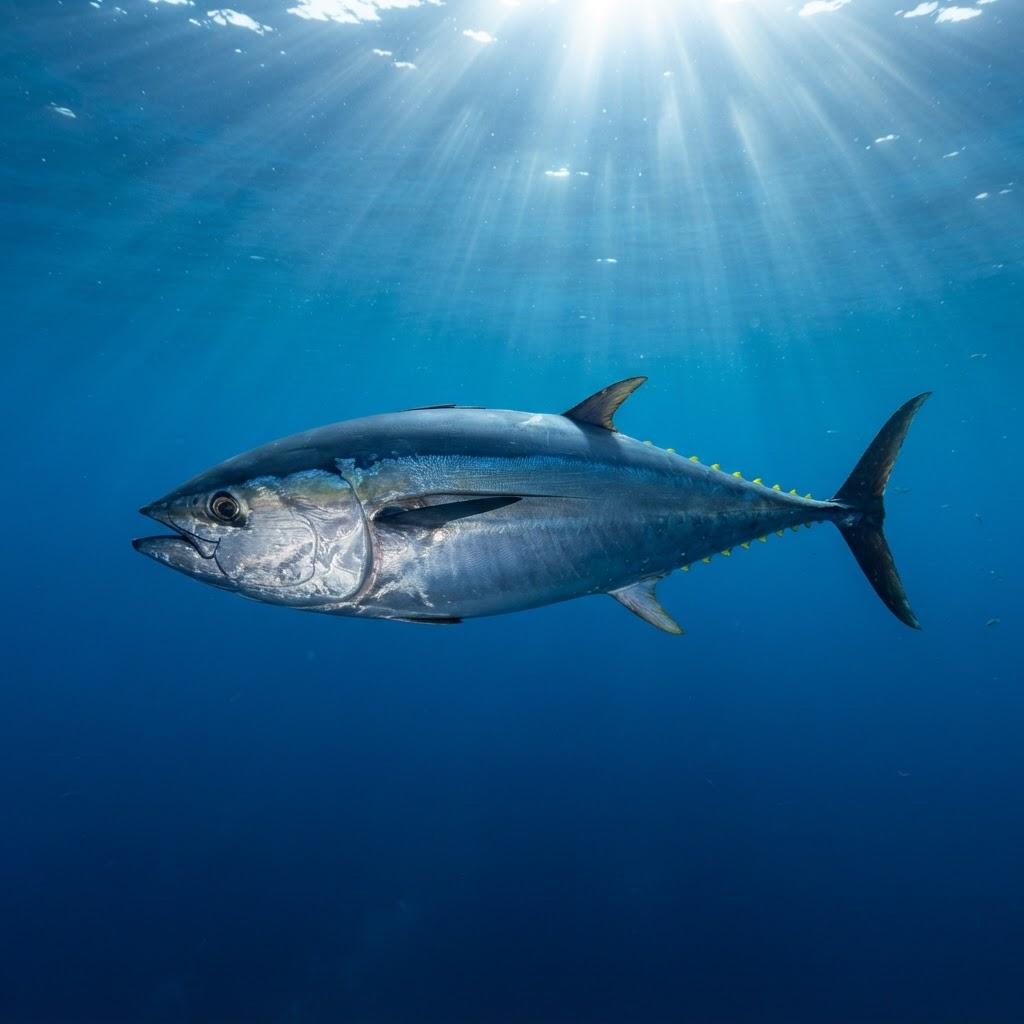
Imagine you are an extra in an action movie. Your job isn't to be the hero, the villain, or even the sidekick; your job is to stand in a massive crowd of thousands and look terrified whenever a shark swims by. That is the life of the European anchovy. They are the ultimate silver-bullet-shaped travelers of the sea, sporting a metallic, shiny exterior that looks like a freshly polished piece of cutlery darting through the waves. They possess a mouth that is disproportionately large for their head, giving them an eternally surprised expression, as if they are constantly walking into a room and realizing they forgot why they are there. They travel in shoals that are so densely packed they could be mistaken for a single, pulsating, giant organism from a distance. If they had an internal monologue, it would probably be a continuous loop of 'Is that a tuna? Definitely a tuna. Okay, everyone move left! No, wait, right! Just keep swimming and hope for the best!' They are the unsung, salty heroes of the marine world, moving with a synchronized elegance that would make a professional dance troupe look like a bunch of toddlers in rain boots. Their vibe is energetic, frantic, and perpetually suspicious.
Weird Biological Superpowers Explained Simply
While they might look like simple, bite-sized slivers of fish, anchovies are actually equipped with high-tech sensors that would make a spy plane jealous. They possess something called a lateral line, which is essentially a strip of pressure-sensitive organs running down their sides. Think of it as a biological version of a surround-sound system that detects every tiny vibration in the water. If a hungry mackerel so much as twitches a fin three feet away, the anchovy feels the displacement of water instantly. They also have an incredibly efficient system for filter feeding, which is basically their way of vacuuming the ocean. They swim with their mouths open, letting water flow through their gills which are lined with tiny, comb-like structures called gill rakers. These rakers act as a sieve, trapping microscopic plankton while letting the water pass through. It is the ultimate 'eat on the go' technology. They are so good at this that they can essentially turn tiny, invisible specks of food into a bustling school of muscle and energy. It is like being able to harvest a salad just by sprinting through a field with your mouth open, which, frankly, sounds like a dream for anyone who hates washing dishes.
Absurd Self-Defense Mechanisms
When you are a tasty morsel of protein in a world full of carnivores, your best defense isn't a suit of armor or a sharp stinger—it is strength in numbers and a serious case of 'confuse your enemy.' Anchovies have perfected the art of the 'flash.' Because their bodies are coated in reflective, mirror-like scales, a massive school of them acts like a giant, shimmering strobe light when they change direction simultaneously. A predator like a dolphin or a sea bass, trying to pick out a single target in this swirling, silver chaotic mess, is basically dealing with a strobe light in a dark room. It is sensory overload. If that doesn't work, they pull off the ultimate group maneuver: the 'bait ball.' They circle inward, creating a tight, dense sphere of fish that is too small for a predator to easily grab without accidentally smacking into a hundred other fish. It is essentially the aquatic version of a crowd of people linking arms to guard someone in a mosh pit. They don't have poison, slime, or spikes; they just have the sheer, annoying persistence of a million little reflections designed to give every predator a migraine.
Fish Drama and Gossip
Life in the shoal is basically a non-stop episode of a high-school reality show where everyone wears the same uniform and moves in perfect unison. There is very little time for individual romance or complex grudges because the entire social structure is built around one rule: follow the neighbor. But do not let the uniformity fool you; there is constant status-seeking happening. Who gets to be in the center of the shoal? That is the VIP section, far away from the hungry mouths of predators lurking on the edges. The fish on the outside are the ones constantly checking their mirrors for danger, while the fish in the middle are the ones living the high life, doing their best to stay hidden. There is also the drama of 'who takes the lead.' While scientists used to think there was a designated leader, it turns out it is more of a collective decision-making process. If one fish decides it is time to pivot, the message spreads through the group like a game of telephone, with thousands of fish reacting in a fraction of a second. It is a social hierarchy where being a 'follower' is actually the smartest career move you can make for your own survival.
The "Wait, That's Real?!" Deep-Sea Oddities
While our European anchovy prefers the bright, sunny top layers of the ocean—the 'penthouse suite' of the water column—they have deep-sea cousins that are living in a completely different, much weirder world. If you descend deep enough, you hit the twilight zone, where the light is so faint it looks like eternal dusk. Here, creatures start doing things that defy logic. You have fish that generate their own neon blue lights to lure in snacks, fish with transparent heads so you can see their brains, and fish that are essentially just big, angry mouths with teeth. Compared to these deep-sea weirdos, the anchovy seems like a very sensible, normal fish. They stay near the surface to feast on the nutrient-rich plankton that thrives on sunlight. While their cousins in the abyss are busy evolving bioluminescent glow-sticks and weird, elongated appendages just to find a mate in the darkness, the anchovy keeps it classic. They don't need fancy internal flashlights because their neighborhood is well-lit and packed with food. It is the difference between a high-tech survival thriller and a breezy, fast-paced comedy.
Myth Busting
There is a persistent myth that fish have a three-second memory, and if you have ever felt bad for a goldfish in a bowl, you probably heard this one. Let us clear the air: anchovies and their fishy kin are actually quite sharp. They have to be. They navigate complex currents, identify food sources, and maintain their place in a group of thousands without constant collisions. If they were as forgetful as a goldfish is rumored to be, they would have gone extinct before the dinosaurs had a chance to eat them. Another common myth is that anchovies are just 'boring, basic bait' that don't do anything interesting. People see them in a tin and think they are static, mindless creatures. In reality, their migratory patterns are incredibly precise, and their ability to synchronize movement is one of the most sophisticated behaviors in the animal kingdom. They aren't just snacks; they are master navigators of the marine highway, and they have a better understanding of their environment than most of the people who eat them on pizza.
Humorous Historical Tales or Folklore
Anchovies have been around the human dinner table for so long that they are basically part of the furniture. In ancient Rome, people were obsessed with something called 'garum,' a fermented fish sauce made primarily from—you guessed it—anchovies. It was the ketchup of the ancient world. They put it on everything from meat to fruit. Imagine ordering a fancy dessert and someone dousing it in fermented, salty, fishy essence. That was a high-end Roman culinary experience. Beyond the dinner table, anchovies have popped up in various maritime superstitions. Because they appear in such massive, shimmering schools, fishermen often considered them a sign of luck. To see a surface 'boil' of anchovies was a promise that the rest of the food chain—the tuna, the dolphins, the whales—would be nearby. They were essentially the 'you are here' sign on the ocean map. While they never became mythical sea monsters like the giant oarfish, their historical impact is arguably greater because they kept entire coastal civilizations fed and happy for centuries.
Underwater Love Stories and Bizarre Romances
When you are an anchovy, you do not have time for long, candlelit dinners or romantic strolls on the beach. Romance for an anchovy is a blink-and-you-miss-it affair. They don't build nests or perform elaborate dances. Instead, they opt for a strategy known as 'broadcast spawning.' It is the aquatic equivalent of a crowded disco where everyone just throws their genetic information into the air and hopes for the best. When the conditions are just right—usually when the water temperature is perfect and food is plentiful—the males and females release their eggs and sperm into the water column simultaneously. It is chaotic, it is messy, and it is incredibly efficient. Because they do this in massive groups, the odds of a successful fertilization are surprisingly high. They don't have to worry about finding 'the one'; they just have to find a partner within the general vicinity of the cloud. It is not romantic in the poetic sense, but it is the most effective way to ensure that thousands of little anchovies get a head start in life every single season.
Underwater Architecture and DIY Nesting
If you are looking for an architect, the anchovy is not your guy. They aren't building fancy coral mansions or weaving intricate nests out of kelp. They are nomads, pure and simple. Their home is wherever the current carries them, as long as there is enough food to keep the engine running. While other fish might dedicate weeks to clearing a patch of sand or guarding a hole in a rock, the anchovy believes in the 'keep moving' philosophy. Why bother with real estate when the ocean is your oyster? They treat the entire ocean as a giant open-floor-plan apartment. This lack of permanent nesting actually makes them incredibly resilient. They don't get stuck in a 'bad neighborhood' or lose their homes to a change in the tide. They simply flow with the ocean, adapting their location based on the seasons and the distribution of their favorite snack: zooplankton. They are the ultimate minimalists, living with zero belongings and an entirely mobile lifestyle that would make any modern tiny-home enthusiast green with envy.
The Chaos of Raising Tiny Swimmers
After the initial 'broadcast spawning' event, the parents basically say, 'Good luck, kid!' and swim off to find more snacks. There is zero parental guidance here, which might sound harsh, but it is actually a genius strategy. The eggs are small, transparent, and buoyant, floating near the surface where the light is strong and the food is abundant. Within a few days, the larvae hatch and start doing their own thing. They are tiny, fragile, and have to figure out how to swim and feed immediately. It is a brutal 'sink or swim' upbringing, but it is designed for volume. By releasing millions of eggs, the anchovy ensures that even if ninety-nine percent of their offspring are eaten by larger fish or birds, enough survive to keep the population going. It is the ultimate numbers game. There are no bedtime stories or swimming lessons; it is just a frantic, high-speed dash from the moment they emerge from the egg. By the time they reach adulthood, they have essentially survived a gauntlet of hazards, making them the toughest, most street-smart tiny fish in the sea.
How to Spot One & How It Is Doing
If you want to spot an anchovy, you don't need a submarine—you just need a good vantage point over a healthy coastal bay. Look for a ripple on the water that doesn't seem to be caused by the wind, or a sudden, frantic gathering of seagulls diving into the sea. That is the 'anchovy sign.' They are doing just fine, thank you very much. They are considered a species of 'Least Concern' because, despite being a favorite snack of half the ocean and a significant portion of humanity, they reproduce at a rate that keeps up with the demand. They are the survivors, the ones who know how to keep the numbers up even when the odds are stacked against them. You can help these little silver speedsters by supporting sustainable fishing practices. When you buy anchovies, look for labels that guarantee the fish were caught without wrecking the local ecosystem. By keeping the oceans clean and supporting fisheries that care about the future, you ensure that the anchovy keeps playing its vital role as the ocean’s favorite glittery snack. They might be small, but the entire marine world relies on them, and they are worth protecting.