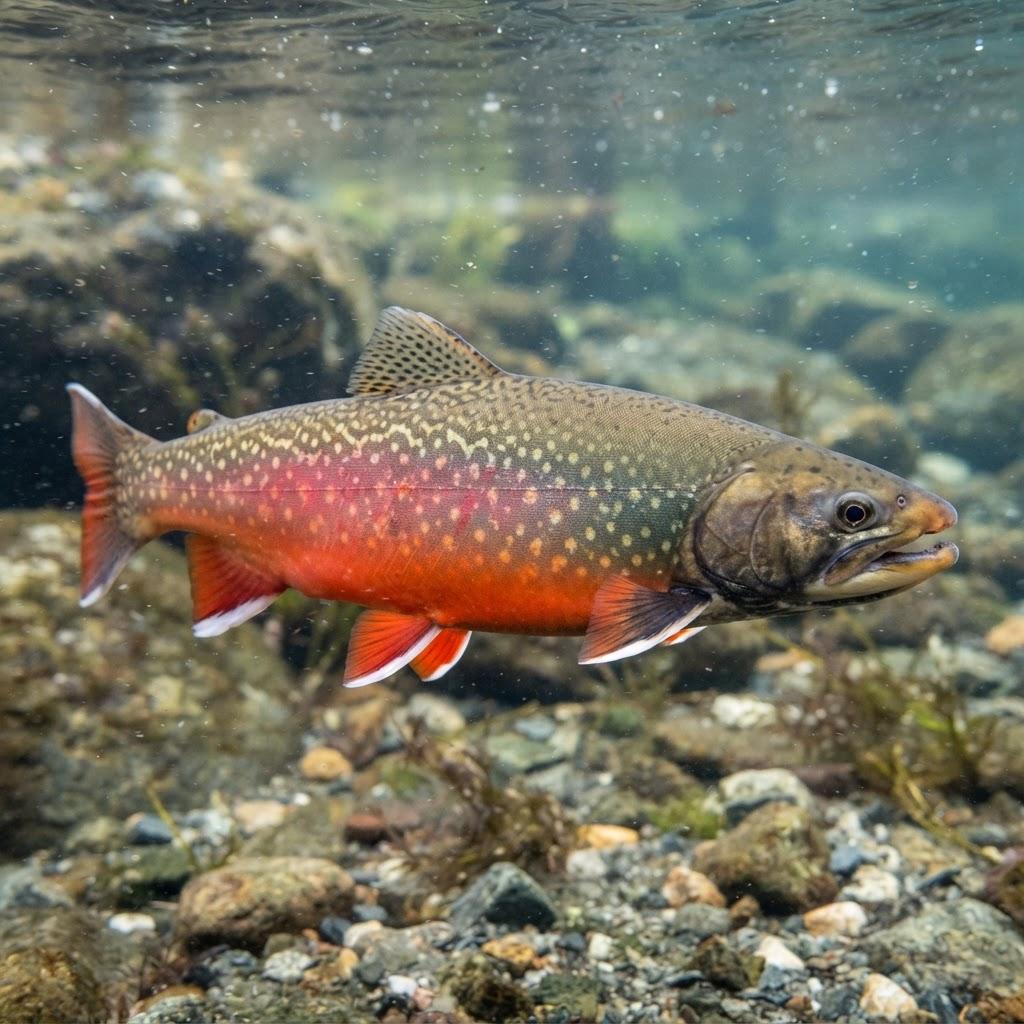
Salvelinus alpinus
Arctic Char
Meet the Arctic Char, the world's northernmost freshwater fish and the ultimate icy survivor. Part salmon, part trout, and all attitude, this glittery cold-water superstar has more style than a disco ball and more resilience than a polar bear.
Meet the Fish
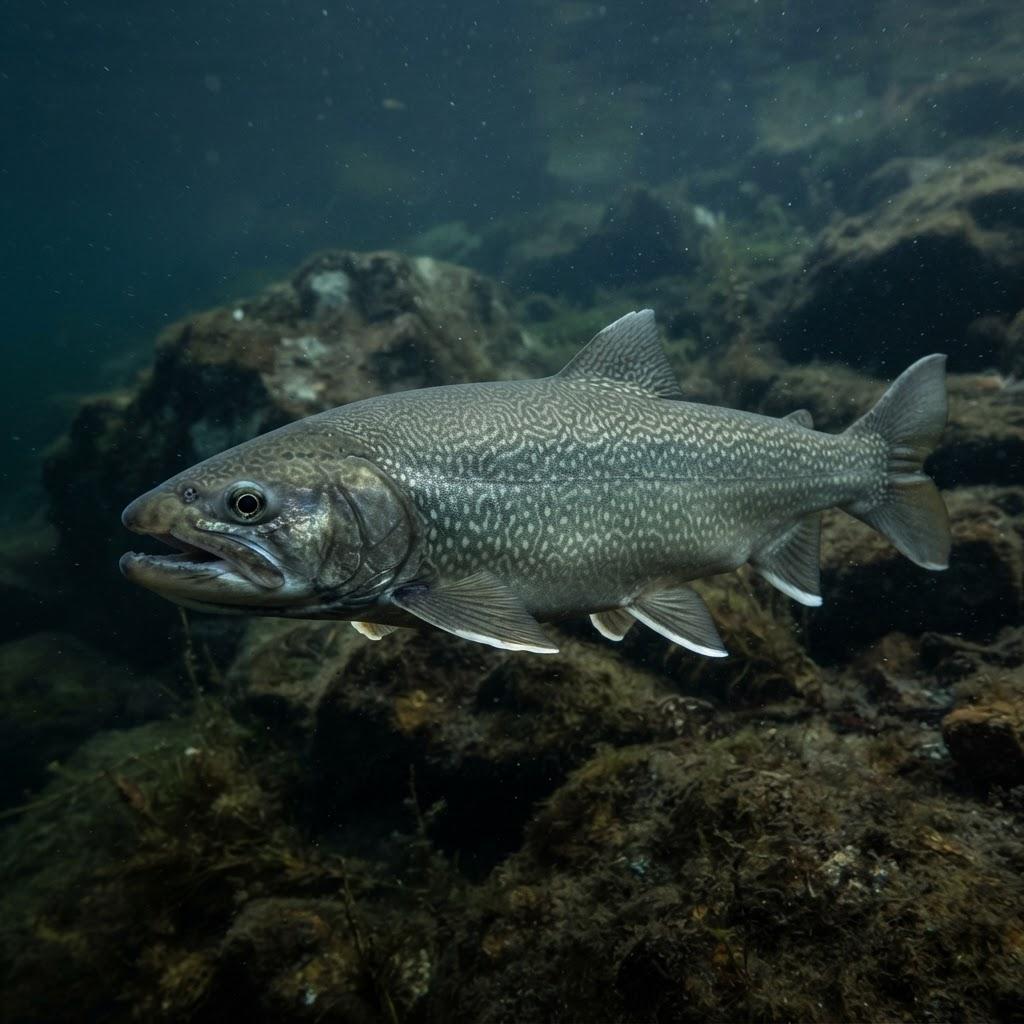
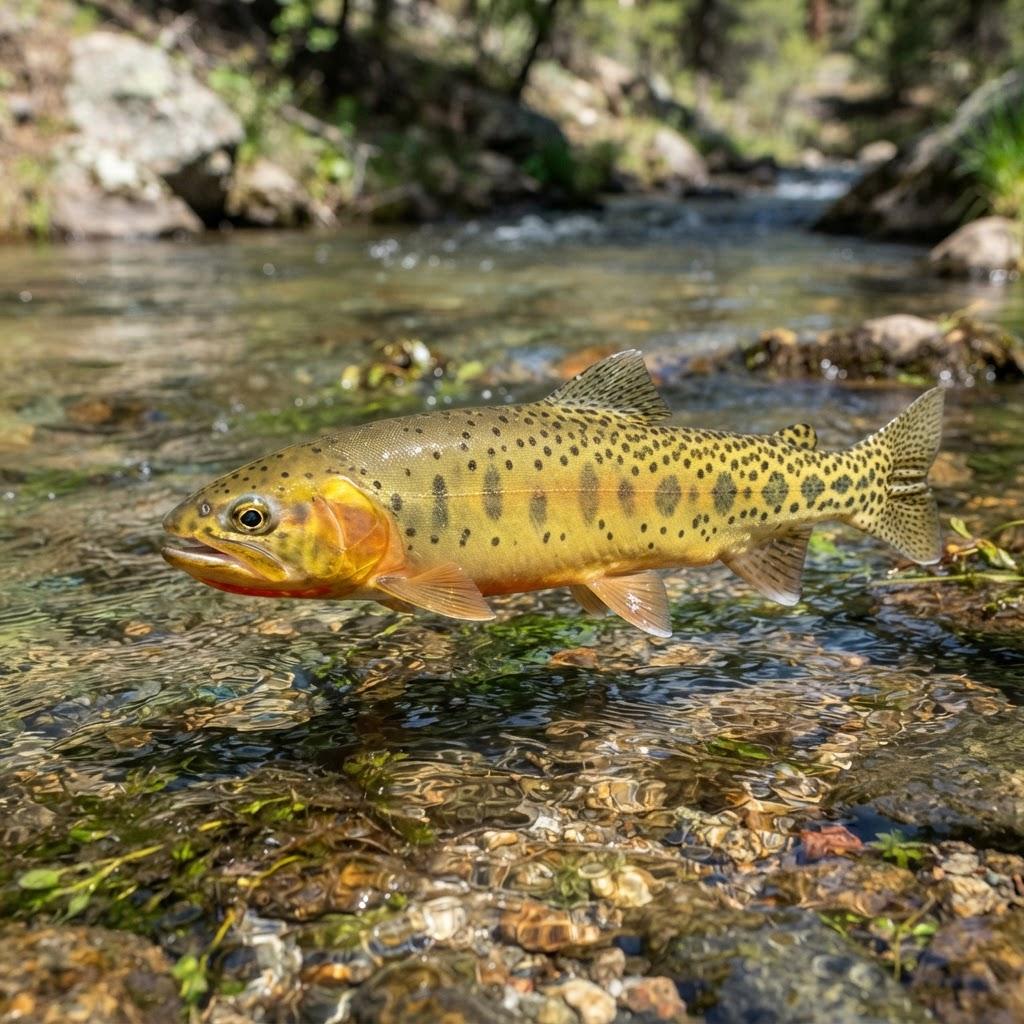
Imagine a fish that decided the Caribbean was for losers and chose the frozen edge of the world as its permanent vacation home. The Arctic Char is essentially the James Bond of the salmonid family—cool, collected, and dressed in a tuxedo that changes color based on its mood and the season. While most fish are busy trying to stay warm, the Arctic Char is throwing a party in water so cold it would turn a human into a popsicle in minutes. This fish is the ultimate world traveler, with some populations staying put in cozy, deep lakes for their entire lives, while others go on epic migrations that would make a marathon runner weep. Its vibe is pure, unadulterated arctic chic, featuring spots that look like someone spilled a bucket of neon polka-dots onto a silver canvas. It is the fish that laughs in the face of sub-zero temperatures and does it with a belly that turns a fiery, vibrant orange just to show off.
Weird Biological Superpowers Explained Simply
The Arctic Char possesses a superpower that sounds like something out of a comic book: extreme metabolic flexibility. Think of it like a hybrid car that can switch between gas and electric modes, but instead of engines, it is switching its entire internal chemistry. When these fish head out to the salty ocean, they engage a biological process called smoltification. They basically rewire their gills to dump salt like a pro, turning their systems into high-efficiency water filters. Then, when they return to freshwater, they switch everything back again. It is as if you could walk into a swimming pool and suddenly start breathing through your skin like a frog, then walk back onto land and resume being a human. They also produce a specialized anti-freeze protein in their blood. While other fish start to crystalize and crack like a frozen windshield when things get chilly, the Char’s blood keeps flowing smoothly, allowing it to dominate the frozen north where others simply cannot exist.
Absurd Self-Defense Mechanisms
When you live in the remote, predator-heavy waters of the Arctic, you cannot exactly call 911 for help. The Arctic Char’s primary defense is a combination of sheer speed and the tactical use of the ‘disappearing act.’ They are masters of blending into the deep, dark shadows of mountain lakes. If a giant pike or a hungry seal starts lurking nearby, the Char uses its streamlined, torpedo-shaped body to vanish into the murky depths faster than you can say ‘gone fishing.’ They also possess a lateral line—a specialized sensory organ running down their sides—that works like an early-warning radar system. It detects the tiniest pressure changes in the water from miles away. It is like having a pair of 360-degree night-vision goggles permanently glued to their heads. They don’t need spines or slime; they just know exactly where the bad guys are long before the bad guys know they are anywhere near a snack.
Fish Drama and Gossip
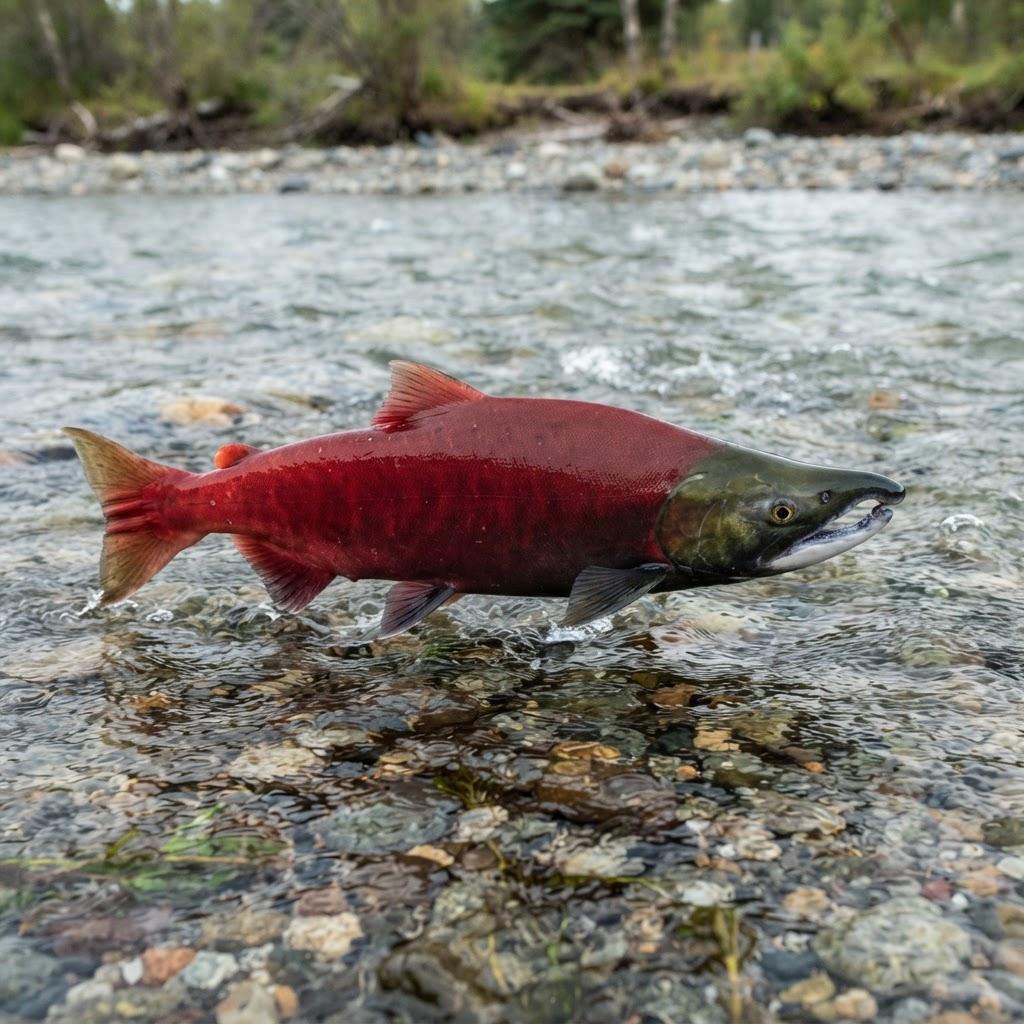
If the world of the Arctic Char were a reality TV show, it would be called ‘The Real Housewives of the Frozen North.’ During the spawning season, the males undergo a massive glow-up. They turn deep, vibrant shades of crimson and orange, acting like they just walked off a red carpet. This isn't just for show; it is a high-stakes power move. The males become incredibly territorial, spending their days chasing rivals away from their chosen nesting spots. You will see them posturing, flaring their fins, and snapping their jaws in a display of underwater bravado that would make a WWE wrestler proud. It is all about maintaining the perfect piece of real estate in the gravelly riverbeds. They are incredibly dramatic, constantly vying for the attention of the females while trying to sabotage their neighbors. One wrong move, and a rival sneaks in to steal your glory. It is high-octane, high-speed, and surprisingly competitive.
The "Wait, That's Real?!" Deep-Sea Oddities
While the Arctic Char usually hangs out in lakes and coastal shallows, it has cousins lurking in the deepest, scariest parts of the ocean that look like they were designed by an alien filmmaker on a fever dream. Imagine the barreleye fish, which has a transparent head so you can see its brain and glowing green eyes that look straight up. Or the anglerfish, which carries its own glowing fishing rod to lure in snacks in the pitch-black darkness. Comparing our friendly Arctic Char to these guys is like comparing a regular neighborhood cat to a creature from another galaxy. The Char keeps it classy with its silver scales and spots, whereas the deep-sea crowd is all about bioluminescence—literally glowing in the dark to talk to friends or scare enemies. The Char is the sturdy, sensible adventurer, while the deep-sea fish are the eccentric, glowing goth kids of the ocean who never come out to play in the sun.
Myth Busting
There is a persistent myth that fish are just mindless swimming noodles with no memory, but the Arctic Char proves that is complete nonsense. People often claim that if a fish doesn't see a hook, it will never learn, but scientists have shown that these guys are actually quite savvy. They learn to navigate complex lake systems, remember where the best feeding grounds are, and even recognize social cues from their buddies. Another myth is that all fish live for a short, fast-paced life. Some Arctic Char in deep, isolated lakes have been found to live for several decades—some have been aged at over 30 years old! They are not just mindless eating machines; they are intelligent, long-lived survivors that adapt to their environment with precision. If you think they are just swimming around waiting for dinner, you are definitely underestimating the complexity of their little aquatic brains and their impressive ability to remember what works and what doesn't.
Humorous Historical Tales or Folklore
In places like Iceland, the Arctic Char is practically a national hero. Ancient folklore is filled with stories of these fish being the companions of water-spirits or the guardians of hidden underwater treasures. There were legends of 'King Fish' that grew to the size of a whale and protected the mountain lakes from intruders. People believed that if you caught a fish with a specific pattern of spots, you were destined for good luck for a year. It is easy to see why; when you are living in a place where the sun disappears for months, a fish that sparkles with silver and bright red seems pretty magical. Historical accounts from northern explorers often talk about the Char as the only thing standing between them and starvation during the long, brutal winters. They were the original 'survival food,' the heroes of the campfire stories that kept morale high when the wind was howling outside the tent.
Underwater Love Stories and Bizarre Romances
The courtship ritual of the Arctic Char is a spectacle of epic proportions. When the timing is right, the males don their best red-orange suits and begin a literal dance. They circle the females with precision, showing off their brightest colors and largest fins. It is a slow-motion, graceful waltz designed to prove that they are the strongest, healthiest mate in the lake. If a female finds a suitor she likes, she will begin the arduous task of digging a pit in the gravelly riverbed, known as a redd. She uses her tail to fan away the sand and silt, creating a perfect nest. The male follows closely, hovering like an over-excited bodyguard. It is a delicate balance of romance and architecture. They have to time this perfectly with the temperature of the water, otherwise the whole operation is a flop. It is truly the underwater equivalent of a rom-com where everything has to go exactly right for the happy ending.
Underwater Architecture and DIY Nesting
You might think a fish nest is just a pile of dirt, but the Arctic Char takes its nursery duties very seriously. The female is the lead engineer, using her muscular tail to move heavy rocks and clear away debris, creating a perfectly shaped depression in the riverbed. This is crucial because it keeps the eggs safe from being swept away by the current and hides them from hungry trout or other scavengers. The gravel she chooses is meticulously cleaned of silt to ensure there is plenty of oxygen flowing over the eggs. Once the eggs are safely tucked away, the fish use their tails to bury them, essentially hiding the nursery under a layer of protective stones. It is essentially a DIY home improvement project done underwater without the help of a hardware store or a contractor. The result is a safe, hidden bunker that gives the next generation a fighting chance against the harsh elements.
The Chaos of Raising Tiny Swimmers
Once the eggs hatch, the little fry emerge with a yolk sac still attached to their bellies, which acts like a built-in snack pack for the first few weeks of life. Raising these tiny swimmers is a high-stakes, chaotic mess. Thousands of tiny fish suddenly burst out of the gravel, and the ocean floor becomes an all-you-can-eat buffet for every predator in the area. The parents don't stick around to teach them how to fish or help them with their homework. Instead, they rely on a numbers game. They produce so many offspring that, despite the high death rate, at least a few will make it to adulthood. It is pure, unadulterated, aquatic survival of the fittest. The tiny fry spend their early days hiding in the crevices of rocks, learning to avoid everything that moves, essentially playing the longest game of hide-and-seek in the world, hoping to grow big enough to join the ranks of the adults.
How to Spot One & How It Is Doing
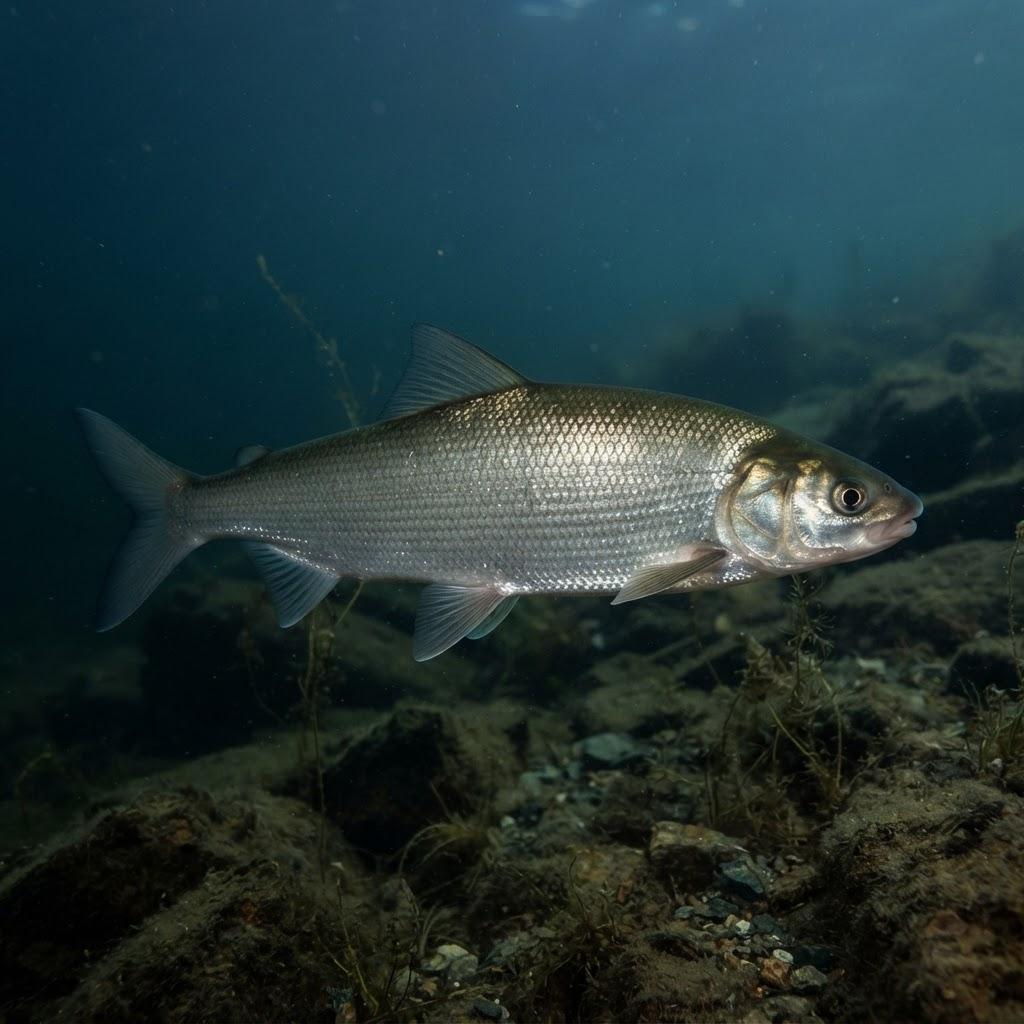
If you want to spot an Arctic Char, you need to head north—like, really far north. Look for clear, cold lakes or coastal waters in places like Iceland or the Arctic Circle. You are looking for a fish with a silver-to-white belly and a back that can range from grey to olive, covered in light-colored, shimmering spots. If you see one during the spawning season, they are impossible to miss because they turn bright red or orange on their bellies. The good news is that the Arctic Char is doing quite well compared to many other species; they are currently listed as Least Concern. However, climate change is the big villain in this story, as it threatens to warm up their icy homes. You can help by supporting organizations that protect arctic waterways and keeping those pristine northern lakes clean. Every little bit helps keep these chilly rockstars swimming in their icy paradise for generations to come.