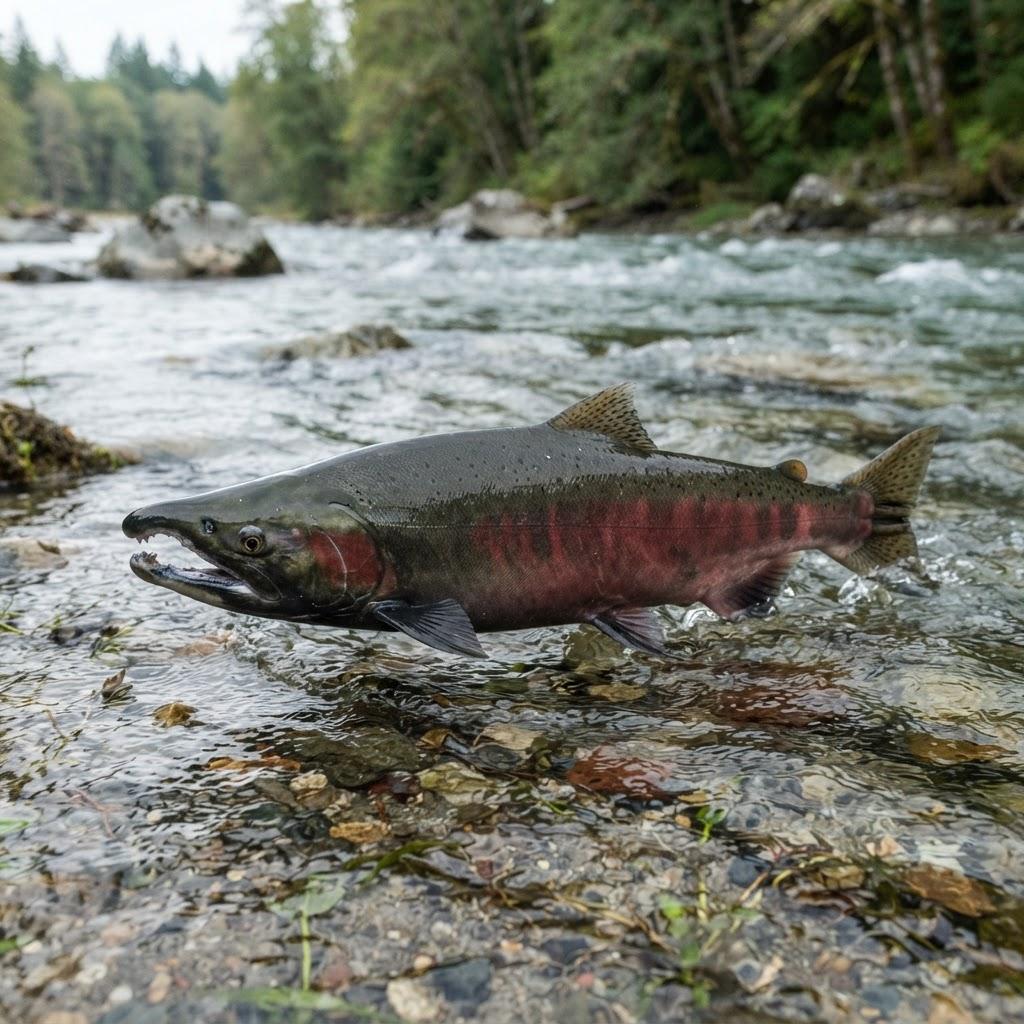
Oncorhynchus kisutch
Coho Salmon
Meet the Coho Salmon, the silver-clad athlete of the Pacific with a flair for the dramatic and a GPS system that would make modern technology look like a folded paper map. This fish spends its life navigating the world's most intense obstacle course, and it does so with style, speed, and a whole lot of grit.
Meet the Fish
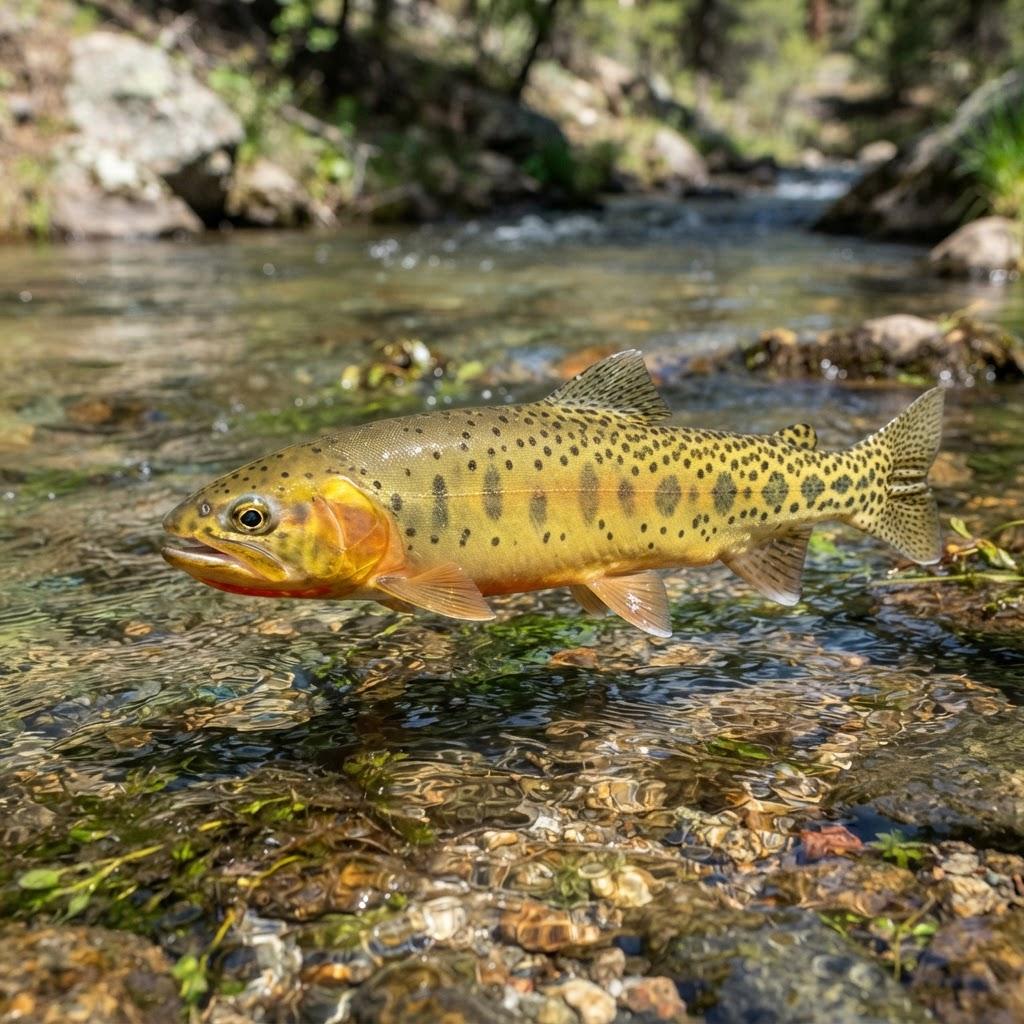
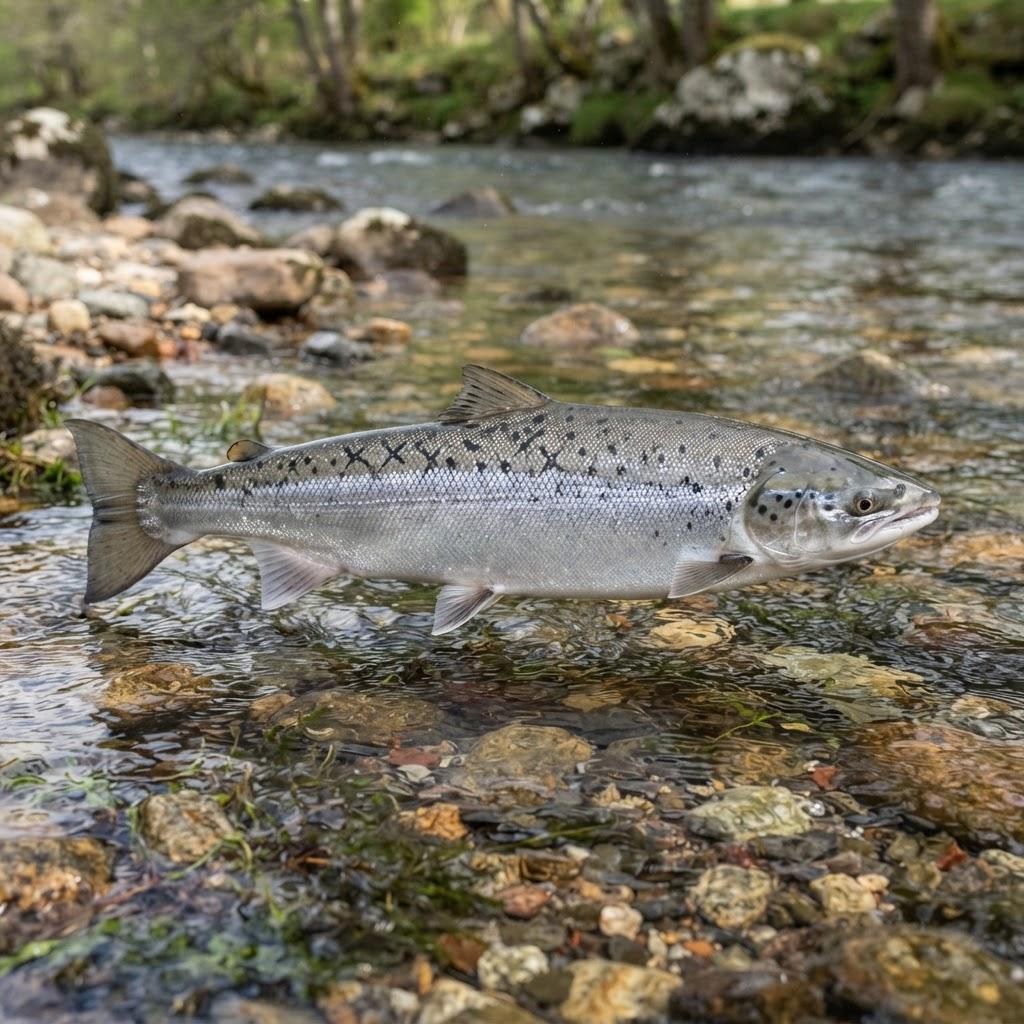
The Coho Salmon, also known as the 'silver salmon,' is essentially the action star of the North Pacific. Think of it as that one friend who shows up in a tuxedo, performs a death-defying stunt, and then vanishes into the wilderness without a trace. With its sleek, metallic body that shimmers like a freshly polished bumper, the Coho is built for pure, unadulterated speed. While other fish are content to loiter around coral reefs looking for a snack, the Coho is living on a strict deadline. It starts its life in a freshwater stream, gets bored, heads out to the vast, salty Pacific to bulk up, and eventually returns to its birthplace with the relentless focus of a teenager trying to get back home before curfew. Its vibe is pure, high-octane persistence, and it possesses a natural swagger that says it has seen the high seas and lived to tell the tale. You won't find this fish lounging; it is constantly cruising, hunting, and looking for the next current to catch.
Weird Biological Superpowers Explained Simply
If you think your phone has a good GPS, prepare to be humbled by the Coho Salmon. These fish possess a biological superpower known as olfaction-based homing, which is a fancy way of saying they can literally smell their way home from thousands of miles away in the ocean. Imagine being dropped in the middle of a massive, featureless desert and being told to find your childhood bedroom by scent alone; that is essentially what a Coho does. As they grow up in freshwater, they imprint on the specific chemical signature of their home stream—a unique cocktail of minerals, plants, and dirt molecules. When they return from the ocean, they detect this 'scent' in the water and follow it like a bloodhound on a trail. It is like having a microscopic lab in your nose that can distinguish between a drop of water from the Columbia River and one from a tiny creek in Alaska. It is chemistry in action, turning the entire ocean into a navigable map.
Absurd Self-Defense Mechanisms
The Coho Salmon isn't packing poison darts or an electric shock generator, but it has perfected the art of the 'I'm not even here' strategy. When predators like seals or orcas are lurking, the Coho uses its camouflage-on-demand skin. In the bright, sun-drenched surface waters, its silvery sides act like a mirror, reflecting the light and making it nearly invisible to anything looking up from below or down from above. It is basically the aquatic equivalent of an invisibility cloak. Furthermore, these fish are incredibly fast; they have the power to jump completely out of the water to evade a strike, turning a life-or-death situation into an Olympic-level hurdle event. If a predator manages to get too close, the Coho can whip its tail with enough force to generate a burst of speed that leaves the attacker looking at a cloud of bubbles. It is less about fighting and more about being the fastest, most reflective thing in the vicinity.
Fish Drama and Gossip
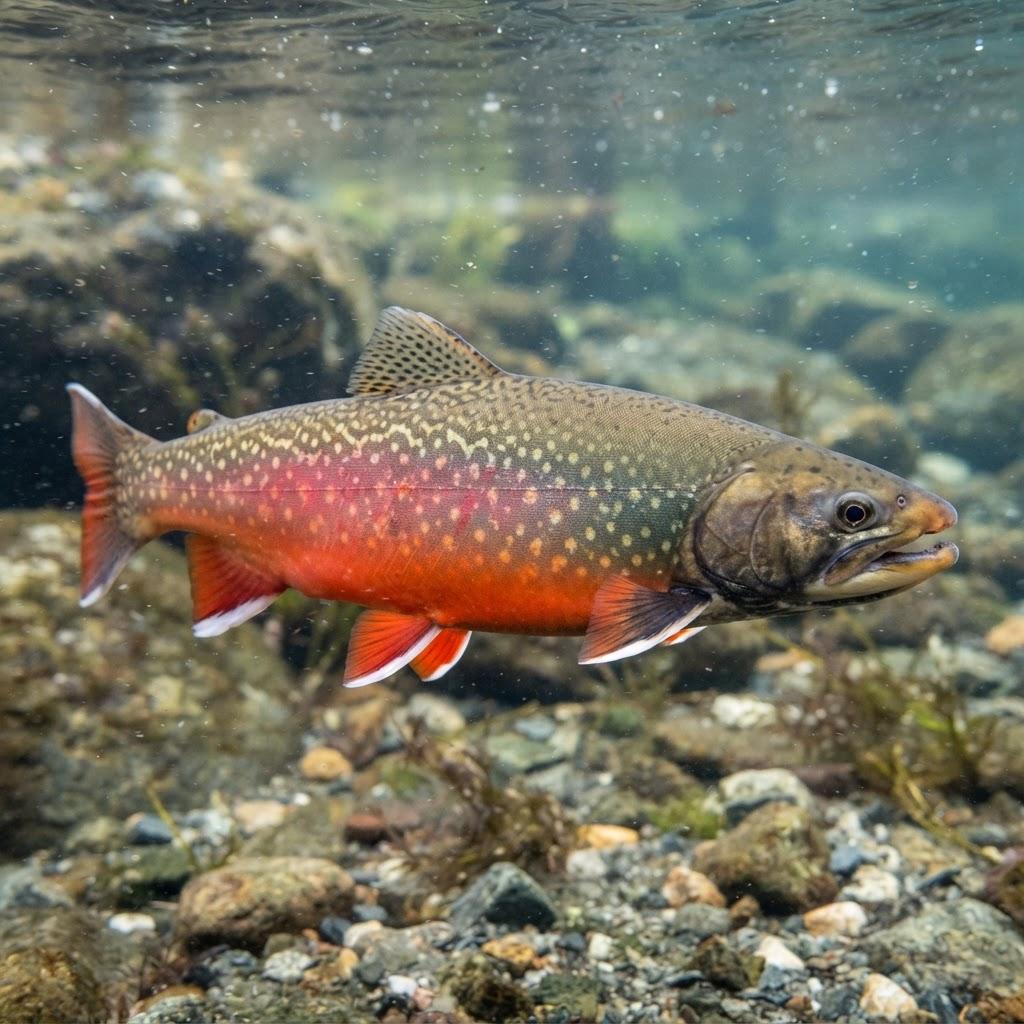
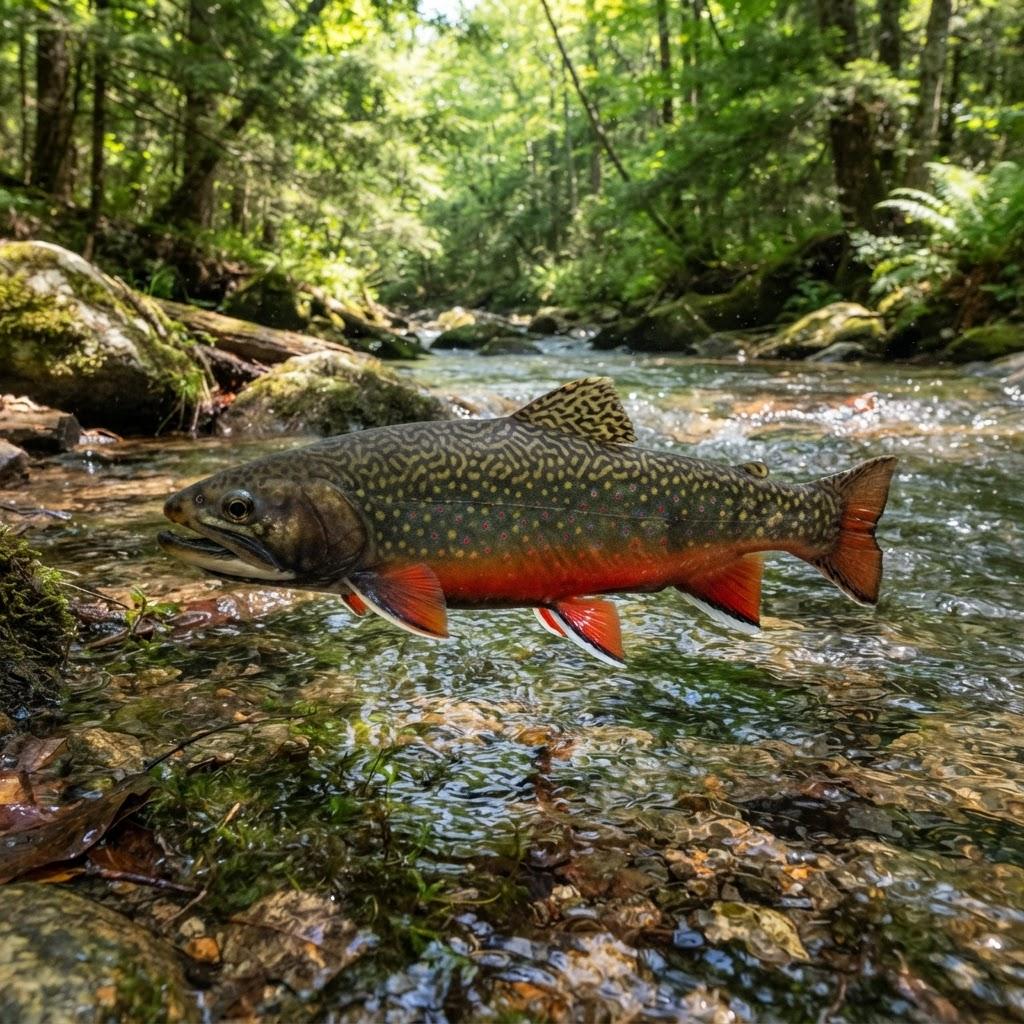
If the underwater world had a reality TV show, the Coho Salmon's spawning season would be the season finale everyone tunes in for. Once these fish return to their home streams, the mood shifts from 'vacation mode' to 'intense competitive sports.' The males, in particular, undergo a radical transformation, developing hooked jaws called 'kypes' and turning a brilliant, angry shade of red. It is the fish version of wearing a varsity jacket and looking for a scrap. Males start engaging in elaborate displays of dominance, swimming alongside rivals, displaying their size, and occasionally bumping heads to establish who gets the best spot in the river. It is a high-stakes, soap-opera-level competition where the prize is nothing less than the future of their entire lineage. Females stay focused on the task at hand, occasionally showing the males who is really in charge by choosing where to build their nests, ignoring the posturing and focusing on the real work.
The "Wait, That's Real?!" Deep-Sea Oddities
While the Coho Salmon prefers the sunlit, oxygen-rich waters of the coastal zones rather than the creepy, pitch-black abyss of the deep sea, it is worth noting just how different things are down there. If a Coho wandered into the deep sea, it would be the equivalent of a tourist entering an alien planet. Down in the twilight zone, fish are busy evolving transparent heads and neon light displays to lure in prey, which makes the Coho's 'silver and red' strategy look positively conservative. Deep-sea creatures have to deal with crushing pressure and almost zero food, which is why they look so bizarre, while the Coho has the luxury of chasing baitfish in the open water. The deep sea is a place of bioluminescent magic and shadows, whereas the world of the Coho is about raw strength and the endurance to survive the changing tides of life. It’s like comparing a high-tech submarine to a sleek, long-distance racing yacht; both have their place, but they occupy entirely different universes.
Myth Busting
For years, people believed that salmon were 'mindless zombies' that simply floated back to their birth rivers to die, driven by some sort of automatic, unthinking instinct. This is a massive myth. Modern science has shown that Coho Salmon are incredibly observant and capable of making complex decisions based on water temperature, predator presence, and flow patterns. They are not mindless; they are calculated. Another myth is that they lose all their senses once they enter fresh water to spawn. In reality, their senses are actually heightened to help them navigate tight, shallow streams where a single mistake could be fatal. They aren't 'giving up'; they are executing a final, high-effort mission. There is no 'zombie' mode here; these fish are hyper-aware, hyper-responsive, and doing exactly what they have evolved to do with total clarity. They aren't mindless machines; they are the ultimate navigators of their environment, demonstrating intelligence that rivals many land mammals.
Humorous Historical Tales or Folklore
Indigenous cultures along the Pacific coast have viewed the Coho Salmon with immense respect for thousands of years, often telling stories of the 'Salmon People' who lived in houses beneath the ocean and shed their fish skins to walk on land. One legend suggests that the Coho was once a chief who showed humans how to respect the river, and that if humans didn't keep the water clean, the fish would simply stop coming back. It’s a beautiful, anthropomorphic way of saying, 'Hey, if you trash the place, the party ends.' Historically, this belief acted as a perfect, built-in conservation policy, as it discouraged overfishing and pollution through the threat of bad karma. It wasn't just a fish to the people of the Pacific Northwest; it was a cultural pillar. The stories serve as a reminder that the salmon’s journey was never just a biological event, but a spiritual heartbeat that kept the entire ecosystem alive and well.
Underwater Love Stories and Bizarre Romances
The courtship ritual of the Coho Salmon is less about romantic dinners and more about a gritty, high-pressure endurance contest. When a male and female pair up, they don't exactly go on a date. Instead, they engage in a ritual of synchronized swimming and nest-site preparation that could last for days. The male spends his energy acting like a bodyguard, chasing off other smaller males who are hovering on the periphery hoping to sneak in a fertilization attempt. It is the ultimate display of commitment. Once they reach the ideal gravel bed, the female begins the hard work, and the male stays close to ensure he is the one who gets the 'honors' when the eggs are laid. It is a dramatic, fast-paced romance where the bond is forged through mutual labor and shared survival. They don't have time for grand gestures, just the hard, honest work of ensuring the next generation survives.
Underwater Architecture and DIY Nesting
The Coho Salmon is secretly one of nature’s best engineers. When it is time to lay eggs, the female doesn't just drop them anywhere; she performs a complex excavation project known as creating a 'redd.' She turns on her side and uses her powerful tail to fan the gravel, clearing out the sand and silt to create a perfect, oxygen-rich depression in the riverbed. This is a major DIY construction project that requires immense physical effort. The gravel she chooses must be exactly the right size—too big and she can’t move it, too small and it won’t provide enough protection. Once the eggs are nestled safely in this gravel fortress, she carefully covers them back up with more rocks. It is a protective, custom-built bunker designed to keep the eggs hidden from predators and well-supplied with fresh, flowing water. She essentially builds a high-tech nursery from scratch using nothing but her own body.
The Chaos of Raising Tiny Swimmers
Raising children as a Coho Salmon is a high-stakes gamble where the odds are stacked against you from the start. Once the eggs are safely tucked into the gravel, the parents have essentially fulfilled their duty. There is no 'parental guidance' in the way mammals do it; they leave the eggs to fend for themselves in the dark, flowing water. When the tiny, yolk-sac-toting 'alevin' hatch, they stay buried in the gravel for weeks, living off their own internal lunchboxes. Eventually, they emerge as 'fry' and start their own chaotic, fast-paced life. It is a numbers game; they lay thousands of eggs in the hopes that a few will make it through the gauntlet of birds, larger fish, and changing water conditions. It is a brutal, frantic beginning, but those that survive are the toughest, fastest little swimmers in the river. They are born into a wild world, and they hit the ground—or water—running at full speed.
How to Spot One & How It Is Doing
If you want to spot a Coho Salmon, you need to head to the Pacific Northwest during the fall, when they return to the rivers. Look for the distinct, slightly curved snout and the bright red sides of the males; they really stand out against the murky river water. If you see something leaping over a waterfall or darting through a shallow stream with purpose, that’s your guy. As for their conservation status, they are currently listed as Near Threatened, which is a nice way of saying we need to keep an eye on them. Their biggest hurdle is habitat loss—dams, pollution, and the warming of streams make their journey harder than it needs to be. But the good news is that they are resilient. You can help by supporting local river restoration projects, reducing chemical runoff in your own yard, or just learning more about these silver-clad marathon runners. They have been doing this for thousands of years; let’s make sure they can keep running.