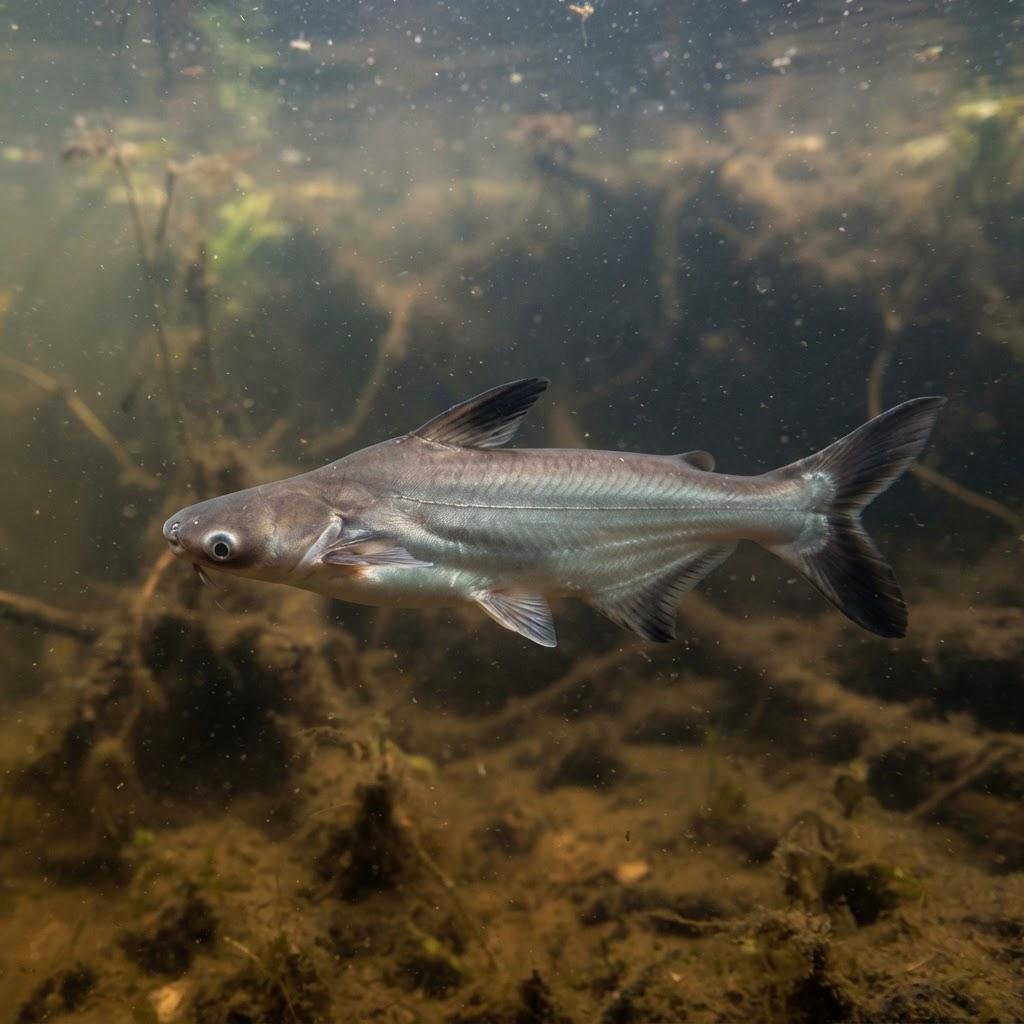
Pangasianodon hypophthalmus
Pangasius (Swai)
Meet the Swai, a bottom-dwelling river giant with a face only a mother could love and a personality that ranges from shy wallflower to hungry vacuum cleaner. Dive into the life of this whiskered wonder that dominates the murky depths of Southeast Asia.
Meet the Fish
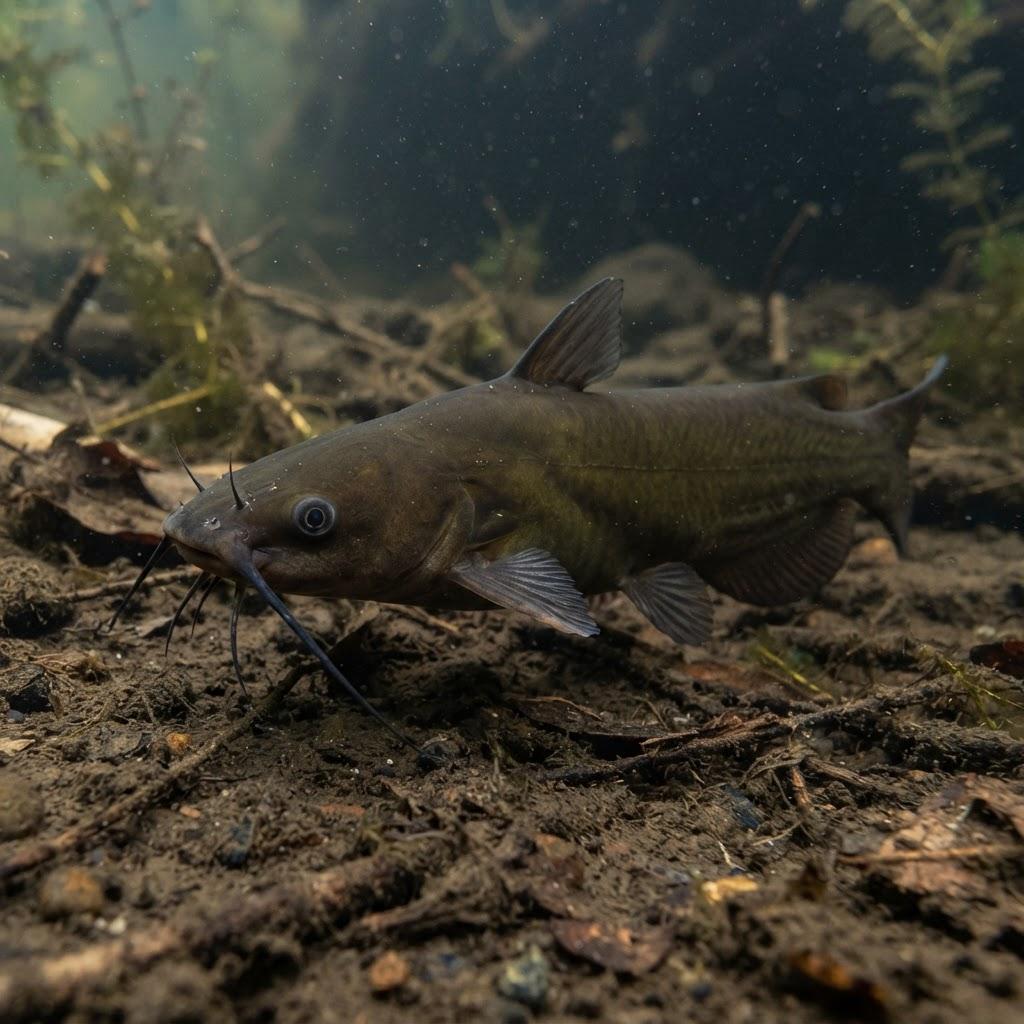
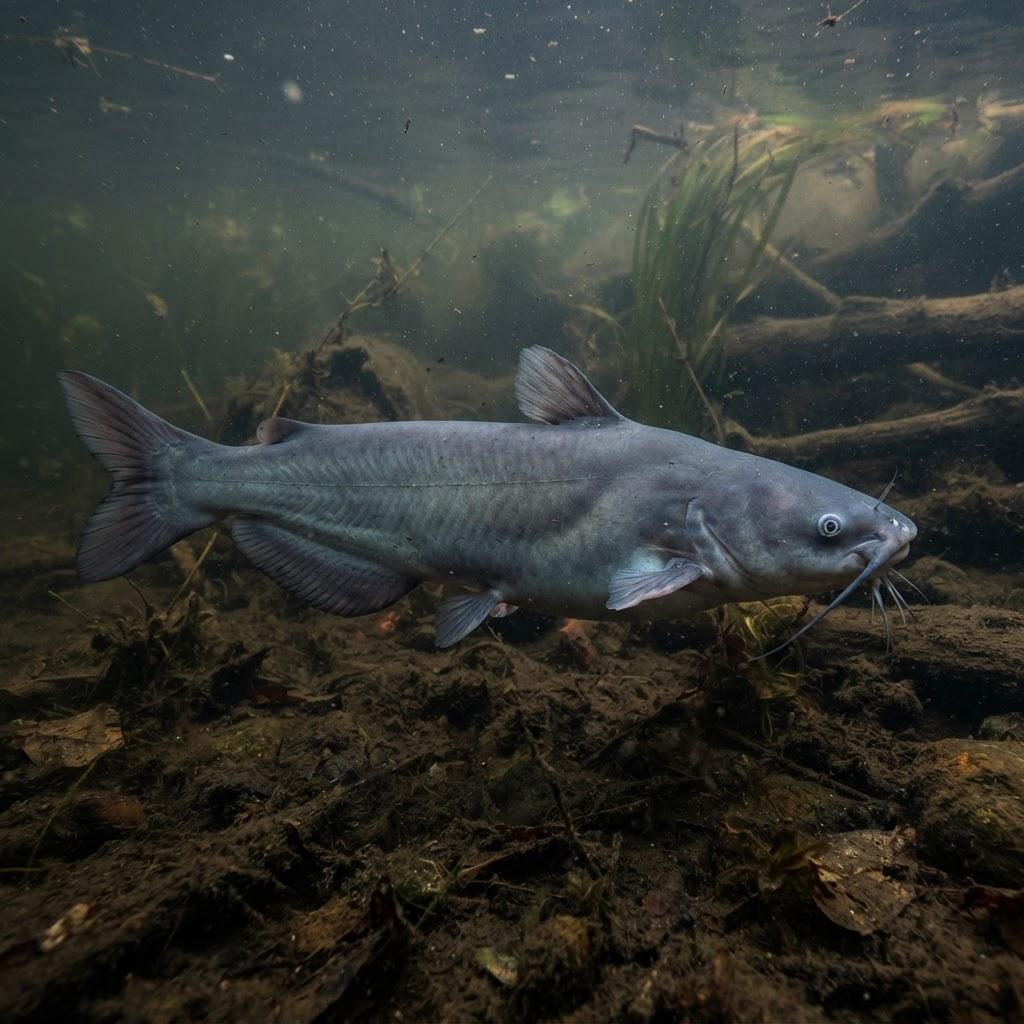
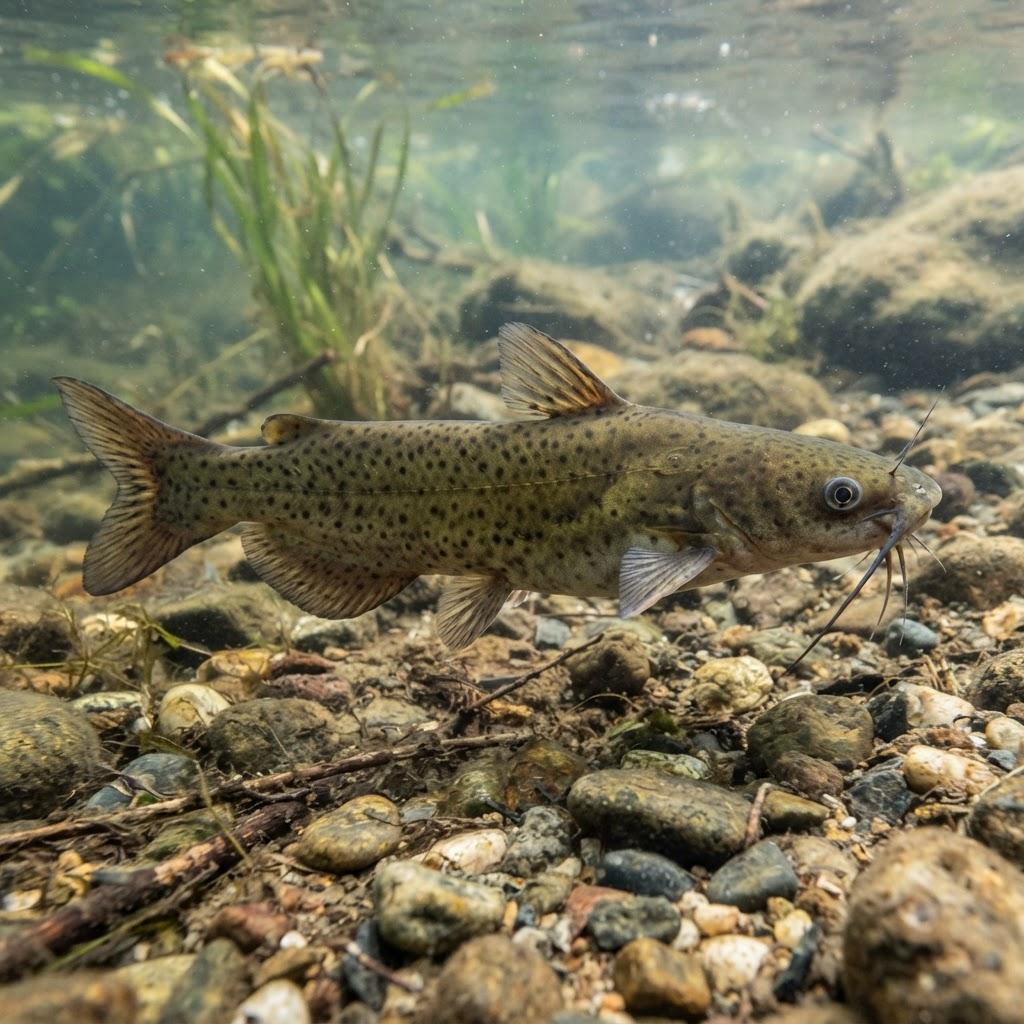
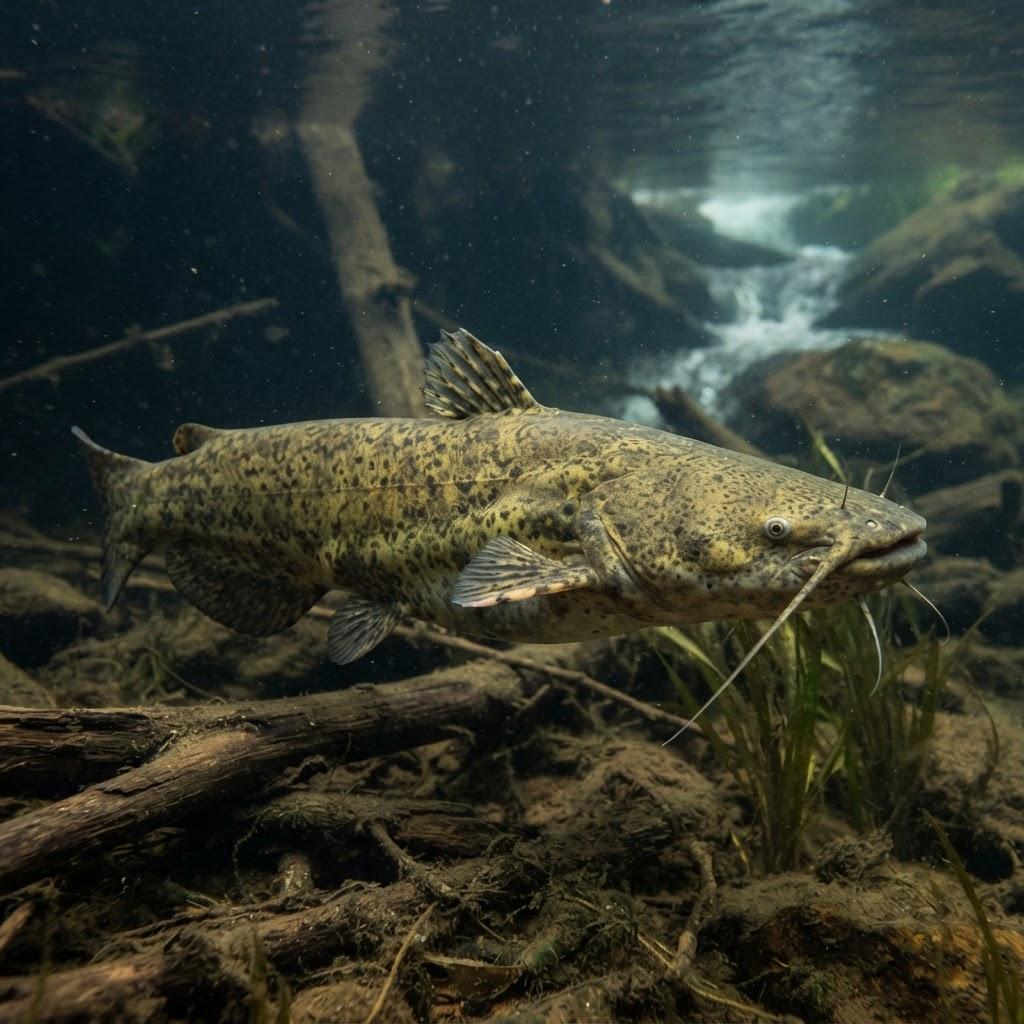
Picture a fish that looks like it just woke up from a century-long nap, forgot where it put its glasses, and decided to embrace a life of constant, aimless snacking. That is the Swai, or the Iridescent Shark, though calling it a shark is like calling a tricycle a Ferrari. It is actually a giant, whiskered catfish that lives in the brown, sediment-rich soup of Southeast Asia’s biggest rivers. It has a sleek, torpedo-shaped body that suggests it should be a graceful athlete, but its goofy, downturned mouth gives it the perpetual expression of a grumpy landlord. They are the social butterflies of the riverbed, often seen cruising in schools with a sort of unbothered, zen-like confidence. While they lack the sleek, dangerous allure of a Great White, they make up for it with a sheer, inexplicable charm that makes you wonder if they are plotting something or simply trying to remember if they left the stove on. They possess a kind of rugged, mud-caked aesthetic that says, I do not care about fashion, I only care about the next piece of organic debris floating my way. Their scales possess a subtle, oily sheen that catches the light in just the right way, making them the unexpected divas of the river floor, swaying through the currents like underwater hipsters.
Weird Biological Superpowers Explained Simply
The Swai is a master of the sensory arts, living in waters so thick with silt that using eyes is often like trying to read a billboard during a blizzard. To solve this, they have evolved a built-in GPS and radar system that would make a fighter pilot jealous. Their bodies are covered in specialized nerve endings that act like microscopic microphones, detecting every tiny vibration and pressure change in the water. Imagine being able to hear a pin drop in a crowded football stadium; that is the Swai sensing a tiny insect wiggle three meters away. But wait, it gets better. They also utilize something called chemoreception, which is essentially having an entire tongue for a body. Every pore on their skin is sniffing the water for chemical signatures, allowing them to taste their environment and locate dinner without ever needing to look. It is the ultimate hack for living in a brown, murky river. When the water gets low on oxygen, they do not panic; they simply head to the surface and gulp down a mouthful of air, utilizing a specialized gas bladder that acts as an emergency snorkel. It is not just breathing; it is survival technology perfected over millions of years of river evolution.
Absurd Self-Defense Mechanisms
If you are a fish in the Mekong, you are constantly on the menu for someone bigger, faster, or meaner. The Swai, realizing it lacks the armor of a tank or the speed of a rocket, has opted for a different strategy: the art of the slippery escape and the dangerous 'do-not-touch-me' spikes. While they do not have the toxic slime of a hagfish, they possess something nearly as annoying for any predator trying to swallow them: sharp, locking spines located on their pectoral and dorsal fins. If a larger predator makes the mistake of opening its mouth, the Swai can flare these bony needles out, effectively turning itself into a spiky, metallic star that is physically impossible to swallow. It is the aquatic equivalent of trying to eat a closed umbrella. Furthermore, their skin is coated in a thick, mucus-rich layer that makes them notoriously difficult to grab. They are basically the greased pigs of the river, slipping through the jaws of would-be attackers with a flick of their powerful tails. It is a simple, effective, and profoundly aggravating defense system for anyone hoping for a quick, hassle-free meal. They are not fighting; they are just making sure the experience of eating them is an absolute administrative nightmare for the predator.
Fish Drama and Gossip
Life in a Swai school is basically a never-ending soap opera. Because they live in such crowded, dark, and murky conditions, you might think they would be antisocial, but these fish are surprisingly group-oriented. However, there is always that one fish who pushes its way to the front of the feeding line, or the one that constantly bumps into others to assert dominance during a nutrient-rich current sweep. It is high school, but everyone has whiskers and no one graduates. Dominance in a Swai school is not about flashy colors or complex songs; it is about who can occupy the best position in the flow. The alpha Swai—the 'Big Kahuna' of the group—usually takes the spot where the water carries the most delicious, decomposing tidbits. The lower-ranking fish have to settle for the scraps, resulting in constant, low-stakes bickering. It is a world of gentle shoves, subtle territorial displays, and the occasional 'get off my lawn' flick of the tail. If you could record the underwater sounds, it would probably sound like a group of teenagers arguing over who gets to pick the music in the car on the way to the beach.
The "Wait, That's Real?!" Deep-Sea Oddities
While our friend the Swai is busy living its best life in the river mud, deep-sea dwellers are living in a sci-fi novel. Deep-sea fish have to deal with crushing pressure that would turn a submarine into a soda can, meaning their biology is built like a flexible, gelatinous fortress. Unlike the Swai, who uses its whiskers to feel the world, deep-sea cousins have developed 'lures'—glowing appendages that hang in front of their faces like a high-tech fishing rod to attract curious prey in the absolute darkness. The Swai, by comparison, lives in the 'twilight' of the river, where some light penetrates, making it an alien compared to those living in the void of the midnight zone. If a deep-sea barreleye fish—with its transparent, liquid-filled head and glowing green eyes—saw a Swai, it would probably think the Swai was the most boring, normal thing it had ever seen. The Swai is all about efficiency and muscle, whereas the deep-sea fish is all about weird, neon-glowing adaptations. It is the difference between a reliable, sturdy tractor and a disco-dancing spaceship. They are both fish, technically, but their survival strategies are lightyears apart.
Myth Busting
Let us clear the air: the idea that fish have a three-second memory is absolute bunk, and the Swai is a prime example. These fish are remarkably intelligent when it comes to navigating their complex river systems. They have internal maps of the riverbed that would make a cartographer weep with joy, remembering exactly where seasonal food sources appear and when the rains will trigger their migration. Another myth is that catfish are just 'trash eaters' that survive on nothing. In reality, the Swai is an opportunistic eater, sure, but it is highly selective about the nutrients it pursues. It is not just mindlessly slurping up muck; it is constantly evaluating the caloric intake of everything that passes its whiskers. People also often believe that because they are catfish, they must be bottom-feeders that never see the surface. The Swai frequently patrols the mid-water columns, and during spawning season, they are anything but bottom-bound. They are active, swimming dynamos that possess a keen sense of timing and environment. They are not the simple, dim-witted vacuum cleaners of the river that folklore suggests; they are calculated, smart survivors that know exactly where they are going and why.
Humorous Historical Tales or Folklore
In the cultures bordering the Mekong, the giant catfish—a close relative of our Swai—has been a legendary figure for centuries, often viewed as the guardian of the river’s spirit. There are ancient stories of 'river giants' that could swallow a canoe whole, though this is clearly a bit of a fisherman’s tall tale meant to keep kids from splashing too close to the edge. Folklore often painted these fish as mystical beings that could control the rainfall by their migration patterns. Imagine having that kind of pressure: every time you move to find a new lunch spot, the local villagers think you are deciding whether or not their crops will grow. There are historical records of monks blessing these fish during certain times of the year, treating them with a reverence reserved for royal guests. They were seen as sentient, wise creatures of the deep. It is a far cry from their modern reputation as a commercial food fish. In the eyes of the ancients, they were not just lunch; they were the underwater kings of the Mekong, deserving of respect, prayer, and perhaps a bit of distance while swimming in the river’s most mysterious, dark eddies.
Underwater Love Stories and Bizarre Romances
When love is in the air, or rather, in the water, the Swai turns into an entirely different creature. The mating ritual is not a romantic dinner; it is a high-stakes, high-energy event that involves a lot of chasing and dramatic splashing. They migrate long distances, fighting against powerful currents to reach their spawning grounds, which is the fish equivalent of running a marathon just to reach the altar. Once they find the perfect, quiet spot, the males stop their bickering and begin a 'dance' that involves circling the female and displaying their strongest, healthiest scales. It is basically the underwater version of a prom, but with more silt and significantly more tail-flicking. The female, looking for the most energetic and fit partner, judges the males based on their stamina and their ability to defend a small, clear patch of riverbed. It is a brutal, exhausting, and highly competitive dating scene. Once the pair is matched, the excitement doesn't stop; they must quickly release their eggs and sperm into the current before other hungry fish show up to turn their romance into an afternoon buffet. It is fast, furious, and deeply romantic in a 'we-did-it-before-the-piranhas-arrived' kind of way.
Underwater Architecture and DIY Nesting
If you thought only birds built nests, prepare to be humbled by the humble Swai. While they do not construct elaborate sand castles, they are meticulous about choosing the 'nursery' spot. They look for specific riverbed textures, often scouring away soft silt to reveal rocky, stable surfaces where their eggs can stick without being washed away by the relentless current. It is a DIY project of the highest importance. They act like interior designers, clearing out debris, removing predators, and ensuring the 'room' is perfectly ventilated by the water flow. If the spot isn't clean enough, they will keep searching, tirelessly nudging pebbles and clearing algae until the surface is perfect. They are essentially the real estate agents of the riverbed, vetting every property for safety, sunlight, and proximity to oxygen-rich water. This attention to detail ensures that their eggs remain hidden from the prying eyes of opportunistic scavengers that patrol the river floor. It is not architecture in the sense of building a palace, but it is expert-level site selection that demands hours of hard labor and a very discerning eye for detail.
The Chaos of Raising Tiny Swimmers
Once the eggs hatch, the real chaos begins. Raising a batch of baby Swai is like trying to babysit a thousand energetic toddlers in a room filled with marbles. There is no 'parenting' in the traditional sense; the parents do not stick around to read bedtime stories. Instead, the fry emerge as tiny, semi-transparent specks that immediately start swimming for their lives. The water is full of predators, so their only survival strategy is to grow fast and stick together. They form a 'cloud' of tiny, synchronized swimmers, reacting to danger with a group hive-mind that helps them avoid being eaten. It is a high-stakes game of hide-and-seek where the consequence of losing is being turned into a snack. The parents invest all their energy into providing the right location and the right timing, and then it is up to the fry to fend for themselves. This 'sink or swim' philosophy might seem harsh to humans, but in the fast-moving, dangerous rivers of the Mekong, it is the only way to ensure at least some of the offspring make it to adulthood. They are born into a world of constant motion, learning to navigate the currents and dodge threats from the very first second of their existence.
How to Spot One & How It Is Doing
If you want to catch a glimpse of this whiskered wanderer, you will need to head to the great rivers of Southeast Asia and bring your patience, as well as a snorkel mask. Look for the murky, flowing areas where the river widens, and keep an eye out for that distinctive, iridescent, silver-to-grey shimmer just beneath the surface. They are not shy, but they are masters of blending into the sediment-heavy water. Sadly, the Swai is facing a tough time. Due to overfishing, habitat loss, and dam construction that disrupts their natural migration routes, their populations are declining, and they are now classified as Endangered. It is a sobering reality for such a resilient fish. However, you can help by being a conscious consumer. When you see Swai on a menu, check for sustainable certification, which ensures the fish was raised in conditions that do not further harm the wild populations. By choosing products that support responsible aquaculture, we can ensure that these whiskered river spirits continue to thrive in their natural homes. Every small choice helps preserve the wild river systems they call home, and that is a pretty great way to be a hero for a fish that is, frankly, too cool to disappear.