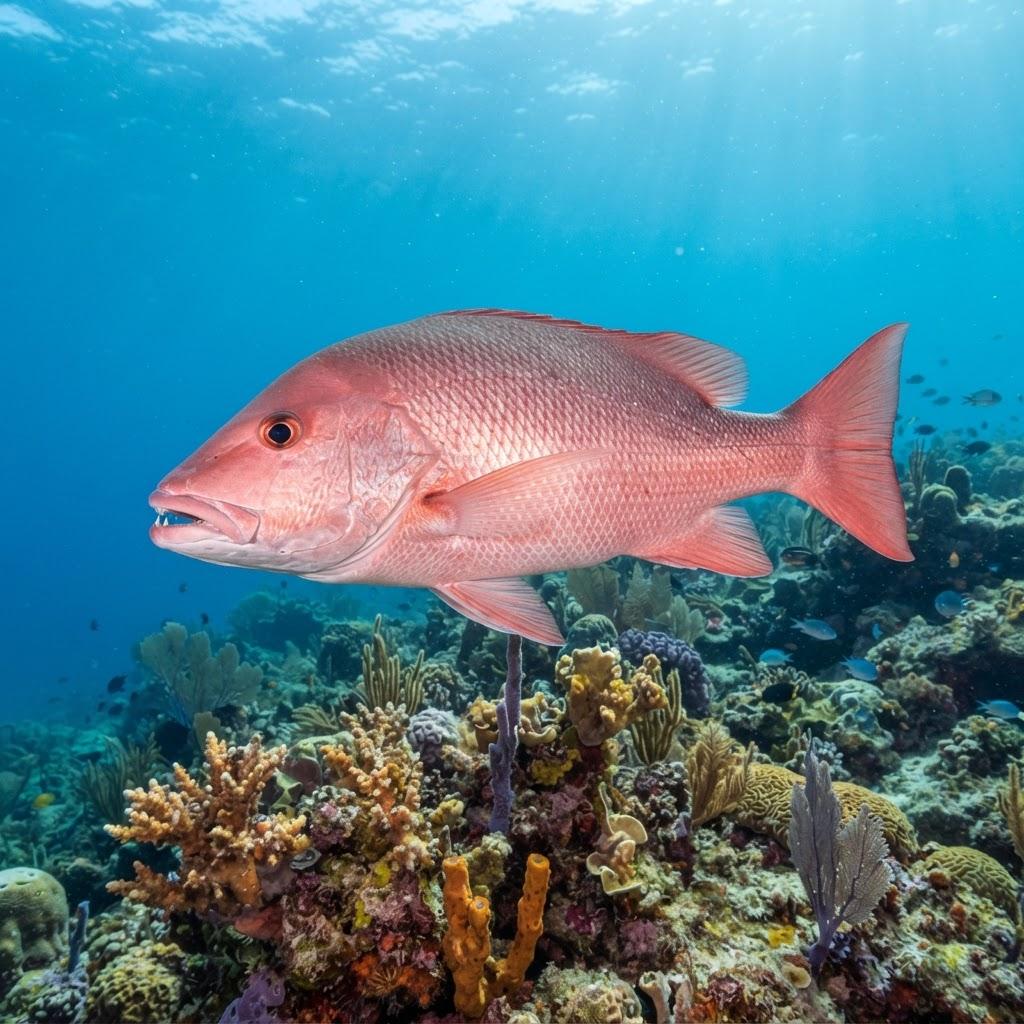
Lutjanus campechanus
Snapper (Red)
Meet the Red Snapper, the ocean's most glamorous celebrity with a taste for luxury real estate and a sharp attitude to match. This feisty fish is the undisputed heavyweight champion of your dinner plate and the reef's biggest personality.
Meet the Fish
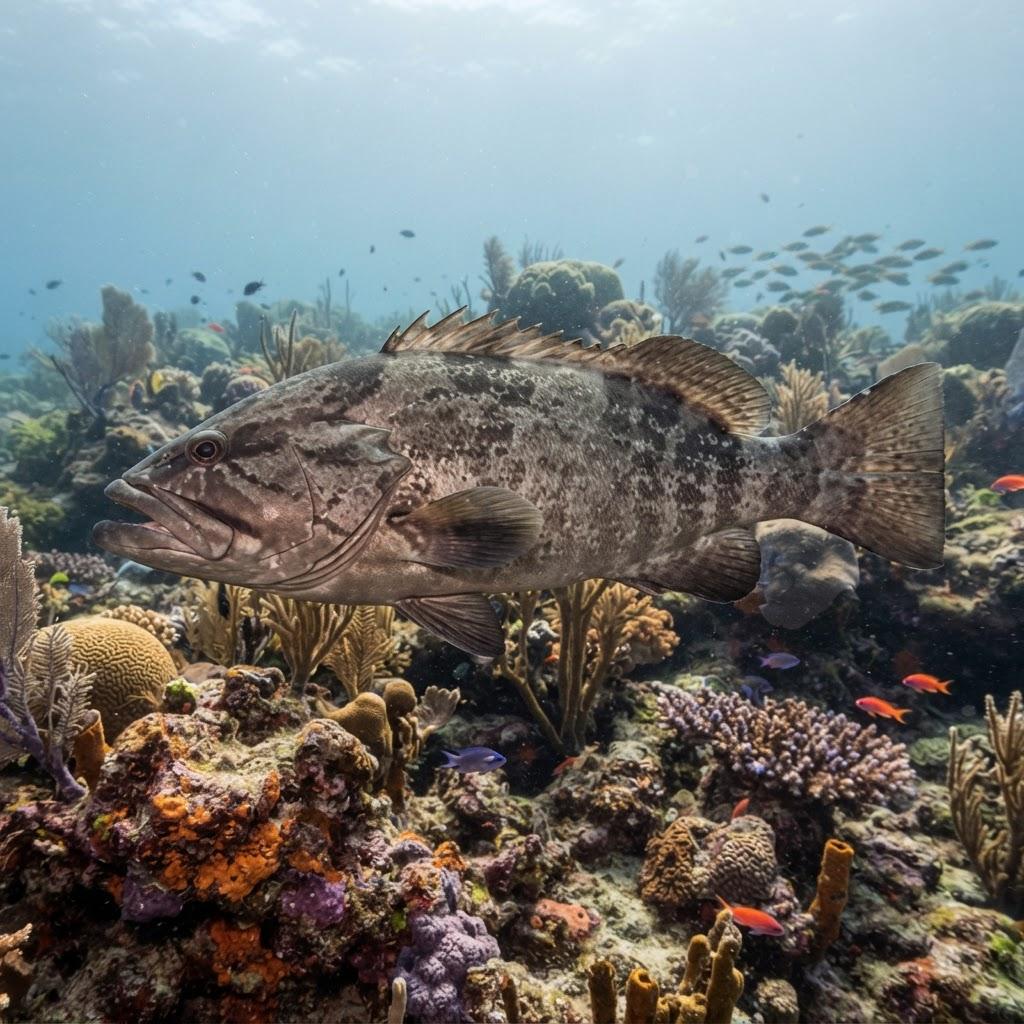
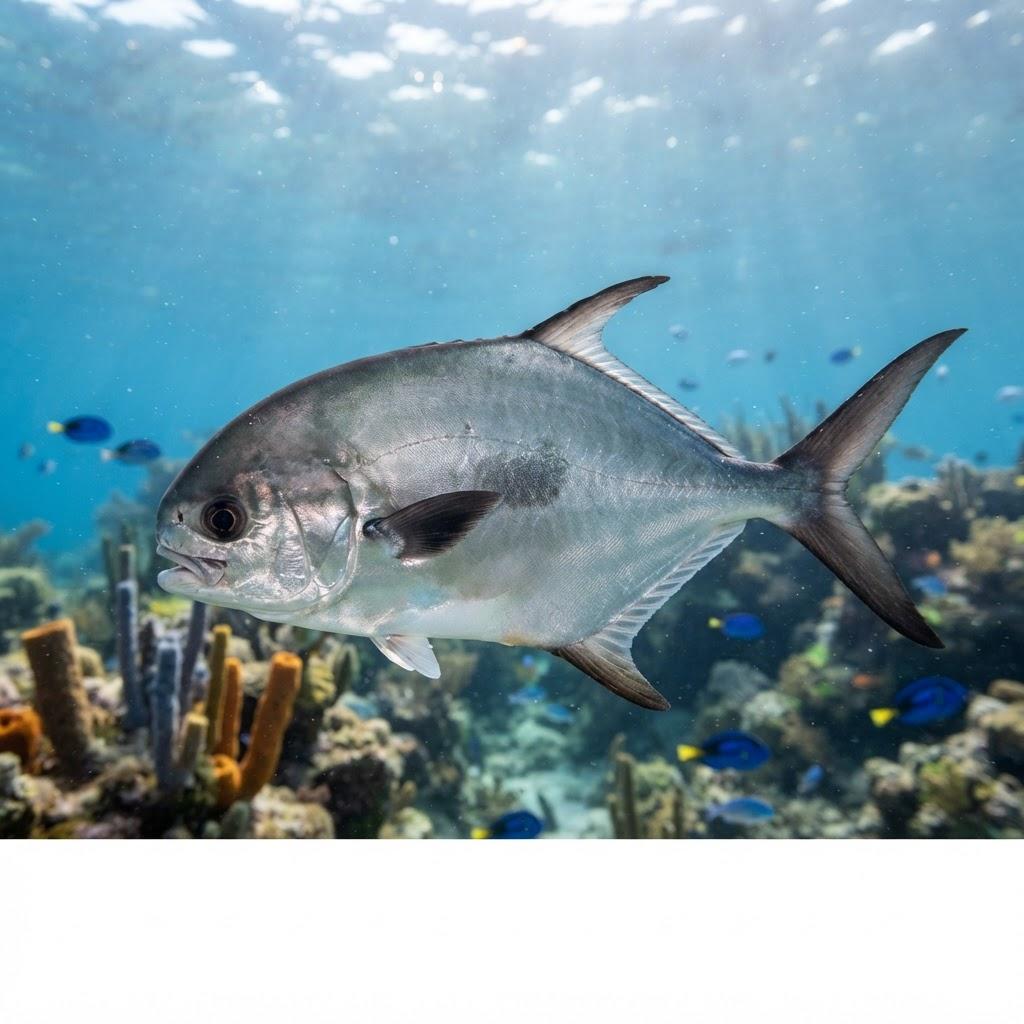
Picture the Red Snapper as the high-society socialite of the Gulf of Mexico. It is bright, it is bold, and it definitely knows how to make an entrance. Sporting a stunning, metallic-rose-red suit that wouldn't look out of place at a gala, this fish has a look that screams, I am the main character. It has a slightly pouty mouth and eyes that seem to be constantly judging your fishing technique. While some fish are content blending into the boring gray rocks of the seafloor, the Red Snapper demands attention. It is the kind of fish that walks into a coral reef and immediately starts asking who is in charge. With its sturdy, streamlined body built for speed and agility, this creature is not just a pretty face; it is a predator with a serious work ethic. If the ocean were a high school, the Red Snapper would be the star athlete who also happens to be on the student council and somehow finds time to run the chess club. It is constantly on the move, patrolling its territory with a level of confidence that is honestly kind of inspiring. Whether it is lurking near a submerged shipwreck or stalking around a deep-sea ridge, the Red Snapper has a presence that is impossible to ignore. It is not shy, it is not subtle, and it certainly does not care if you find its bright red scales a bit garish. In a world of camouflaged bottom-dwellers, being the vibrant, loud, and confident snapper is a bold life choice that has clearly paid off.
Weird Biological Superpowers Explained Simply
If you think the Red Snapper is just another pretty face, think again. This fish has a biological superpower that makes it the king of pressure management. Living deep down, where the water weighs as much as a small car sitting on your head, requires a serious anatomical hack. Enter the swim bladder, which is essentially a high-tech internal scuba tank. The Red Snapper uses this gas-filled organ to adjust its buoyancy so it can hover perfectly still like a tiny, underwater helicopter. But here is where it gets crazy: when the snapper needs to move up or down, it has to constantly manage the gas in that bladder. If it ascends too fast, the air expands—think of a balloon inside your chest trying to inflate—which is why you never see these fish doing a rapid, uncontrolled ascent to the surface. Their internal regulation systems are incredibly sensitive to depth changes. They are essentially master mathematicians of pressure, calculating exactly how much gas to move around their system to maintain their position without wasting energy. It is like having an automated cruise control system built into your ribcage. They can pivot, dive, and hover with a precision that would make a fighter pilot jealous, all while dealing with the intense, bone-crushing weight of the ocean above them. It is a masterclass in living under extreme conditions without ever breaking a sweat.
Absurd Self-Defense Mechanisms
Red Snappers do not carry swords or wear armor, but they have something arguably better: a sheer, unadulterated talent for disappearing into the shadows. When trouble arises, they don't necessarily need to puff up or slime the place like some other bottom-tier fish might. Instead, they rely on a high-speed sprint into the nearest wreck or rocky cavern. They are the ultimate escape artists. If you try to catch them, they head straight for the nastiest, sharpest, most tangled debris on the seafloor. They know exactly how to use the environment to their advantage. A Red Snapper understands that a jagged piece of rusted metal is far more intimidating to a predator—or a fisherman—than any spike or slime could ever be. They are tactical geniuses who treat the ocean floor like a giant, complex obstacle course designed specifically to lose anyone chasing them. Their reaction time is legendary; they can go from sitting perfectly still to a full-speed dash in a fraction of a second. It is like watching someone drop a glass of water and catching it before it hits the floor, every single time. They don't need to be fancy with defense mechanisms when they have the raw athleticism to outmaneuver their enemies and the intelligence to use a sunken ship as their own personal gated community.
Fish Drama and Gossip
Welcome to the real-life underwater soap opera of the snapper world. If you were a fly on the wall of a deep-sea reef, you would see that these fish have a social hierarchy that would make a reality TV producer drool. The bigger the fish, the more attitude it brings to the party. The largest individuals, often referred to as the 'boss' snappers, definitely act like they own the place. They claim the best spots near the structure, chasing away the smaller, younger fish who are just trying to mind their own business. It is classic high school popularity politics, but with more fins. There is a constant, subtle jostling for space and respect. When a new potential hangout spot appears—like a newly sunken boat or a fresh coral growth—it is like the latest club opening in town. You will see a flurry of activity as the older, more established snappers swoop in to stake their claim. It is all posturing, tail-flicking, and aggressive posturing that says, 'I saw this spot first.' Despite the drama, they are surprisingly communal when the food arrives. It is a weird mix of cutthroat competition and 'let's all eat at the same buffet' cooperation. They are not mindless machines; they are social creatures with a complex understanding of who is who and where they fit in the food chain.
The "Wait, That's Real?!" Deep-Sea Oddities
While our friend the Red Snapper doesn't live in the darkest, scariest depths where things glow in the dark, it certainly has friends and relatives who do. The deep sea is a place where biological rules go to die. Down in the twilight zone, fish don't just have eyes; they have tubular, upward-facing telescopes meant to catch the tiniest sliver of light coming from above. Imagine having eyes that look like green, glowing lightbulbs stuck on top of a transparent head—that is just a Tuesday for some deep-sea oddities. The Red Snapper, by comparison, looks like a normal, well-adjusted citizen of the sea. But make no mistake, the snappers that live at the edge of the deep are watching the weirdos move by. They see the bioluminescent flashes from creatures that use light to trick prey, and they see the bizarre, jelly-like fish that barely have enough energy to flap a fin. Living at the depth that a snapper does—around 30 to 200 meters—is the perfect 'Goldilocks' zone. It is deep enough to see some of the weirdest stuff on the planet, but shallow enough to keep their own identity. They are the transition point between the surface world we know and the alien landscape of the abyss, making them the ultimate observers of the ocean's most bizarre, light-show-throwing inhabitants.
Myth Busting
Let’s clear the air on some nonsense you might have heard about these vibrant red swimmers. A common myth is that Red Snappers are all roughly the same age and size if you catch them, suggesting they stop growing or live short lives. Actually, these fish are basically the tortoises of the reef. They can live to be 50 years old! Some of the 'giants' you hear about are practically the grandparents of the reef, having survived for decades. Another myth is that they are mindless wanderers. False. They are incredibly site-loyal. They don't just roam the entire ocean; they have a home address, a local grocery store, and a favorite hangout spot. They recognize their territory with the kind of focus that would put a GPS system to shame. People also tend to think that all fish are basically goldfishes with three-second memories. That is insulting to the snapper. They are clever, observant, and capable of learning which environments are safe and which ones have those pesky, baited hooks hanging around. They are smart, long-lived, and incredibly attached to their local neighborhoods, making them way more complex than the average 'fish brain' reputation suggests.
Humorous Historical Tales or Folklore
Humans and Red Snappers have a long, complicated history that involves way more superstition than you would expect. For centuries, fishermen have treated the catch with a weird mix of reverence and obsession. In some older coastal traditions, the red color of the snapper was thought to be a sign of good luck, and a boat that caught one was guaranteed to have a 'red-letter' day. There is even a weird bit of maritime folklore suggesting that if you talk to the snapper before tossing it back, it will tell all its friends to steer clear of your hooks. Does it work? Probably not, but it says a lot about how much people respect this fish. Historically, the snapper was a massive economic driver, leading to 'snapper wars' where fleets would fight over prime spots in the Gulf. It wasn't quite the 'Pirates of the Caribbean,' but it was definitely high-stakes drama. People have written songs about them, named bars after them, and treated the snapper as the unofficial king of the Southern coastal kitchen. It is not just food; it is a cultural icon that has influenced everything from local recipes to the way people view the ocean's bounty, proving that a fish can truly become a legend in its own right.
Underwater Love Stories and Bizarre Romances
When it comes to romance, the Red Snapper doesn't do quiet dinners or long walks on the beach. Their courtship is more of a massive, crowded, chaotic rave. Snappers are what scientists call 'broadcast spawners.' Instead of building nests or dancing for a single partner, they get together in huge, energetic groups—a literal fish party—and release their eggs and sperm into the water column simultaneously. It is the ultimate numbers game. Imagine thousands of red fish swirling together, turning the water into a shimmering, rose-colored cyclone of activity. It is not romantic in the way we think, but it is incredibly dramatic in its own chaotic, biological way. The timing has to be perfect—too early and the currents wash the eggs away, too late and the predators eat the party. They rely on the moon cycles and water temperature to signal when it is time to get together. There is no jealousy, no long-term commitment, and definitely no awkward goodbyes. It is just one big, high-energy biological event meant to ensure that the next generation of snappers has a fighting chance in the big blue. It is a spectacle of nature that happens largely in secret, hidden beneath the waves, far away from any human eyes.
Underwater Architecture and DIY Nesting
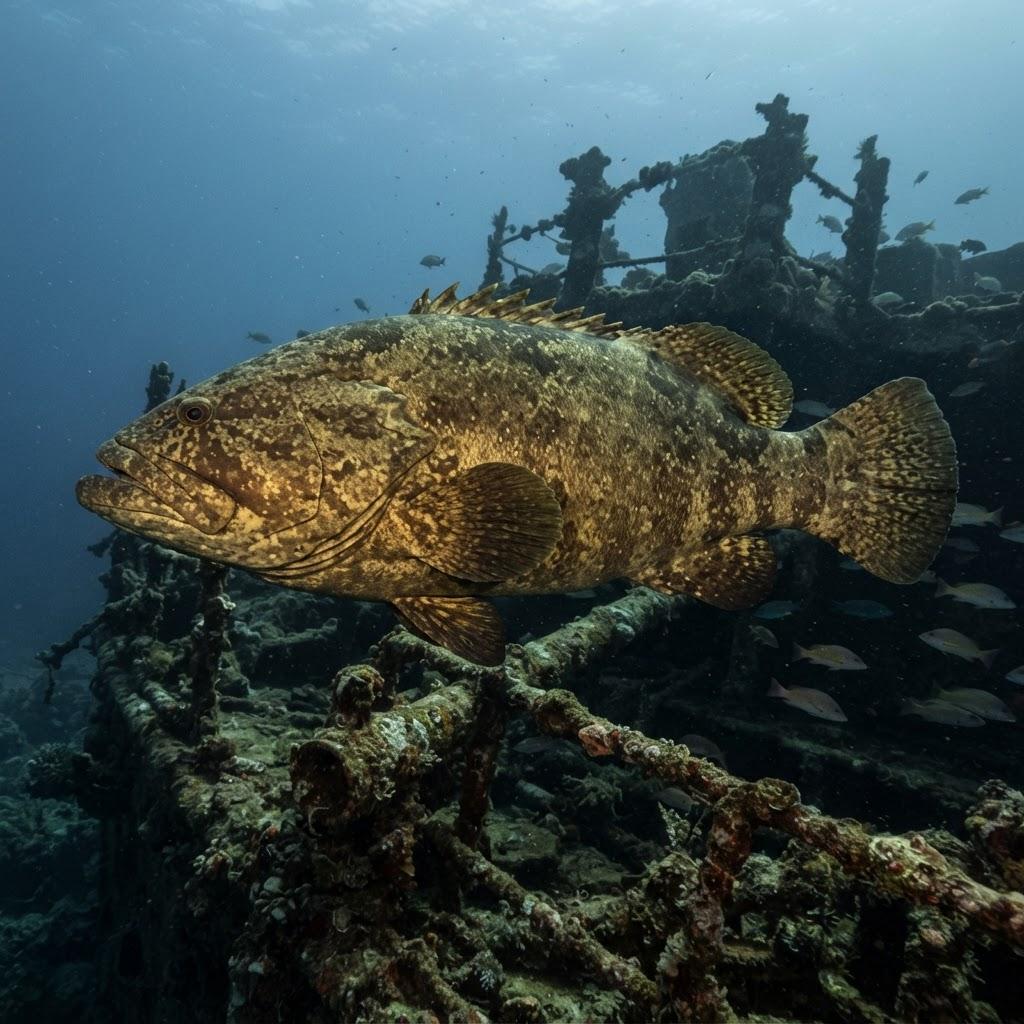
While some fish are out there building complex, geometric sand castles like a bunch of tiny, wet engineers, the Red Snapper takes a more 'minimalist' approach. They aren't the ones out there stacking rocks to make a fortress. Instead, they are the ultimate real estate investors. They seek out existing high-end properties—sunken ships, abandoned oil rigs, and craggy, deep-water reefs—and claim them as their own. They are the flippers of the sea. They don't want to build a house; they want to find an existing mansion and make it their own. These artificial structures are like luxury apartments to a snapper, providing safety, shade, and a perfect vantage point to watch the world go by. By moving into these man-made structures, they have essentially built a new habitat for themselves, demonstrating a clever ability to adapt to a changing environment. They don't need a tool kit when they have the ocean floor to work with. They are the squatters with style, turning a piece of human garbage—a sunken barge or a discarded tire—into the most fashionable living space on the reef. It is a testament to their resourcefulness that they can look at a wreck and see a home, effectively redesigning their own habitat without ever lifting a hammer.
The Chaos of Raising Tiny Swimmers
If you thought having teenagers was hard, try raising millions of tiny, transparent fish at once. Red Snapper parenting is basically a 'good luck with that' strategy. After the giant, chaotic spawning party, the parents essentially wash their hands of the whole situation. There is no daycare, no lunch-packing, and no bedtime stories. The tiny eggs and subsequent larvae are left to fend for themselves in the vast, dangerous ocean. It sounds harsh, but it is actually a genius survival tactic. By producing so many offspring, they overwhelm the local predators. Even if 99 percent of the fry get eaten—and, let's be honest, they do—that remaining one percent is enough to keep the population going. It is a brutal, high-stakes game of survival of the fittest. The tiny fry spend their early days drifting with the currents, trying not to look like a tasty snack, until they are big enough to find their own little hole in a reef. It is a chaotic, messy, and incredibly efficient way to ensure the species survives. They aren't neglectful parents; they are just playing the long game of biological probability on a massive scale, trusting that the sheer volume of life will win the day against the odds.
How to Spot One & How It Is Doing
So, you want to see the star of the show? You are going to need a boat, a depth finder, and a bit of patience. Look for areas with a lot of vertical structure—that is, things that stick up off the bottom. If you see a cluster of red on your sonar screen hovering near a wreck, you have found the party. They have that iconic pointed snout and a beautiful red-to-pink color that is unmistakable. As for how they are doing, the news is actually quite positive! After years of overfishing, strict management and conservation efforts have brought the population back from the brink. They are currently listed as 'Least Concern,' which is a fancy way of saying they are thriving. It is a rare success story in the world of conservation. You can help keep them around by sticking to local fishing regulations and supporting sustainable seafood choices. When you buy or catch a snapper, you are participating in a system designed to keep this brilliant, long-lived, and socially complex fish in our oceans for another fifty years. They are not just a meal; they are an essential part of the marine ecosystem, and with a little bit of help from us, they will continue to rule the reefs of the Gulf for generations to come. Keep the waters clean, respect the rules, and let these vibrant red legends keep swimming.