Early 1900s, New Orleans, Louisiana
Dixieland
Dixieland is the high-octane, brass-heavy grandfather of jazz that refuses to act its age. It is a musical party where everyone is invited, the windows are rattling, and nobody knows who invited the trombone player, but they are clearly having the time of their life.
Meet the Genre
Imagine walking down a street in New Orleans a hundred years ago. The air is thick with humidity and the smell of jasmine, but suddenly, the atmosphere is shattered by a sound so energetic it could wake the dead and force them to do a jig. That is Dixieland. It is the musical equivalent of a tuxedo-wearing tiger crashing through a wall, brandishing a tuba and a bottle of gin. This is not sophisticated, sit-still-and-nod-your-head jazz; it is the rowdy, sweat-drenched, glorious chaos of the early 20th century. Dixieland, often called 'Hot Jazz' or 'Traditional Jazz,' does not care if you have had a long week. It insists that you tap your feet until your shoes wear out. It is a collective roar, a multi-instrumental shouting match where every player is technically doing their own thing, yet somehow, by some divine miracle of music, it all snaps together into a cohesive, frantic, and utterly infectious rhythm that grabs you by the lapels and refuses to let go.
The Sound & Signature Elements
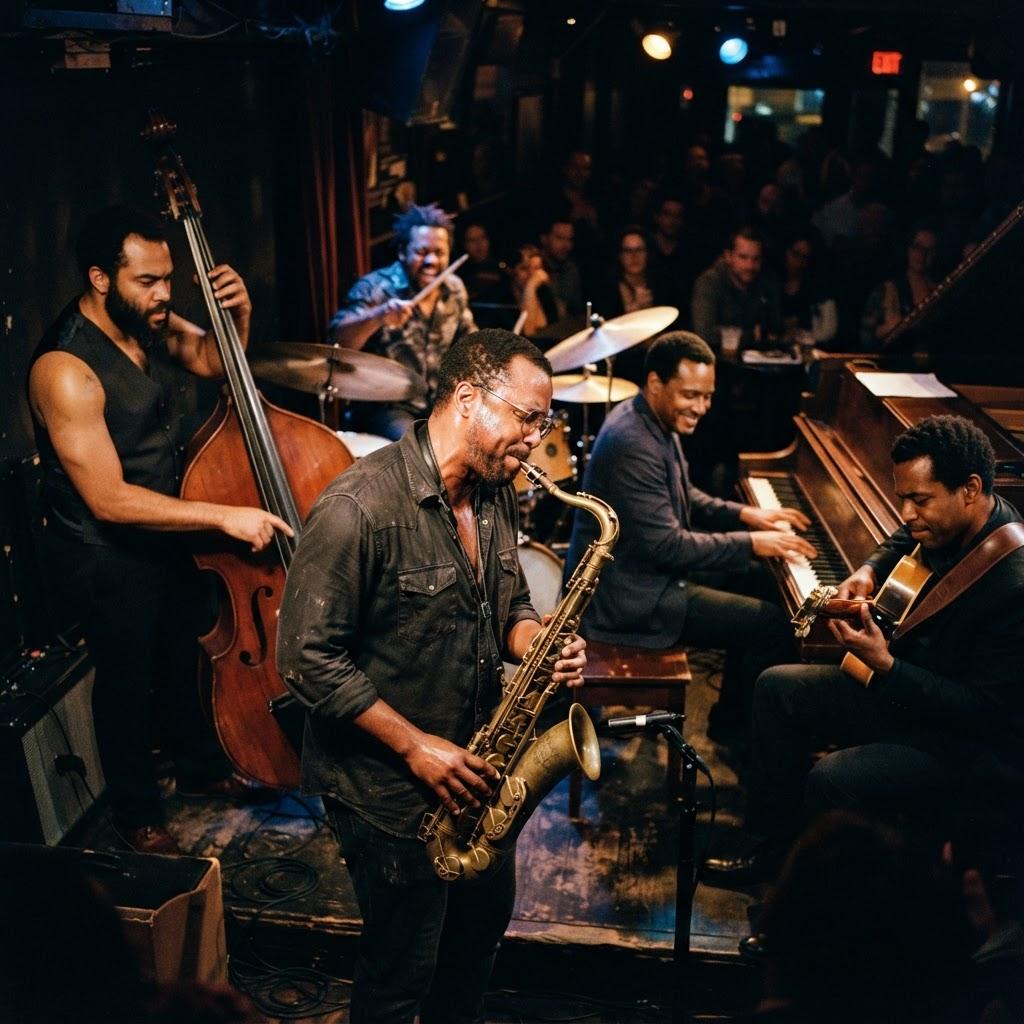
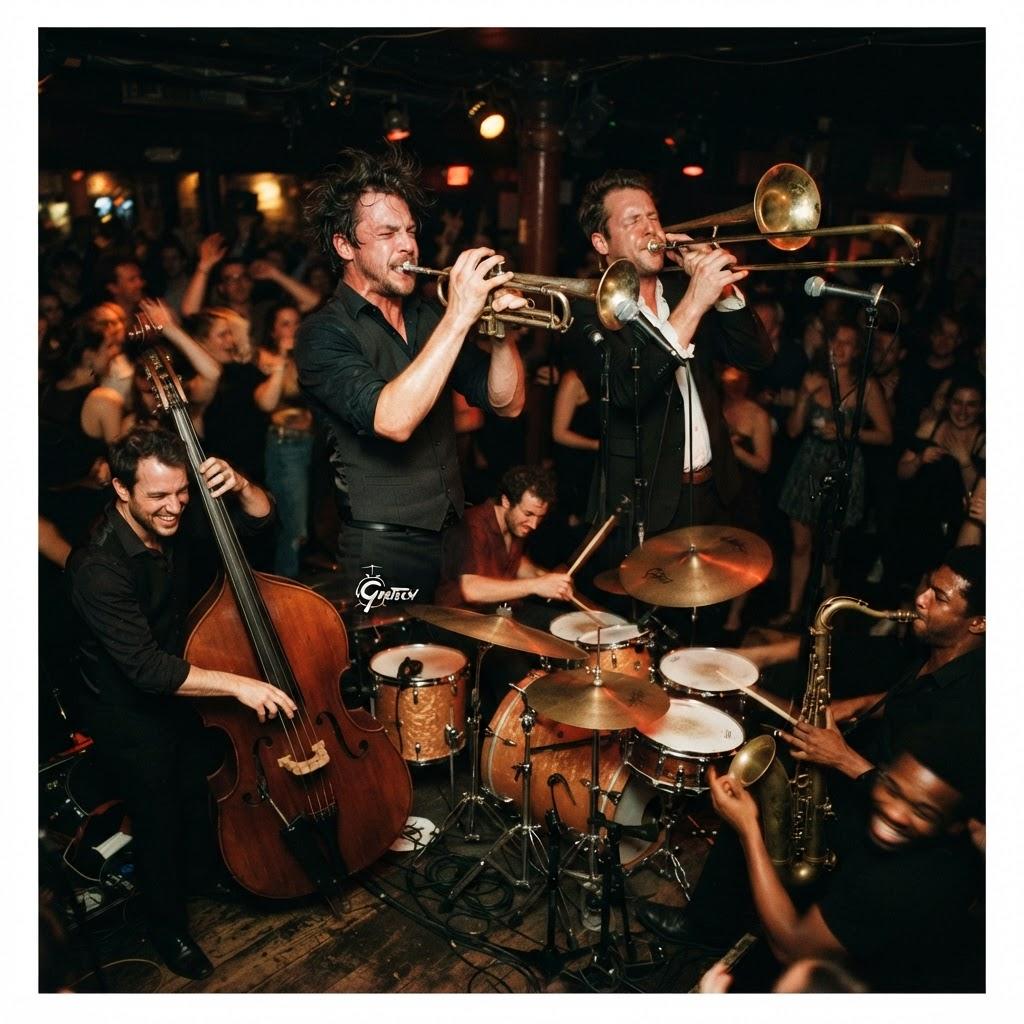
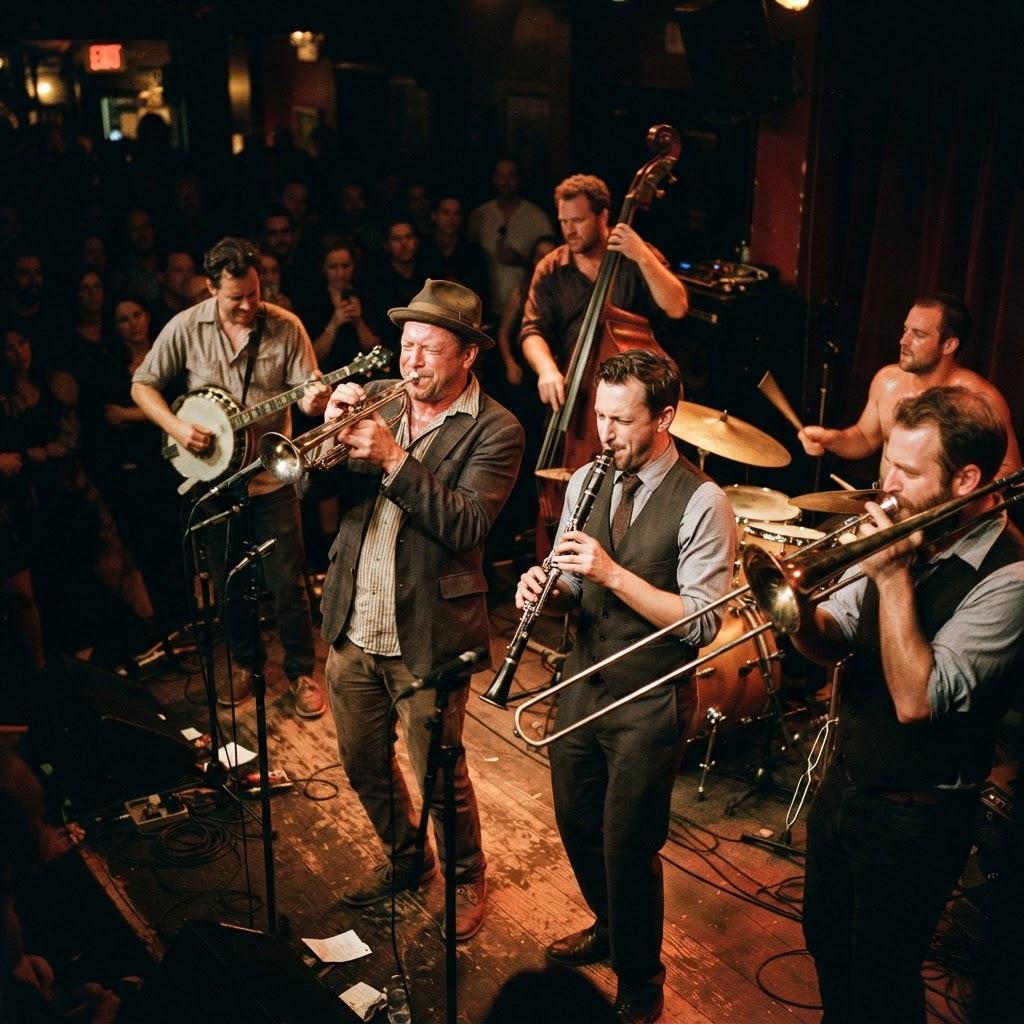
At its heart, Dixieland is defined by something musicians call 'collective improvisation.' Think of it as a group text where everyone is replying at the same time, but instead of being annoying, it sounds like a masterpiece. The trumpet handles the melody, carrying the tune with the authority of a town crier. The clarinet dances around it like a caffeinated hummingbird, chirping out high-pitched flourishes. Meanwhile, the trombone slides underneath them both, acting as the grumpy, funny uncle who does 'tailgate' glissandos—which is just a fancy way of saying they slide the trombone tube back and forth to make funny 'womp-womp' noises. This brass trio sits on top of a rhythm section led by a banjo or piano providing the 'comping,' which is just musical speak for playing chords to keep the beat moving. The tempo is usually blistering, keeping everyone on their toes, while the rhythm is often swung, meaning the eighth notes have a bit of a limp or a hop to them, giving the whole thing a bouncy, irresistible personality.
Origins & Birth of the Sound
To understand Dixieland, you have to understand New Orleans, a city that was a literal gumbo of cultures—French, Spanish, African, and Caribbean. Around the turn of the century, these cultures collided in places like Congo Square, where music wasn't just entertainment; it was a way of life, a way to process grief at funerals, and a way to celebrate existence itself. Brass bands were everywhere, playing for parades and political rallies. Then, some adventurous souls began taking the rigid structures of marching band music and mixing them with the mournful, soulful notes of the blues and the complex, syncopated rhythms of ragtime. It wasn't born in a pristine studio with soundproof foam; it was born in the humid, crowded streets and the smoke-filled dance halls of Storyville, the city's red-light district. It was rebellious, defiant, and loud. It was the sound of people taking the scraps of music they had and building a cathedral of sound out of sheer grit, determination, and a whole lot of brass.
The Pioneers & Legends
The pantheon of Dixieland is populated by figures who weren't just musicians; they were superheroes of sound. Take Buddy Bolden, for example, a cornet player so loud they say he could be heard across the river in Algiers. He never recorded a note, yet he is the mythical progenitor, the man who supposedly first 'jazzed' the tunes. Then there is Louis Armstrong, the absolute titan who took the genre and taught the world that one person could be a god of the stage. He started in the streets of New Orleans, blowing his cornet with a precision and a warmth that made every other musician look like they were just playing with toys. We also have King Oliver, his mentor, who possessed a tone so rich it felt like velvet wrapped in sandpaper. These pioneers didn't have manuals or YouTube tutorials; they invented the language of improvisation in real-time, staring down their peers in cutting contests to see who could play the fastest, the loudest, and the most soulful.
Defining Tracks & Era-Defining Moments
If you want to understand the soul of Dixieland, you start with 'West End Blues' by Louis Armstrong and his Hot Five. It starts with a trumpet fanfare so iconic that if you don't feel a shiver up your spine, you might want to check your pulse. It is the moment the genre grew up, moving from a fun party trick to an art form that could express the entire human condition. Then there is 'Tiger Rag,' which is effectively the national anthem of the genre. It is fast, it is frenetic, and it requires the kind of physical stamina that makes a modern gym workout look like a nap. It captures that specific Dixieland feeling of a runaway train that is somehow staying perfectly on the tracks. Another essential is 'When the Saints Go Marching In,' which proves that even a song you heard in primary school can be transformed into a visceral, gut-punching performance if you add enough syncopation and a truly rowdy brass section.
Subgenres & Offshoots
Dixieland is a bit like a big, messy family tree that keeps branching off into weird directions. You have the 'Chicago Style,' which emerged when the New Orleans players migrated north during the Great Migration. It became a bit more polished, a bit more intense, and a bit more centered on individual solos rather than just collective chaos. Then there is the 'Revivalist' movement, which popped up in the 1940s and 50s when people decided they were tired of the slick, big-band sound and wanted to return to the raw, greasy roots of the early 1900s. You also have the 'New Orleans Brass Band' tradition, which is the direct, unwashed, street-dwelling cousin of the genre. They stripped away the piano and banjo and replaced them with heavy-duty sousaphones and snare drums, marching right through the front door of the neighborhood, taking the party to the sidewalk where it belonged. Every offshoot adds a new coat of paint to the same old, glorious, brassy house.
Cultural Impact & Influence
Dixieland was the original rock and roll, the first music that scared parents and thrilled teenagers. It was the sound of the Roaring Twenties, providing the soundtrack for flappers, speakeasies, and the sheer audacity of living through a changing century. Its influence is etched into the DNA of everything that followed. Every time you hear a rock band go into an unscripted solo, they are channeling the spirit of the Dixieland improviser. It changed the way we view the role of a musician, shifting the focus from the sheet music to the individual voice. It influenced fashion, with the flashy suits and hats of the players becoming the standard for 'cool.' It even bled into politics, with its songs becoming anthems for civil rights movements, proving that music could be both a celebration and a statement. It made the world feel smaller, faster, and much, much louder, setting the tempo for the modern era of popular culture.
Controversies & Drama
You think pop stars have drama? The Dixieland scene was a constant, simmering pot of ego and turf wars. The biggest conflict was the 'Purist War,' where the older guard from New Orleans looked down their noses at anyone who tried to play 'their' music with a 'northern' accent. They called the Chicago players stiff and commercial, while the Chicago players thought the New Orleans guys were just undisciplined hillbillies. Then there was the 'Sellout Accusation'—whenever a Dixieland band became popular enough to play in big theaters instead of sweaty dives, the purists would come out in droves to scream that the music had been sanitized for white audiences. It was high-stakes musical gatekeeping. Add in the fact that many of these musicians lived hard, played late into the night, and were constantly competing for the same gigs, and you had a recipe for legendary backstage blowups that would make a modern punk band look like a choir practice.
Global Spread & Regional Scenes
Dixieland caught fire like a dry match in a gale. Once the riverboats carried it up the Mississippi to Chicago and St. Louis, there was no stopping it. It reached the fancy clubs of New York City, where the wealthy elite suddenly found themselves dancing to music that had been born in the muck of the delta. It crossed the Atlantic and exploded in Europe, particularly in the UK and Scandinavia, where traditional jazz clubs became sanctuaries for kids who wanted something more authentic than the radio hits. In Japan, they took the music and studied it with a religious intensity that continues to this day, creating bands that play the genre with a level of technical perfection that would shock the original pioneers. Every city added its own flavor—a bit more swing here, a bit more classical influence there—but the core, that stubborn, joyful, improvisational heart, remained the same whether it was being played in a basement in Tokyo or a parade in New Orleans.
The Modern Landscape
Today, Dixieland exists in a strange, beautiful pocket of time. It is not exactly taking over the Spotify charts, but it is thriving in places where music is still about human connection. You can find it in the heart of New Orleans, where the brass bands play for tourists and locals alike, keeping the flame alive. It has also found a new life on the internet, where young musicians are rediscovering the joy of collective improvisation, posting videos of themselves recreating those 1920s sounds with modern energy. It is no longer just a 'historical' genre; it is a discipline, a craft, and a living, breathing tradition. While it might not be the soundtrack to the next blockbuster movie, it remains the ultimate test for any horn player. If you can handle the speed and the chaos of a true Dixieland jam, you can handle anything. It is the music that refuses to fade away because, at its core, it represents the absolute peak of human joy.
How to Dive In
Ready to stop reading and start listening? Good. Start with 'The Okeh Sessions' by Louis Armstrong. It is the foundational text. If you want something that sounds like the end of the world, put on 'Tiger Rag' by the Original Dixieland Jass Band—it is pure, unadulterated velocity. For a taste of the brass band energy, find anything by the Preservation Hall Jazz Band; they play with a reverence and a fire that will make you feel like you are standing right in the middle of a parade. Do not look for 'perfect' production. Look for the imperfections, the cracks in the voice, the squeaks of the reed, and the moments where the instruments sound like they are laughing at each other. Find a playlist of 'Traditional New Orleans Jazz,' turn your volume knob until the neighbors start complaining, and let the chaos wash over you. There is no right or wrong way to listen to this music, so just jump in, let your feet do the thinking, and enjoy the ride.