Late 1890s to early 1900s
Jazz
Jazz is the musical equivalent of a high-stakes conversation between geniuses who have had one too many espressos. It is wild, unpredictable, and cooler than your favorite pair of vintage sunglasses.
Meet the Genre
Jazz is that cool, slightly disheveled person at the party who doesn't bother with a script but somehow manages to make the most profound statement of the night. It is not just music; it is an attitude problem set to a walking bass line. Imagine you are trying to tell your friends a story about your weekend, but every thirty seconds, you decide to change the language, switch the plot, and add a interpretive dance solo. That is jazz. It is the art of being incredibly prepared to be totally unprepared. While most music tells you exactly where the finish line is, jazz keeps moving the goalposts just for the fun of seeing if you can keep up. It is famously spontaneous, delightfully messy, and possesses a level of swagger that makes other musical genres look like they are trying too hard to fit in at the high school prom. Whether it is smooth enough to make a brick wall blush or frantic enough to make a hummingbird dizzy, jazz remains the ultimate musical wildcard.
The Sound & Signature Elements
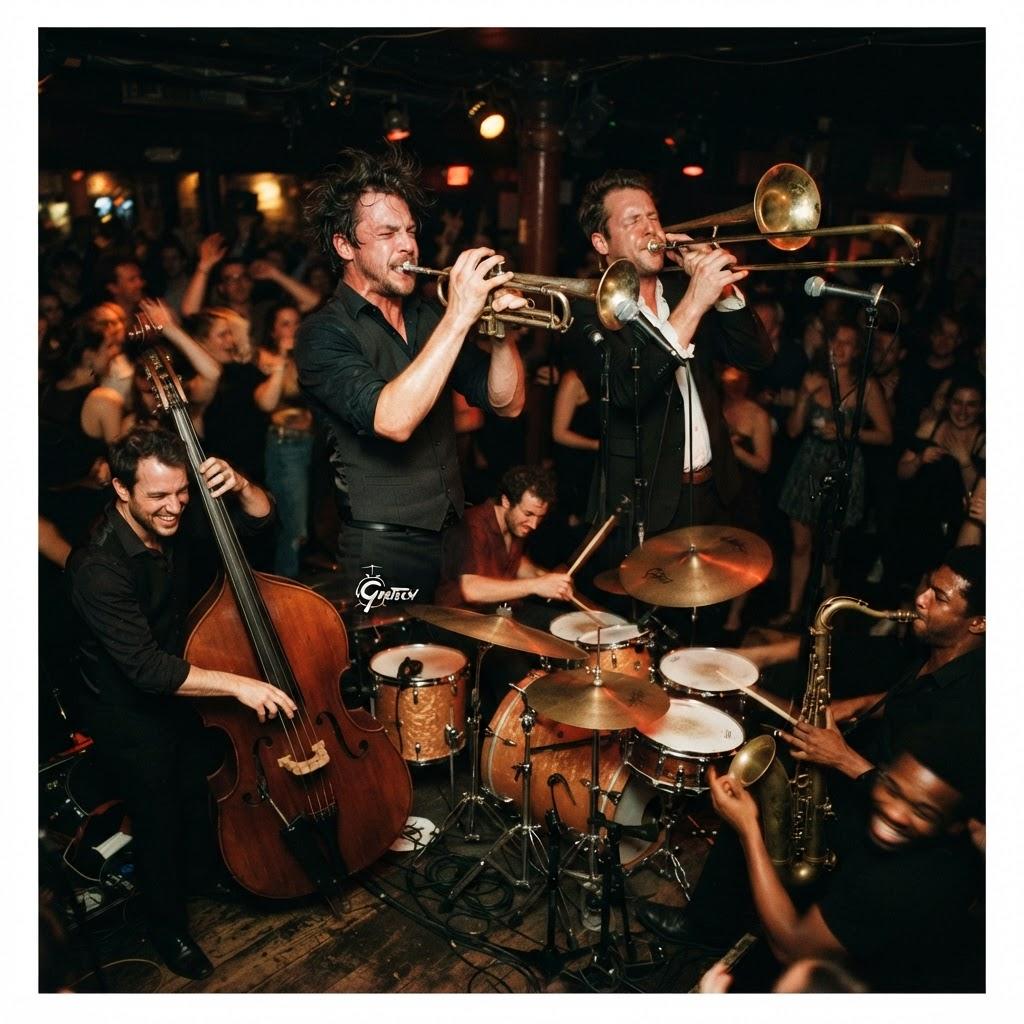
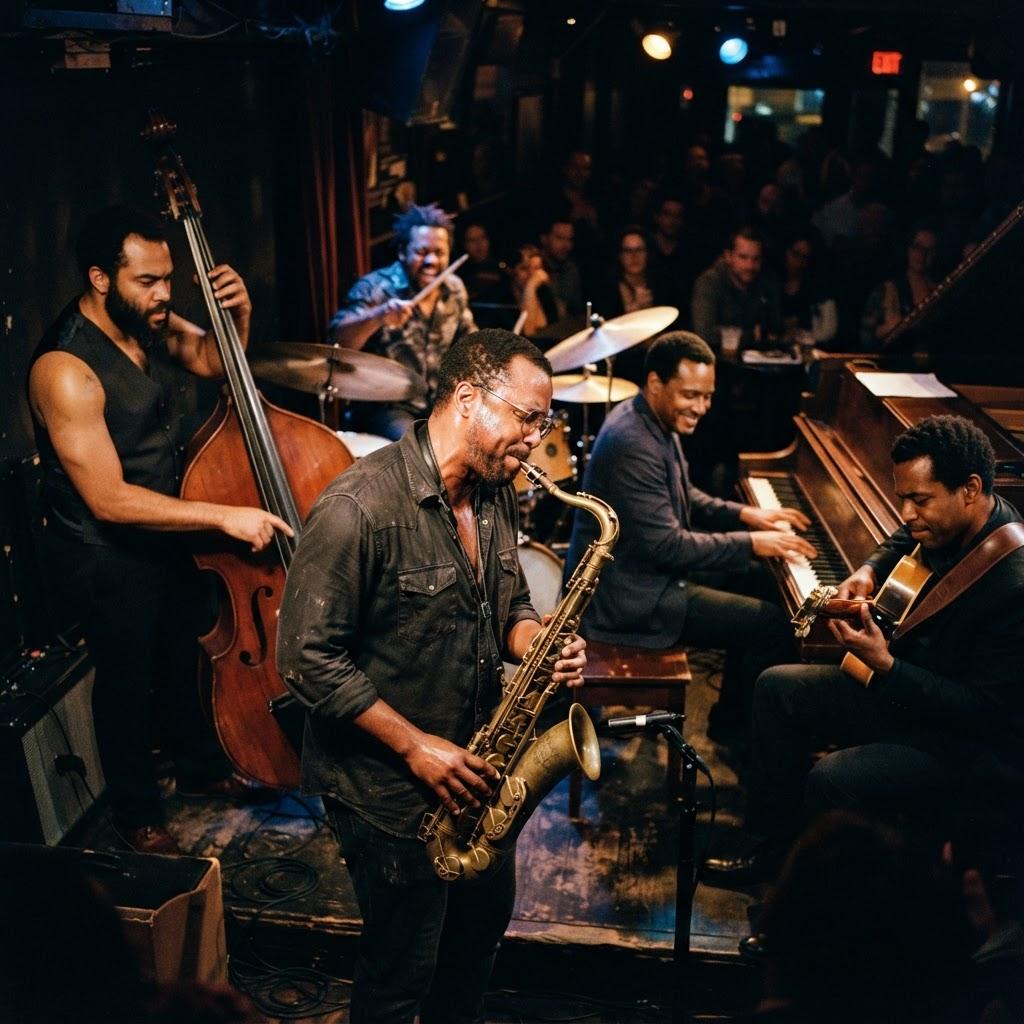
To understand the sonic DNA of jazz, you have to embrace the concept of swing. Think of swing like the difference between walking on a flat sidewalk and bouncing on a trampoline. It is all about the 'feel'—that subtle, slightly off-kilter pulse that makes you want to snap your fingers even when you have absolutely no rhythm. The foundation is usually a 'walking bass line,' which is like a heartbeat that just keeps strolling down the street, never stopping, while the piano and drums engage in a high-speed game of tag. The secret weapon is improvisation, or 'impro.' This is where a musician stops playing what is on the paper and starts playing what is in their soul, effectively going off-script to invent a melody on the spot. It is like watching a chef throw ingredients into a pan without a recipe and somehow producing a five-star meal. If you hear a trumpet squealing like a joyful banshee over a steady, thumping bass, congratulations, you have found the jazz.
Origins & Birth of the Sound
Picture New Orleans at the turn of the 20th century. It was a steaming, chaotic, multicultural melting pot where French, Spanish, African, and Caribbean influences were literally bumping into each other on the street corners. Congo Square was the primary theater, where enslaved people kept rhythmic traditions alive that would eventually marry the rigid, polite structures of European marching band music. It wasn't born in a pristine conservatory; it was born in the brothels of Storyville, the rowdy bars of the French Quarter, and at funeral processions where the band played somber music on the way to the cemetery and absolute, joyous chaos on the way back. This musical alchemy was essentially the sound of freedom expressing itself in a place that didn't always want it to exist. It was the grit of the docks meeting the sophistication of the parlor, creating a sound that was as humid and unpredictable as the Louisiana weather.
The Pioneers & Legends
Louis 'Satchmo' Armstrong wasn't just a musician; he was the guy who taught the world that the trumpet could sing like a human voice. He was the grinning, gravel-voiced ambassador of cool. Then there was Duke Ellington, the man who treated his jazz orchestra like a complicated, beautiful painting, composing symphonies that were as elegant as a tuxedo. Miles Davis was the ultimate shape-shifter, a man who got bored with his own success so often he practically invented new subgenres just to stay entertained. He was the grumpy genius in the back of the room who knew he was cooler than you. Charlie Parker, or 'Bird,' was the musical equivalent of a lightning bolt; he played so fast and with such complex note choices that he basically broke the internal logic of harmony for everyone else. These weren't just guys with instruments; they were scientists of sound, rebels who refused to play by the rules of musical grammar.
Defining Tracks & Era-Defining Moments
To really get it, you have to drop the needle on a few key moments that shifted the tectonic plates of music history. Listen to Louis Armstrong's 'West End Blues'—it is essentially the Big Bang of jazz solos, an opening cadenza that is so perfect it still makes modern musicians sweat. Then there is 'Kind of Blue' by Miles Davis, an album so smooth and atmospheric that it basically acts as the mood lighting for the entire mid-20th century. It swapped out frantic energy for cool, calculated minimalism. Don't forget Dave Brubeck’s 'Take Five,' which proved that jazz could be a pop hit even if it was written in a weird, lopsided time signature that should have been impossible to dance to. Each of these tracks represents a pivot point where someone decided that the standard way of doing things just wasn't interesting enough anymore, and in doing so, they created the new standard for everyone else.
Subgenres & Offshoots
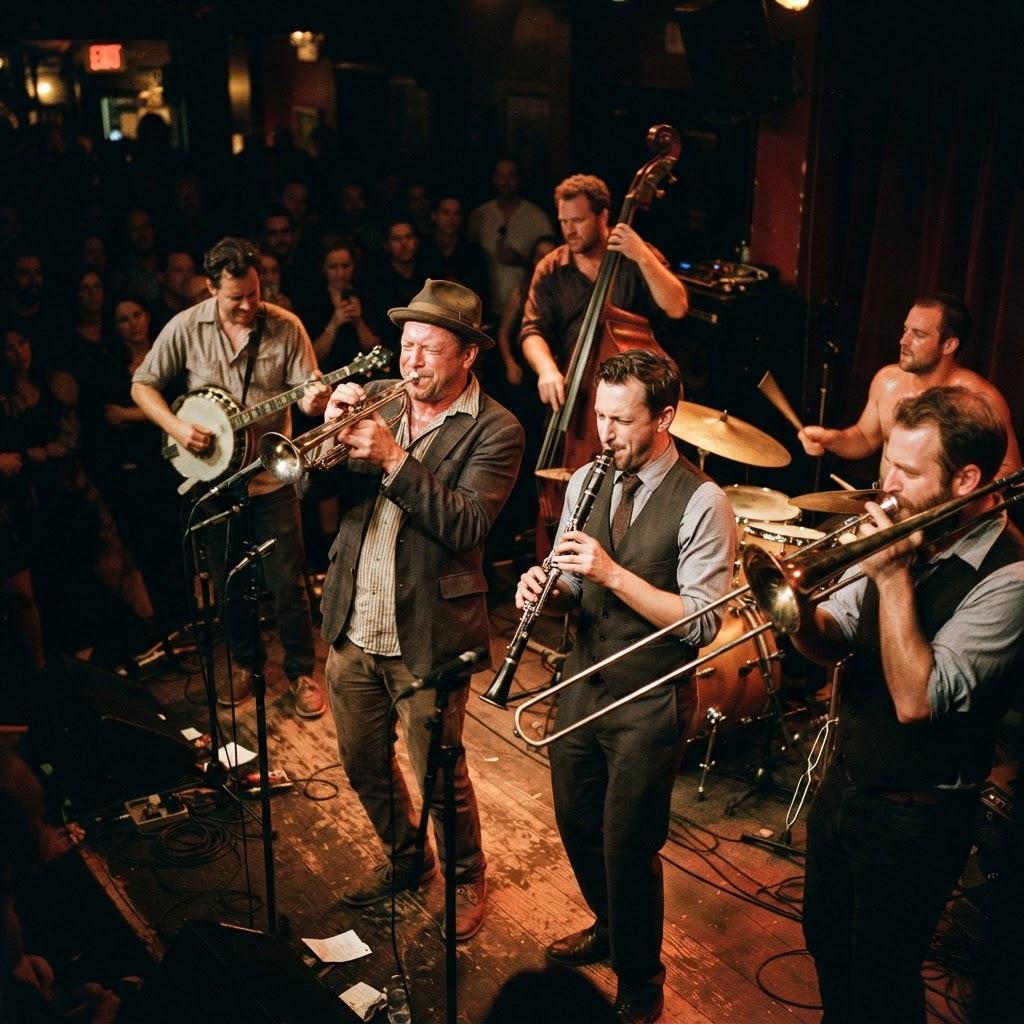
Jazz is like a family tree that had way too much coffee and started sprinting in every direction at once. It started with Ragtime and Dixieland, which were the bouncy, energetic grandfathers. Then came 'Swing' in the 30s, which turned into the dance music of the generation—it was the disco of the era, loud, brassy, and meant to fill the biggest ballrooms in the country. Then the boppers showed up with 'Bebop,' a reaction against the big bands, prioritizing blisteringly fast solos over danceability. Cool jazz followed, which was the musical equivalent of a cigarette-smoking detective looking out a rainy window. Later, 'Fusion' arrived in the 70s, inviting electric guitars and synthesizers to the party, which caused a minor heart attack among the purists. Each subgenre is just jazz putting on a new costume—sometimes it is wearing a suit, sometimes it is wearing spandex and a neon headband, but the core curiosity remains the same.
Cultural Impact & Influence
Jazz didn't just stay in the clubs; it bled into the wallpaper of society. It dictated fashion, with the zoot suit becoming a symbol of rebellion and identity. It changed the way people talked—the slang 'cool,' 'hip,' and 'cat' all migrated from the jazz clubs into the mainstream lexicon. During the Civil Rights movement, jazz became a political weapon; musicians were the original social influencers, using their platform to force a conversation about race in a country that was deeply segregated. Even the beat generation of writers, like Jack Kerouac, treated their prose like jazz solos, trying to capture the spontaneous energy of a saxophone in ink. It proved that art didn't have to be 'polite' to be important. Jazz made the world smaller by proving that a rhythm played in New Orleans could speak to a listener in Tokyo or Paris, connecting disparate souls through the universal language of a well-placed blue note.
Controversies & Drama
Jazz has a history of drama that would put a modern reality TV show to shame. In the early days, it was decried by moral guardians as 'the Devil's music' because it was associated with late nights, vice, and, heaven forbid, dancing. There were vicious turf wars between the 'traditionalists' who thought jazz should stay the way it was in 1920 and the 'modernists' who wanted to blow it up. When Miles Davis introduced electric instruments, the purists reacted as if he had brought a chainsaw to a symphony. Musicians were famously prickly; the concept of a 'cutting contest,' where two players would try to physically out-play each other until one ran out of ideas or breath, was real. It was a cutthroat meritocracy where your ego was only as big as your last solo, and if you couldn't keep up with the tempo, you were essentially off the stage and out of the band before the next chorus started.
Global Spread & Regional Scenes
Like a virus with impeccable taste, jazz traveled from the Mississippi Delta to the rest of the world. In Paris, it became the soundtrack to the intellectual life of the Left Bank, embraced by existentialists and painters. In Japan, it found a home in 'jazz kissa,' these tiny, dedicated listening bars where people sit in silence to appreciate a record as if it were a religious text. Brazil took the swing of jazz and married it to the local samba rhythms to create Bossa Nova, a sound that is essentially the musical equivalent of a sunset over the beach. In Scandinavia, they took the bluesy melancholy of jazz and stripped it down until it sounded like the Northern Lights. Every region took the raw materials of jazz—the freedom, the harmony, the swing—and mixed it with their own local flavor, proving that the genre is remarkably adaptable to any culture or climate.
The Modern Landscape
Today, jazz is living in a beautiful state of 'anything goes.' You have artists like Kamasi Washington filling stadiums by blending spiritual jazz with hip-hop production, and folks like Esperanza Spalding who treat the bass like a lead vocal instrument. The lines have blurred so much that 'jazz' is less of a box and more of a philosophy. We are seeing a massive resurgence among young artists who are mixing jazz with trap beats, electronic textures, and global pop, showing that the core requirement—honesty and improvisation—is timeless. It is no longer just for the academics or the people in berets; it is for the bedroom producer and the stadium rock star alike. The genre is currently in a state of hyper-evolution, shedding its dusty old-man persona and embracing a future where a laptop is just as important as a tenor saxophone, provided the soul behind it is genuine.
How to Dive In
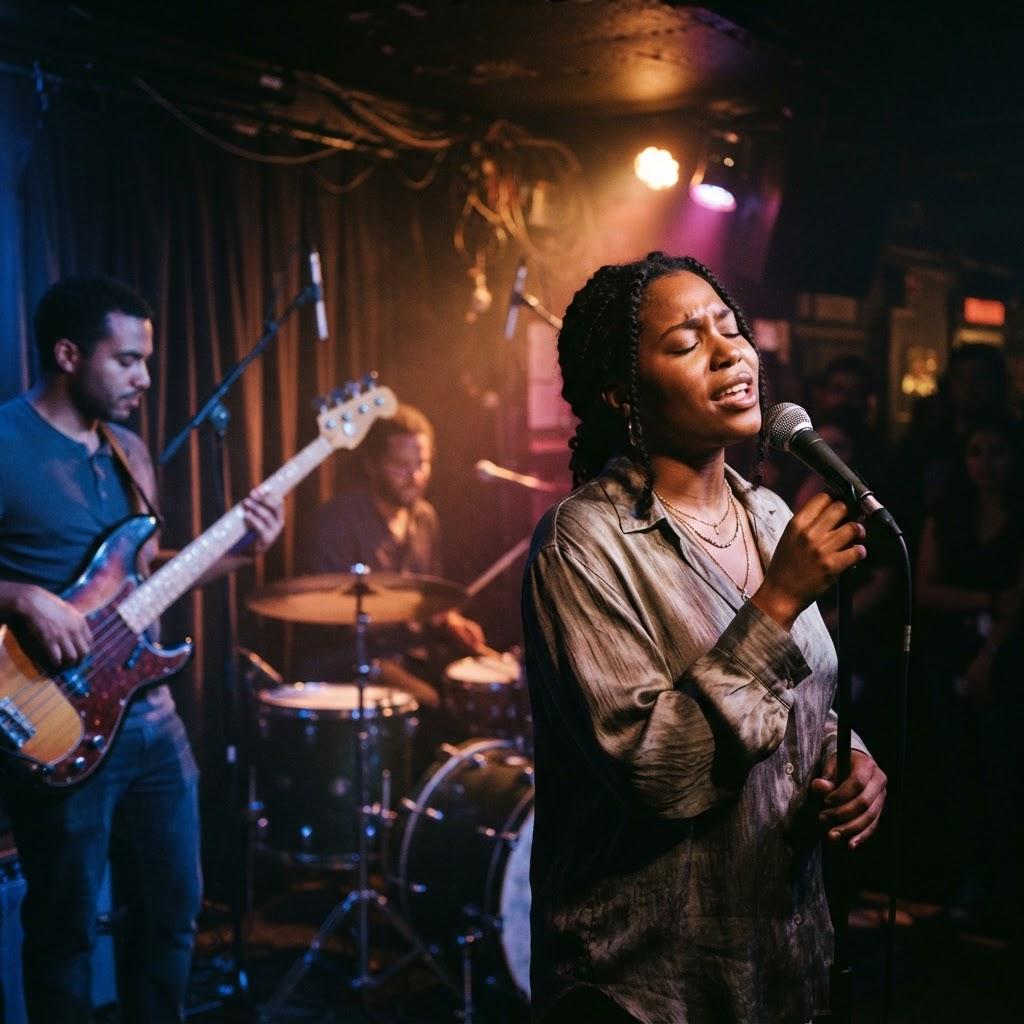
Ready to take the plunge? Don't start by trying to intellectualize it. Put on Miles Davis’s 'So What' and just let the bass line wash over you. If you want something with more energy, jump into John Coltrane’s 'Blue Train' and try to follow the way the horns dance around each other. Check out Ella Fitzgerald for the vocal side—she could turn a telephone book into a masterpiece if you gave her the right melody. Listen for the 'interaction' between players; notice how the drummer is whispering to the pianist through the cymbals. Don't worry about being 'wrong' in your interpretation; jazz is a living, breathing thing that changes every time you hear it. The legacy of jazz is simply the permission to be free, to express the inexpressible, and to keep the conversation going. So, hit play, turn it up, and get ready to hear the music talk back to you.