Early 1990s, United Kingdom
Drum and Bass
Strap yourself in for a high-octane journey through the world of Drum and Bass, where the breakbeats are fast, the basslines are heavy, and the energy never quits. It is the sonic equivalent of a caffeine-fueled skyscraper sprint that will turn your speakers into cardio equipment.
Meet the Genre
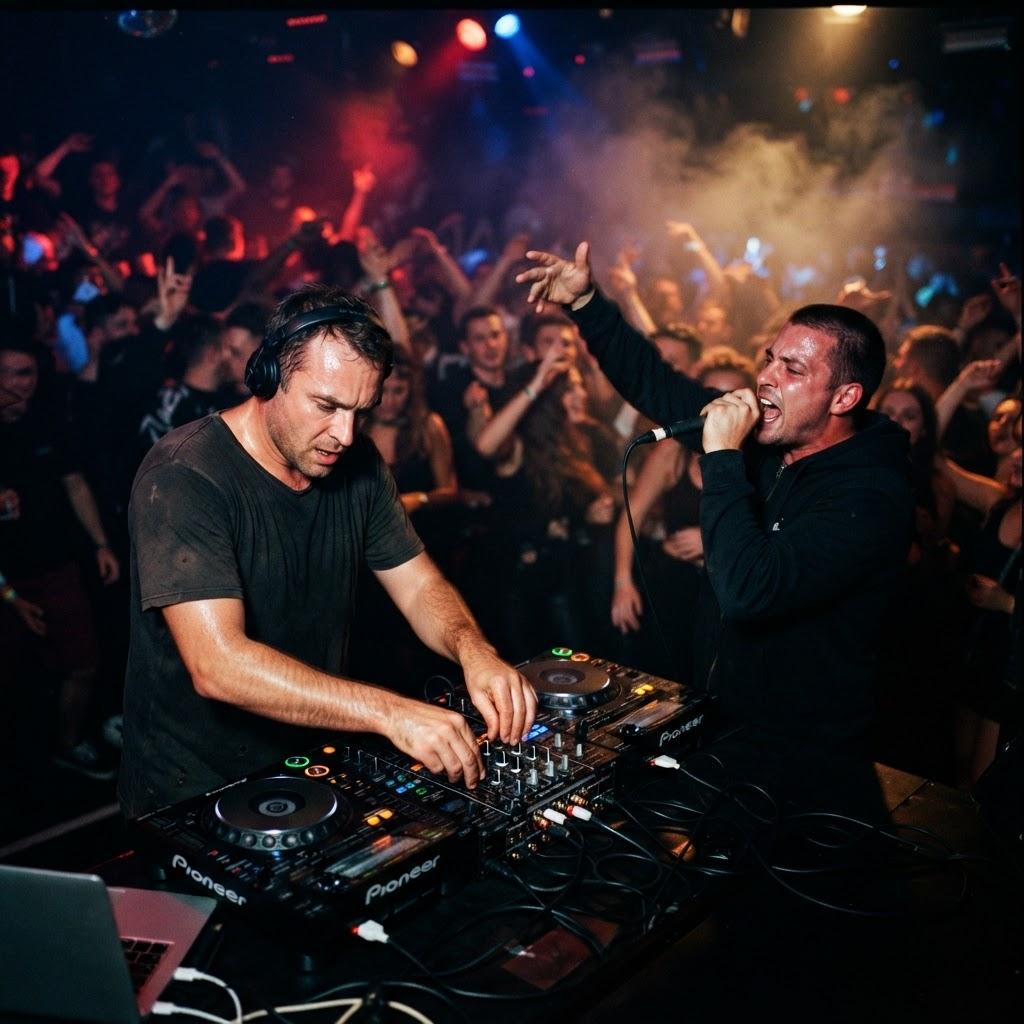
Drum and Bass is the hyperactive younger sibling in the electronic music family who drank six cans of energy drink and decided that sitting still was a mortal sin. It hits you like a freight train of rhythm, a relentless barrage of drums that seem to be racing against the ticking clock of your own heartbeat. This is not background music for doing your taxes or falling asleep; it is an adrenaline-fueled workout for your synapses that demands your complete and utter attention. Imagine the frantic, chopped-up complexity of a jazz drummer going rogue, suddenly fused with a bassline so deep and wobbling that it feels like it is physically rearranging your internal organs. It is sweaty, it is urban, it is unapologetically loud, and it carries an attitude that says the party is just getting started. When the drop hits, the world outside ceases to exist, leaving only the sharp snap of the snare and the rolling, thunderous gravity of the low end. Drum and Bass is the pulse of the city captured in code and speaker cone vibrations, offering a sanctuary for anyone who finds mainstream music just a little too predictable and slow.
The Sound & Signature Elements
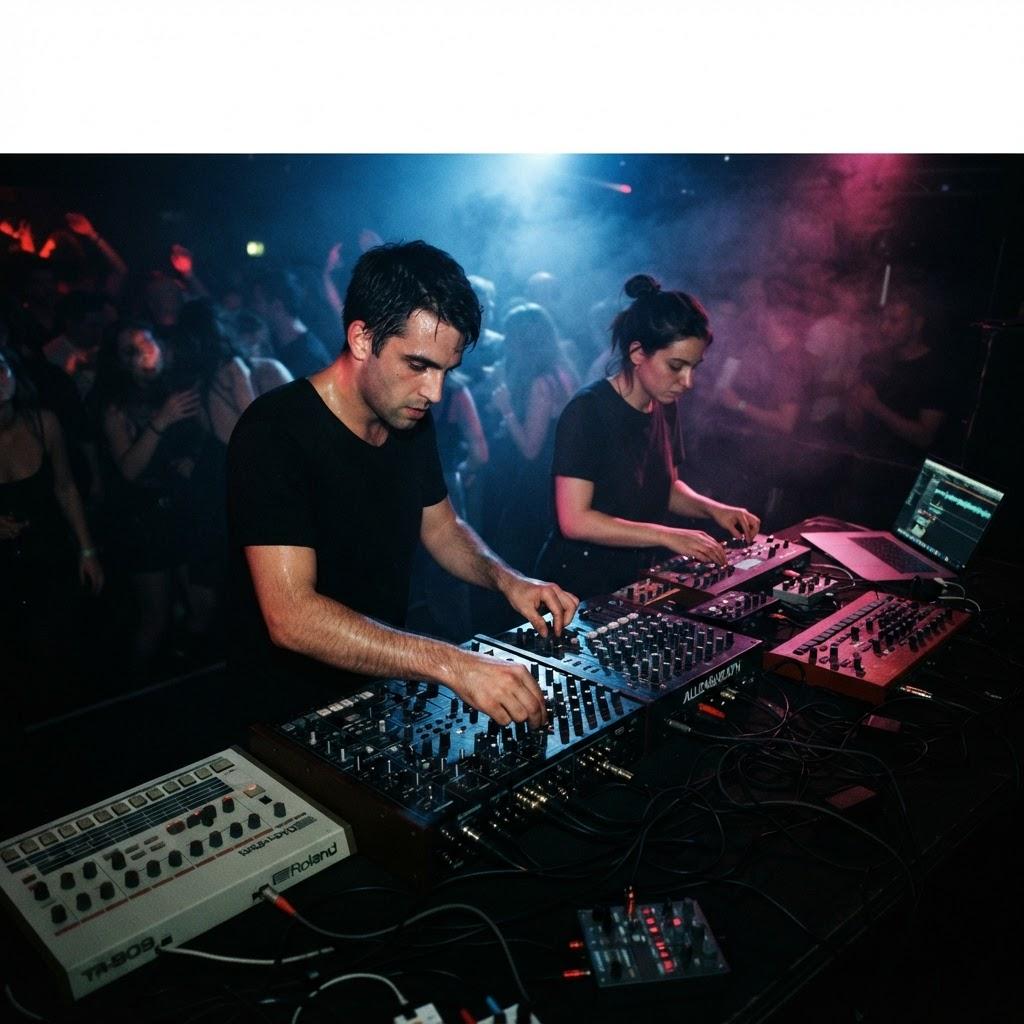
At its heart, Drum and Bass is a masterclass in controlled chaos, usually cruising at a blistering pace between 160 and 180 beats per minute. Think of it as a high-speed chase where the drummer is doing complex, twitchy patterns while the bass player is trying to drown out the city skyline. The core of this sound is the breakbeat, which is basically a drum solo taken from an old funk or soul track—most famously the Amen Break, a six-second slice of drum heaven from a 1969 track—that gets chopped up, rearranged, and sped up until it sounds like a robotic spider tap-dancing on sheet metal. Then there is the sub-bass, which is the secret sauce. While you might hear the drums, you feel the bass in your teeth and your diaphragm; it is a frequency so low it practically functions as a massage for your ribcage. Production-wise, artists use samplers to slice these sounds into microscopic bits, layering them with synthesizers that can sound like anything from space-age lasers to screeching metallic textures. The structure usually follows a tension-and-release pattern: build up the anticipation with swirling pads and atmospheric dread, then let the full weight of the rhythm drop like an anvil.
Origins & Birth of the Sound
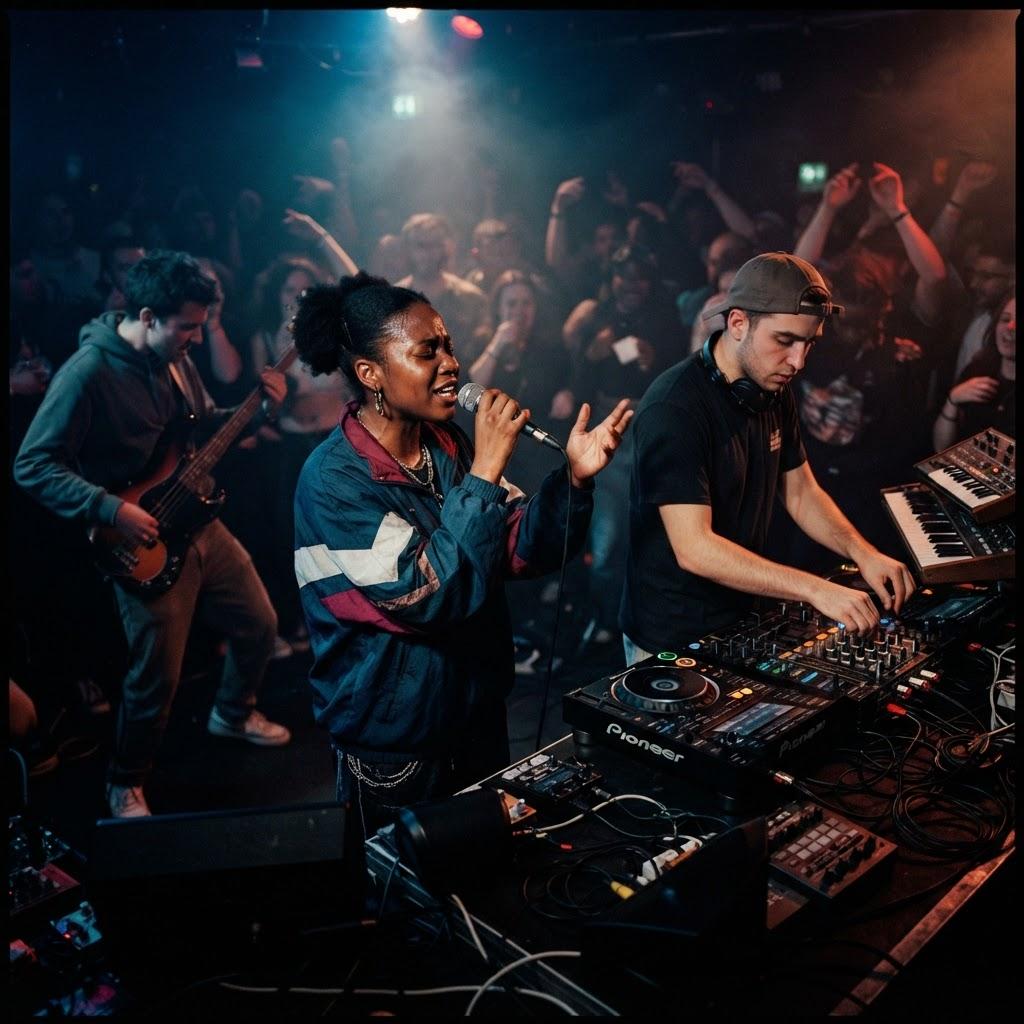
To find the roots of Drum and Bass, you have to transport yourself to the rain-slicked, neon-drenched streets of early 90s London. It was a time when the rave scene was exploding like a supernova, and young producers were trapped in tiny bedrooms, armed with cheap samplers and an infinite amount of nervous energy. They were taking the frantic, sped-up rhythms of Hardcore and Rave music and filtering them through their love for Jamaican soundsystem culture. It was a beautiful, gritty collision of worlds: the futuristic digital precision of technology meeting the warm, bass-heavy soul of reggae and dub. These producers didn't care about rules; they were cutting up old funk records with a pair of digital scissors and pasting them back together into weird, jagged mosaics that nobody had ever heard before. It wasn't born in pristine, glass-walled recording studios; it was born in council house bedrooms, on battered turntables, and in the dark, smoky corners of illegal warehouse parties where the authorities were always knocking on the door. It was the sound of a generation that felt ignored, and they decided if they weren't going to get a seat at the table, they would build their own speakers and set the building on fire.
The Pioneers & Legends
You cannot talk about this genre without bowing down to the legends who laid the tracks. Goldie was the charismatic visionary who turned the sound into art, famously taking the genre from the underground warehouse into the high-brow art gallery with his sprawling masterpieces. He had the swagger of a rock star and the focus of a clockmaker. Then you have LTJ Bukem, the atmospheric wizard who decided that Drum and Bass could be beautiful, liquid, and ethereal, proving that you didn't have to be aggressive to be heavy. He painted sonic landscapes that felt like floating through a neon-lit nebula. You also have Grooverider and Fabio, the tag-team duo who acted as the spiritual conductors of the movement, pushing the sound forward every single weekend on the radio. They were the ones curating the chaos, filtering out the noise, and showing the world exactly where the genre was headed next. Each of these legends had a distinct philosophy, but they were united by the obsession to squeeze every possible ounce of rhythm out of a machine. They didn't just play music; they were scientists of the breakbeat, tinkering with their rigs until they unlocked sounds that defied the limitations of human hands.
Defining Tracks & Era-Defining Moments
The history of Drum and Bass is etched into the wax of a few legendary records that changed the trajectory of dance music forever. Goldie’s 'Timeless' wasn't just an album; it was a manifesto that demanded to be taken seriously as a piece of musical composition, blending orchestral sweeping strings with breakneck drum patterns that still sound futuristic decades later. Then there is LTJ Bukem’s 'Atlantis,' a track that proved you could find peace in the middle of a high-speed chase, layering dreamy piano chords over a bed of complex, bubbling percussion. Moving into the late 90s, tracks like Roni Size’s 'Brown Paper Bag' brought a live-instrument feel back into the mix, smashing the myth that this music was only made by cold, unfeeling computers. And who could forget the dark, brooding menace of Ed Rush & Optical’s 'Wormhole' era? They took the genre into a grittier, industrial place, creating a sound so aggressive and polished that it became the gold standard for the 'Techstep' sound. Every one of these tracks served as a landmark, showing producers everywhere that the possibilities for what you could do with a sampler were literally infinite and waiting to be exploited.
Subgenres & Offshoots
Like a massive, sprawling family reunion, Drum and Bass has produced some truly eccentric relatives. You have 'Liquid,' which is the smooth-jazz, espresso-sipping cousin that values melody and soul above everything else; it is the music for a sunset beach party. On the complete opposite end of the spectrum is 'Jump-Up,' the rowdy, chaotic cousin that loves simple, massive basslines that sound like a giant chainsaw fighting a tuba—it’s built purely for massive festival crowds who want to lose their minds. Then there is 'Neurofunk,' which is the high-tech, robotic perfectionist of the bunch, focusing on hyper-detailed sound design, metallic clanks, and rhythms that sound like they were programmed by a sentient computer from the year 3000. You also have 'Intelligent Drum and Bass,' a slightly pretentious but deeply rewarding branch that focuses on complex layering and experimental textures, often sounding like a sci-fi movie soundtrack. It’s a genre that refuses to be boxed in, constantly spawning new micro-genres the moment someone tries to define it. Whether you want to dance until your legs give out or sit in the dark and analyze every single snare hit, there is a sub-genre waiting to claim your loyalty.
Cultural Impact & Influence
Drum and Bass didn't just stay in the clubs; it bled into everything else. It transformed the fashion of the 90s, with people sporting baggy jeans, windbreakers, and sneakers that were designed to handle twelve hours of non-stop footwork. The language of the scene—terms like 'rollers,' 'reese,' and 'dubplate'—started popping up in youth slang, creating a secret code for those in the know. Beyond the clothes, it influenced the way film directors shot action sequences, favoring quick cuts and frenetic pacing that mirrored the rhythmic editing of a jungle track. It even changed the way pop music was produced; look at the charts today and you will hear drum patterns and bass textures that were directly lifted from the Drum and Bass playbook, disguised just enough to make them radio-friendly. The genre proved that you didn't need a guitar or a famous singer to dominate the culture; you just needed a killer beat and enough sub-bass to rattle the windows of the neighbors. It taught a whole generation of kids that if you have a computer and a big enough sound system, you can build your own world from scratch, a philosophy that now fuels everything from bedroom producers to massive festival promoters.
Controversies & Drama
No scene is complete without a little bit of spicy drama, and Drum and Bass has had more than its fair share of petty arguments and purist wars. For years, the scene was torn apart by the 'Jungle versus Drum and Bass' debate, with old-school fans claiming the genre lost its soul when it moved away from the sample-heavy, reggae-infused roots of its infancy. You had the 'real heads' who would stand in the back of the club with their arms crossed, judging every new producer who dared to use a clean, modern digital kick drum. Then there were the accusations of 'selling out' every time a track dared to have a catchy vocal hook or got played on the radio. Some producers would even 'dubplate' their tracks, which meant pressing only one physical copy onto a vinyl record just to keep other DJs from playing it—an act of extreme musical selfishness that led to legendary battles over who had the 'freshest' sound. It was often petty, frequently ridiculous, and always fueled by an intense, burning passion for the music. In hindsight, these arguments were just growing pains for a genre that was constantly trying to figure out its own identity while dealing with the pressures of rapid evolution and commercial interest.
Global Spread & Regional Scenes
Drum and Bass didn't just stay in London; it jumped in a suitcase and traveled the world, picking up regional accents along the way. In New Zealand, it became an absolute obsession, evolving into a national pastime where massive festivals draw tens of thousands of people who know every single bassline by heart. In Russia and Eastern Europe, the sound took a darker, colder turn, embracing the grittier, more industrial side of the spectrum to match the stark urban landscapes. Over in the United States, the sound had a bit of a bumpy ride, constantly being remixed and adapted to fit the tastes of a culture that was also discovering dubstep, leading to some fascinating, hybridized sounds. Each city that adopts the genre changes it, flavoring the breaks with local percussion styles or melodic sensibilities. Whether it is in a basement in Berlin or a beach club in Brazil, the core energy of Drum and Bass remains the same: a shared, transcendent experience of high-speed movement. It is a universal language of rhythm, and it turns out that people all over the world are just as addicted to heavy bass as the original London ravers were.
The Modern Landscape
Today, Drum and Bass is in the middle of a massive global resurgence, feeling fresher and more vital than it has in years. The rise of social media and global streaming has allowed a whole new generation of producers to connect directly with fans, bypassing the old gatekeepers of the record labels. You can find teenagers in their bedrooms creating tracks that sound more technically impressive than the biggest hits of the 90s, thanks to the sheer power of modern software. The sound has become more diverse than ever, with a massive influx of new talent coming from all corners of the globe, bringing unique cultural influences that keep the genre from stagnating. It has also found a new home on platforms like TikTok and Twitch, where the rapid-fire energy of the music perfectly matches the fast-paced, high-intensity content that defines modern internet culture. It is not just a nostalgic relic for old ravers anymore; it is a thriving, evolving beast that is constantly absorbing new technology and new styles. Whether it is being used in high-octane gaming montages or headlining the world's biggest electronic festivals, Drum and Bass is officially back in the driver's seat of modern music.
How to Dive In
If you are ready to stop reading and start feeling the bass, the best place to start is with the classics. Put on Goldie’s 'Timeless' to understand the epic potential of the genre, then queue up LTJ Bukem’s 'Logical Progression' to get a taste of the deep, atmospheric side. If you want to know what a high-energy dance floor sounds like, track down some early Pendulum or Chase & Status records—they have a way of blending raw aggression with undeniable hooks that will make you want to jump around immediately. Do not worry about understanding the theory behind it; just turn the volume up, find a good pair of headphones that can handle heavy bass, and let the rhythm take control. Follow some modern playlists, find a local scene if you can, and keep an open ear for whatever sounds like it is pushing the boundaries of what is possible. It is a massive, deep rabbit hole, but once you start sliding down, you will never want to come back out. So hit play, crank that dial, and prepare to have your speakers tested to their absolute breaking point. Welcome to the wonderful, high-speed world of Drum and Bass; your new favorite obsession is waiting.