Mid-1980s, Washington D.C., USA
Emo
Emo is the musical equivalent of wearing your heart on your sleeve until the sleeve falls off, gets stitched back together with duct tape, and then goes on a world tour. It is loud, messy, unapologetically dramatic, and quite possibly the most cathartic therapy session you have ever attended without paying a dime.
Meet the Genre
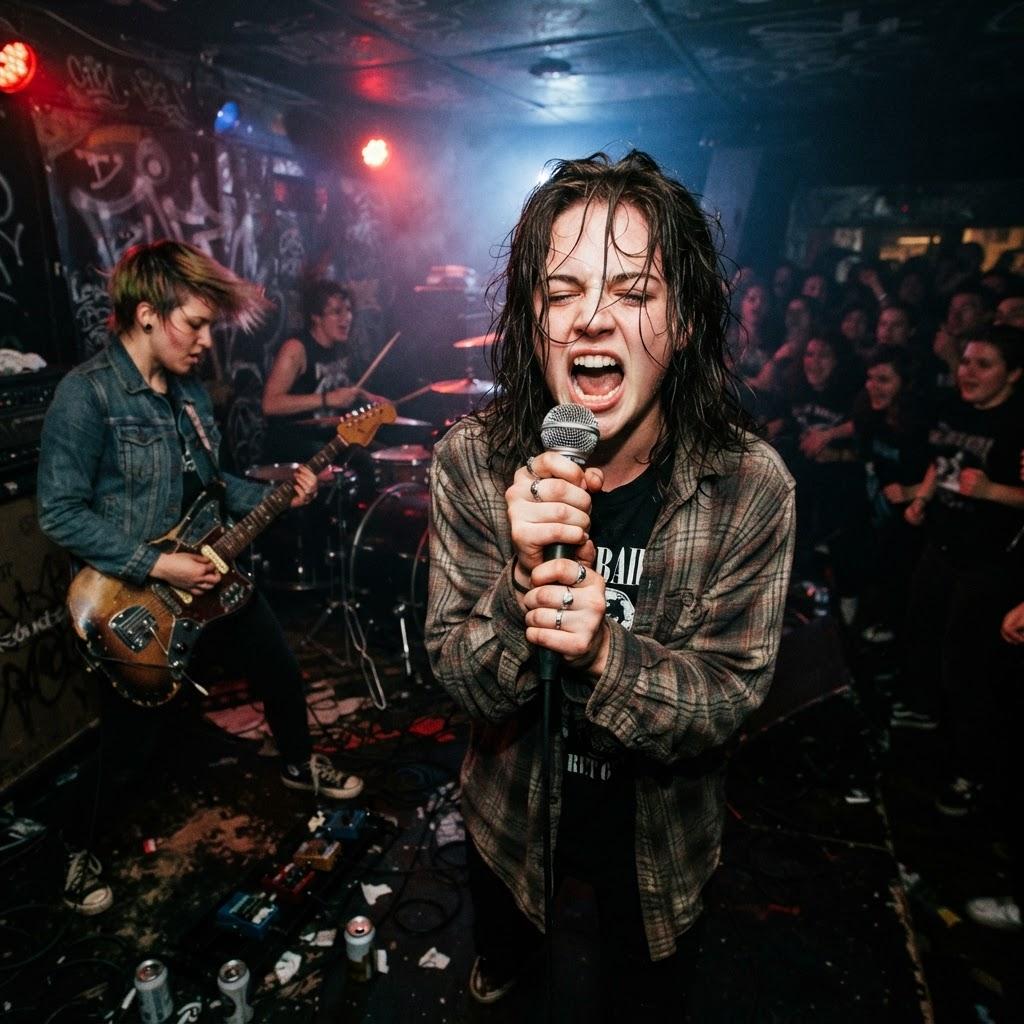
Welcome to Emo, the musical equivalent of keeping a diary, setting it on fire, and then scream-singing the charred remains to a basement full of strangers who all happen to have the exact same haircut as you. Emo is not just music; it is an emotional supernova, a genre where the feelings are consistently set to 'maximum volume' and the eyeliner is applied with the precision of a master painter. Think of it as the artistic child of punk rock, except instead of wanting to punch the government, it mostly just wants to understand why its crush didn't text back, or why the world feels so inherently heavy on a Tuesday afternoon. It exists in the sweet spot between devastating heartbreak and the kind of high-energy outburst that usually happens after consuming three energy drinks in a parked sedan. If life is a movie, Emo provides the soundtrack to that pivotal scene where the protagonist walks in the rain while reflecting on their poor life choices. It is loud, it is fragile, and it is entirely incapable of keeping its cool, which is precisely why it resonates with anyone who has ever felt like they were screaming into the void and secretly hoped the void would finally answer back with a killer guitar solo.
The Sound & Signature Elements
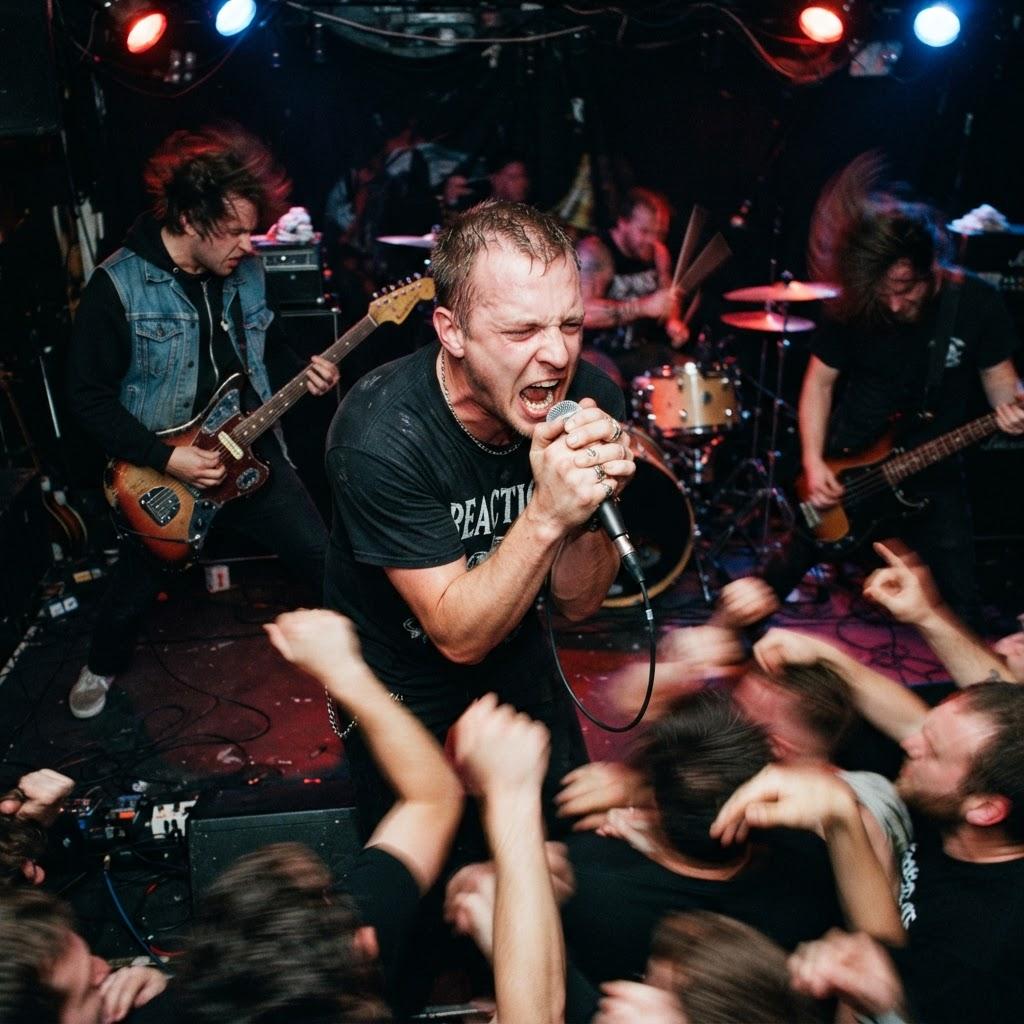
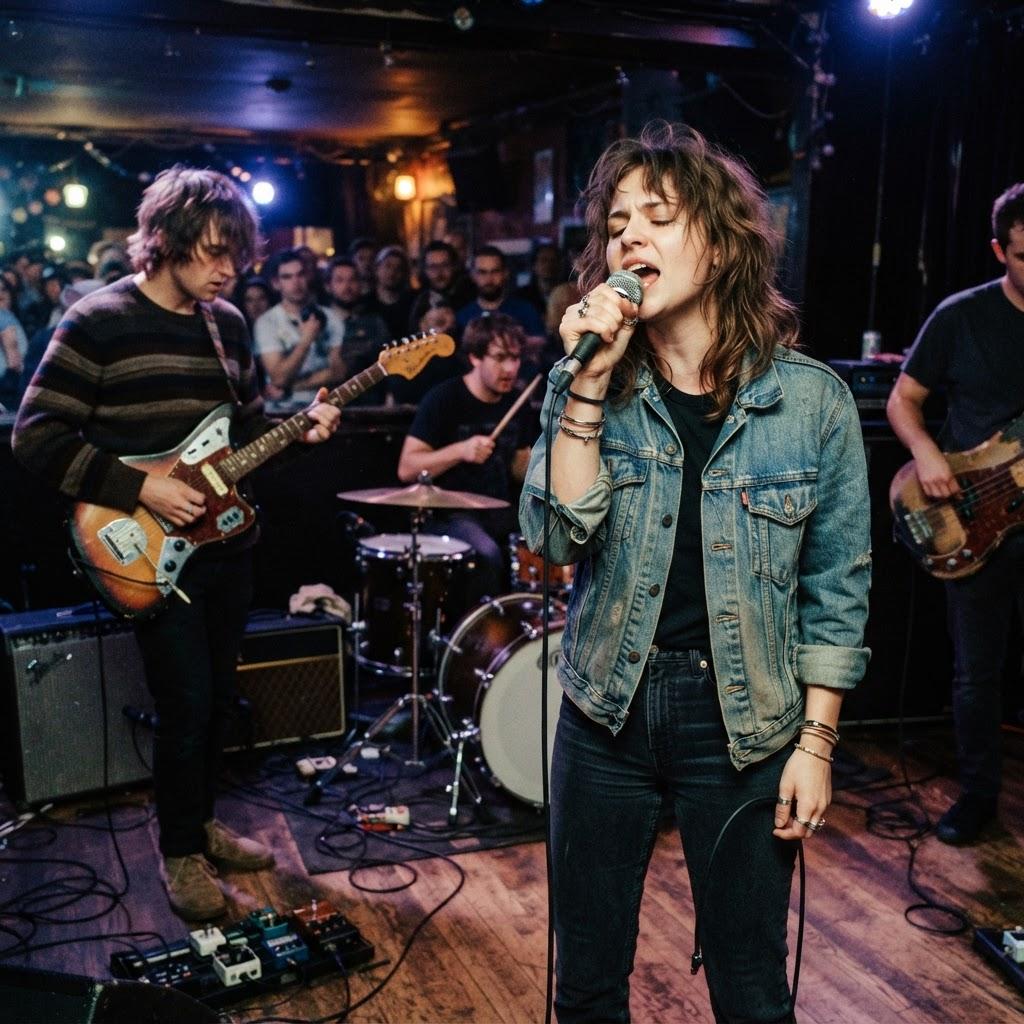
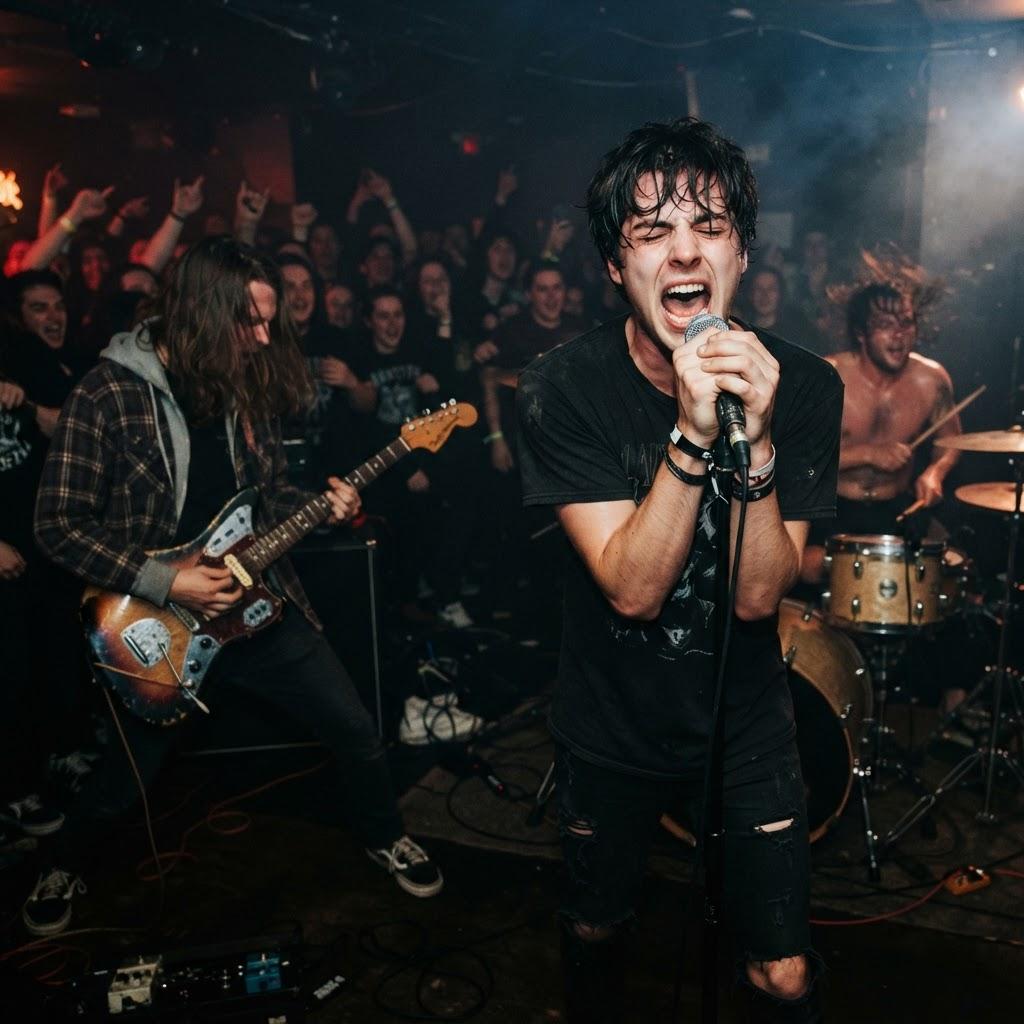
At its core, Emo is built on a foundation of 'dynamic contrast,' which is a fancy way of saying it loves to play the game of 'quiet-loud-quiet.' Imagine you are whispering a deep, dark secret, and then suddenly you shout that same secret into a megaphone while your friends play instruments in the background. That is Emo. The guitars often utilize something called 'arpeggiation'—which just means playing the notes of a chord one by one rather than all at once—to create a sparkly, shimmering, and slightly melancholic sound. These guitars are usually fed through effects pedals that add 'delay' or 'reverb,' essentially making the guitar sound like it is being played inside a giant, empty cathedral. The rhythm section, comprised of the bass and drums, acts as the anchor, providing a frantic, driving beat that keeps the whole thing from floating away into pure sadness. Time signatures are frequently toyed with; you might think you are dancing to a standard beat, but then the drums will suddenly shift gears, making you trip over your own sneakers. The vocals are the true engine here, ranging from delicate, shaky whispers to raw, throat-shredding screams that sound like they are coming from the very bottom of the singer's soul, ensuring that every drop of sweat and every ounce of pain is fully accounted for.
Origins & Birth of the Sound
The story of Emo starts in the mid-1980s, specifically in the sweltering, high-energy basement venues of Washington D.C. At the time, the hardcore punk scene was ruling the streets, but some people found the 'tough guy' attitude of traditional punk a bit restrictive. They wanted to scream, sure, but they also wanted to talk about their feelings without being told they were being 'soft.' Bands like Rites of Spring and Embrace looked at the blistering speed of punk and decided to inject it with a heavy dose of introspection. They weren't singing about politics or breaking stuff; they were singing about the dizzying complexity of being a human being in the modern world. It was a radical act of vulnerability. These artists were essentially taking the high-octane engine of a race car and trying to drive it through an art gallery. The scene was tiny, sweaty, and incredibly focused on the DIY ethos, meaning if you wanted to hear the music, you had to organize the show yourself, print the flyers by hand, and convince a friend to lend you their parents' van. It was a revolutionary moment where the aggression of the past met the vulnerability of the future, creating a brand new way to be loud.
The Pioneers & Legends
If you are looking for the architects of this emotional skyscraper, you have to look at the visionaries who took those first steps. Rites of Spring are widely considered the 'patient zero' of the genre; their music was frantic, messy, and felt like someone was ripping their own heart out in front of you. Then came the legendary bands of the 90s, like Sunny Day Real Estate, who added a thick layer of 'indie rock' grit, making the sound feel vast, cinematic, and deeply layered. You cannot talk about the heavy hitters without mentioning Jawbreaker, who brought a kind of street-level honesty and storytelling that made you feel like you were listening to a friend’s deepest secrets over a lukewarm beer. These artists weren't trying to be rock gods in gold-plated jumpsuits; they were trying to be real, and their refusal to sand down their rough edges turned them into mythical figures for anyone who felt out of place. Whether it was the raw, jagged intensity of the early days or the more polished, anthem-ready vibes that followed, these legends built a house that millions of people would eventually call home, proving that you could build a career out of being honest about your trauma.
Defining Tracks & Era-Defining Moments
Some songs are just lightning in a bottle, and in the world of Emo, those songs are treated like sacred texts. Take a song like 'The Middle' by Jimmy Eat World—it turned the genre’s usual introspection into a stadium-sized anthem, proving that you could be vulnerable and still have the entire world singing along. Then there is the massive cultural earthquake caused by Dashboard Confessional, where Chris Carrabba sat on a stool with nothing but an acoustic guitar and a voice full of heartbreak, and suddenly, the entire music industry realized that teenagers were desperate to have their own awkward, messy experiences validated in song. Other tracks like 'Sugar, We're Goin Down' by Fall Out Boy represent the moment Emo burst out of the basements and onto MTV, proving that you could pack a song with clever, cynical wordplay and still have it play on every radio station in the country. These moments were not just about hit songs; they were the turning points where the genre moved from a secret handshake to a global movement, changing the trajectory of popular music forever and making sure that being 'the weird kid' was actually a pretty cool way to spend your Saturday night.
Subgenres & Offshoots
The Emo family tree is less of a tree and more of a tangled, wildly overgrown thicket. You have 'Midwest Emo,' which is known for its twinkly, math-like guitar patterns that sound like a winter morning—delicate, shivering, and precise. Then there is 'Screamo,' which is exactly what it sounds like; it takes the intensity and cranks it up until the melody is buried under a mountain of raw, visceral, lung-collapsing screams. If you want something a bit cleaner, there is 'Pop-Emo,' which takes the catchy hooks of top-40 radio and infuses them with the lyrical angst of a thousand bad breakups. We have even seen the rise of 'Emo-Rap,' where artists pull from the genre’s lyrical themes—loneliness, substance use, and existential dread—and mix them with heavy, booming hip-hop beats. It is a genre that refuses to stay in one place, constantly absorbing influences from jazz, metal, folk, and electronic music. It is like a musical chameleon that changes its skin every time it enters a new neighborhood, ensuring that no matter what kind of music you usually prefer, there is a strain of Emo that will inevitably sneak into your favorite playlist.
Cultural Impact & Influence
The cultural fingerprints of Emo are everywhere, even in places you wouldn't expect. Look at the fashion: skinny jeans, studded belts, thick-rimmed glasses, and hair that had been teased, dyed, and straightened into a work of art—that was the Emo uniform, and it challenged traditional ideas of what a 'rock star' should look like. It wasn't about looking like a tough guy; it was about looking like you had just spent the last forty-eight hours reading poetry in your bedroom. Beyond the clothes, Emo changed the way we talk about mental health in music. It made it okay to admit that you were sad, that you were angry, and that you were confused, effectively paving the way for a generation to be more open about their feelings. You see its influence in modern pop stars who write songs that are just as diary-entry honest as anything written in 2004. Even film and television have been permanently altered; the 'Emo kid' archetype has become a staple of coming-of-age stories, representing the quiet, observant, and deeply sensitive character who eventually finds their voice. Emo proved that you don't need to be a muscle-bound hero to be the main character of your own life.
Controversies & Drama
Oh, the drama! If you want a masterclass in petty squabbles and existential debates, just spend five minutes in an online forum dedicated to Emo. The biggest war of them all is the 'Is it real Emo?' debate, which pits the purists—who believe the genre died somewhere around 1996 in a D.C. basement—against the fans of the mainstream, chart-topping bands who believe that if it makes you cry in your bedroom, it’s Emo. You have had countless 'sellout' accusations hurled at bands simply for daring to appear on the radio or film a music video that didn't look like it was recorded on a toaster. Then there is the classic 'backstage beef,' where two bands would end up hating each other because of a misplaced guitar pick or a disagreement over who got to headline the show at the local VFW hall. It is all incredibly dramatic and, looking back, quite hilarious. These arguments are part of the charm, though; they show just how much people care about the music. In a way, the constant infighting is the most 'Emo' thing about the whole genre—nothing says 'I care too much' like writing a ten-page manifesto on why your favorite band changed their drum sound.
Global Spread & Regional Scenes
While it may have started on the East Coast of the United States, Emo didn't stay in the suburbs for long. It hopped on a plane and found a second home in places like the United Kingdom, where bands infused it with a bit of that classic British gloom, making the music feel like it was being played in a gray, drizzly park in Manchester. In Japan, the scene took on a different life, mixing the technical precision of their local indie scenes with the soaring melodies of American Emo, resulting in something that sounded like a futuristic, high-speed anime opening. Even in places like Brazil and Australia, local bands picked up the banner, creating their own regional flavors that incorporated local musical traditions while keeping that signature, gut-wrenching lyrical honesty. It was fascinating to see how the same basic ingredients—a guitar, a drum kit, and a whole lot of feelings—could sound so different when interpreted through the lens of a different culture. It turned into a global language of heartache, proving that whether you are in a basement in Tokyo or a community center in London, the feeling of being misunderstood is universal.
The Modern Landscape
Today, Emo is experiencing a massive 'renaissance,' though it’s less about dusty records and more about the internet. You can find traces of Emo in the modern hyper-pop scene, where artists are using distorted, auto-tuned vocals to express the exact same existential angst that bands were singing about twenty years ago. TikTok has become the new basement, with millions of young fans rediscovering the classics while simultaneously creating new 'emo-adjacent' sounds that fit the short, punchy, and highly visual nature of the platform. The lines between genres have completely blurred, and that is a good thing. You have rappers citing Emo bands as their biggest influences, and pop stars releasing songs that have clear, unmistakable Emo guitar riffs. The culture is no longer just about the specific look; it’s about the spirit of unvarnished vulnerability. It is thriving because, surprisingly enough, people still feel sad, they still have their hearts broken, and they still want to scream about it. As long as there is an internet to share your secrets with, Emo will find a way to evolve, mutate, and survive, proving that the genre was never really a 'phase'—it was just a way of living.
How to Dive In
If you are ready to take the plunge into the bottomless pit of Emo, don't worry—we’ve got you covered. Start your journey with 'Diary' by Sunny Day Real Estate, which is a near-perfect introduction to the genre’s melodic roots. Once you’ve caught your breath, blast 'Bleed American' by Jimmy Eat World to get a feel for how the genre sounds when it finally decides to conquer the stadium. If you want to experience the raw, basement-dwelling intensity, spin 'The Power of Failing' by Mineral; it’s the kind of record that makes you want to stare at the ceiling and contemplate the universe for three days straight. For those who want the pop-infused, high-drama side of things, put 'The Black Parade' by My Chemical Romance on your list—it is essentially a rock opera that captures the theatrical peak of the genre. Check out playlists that feature bands like American Football, Taking Back Sunday, and Cap'n Jazz to get a sense of the wide spectrum. Once you start, you’ll find that every song acts as a gateway to ten more, and before you know it, you’ll be hunting down rare vinyl and debating the merits of different guitar tunings at three in the morning. Just remember: there is no wrong way to listen, so turn it up, let the feelings wash over you, and don't be afraid to sing along at the top of your lungs.