1970s and 1980s
Indie Pop
Indie Pop is the musical equivalent of a thrift-store cardigan that somehow fits perfectly and smells like fresh vinyl. It is the sound of bedroom dreams, catchy hooks, and the glorious realization that you do not need a million-dollar studio to change the world.
Meet the Genre
Imagine walking into a room where everyone is wearing vintage sweaters, nursing lukewarm cups of artisanal coffee, and secretly hoping that someone asks them about their favorite obscure record label. That is the spiritual home of Indie Pop. It is not just music; it is an aesthetic, a state of mind, and a gentle middle finger to the polished, soulless machinery of mainstream corporate pop. Indie Pop is the musical equivalent of a handwritten letter tucked into a library book—it is personal, slightly messy, and entirely charming. It values the crackle of a cheap microphone and the imperfection of a slightly off-key harmony more than the sterile, robotic precision of a stadium-filling blockbuster. If mainstream pop is the glittery, high-budget blockbuster movie that costs three hundred million dollars to produce, Indie Pop is that quirky, low-budget indie film that everyone ends up obsessed with because the dialogue actually feels real. It thrives on melodies that get stuck in your brain like gum on a shoe and lyrics that treat teenage heartbreak or mundane grocery shopping with the dramatic weight of a Greek tragedy. It is sunshine filtered through a slightly dusty windowpane.
The Sound & Signature Elements
The sonic DNA of Indie Pop is built on a foundation of 'jangly' guitars—think of an electric guitar played with plenty of high-end sparkle, often pushing through a thin, sharp amplifier that makes the strings ring out like a chorus of bells. This is often called a 'clean' tone, meaning the sound is crisp and undistorted, unlike the heavy, growling metal distortion you hear in rock. The rhythm section is rarely aggressive; instead, it provides a bouncy, driving pulse that invites you to tap your foot rather than mosh. You will frequently hear the 'lo-fi' aesthetic, which is just a fancy way of saying the recording sounds like it was done in someone’s bedroom closet rather than a multi-million dollar studio. This intimacy is key. Vocalists in Indie Pop tend to sound like they are singing directly to you, whispering secrets or declaring undying love from five feet away. The song structures are usually simple—verse, chorus, bridge, chorus—because the magic lies in the melody, not in complex, show-offy guitar solos that go on for ten minutes. It is musical minimalism with maximum heart, proving that three chords and a decent sense of melody can still stop a heartbeat.
Origins & Birth of the Sound
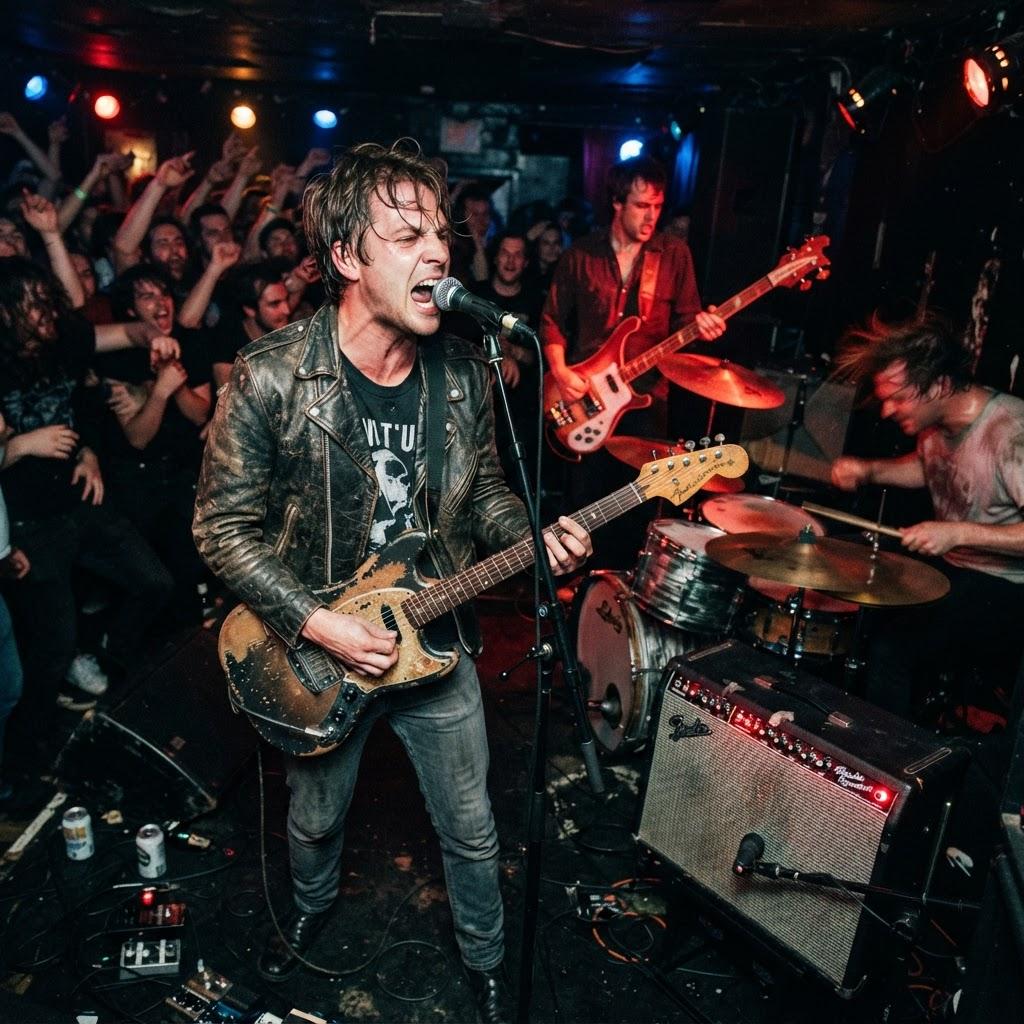
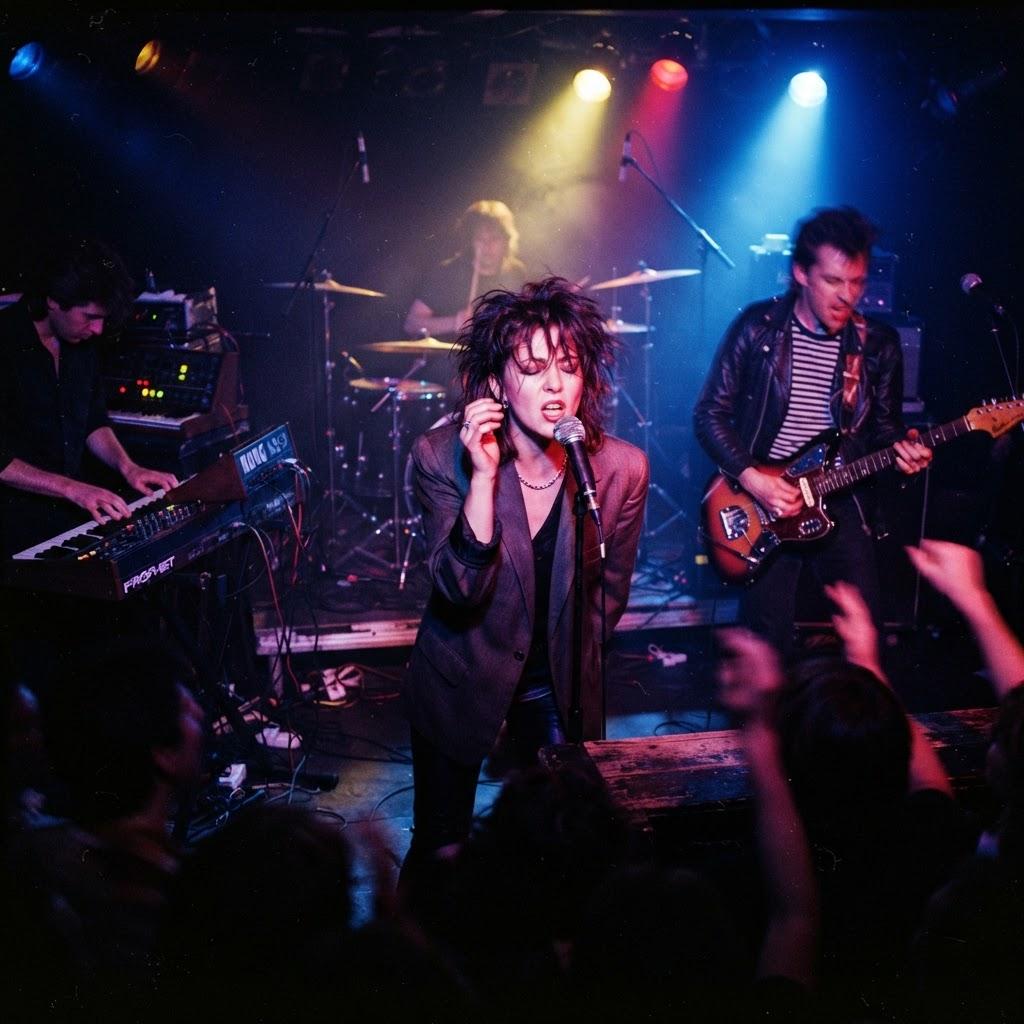
Indie Pop did not emerge from some glittering laboratory; it grew out of the damp, gray streets of late seventies and early eighties Britain. After the explosive, angry fire of punk rock faded, a new breed of music nerds realized they did not need to be aggressive to be rebellious. They picked up their guitars and decided that being sensitive was the new punk. They formed bands in drafty basements, printed their own fanzines on photocopiers, and started their own record labels because the major labels wouldn't touch their weird, melodic inventions with a ten-foot pole. It was an act of creative defiance. Why wait for a suit in a skyscraper to approve your vision when you can record it yourself on a four-track cassette recorder? This DIY—or 'Do It Yourself'—spirit was the engine that drove the genre. It was a reaction against the excess of stadium rock and the icy, robotic feel of early synthesizer pop. These creators wanted to make music that felt human, fragile, and utterly accessible. They turned the garage into a sanctuary where vulnerability was not just allowed; it was the primary currency.
The Pioneers & Legends
To understand Indie Pop, you must pay homage to the kings and queens who first set the template. First, you have The Smiths, a band that proved you could be the gloomiest person in the room while writing the catchiest pop songs ever made. Morrissey’s poetic, melancholic lyrics paired with Johnny Marr’s intricate, swirling guitar layers changed the rules forever. Then there is The Pastels, a Scottish band that championed the 'C86' sound—an explosion of DIY tape culture that became the gold standard for indie purity. Let us not forget Orange Juice, who brought a funky, post-punk groove to the mix, proving that sensitivity and a danceable rhythm section could coexist quite comfortably. These pioneers did not just play music; they curated a lifestyle. They looked like the kid next door, dressed in thrift-store layers, and insisted that if they could do it, anyone could. They created a lineage of 'indie heroes' who valued creative integrity over commercial success, a torch that has been passed down through generations of bedroom producers and guitar-strumming dreamers who still believe that a song can save your life.
Defining Tracks & Era-Defining Moments
If you want to understand the genre, you need to listen to the tracks that blew the doors off the hinges. Start with The Smiths' 'This Charming Man.' That opening guitar riff is essentially the 'Hello World' of the entire genre; it is bright, urgent, and perfectly captures that feeling of being a slightly awkward outsider with a big heart. Then there is 'Blue Boy' by Orange Juice, a track that taught everyone that you could have a jittery, nervous energy and still make it sound like a pop anthem. We also have to mention 'Velocity Girl' by Primal Scream, a song that perfectly distilled that late-eighties indie jangle into a short, sharp burst of sonic adrenaline. These songs were not just hits; they were manifestos. They were played on college radio stations, passed between friends on labeled cassettes, and acted as a secret handshake for a global tribe of listeners. When you hear these tracks, you are not just hearing music; you are hearing the moment an entire generation decided that being normal was overrated and that the best songs are the ones that sound like they were recorded by a best friend.
Subgenres & Offshoots
Like a sprawling family tree, Indie Pop has sprouted all sorts of weird and wonderful branches. You have 'Twee Pop,' which is the sugary, innocent, and unabashedly cute younger sibling that loves ukuleles and polka-dot dresses. It is the musical equivalent of a kitten playing with a ball of yarn. Then there is 'Dream Pop,' which takes the Indie Pop template and drowns it in so much reverb—an effect that makes the instruments sound like they are echoing in a giant, underwater cathedral—that the whole thing feels like a hazy, sun-drenched fever dream. There is also 'Chamber Pop,' which adds orchestral flourishes like violins, cellos, and horns to the indie sound, making it feel slightly more sophisticated, like an indie band that went to art school and decided to start wearing bowties. Each of these subgenres takes that core desire for personal, unpolished expression and twists it into a new shape, proving that as long as you have the spirit of DIY, you can experiment with almost anything and still keep the indie soul intact.
Cultural Impact & Influence
Indie Pop did more than just fill up our playlists; it fundamentally altered how we view music culture. It birthed the 'indie sleaze' aesthetic, influenced how film directors color-grade their scenes, and made the 'quirky protagonist' a staple of modern cinema. Think of the soundtracks to movies like 'Juno' or '500 Days of Summer'; that is pure Indie Pop energy, defining an entire era of film as much as it defined the music charts. The genre also revolutionized fashion. The 'indie' look—cardigans, thick-rimmed glasses, and unkempt hair—was a direct visual extension of the music’s rejection of the hyper-glamorous, big-hair eighties. Beyond the looks, it changed the music industry by proving that you didn't need a massive label to get heard. The rise of independent record stores and the democratization of music distribution are direct legacies of the Indie Pop spirit. It taught a generation of listeners to look for music that felt personal, leading to the rise of the 'tastemaker'—the friend who always knows the band before they get famous, a role that eventually paved the way for modern music discovery on platforms like Spotify and TikTok.
Controversies & Drama
Oh, the drama! If you think Indie Pop is all sunshine and tambourines, you have clearly never been to a message board during a 'sellout' debate. The most famous conflict in the genre’s history is the constant, never-ending battle between 'true' independent artists and those who dared to sign with major labels. If a band became too popular, they were often accused of betraying the very ethos that birthed them. It is the 'purist trap'—the idea that if your music is good enough to be liked by many people, it is somehow less valuable than music that only three people in a basement in Bristol have heard. Then there were the 'scene wars,' where rival sub-genres would trade insults in music magazines, debating whether a synthesizer had any place in a guitar-focused movement. It was all very petty, deeply passionate, and ultimately fueled by a fierce protective love for the music. Everyone wanted their favorite band to be successful, but only as long as they didn't change the sound that made them special in the first place—a contradiction that has kept fans arguing for decades.
Global Spread & Regional Scenes
Indie Pop proved that you don't need to be from London to understand the language of the indie heart. In Sweden, bands like The Radio Dept. turned the genre into something chilly, minimalist, and deeply atmospheric, as if they were channeling the long, dark winters into their reverb-drenched synths. Across the ocean, the American scene—specifically in places like Olympia, Washington—created the 'K Records' sound, which was so stubbornly anti-corporate and lo-fi that it practically redefined what a 'professional' recording was supposed to be. Meanwhile, in Japan, the 'Shibuya-kei' movement took the jangly, cute aspects of Indie Pop and mashed them up with jazz, bossa nova, and kitschy sixties pop culture, creating a vibrant, colorful, and hyper-stylized version of the genre that felt like a neon-lit dream. Every region took the basic Indie Pop ingredients—earworm melodies, emotional lyrics, and DIY heart—and threw in their own local spices, proving that this was truly a universal language for the young, the hopeful, and the slightly melancholy.
The Modern Landscape
Today, Indie Pop is everywhere. In fact, it is so ubiquitous that it has practically swallowed the mainstream whole. When you hear a TikTok trend featuring a bedroom-recorded song with minimal production and intimate vocals, you are hearing the direct descendants of the eighties indie movement. The barriers to entry have never been lower; with a laptop and a decent microphone, any teenager can record a hit in their bedroom, bypass the traditional label gatekeepers, and find an audience of millions. The genre has evolved from a scrappy, basement-dwelling underdog into the primary sound of the digital age. Modern artists like Clairo, Rex Orange County, and Phoebe Bridgers embody the spirit of the original pioneers, though they often use modern production tools to create soundscapes that are technically more complex while remaining just as emotionally raw. The definition of 'Indie' has expanded to mean more of a feeling or a vibe than a strict business model, but the core—the desire to share a piece of one’s soul through a catchy hook—remains exactly the same.
How to Dive In
Ready to join the club? Stop what you are doing and start by queuing up 'The Queen Is Dead' by The Smiths—it is the holy grail. Once you have absorbed that, travel over to 'The Lucksmiths' for that quintessential jangle, and then dive into the dreamy, hazy textures of Belle and Sebastian’s 'If You're Feeling Sinister.' If you want something a bit more modern, put on Clairo’s 'Immunity' to see how the genre has adapted to the digital era. Don't look for technical perfection; look for the moments where the vocal cracks or the guitar feedback squeals just a little bit too much—that is where the magic lives. Search for playlists titled 'C86' or 'Bedroom Pop' to find hidden gems, and don't be afraid to click on the weird, obscure band names that look like they were named by a moody poet. Indie Pop is a vast, beautiful ocean of melody and vulnerability, and the best part is that there is always room for one more listener. So, turn up the volume, embrace the jangle, and enjoy the ride—you are officially part of the scene now!