Late 1970s to mid-1980s
New Wave
New Wave is the musical equivalent of a neon-soaked caffeine high, blending the raw angst of punk with the shiny, synth-driven optimism of the future. It is the sound of the 1980s discovering it could wear eyeliner, own a computer, and dance until the sun comes up.
Meet the Genre
Imagine you are at a party where everyone is wearing geometric shapes, neon colors, and haircuts that defy the laws of gravity. Suddenly, the disco ball stops spinning, the heavy metal guys get kicked out, and someone plugs a keyboard directly into a wall socket. That is the exact moment New Wave was born. It is the musical equivalent of a frantic, delightful sugar rush, mixing the raw, angry spirit of punk rock with a newfound obsession for space-age technology. New Wave did not just want to make you stomp your feet; it wanted to make you think, dance, and feel slightly confused about the future all at the same time. It is a genre that refuses to be boring, constantly shifting between cynical social commentary and bubblegum-sweet melodies. Whether it is the jittery angst of a nervous singer or the infectious, pulsing rhythm of a drum machine, New Wave is the vibrant, nervous energy of an era that was finally waking up to the digital age. Put on your shades, even if you are indoors, because this genre is blindingly bright.
The Sound & Signature Elements
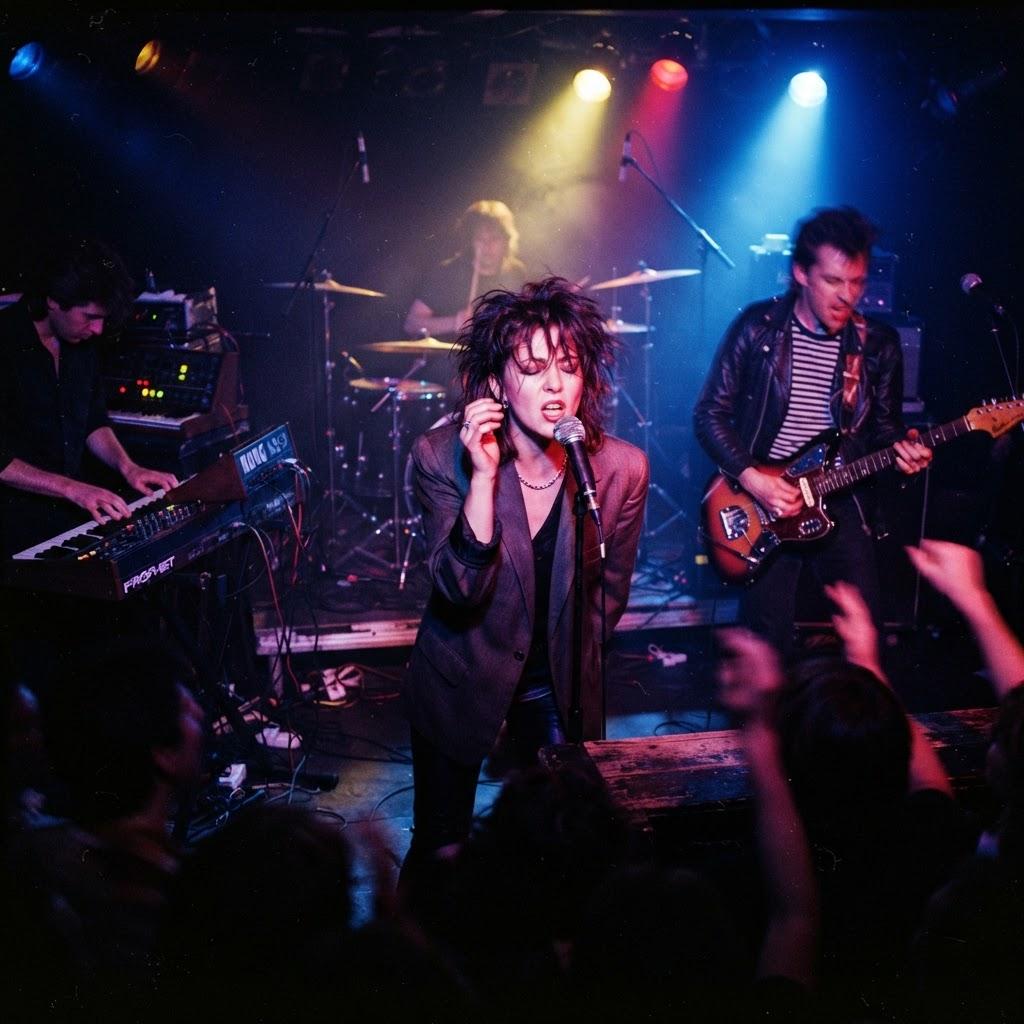
New Wave is all about the friction between the organic and the mechanical. You take a standard rock band—guitar, bass, and drums—and throw a chaotic, chirping synthesizer into the mix. Think of the synthesizer as that one eccentric cousin who shows up to Thanksgiving dinner in a tuxedo and starts reorganizing the furniture; it changes the entire vibe of the room. The tempo is usually brisk, sitting firmly in the 'let’s dance or let’s run away' zone of 120 to 140 beats per minute. The production often uses 'gated reverb,' which is just a fancy way of saying they cut the sound of the drums off abruptly so it sounds sharp and professional rather than echoing like a cathedral. The guitar work isn't about heavy, swampy power chords like in hard rock; instead, it uses 'staccato' playing, which means short, choppy, and percussive notes that snap like a rubber band. Vocals are rarely bluesy or soulful; they are often clipped, slightly detached, or delivered with a theatrical, almost sarcastic inflection that makes the singer sound like they know something you don’t.
Origins & Birth of the Sound
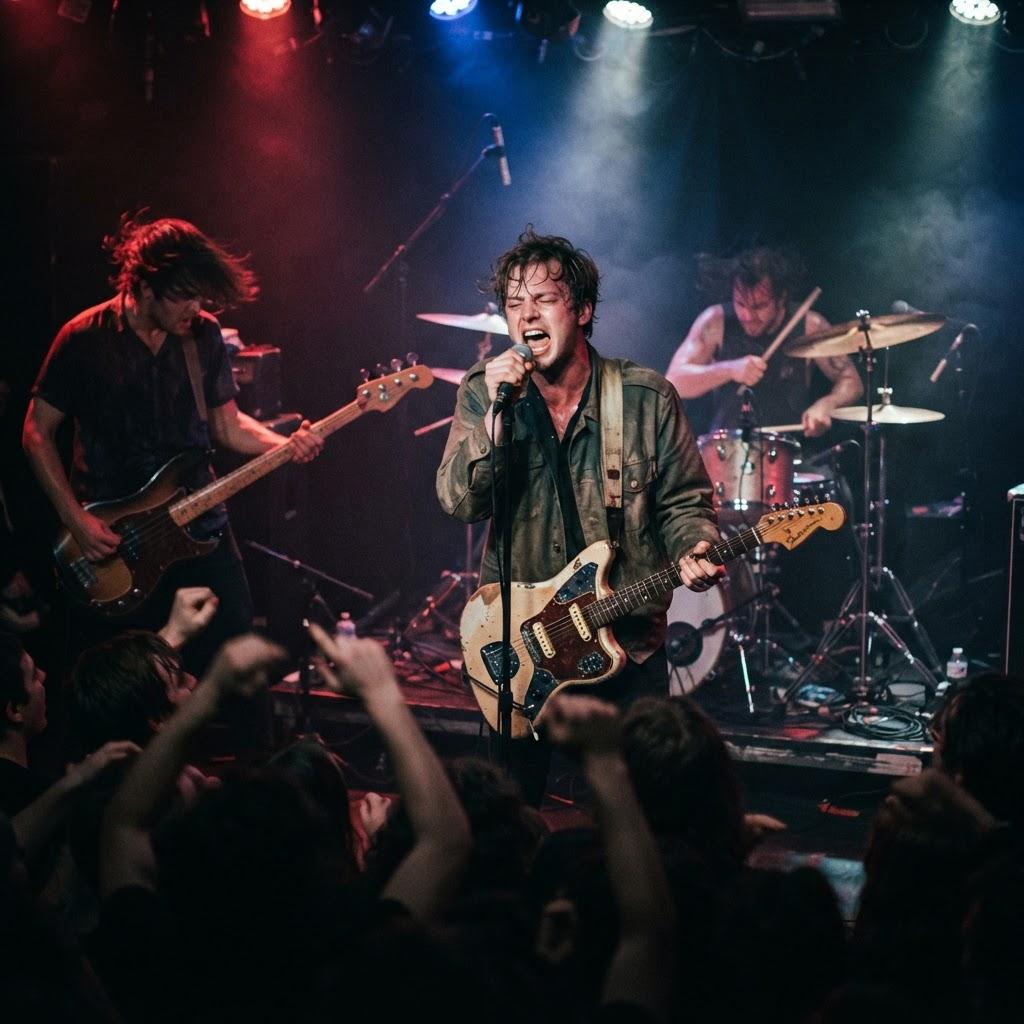
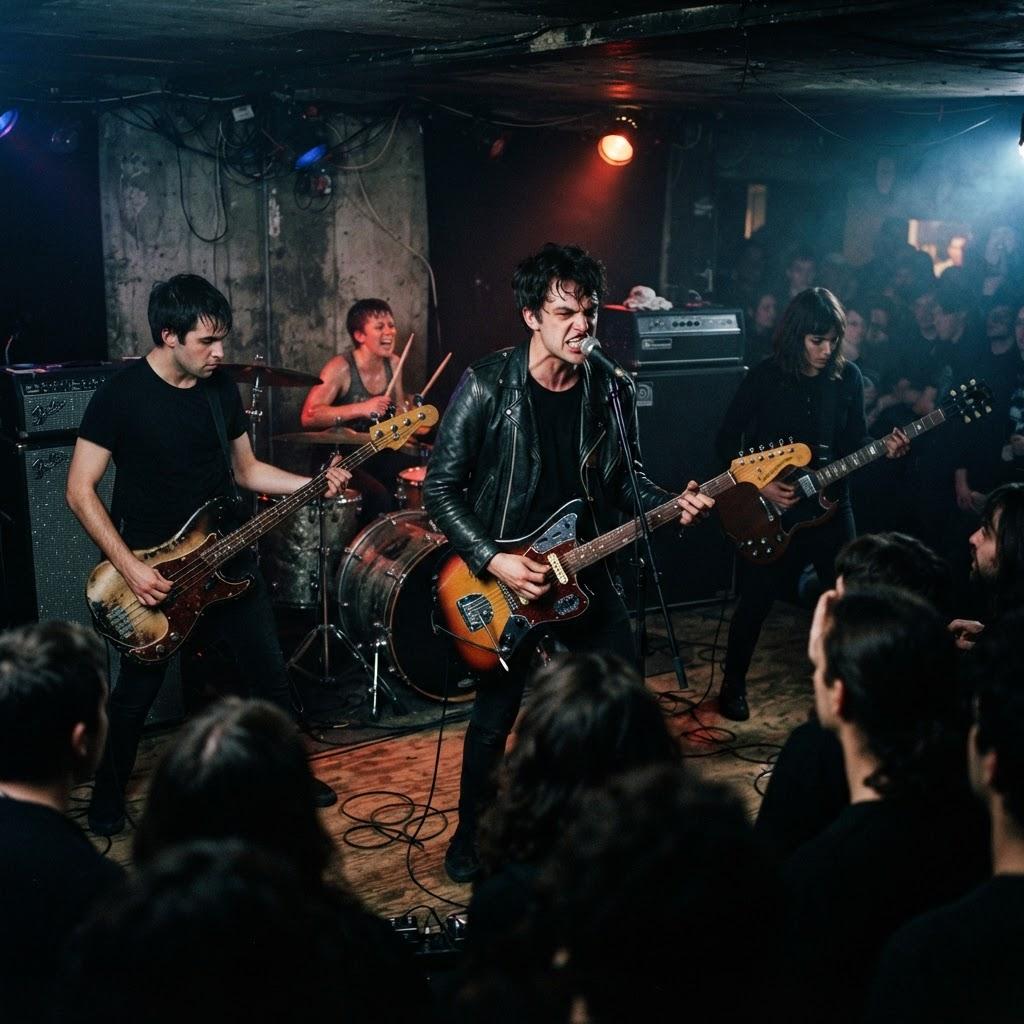
New Wave did not drop from the sky; it crawled out of the grime of the late 70s London and New York underground scenes. Punk had exploded, burning through the status quo with a match, but once the dust settled, musicians were left staring at a blank wall. They didn't want to go back to the boring, long-winded guitar solos of 70s prog-rock, but they also didn't want to just keep yelling at the government forever. In damp, smoke-filled clubs like CBGB in New York or the Roxy in London, artists began experimenting. They started raiding radio stations for inspiration, borrowing the infectious hooks of Motown, the weirdness of German experimental electronic music, and the fashion sense of art-school dropouts. It was a period of frantic creative defiance. Musicians realized that being a 'rock star' was dead, and being an 'artist' with a quirky visual identity was the new way forward. They traded leather jackets for plastic suits, and overnight, the garage band became a lab for sonic experiments. It was a messy, brilliant, and absolutely glorious transition that bridged the gap between the street and the mainframe.
The Pioneers & Legends
To understand New Wave, you have to look at the architects who built the skyscraper. Blondie is the undisputed queen of the scene, with Debbie Harry acting as the ultimate bridge between the grit of the Bowery and the glossy sheen of pop royalty. Then you have Talking Heads, led by the perpetually nervous David Byrne, who proved that you could be a genius and a nerd simultaneously, turning anxious rambling into rhythmic gold. Devo took the 'New' in New Wave literally, donning yellow hazmat suits and flowerpot hats to mock the stagnation of human evolution with their mechanical, robotic funk. Elvis Costello brought a biting, lyrical wit that proved you could be the smartest guy in the room while writing songs that were essentially pop perfection. And who could forget The Cars? They took everything the genre stood for—the synths, the hooks, the polish—and turned it into radio-friendly earworms that defined an entire decade. These pioneers weren't just musicians; they were conceptual artists who understood that the persona was just as important as the pedalboard.
Defining Tracks & Era-Defining Moments
If you want to know what New Wave sounds like in a nutshell, go listen to Blondie’s 'Heart of Glass.' It is the moment the punk kids admitted they secretly loved disco and decided to beat the disco divas at their own game. Then, queue up 'Once in a Lifetime' by Talking Heads. That song is a nervous breakdown you can dance to, and the music video—featuring David Byrne having an exorcism-like dance in front of the camera—is the visual blueprint for the entire decade. We also have to mention 'Whip It' by Devo, a track so strange and catchy that it somehow managed to make high-concept social commentary a Top 40 hit. Every one of these songs functioned as a pivot point; they proved that audiences were hungry for something that felt like the future. These tracks weren't just songs; they were cultural injections that changed how people looked at fashion, production, and the very idea of what a 'hit' record could be. When these songs hit the radio, the old guard of rock music looked over their shoulders and realized they were officially obsolete.
Subgenres & Offshoots
New Wave is not a solo act; it is the parent of a massive, unruly family. First, you have Synth-Pop, which took the 'Wave' and distilled it down to just the synthesizers, stripping away the guitar entirely to create a clean, robotic sound that dominated the mid-80s. Then there is the 'Cold Wave,' which sounds exactly like the name suggests—bleak, shivering, and stripped back to the bare essentials in a dark room. On the other end of the spectrum, you have the Ska Revival, which merged the New Wave energy with Jamaican rhythms to create a high-speed, brass-heavy party sound that hit the UK charts hard. Don't forget the 'New Romantic' scene, which looked at New Wave and said, 'This needs more ruffles, more makeup, and more dramatic posing.' They leaned into the theatrical side of things, making the music feel like a soundtrack to a 19th-century gothic novel reimagined in a spaceship. Each of these subgenres took one specific ingredient from the original New Wave recipe and turned the volume up to eleven, creating a splintered landscape where there was truly something for every kind of weirdo.
Cultural Impact & Influence
New Wave didn't just change the charts; it changed the world. It was the movement that brought MTV into existence. When the network launched, it needed music that looked as good as it sounded, and New Wave bands were perfectly positioned to deliver the visuals. The influence on fashion was catastrophic, in the best way possible—asymmetrical haircuts, oversized blazers, fingerless gloves, and enough hairspray to deplete the ozone layer became the standard uniform. It also fundamentally shifted the gender dynamic of music. Women like Siouxsie Sioux and Annie Lennox were no longer just 'the singer'; they were iconic, powerful, and often androgynous figures who demanded to be taken seriously on their own terms. Beyond music, New Wave changed film—think of the frantic, kinetic editing in 80s movies like 'Ferris Bueller’s Day Off' or 'Pretty in Pink,' which owe their entire aesthetic to the nervous energy of the genre. It taught a generation that you could be an outsider, wear something weird, and find your community in the glow of a synthesizer screen.
Controversies & Drama
Oh, the drama! Being a New Wave fan in the early 80s was like being in a constant state of turf war. You had the 'Real Rock' purists—people who believed that if it didn't involve a distorted guitar solo, it wasn't music. They looked at the guys in New Wave bands playing synthesizers and called them 'fake,' 'soulless,' or 'button pushers.' It was a classic case of generational gatekeeping. Meanwhile, inside the New Wave scene, there was the 'Sellout' debate. Once a band signed to a major label and polished their sound to be radio-ready, the underground crowd would immediately turn on them, branding them as corporate puppets. There were backstage arguments about whether it was 'punk enough' to use a drum machine, and the rivalry between the various fashion camps—the 'minimalist artsy' crowd versus the 'glamour-obsessed' New Romantics—was fierce. Musicians would constantly insult each other in the press, accusing their peers of being too obsessed with synthesizers or being 'too commercial.' It was a petty, messy, and incredibly entertaining cycle of ego and artistic posturing that kept the music papers selling copies every single week.
Global Spread & Regional Scenes
New Wave was a global virus, and we mean that in the most complimentary way possible. While it started in London and New York, it quickly hopped on a plane to Tokyo, where the Yellow Magic Orchestra transformed the genre by infusing it with Japanese technological precision and a unique, minimalist sensibility. In Australia, bands like INXS took the slick production of New Wave and added a swaggering, blue-eyed soul grit that made them massive worldwide. In Germany, the genre collided with the cold, concrete reality of the Berlin wall, producing a darker, more industrial-leaning sound that felt like walking through an abandoned warehouse at three in the morning. Even in places like Canada and New Zealand, local scenes popped up that mixed the global synth sound with indigenous flavors of folk and independent pop. It was a fascinating case study in 'remix culture,' where the base ingredients remained the same, but the final dish changed completely depending on who was in the kitchen. It proved that the urge to synthesize the future is a universal human trait.
The Modern Landscape
Is New Wave dead? Absolutely not. It is lurking in the DNA of almost everything you listen to today. Every time you hear a modern indie-pop band using a sparkly, 80s-style synth lead, you are hearing the ghost of New Wave. The genre has found a massive second life on the internet, with modern artists like The Killers or even pop giants like Dua Lipa leaning heavily into those retro-futuristic textures. TikTok has turned old New Wave deep cuts into viral sensations, introducing teenagers to the magic of a gated-reverb drum fill. It is a genre that thrives in the modern landscape because, strangely, we live in a world that feels just as digitally anxious as the one that created the genre. The 'lo-fi' movement and 'synthwave' aesthetic are essentially love letters to the 1980s, proving that the dream of the future never actually goes away; it just gets updated with better software. New Wave isn't a museum piece—it is a living, breathing influence that continues to dictate what sounds cool and what sounds like 'yesterday's news.'
How to Dive In
So, how do you start your journey into this neon-soaked dreamland? First, grab 'Parallel Lines' by Blondie—it is the holy grail. If you want something that will make you feel like you are walking through a rainy city at night, put on 'Remain in Light' by Talking Heads. For the full, manic experience, spin 'Q: Are We Not Men? A: We Are Devo!' and prepare to have your worldview adjusted by a group of guys in flowerpots. If you are feeling moody, find a copy of 'The Scream' by Siouxsie and the Banshees. Do not stop there; look for tracks like 'Just What I Needed' by The Cars, or 'Cars' by Gary Numan if you want to know what a robot would sound like if it fell in love. Keep your ears open for the interplay between the bass and the keyboards, and remember: if it makes you feel like dancing while simultaneously questioning the stability of the space-time continuum, you are doing it right. Turn it up, get lost in the synths, and welcome to the bright, neurotic, beautiful world of the New Wave.