1980s
Alternative Rock
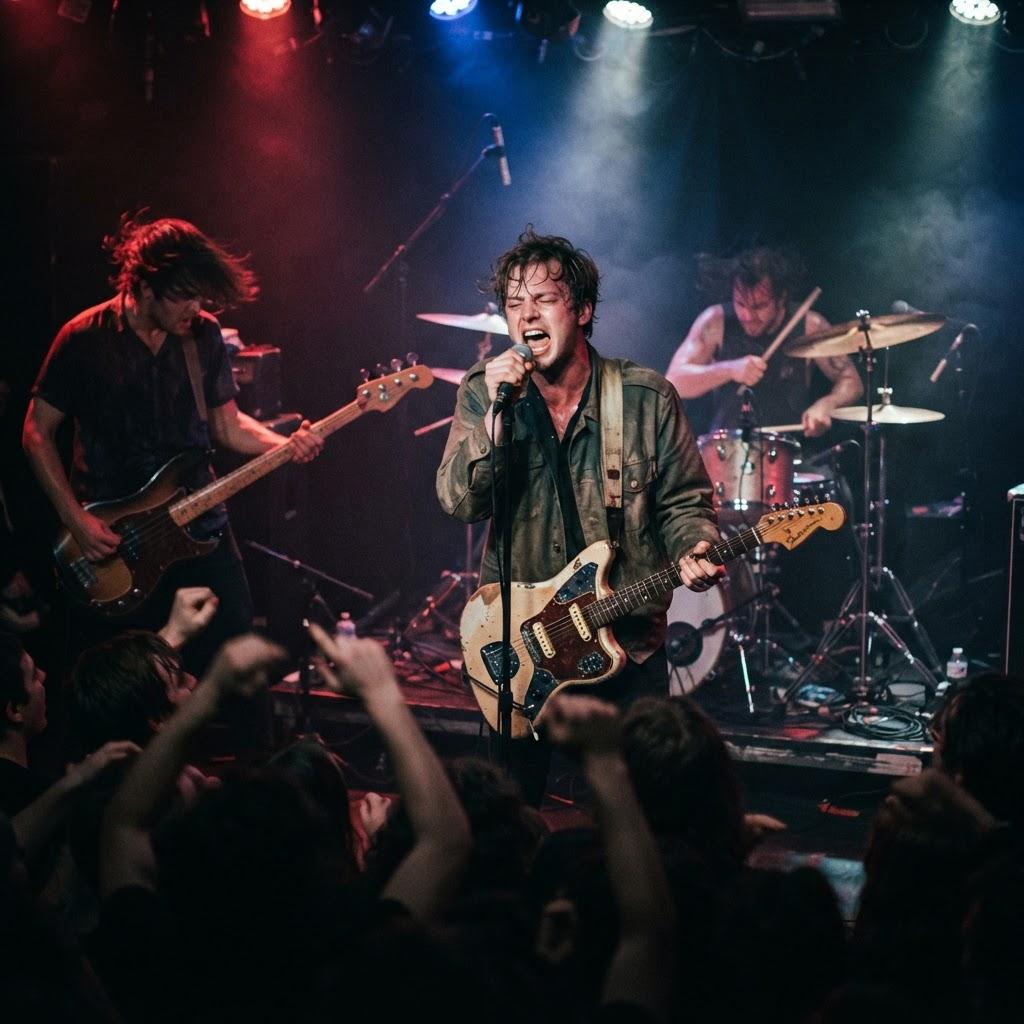
Alternative Rock is the sonic equivalent of a moody teenager wearing a vintage flannel shirt while screaming their deepest secrets into a distorted microphone. It is the glorious, jagged backbone of modern angst and the reason you still own a guitar you barely know how to play.
Meet the Genre
Alternative Rock is the musical equivalent of walking into a party where nobody knows the host, yet everyone feels strangely at home. It is that awkward, brilliant kid in the back of the classroom who refused to wear the school uniform because they were too busy sketching surrealist art on their sneakers. If pop music is the pristine, airbrushed billboard on the highway, Alternative Rock is the spray-painted mural hidden behind the abandoned warehouse that actually tells you the truth about the world. It thrives on a cocktail of raw emotion, self-doubt, and the sheer audacity to play three chords in a way that makes you want to both jump up and down and cry into your pillow. It is not just a genre; it is a permanent state of mind, defined by the refusal to fit into the shiny, polished boxes that the radio stations tried to build for it. From the jangly, nervous energy of the early eighties to the monolithic, wall-of-sound fuzz that defined the nineties, Alternative Rock remains the undisputed champion of the 'I feel weird, but that is actually cool' demographic. It doesn't care if you like it, and honestly, that is exactly why you do.
The Sound & Signature Elements
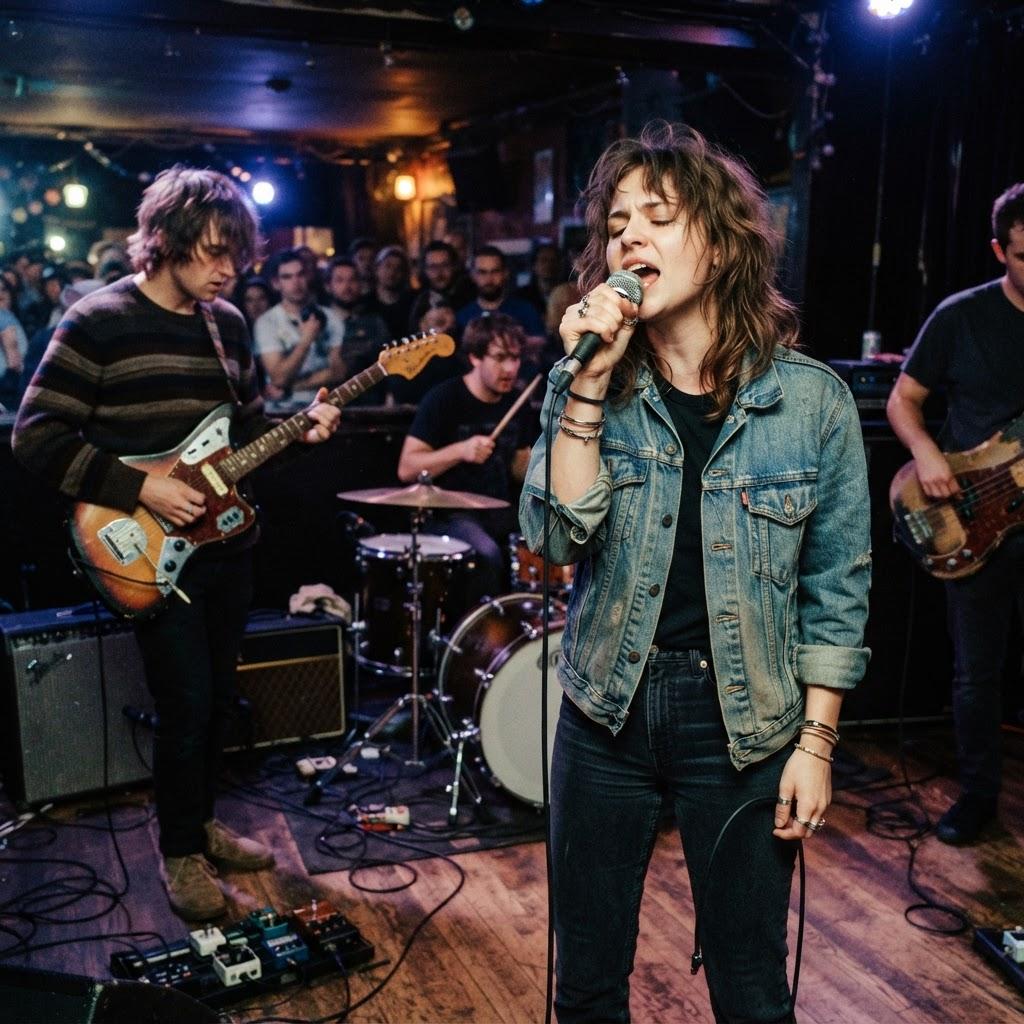
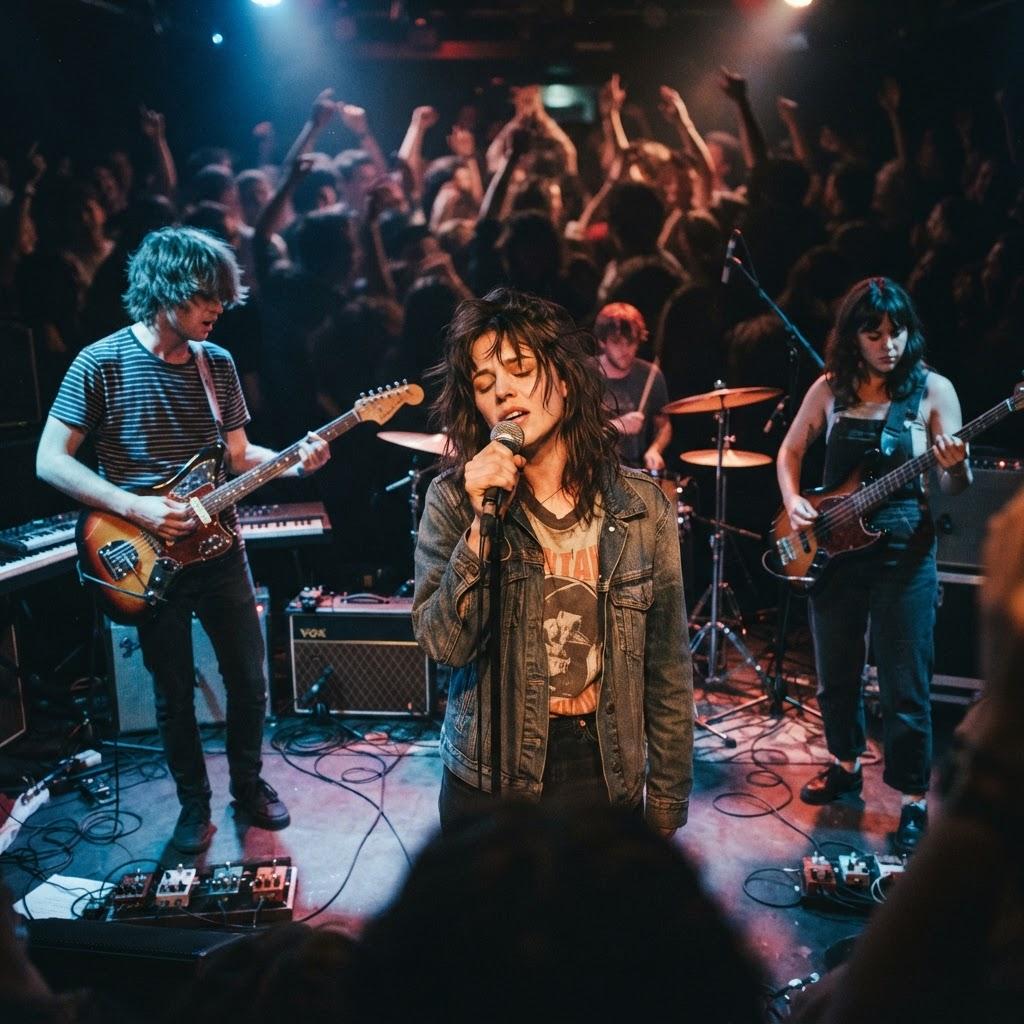
At its heart, Alternative Rock is built on the glorious, messy foundation of the 'Loud-Quiet-Loud' dynamic, a trick that basically involves whispering a dark secret and then shouting it through a megaphone to make sure everyone in the next zip code hears it. Musically, this relies heavily on the 'power chord,' which is like the Swiss Army Knife of music theory—a simple, beefy chord shape played on an electric guitar that sounds massive when you stomp on a 'distortion pedal.' Think of a distortion pedal as a tiny box that takes a clean, polite guitar sound and feeds it through a blender, turning it into a snarling, buzzing, electric beast. The rhythm section—the bass and drums—often locks into a steady, driving groove, providing the heartbeat that lets the guitar go off on its moody adventures. Songs rarely follow the stuffy verse-chorus-verse structure of classic pop; instead, they might drift into feedback-laden detours or instrumental freak-outs just because the band felt like it. It is raw, it is organic, and it purposely avoids the overly glossy, digital production that makes some pop music feel like it was recorded by a very talented robot.
Origins & Birth of the Sound
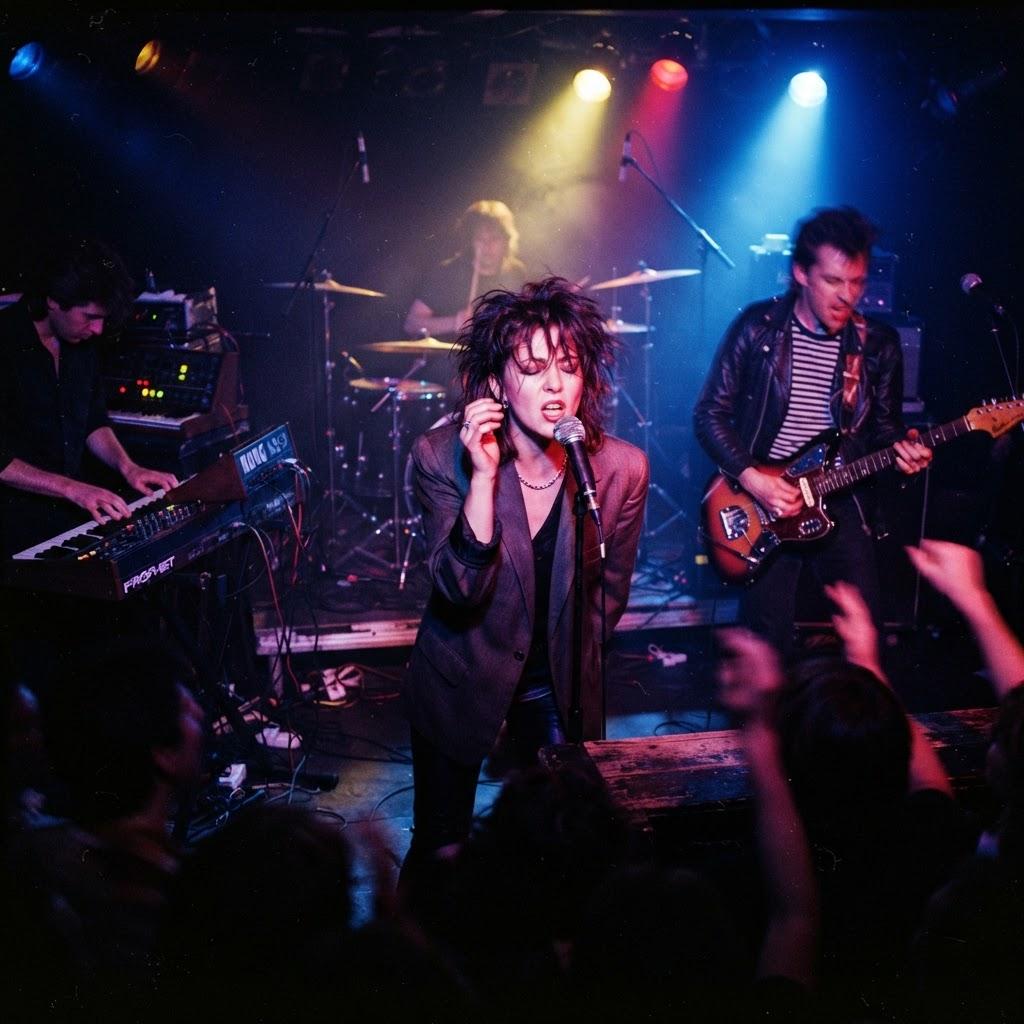
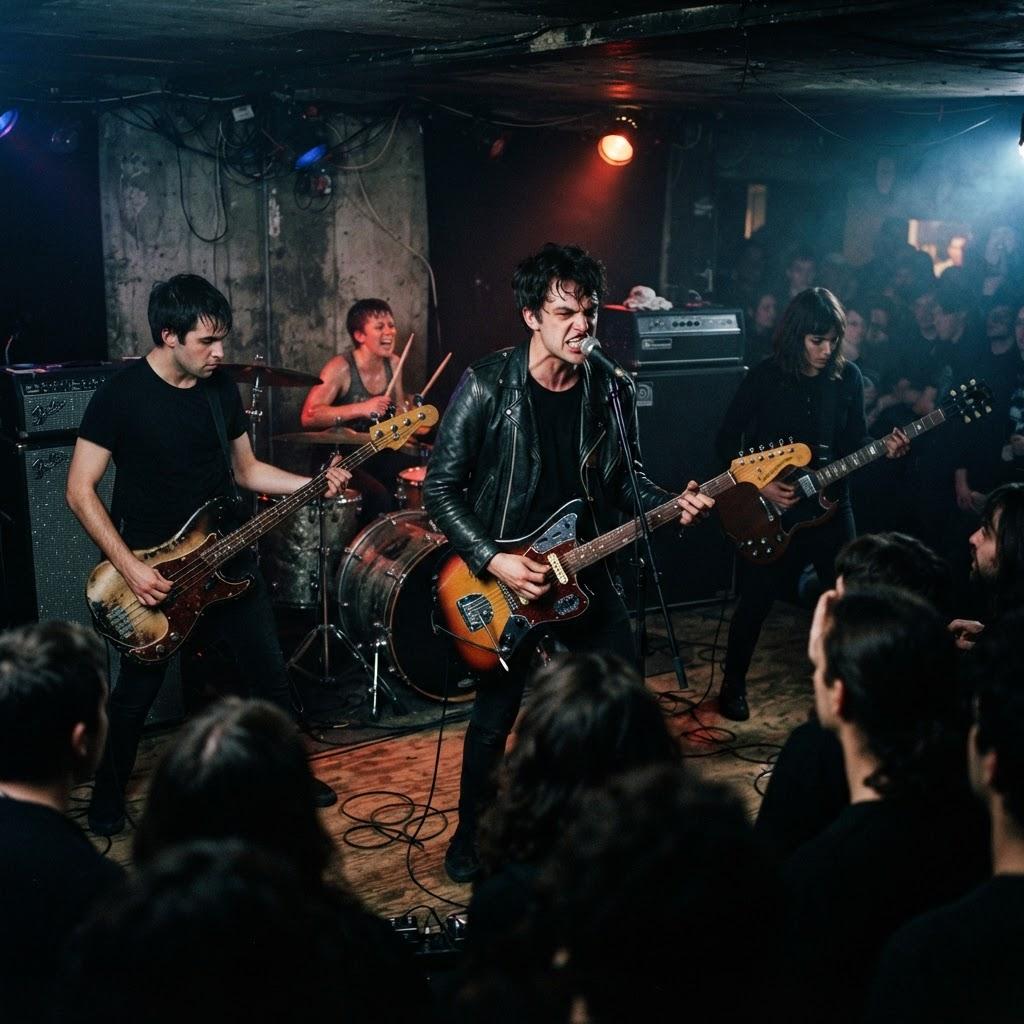
The roots of Alternative Rock are tangled deep in the grimy, smoke-filled basements of the late seventies, where the initial fires of Punk Rock had just finished burning down the boring, bloated structures of arena rock. When Punk exploded, it shouted 'anyone can play an instrument!' and thousands of kids immediately went out and bought pawn-shop guitars to prove it. By the early eighties, the initial adrenaline of punk had started to mutate into something more thoughtful, cerebral, and frankly, a little bit sadder. This is where 'College Rock' was born—a term for bands playing at dusty university radio stations and tiny clubs across America and the UK. These musicians didn't want to be rock stars with pyrotechnics and private jets; they wanted to write songs about the weirdness of small-town life, their crushes, and the general feeling of being completely out of place. It was a DIY (Do-It-Yourself) uprising where local bands started their own labels, printed their own flyers, and toured in busted vans that smelled like stale coffee and desperation. The birth of the sound was a quiet revolution that traded the 'sex, drugs, and rock 'n' roll' cliché for 'intelligence, introspection, and cheap thrift-store sweaters.'
The Pioneers & Legends
If you look at the family tree of Alternative Rock, you will see some gargantuan figures standing at the top, looking down at the rest of us with varying degrees of apathy. R.E.M. is essentially the grandfather of the whole thing, proving that you could be massive and successful without sacrificing an ounce of artistic integrity or singing about anything other than mysterious, poetic enigmas. Then there is Sonic Youth, the experimental wizards from New York who treated their guitars like abstract paintings, tuning them in ways that defied physics and creating sounds that felt like a skyscraper collapsing in slow motion. We absolutely must bow down to The Pixies, who essentially wrote the blueprint for the 'Loud-Quiet-Loud' dynamic that every band from the nineties would shamelessly borrow. And, of course, there is Nirvana. Kurt Cobain did not just write songs; he channeled the collective subconscious of an entire generation, turning his own internal wreckage into global anthems. These people weren't trying to change the world; they were just trying to process their own heads, and in doing so, they became the unwilling architects of a cultural seismic shift.
Defining Tracks & Era-Defining Moments
A few songs in the history of Alternative Rock act as cultural landmarks, moments where the timeline split and everything that came after was suddenly different. Nirvana’s 'Smells Like Teen Spirit' is the big one, the atomic bomb of pop culture that proved a 'weird' underground song could vaporize the glittery, hair-sprayed nonsense dominating the charts. It was the sound of a generation realizing they had more power than they thought. Before that, you had R.E.M.’s 'Radio Free Europe,' which whispered to the college kids that you could have a hit with a fuzzy, indecipherable chorus. Then there was The Pixies' 'Where Is My Mind?,' a track that introduced a surreal, surf-rock-on-acid aesthetic that still haunts movies and TV shows today. Let’s not forget Radiohead’s 'Creep,' which gave a voice to every person who ever felt like they didn't belong in a room full of beautiful, perfect people. These tracks weren't just catchy melodies; they were permission slips for the weird, the awkward, and the isolated to claim their own space in the spotlight, shifting the cultural barometer away from perfection and toward vulnerability.
Subgenres & Offshoots
The Alternative Rock family tree is basically a glorious, messy jungle where every branch is constantly trying to break off and start its own island. First, you have Grunge, the moody, flannel-clad sibling from Seattle that brought heavy, sludge-inspired riffs into the mainstream. Then there is Shoegaze, where bands like My Bloody Valentine turned their guitars into swirling, ethereal clouds of noise and stood completely still on stage—hence the name, because they were constantly looking down at their pedal boards. Don't forget College Rock, the nerdy, jangly, intellectual cousin that cared more about melody than mayhem. You also have Britpop, which took the American template and injected it with a healthy dose of British wit, Union Jack flags, and a weird obsession with the Beatles. Then there is Post-Rock, which decided that singing was entirely optional and opted for fifteen-minute instrumental epics that sound like soundtracks to movies that don't exist. It is a sprawling, chaotic ecosystem, ranging from the jagged, caffeinated bursts of Math Rock to the melancholy, whisper-soft confessions of Emo. Every subgenre is just someone looking at a rock guitar and asking, 'What if we made it sound like this instead?'
Cultural Impact & Influence
Alternative Rock didn't just change the music; it fundamentally re-wired the way we dress, speak, and perceive what is 'cool.' It killed the bloated, high-fashion excess of the eighties and replaced it with a look that essentially said, 'I pulled this out of a donation bin ten minutes ago.' Suddenly, flannels, Doc Martens, and oversized cardigans weren't just clothes; they were badges of honor that said you cared more about the music than your reflection. The impact on language was just as profound, normalizing self-deprecation and irony as the primary tools for navigating the world. In film, the 'indie' movie explosion of the nineties owes its entire soul to the Alternative Rock ethos—every soundtrack featuring a brooding, lo-fi track over a scene of someone staring out a car window is a direct descendant of this genre. It forced the mainstream to stop being so damn perfect and started a conversation about mental health, alienation, and social anxiety that still dominates our pop culture today. It taught us that the most interesting person in the room is usually the one sitting in the corner, not the one shouting the loudest.
Controversies & Drama
Oh, the drama. If you put a group of 'tortured artists' in a room together, you are going to get fireworks, and the history of Alternative Rock is filled with enough ego, infighting, and 'sellout' accusations to keep a soap opera running for a century. The biggest war was the 'Authenticity Police'—a group of hyper-protective fans who would declare a band 'dead' the exact second they signed to a major label or, heaven forbid, appeared on MTV. It was a constant, exhausting purity test where bands were caught between wanting to pay their rent and wanting to stay true to their basements. The backstage fights were legendary, often involving massive personality clashes, substance abuse, and egos that were far too large for the cramped dressing rooms they shared. You had bands breaking up mid-tour because the drummer looked at the singer the wrong way, and then reforming a week later out of pure, spiteful necessity. It was a petty, messy, and often hilarious spectacle, reminding us that even the most 'enlightened' musicians are ultimately just humans with bad moods, terrible communication skills, and a penchant for turning minor disagreements into dramatic, genre-defining breakups.
Global Spread & Regional Scenes
While it may have started in the humid, cramped clubs of the US and the UK, Alternative Rock is like a stubborn weed that manages to sprout in every corner of the planet. When the sound traveled, it didn't just copy the blueprints—it adapted to the local environment, evolving into unique, weird, and wonderful regional flavors. In Canada, it gained a polished, melodic edge that made it radio-ready without losing the heart. In the UK, it absorbed the grit of industrial cities and the sardonic, dry humor of British culture, creating a sound that was somehow both more cynical and more romantic. In Australia, it took on the sun-bleached, relaxed, but slightly unhinged energy of the Pacific. Even in places like Iceland or Japan, the Alternative Rock bug hit hard, leading to bands that blended traditional folk sensibilities with the fuzzy, distorted aggression of Seattle. It became a global language for the disaffected youth, a way for kids in completely different hemispheres to realize they were all listening to the same feedback-laden frequencies, feeling the exact same level of existential dread on a Friday night.
The Modern Landscape
Today, Alternative Rock is less of a monolithic, chart-topping monster and more of a thriving, shapeshifting ghost that haunts everything on your Spotify Discover Weekly playlist. The days of one specific sound dominating the world are gone, but the DNA of 'Alt' is embedded in basically every genre now, from pop artists who use distorted guitars for 'edge' to rappers who embrace the melancholic, self-loathing vibe of nineties grunge. You can find the spirit of the genre thriving on TikTok, where kids are rediscovering decades-old tracks and giving them a second life, or in bedroom pop studios where a single teenager with a laptop is creating sounds that would make the original pioneers blush. It isn't 'dying,' as the cynical music critics like to claim; it is just evolving into a thousand different, smaller micro-scenes. It is less about being 'The Next Big Thing' and more about being 'The Next Great Feeling.' While it might not be the primary soundtrack to the Billboard Hot 100 anymore, it is alive and well, bubbling just beneath the surface, waiting for the next generation to pick up a guitar and realize that feedback sounds pretty good.
How to Dive In
Ready to get weird? Start your journey by clearing your afternoon and listening to Nirvana’s 'Nevermind' from start to finish—it is the quintessential entry point, like a rite of passage. If that’s too heavy, ease into the jangly, thoughtful brilliance of R.E.M.’s 'Automatic for the People' or the surf-rock-on-a-bad-trip vibe of The Pixies’ 'Doolittle.' For the more experimental, adventurous soul, spin Sonic Youth’s 'Daydream Nation' and try to imagine what they were thinking when they tuned those strings. If you want to understand the softer side of the angst, check out The Smashing Pumpkins’ 'Siamese Dream,' which is essentially a beautiful, fuzzy wall of sound that feels like being wrapped in a warm, electric blanket. Don't worry about 'getting it' right away; just turn the volume up, let the distortion rattle your ribcage, and pay attention to how the songs make your brain itch in all the right ways. Grab a guitar, learn three chords, find a friend who knows two more, and you have officially joined the club. There is no right way to listen, just a million ways to feel, and that is the real secret of the Alternative Rock experience—it is finally your turn to make some noise.