Late 1980s to early 1990s
Grunge
Grunge is the flannel-clad, angst-fueled heartbeat of the nineties that turned basement frustration into a global phenomenon. It is raw, it is muddy, and it is the sound of a generation deciding that polished pop stars were just not going to cut it anymore.
Meet the Genre
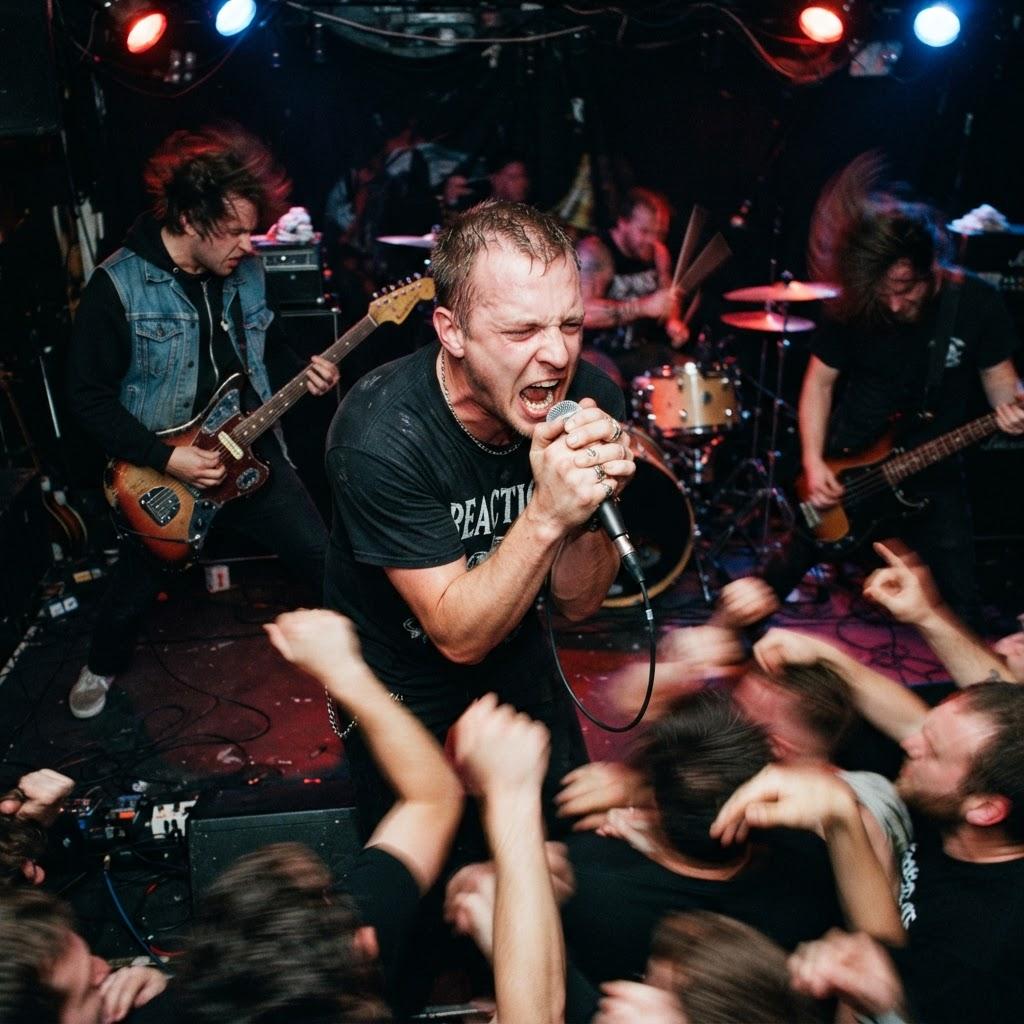
Imagine walking into a basement where the air is thick with the smell of spilled beer and thrift-store sweaters. You step over a tangled heap of guitar cables, and someone hands you a beat-up guitar that sounds like it was dragged through a swamp. Grunge is not interested in being your friend at a fancy cocktail party; it would much rather sit in the corner and stare at its boots while thinking about the existential dread of being alive. It is the musical equivalent of a rainy, grey Tuesday afternoon when you decided to skip school to stay in bed. There is a delicious, messy honesty to it that feels like a relief after decades of shiny, over-produced stadium rock that tried way too hard to look like it was having the time of its life. Grunge is about the beauty of the broken, the power of the misunderstood, and the strange, cathartic joy of shouting your frustrations until your throat feels like it has been scrubbed with sandpaper. It is a genre that wear its scars as a badge of honor, proving that you do not need perfect pitch or a million-dollar production budget to make something that rips the soul wide open.
The Sound & Signature Elements
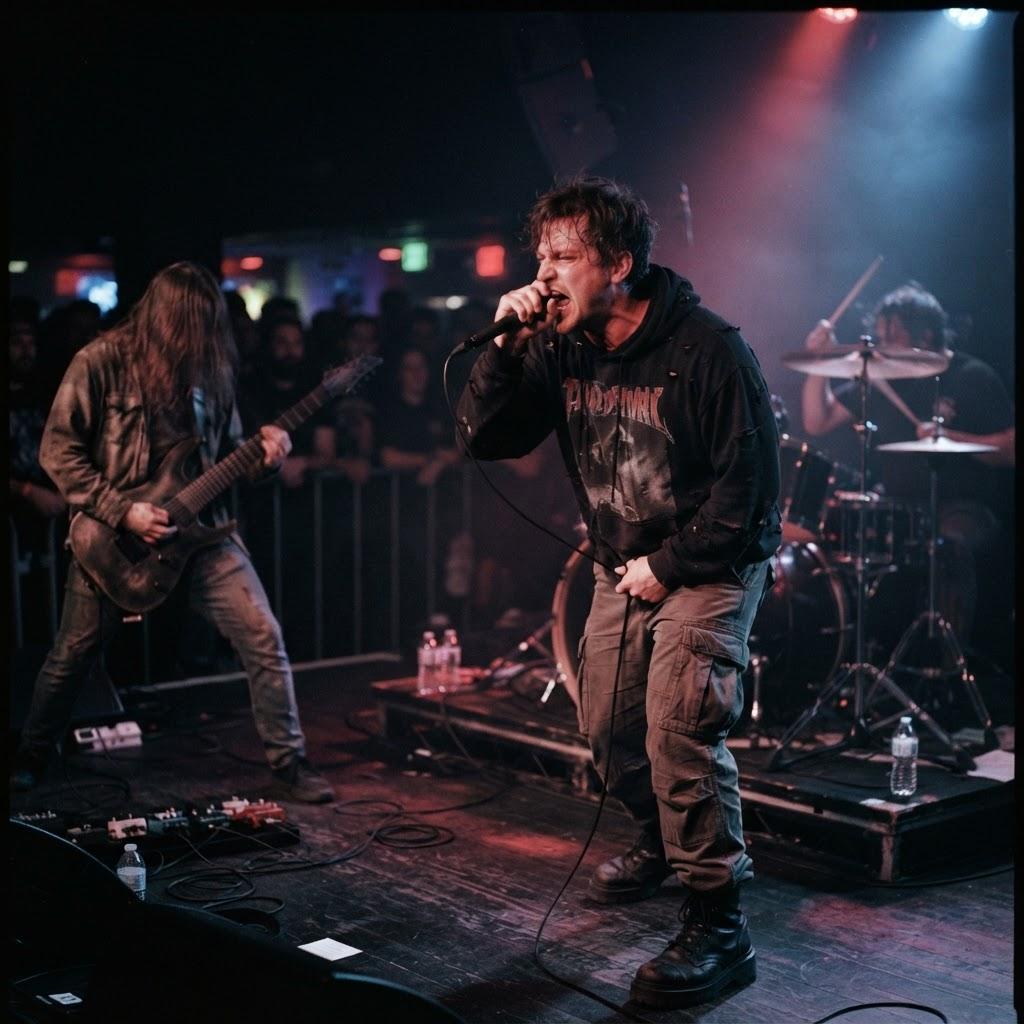
The sonic signature of grunge is essentially a masterclass in dynamic tension, often described as the 'loud-quiet-loud' dynamic. Picture a rubber band being pulled until it is right on the edge of snapping, and that is your verse—a brooding, minimalist bassline or a muted guitar strum that feels like a secret whispered in the dark. Then, the chorus hits like a falling piano, with massive, heavy distortion that turns your speakers into a soup of raw electricity. Distortion is the holy grail here—it is that 'fuzz' effect that turns a clean, polite guitar tone into a snarling, fuzzy beast that sounds like an angry tractor. Musically, these bands loved to mess with 'drop-tunings,' which is just a fancy way of saying they loosened their guitar strings to get a deeper, darker, more ominous rumble. They did not care about flashy, thirty-second-long guitar solos that sound like Olympic athletes trying to prove a point. Instead, the solos were often messy, abrasive, and perfectly imperfect. The drums were heavy and played with the kind of primal force that makes your chest cavity vibrate, acting as the heartbeat for a rhythm section that was less about dancing and more about rhythmic head-nodding. It is intentionally unrefined, favoring raw emotion over surgical precision.
Origins & Birth of the Sound
In the cold, drizzle-soaked corners of the Pacific Northwest during the mid-eighties, a small group of outsiders was cooking up something that sounded nothing like the glittery, neon-soaked hair metal ruling the radio waves elsewhere. Seattle was a bit isolated, a lonely port city where the music scene was not trying to impress anyone in Los Angeles or New York. It was a melting pot where the speed and aggression of hardcore punk collided head-first with the slow, crushing sludge of early heavy metal legends like Black Sabbath. The birth of this sound was not a calculated business move; it was a byproduct of boredom, cheap rent, and a lack of better things to do. Musicians were recycling records they found at thrift stores—everything from classic rock to weird underground punk—and mixing them into a sound that felt as heavy as the local fog. Small labels like Sub Pop began documenting this gritty, basement-born alchemy, fostering a culture of authenticity where being 'real' was the only currency that mattered. It was a regional secret, a quiet revolt against the polished sheen of the mainstream, fermenting in dive bars until it reached a critical mass that was ready to explode outward.
The Pioneers & Legends
To understand the pantheon of grunge, you have to look at the architects who turned a basement hobby into a global shift. Nirvana sits at the throne, of course, with Kurt Cobain serving as the reluctant, tortured poet who managed to capture the collective anxiety of an entire generation in three chords. His ability to weave pop sensibilities into a wall of feedback made him a deity for the alienated. Then there is Pearl Jam, the arena-sized gargantuan that brought a more soulful, classic-rock-leaning gravitas to the movement, with Eddie Vedder’s baritone voice sounding like it was carved from a cedar tree in the Cascade Mountains. Soundgarden brought the technical prowess, with Chris Cornell’s vocal range—reaching altitudes that defied biological logic—clashing beautifully with Kim Thayil’s riffs that sounded like they were plucked from a psychedelic nightmare. Alice in Chains, meanwhile, brought the darkness to the table, with their haunting vocal harmonies and lyrics that explored the gloomier side of human existence with unflinching honesty. These weren't just musicians; they were the faces on thousands of bedroom posters who made it okay to be weird, angry, and sensitive all at the same time.
Defining Tracks & Era-Defining Moments
When 'Smells Like Teen Spirit' hit the airwaves in 1991, the world did not just hear a song; the tectonic plates of pop culture shifted. It was the moment the velvet rope to the mainstream was kicked down by a disheveled guy in a cardigan. This was the track that proved you could be abrasive and still end up on MTV. Another essential pillar is 'Alive' by Pearl Jam, which transformed the genre into something that felt big enough to fill stadiums while remaining deeply personal. Then there is 'Black Hole Sun' by Soundgarden, a track that proved grunge could be weird, atmospheric, and oddly catchy without losing its soul. We cannot overlook 'Man in the Box' by Alice in Chains, which reminded everyone that the metal roots of the genre were still pumping through its veins. These songs were pivot points; they weren't just hits, they were cultural markers that told the kids of the era, 'You aren't crazy, the world is.' Every time one of these tracks came on the radio, it felt like a silent pact between the listener and the band, validating the uncomfortable feeling of not fitting into the bright, happy world of mainstream media.
Subgenres & Offshoots
Grunge was never just one monolith; it had branches that grew into strange, interesting places. You had the 'sludge' side of things, like the Melvins, who took the slow, heavy riffs and slowed them down until they were practically geological in their movement. Then there was the more melodic, radio-friendly side that blossomed once the majors moved in, giving us a wave of bands that borrowed the flannel aesthetic but kept things a bit tighter and cleaner. You also had the intersection with the 'riot grrrl' movement, where the raw, scratchy guitar work met biting social commentary from women who were tired of the male-dominated scene and ready to start their own fire. There were even experimental offshoots that leaned into the 'noise rock' category, using feedback as a primary instrument rather than a byproduct. It is a family tree that looks a bit tangled, but each branch tells a different story about what happens when you hand a guitar to someone who has something to say and no fancy training to say it with. It was a playground of experimentation where as long as you kept it honest, you were allowed to break as many rules as you wanted.
Cultural Impact & Influence
The ripples caused by the grunge explosion were so large they practically rewrote the dress code for a decade. Suddenly, buying expensive, pre-distressed clothes was 'out,' and raiding your grandpa’s closet for moth-eaten cardigans and worn-out flannels was 'in.' It was the triumph of the thrift store. This wasn't just fashion; it was an anti-status symbol. The irony, of course, is that the fashion industry eventually tried to bottle this 'non-fashion' and sell it back to us for a premium, but the original spirit remained in the desire to reject the pristine. Language changed, too; 'whatever' became the official slogan of the disillusioned, and the general vibe of the era shifted toward a more cynical, questioning outlook. In film, the tone started reflecting this shift as well, with movies focusing on the awkwardness and reality of being a twenty-something with no clear plan. Even politically, there was a sense of generational pushback, a feeling that the structures we were handed were not working. Grunge provided the soundtrack for this shift, giving us a reason to look down at our shoes, adjust our hair, and demand that the world be a little more real and a lot less plastic.
Controversies & Drama
Oh, the drama! If you want to see a music snob have a breakdown, just mention the word 'sellout.' The rise of grunge caused a civil war within the alternative community. Purists who had been listening to obscure local bands in damp basements were horrified when their underground treasures were being played between commercials for breakfast cereal on mainstream television. The accusation of 'selling out' was the ultimate insult, leading to bands having to constantly defend their integrity while they were being courted by major labels. There were also the famous 'feuds'—though many were often blown out of proportion by the music press—where bands would throw shade at each other's sound or authenticity. It was a messy, human drama fueled by the insecurity of suddenly becoming famous overnight while trying to maintain the 'too-cool-to-care' attitude that made you famous in the first place. You had legends constantly being asked if they hated their own fame, creating a weird feedback loop of guilt and ego. It was a classic case of wanting to be heard but hating the noise that fame brings with it, resulting in plenty of backstage tantrums and very awkward press interviews.
Global Spread & Regional Scenes
While Seattle was the ground zero of the explosion, the shockwaves reached every corner of the planet. In the UK, the influence was absorbed into the Britpop movement, though they kept things a bit more posh and melodic. Australia had its own gritty scene that latched onto the heavy, distorted sound with gusto, producing bands that channeled that same isolationist energy. Even in Japan and across Europe, you could find local scenes popping up, adopting the 'flannel and fuzz' aesthetic and remixing it with their own local musical histories. It wasn't just about copying the Seattle blueprint; it was about taking the *ethos*—the idea that you could make important music in your garage without a corporate overlord—and applying it to whatever situation you were in. This made the genre feel like a global brotherhood of the bored and the frustrated. Every region put its own twist on the sound, sometimes adding more experimental synthesizers or infusing it with local folk traditions, proving that the heart of grunge wasn't the geography, but the attitude of defiant self-expression.
The Modern Landscape
Today, grunge is less of a 'current' scene and more of a ghost that haunts everything that follows it. You hear the echoes of it in almost every modern rock band that favors pedals over perfection. It’s like a cool uncle who occasionally drops by to remind you that being real is more important than being polished. On platforms like TikTok, the aesthetic has seen a massive resurgence, with new generations rediscovering the thrifted look and the raw, unwashed sound, proving that angst is a timeless commodity that never really goes out of style. While you might not see 'grunge' on the charts in the same way you did in 1993, its DNA is woven into everything from pop-punk to the modern indie-rock movement. It has transitioned into a classic, a foundational block of music history that kids stumble upon when they are feeling misunderstood and need a sound that feels like a heavy blanket on a cold day. It’s no longer a new threat to the system, but it remains a essential part of the canon for anyone looking to make noise that actually means something.
How to Dive In
If you are ready to submerge yourself in the mud and the fuzz, start with the 'Big Four' to get your bearings. Grab a pair of headphones and listen to Nirvana’s 'Nevermind'—it is the quintessential gateway drug. Follow that up with Pearl Jam’s 'Ten,' which will give you that epic, arena-sized feeling. Then, dial up the intensity with Soundgarden’s 'Superunknown' for the sheer musicianship, and finally, let Alice in Chains’ 'Dirt' drag you into the darkness for a bit of emotional weight. If you want to dig deeper, go hunting for the early Sub Pop compilations, which are like maps to hidden treasure chests of raw, unpolished gems. Don’t worry about needing a degree in music theory; just hit play, turn the volume up until the walls rattle, and pay attention to how the songs make you feel. It’s not about finding the perfect note—it’s about finding the one that hits you in the gut. So, go ahead, grab an old cardigan, turn off the lights, and let the distortion take you for a ride. Once you start, there is no turning back, and you will likely find yourself coming back to these albums whenever the world feels a little too bright and a little too fake.