1970s and 1980s
Pop Punk
Pop punk is the sonic equivalent of a high school detention slip mixed with a beach party and a broken heart. It is the music that proves you can be deeply angsty and aggressively upbeat at the exact same time.
Meet the Genre
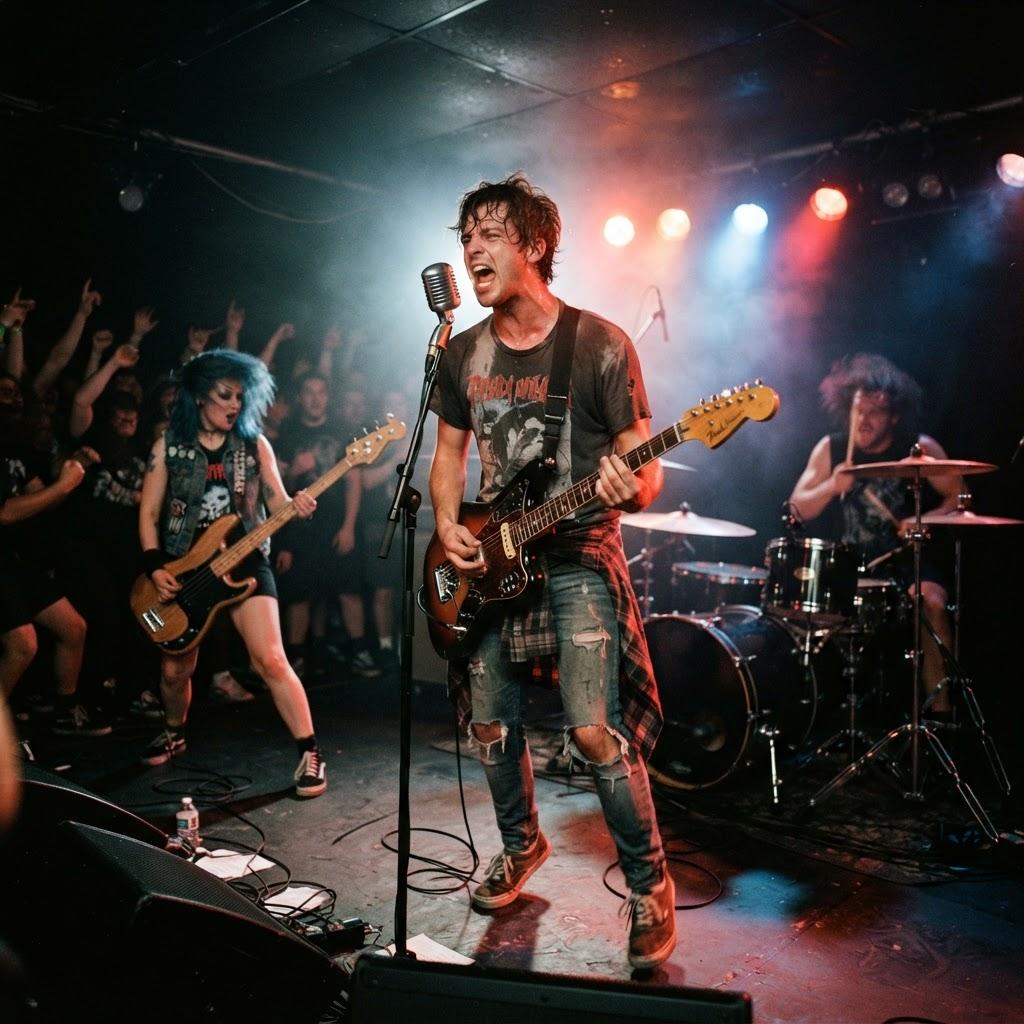
Pop punk is the musical equivalent of wearing a tie with a pair of ripped cargo shorts to your own graduation. It is a genre that thrives on the universal teenage experience of feeling like the world is ending because your crush didn't text you back, all while jumping on a trampoline. The mood is manic, caffeinated, and delightfully immature, balancing the jagged, spiky energy of old-school punk rock with the sugary, melodic sensibilities of a bubblegum radio hit. Imagine the sonic speed of a getaway car chase mashed up with the heart-on-sleeve vulnerability of a diary entry written in glitter gel pen. It is not trying to burn down the government; it is trying to get out of class early to go grab pizza with friends who have just as many feelings as you do. When you hit play, you immediately feel the phantom sensation of a skateboard wheels hitting pavement, the smell of cheap hair gel, and that specific, electric tension of waiting for something—anything—to happen in your boring hometown.
The Sound & Signature Elements
At its core, pop punk is a masterclass in musical efficiency. The secret sauce is the power chord, which is basically when you take two or three notes on a guitar and mash them together to create a sound that is loud, gritty, and incredibly easy to play. If a song has too many fancy, complicated solos, it is not pop punk; you want straight-ahead, driving riffs that chug along like a freight train. The drums usually play a 'double-time' beat, which is just a fancy way of saying the snare drum hits as fast as a hummingbird’s wings, keeping the heart rate of the song permanently elevated. The vocals are almost always sung with a slightly nasally, conversational tone, as if the singer is shouting their problems at you from across a crowded basement. Everything is compressed to sound loud and polished—this is where the 'pop' comes in—ensuring that every single 'whoa-oh' chant hits the listener square in the gut with maximum impact and extreme catchiness.
Origins & Birth of the Sound
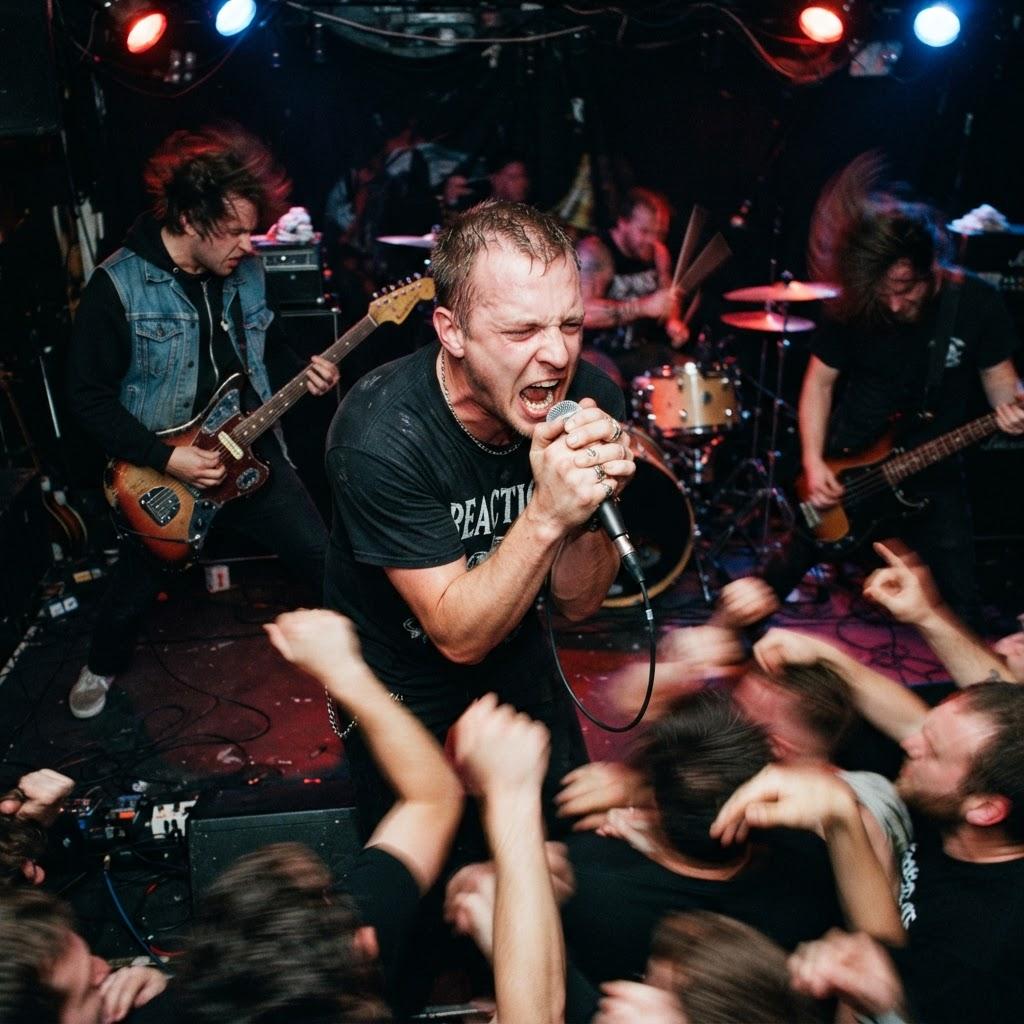
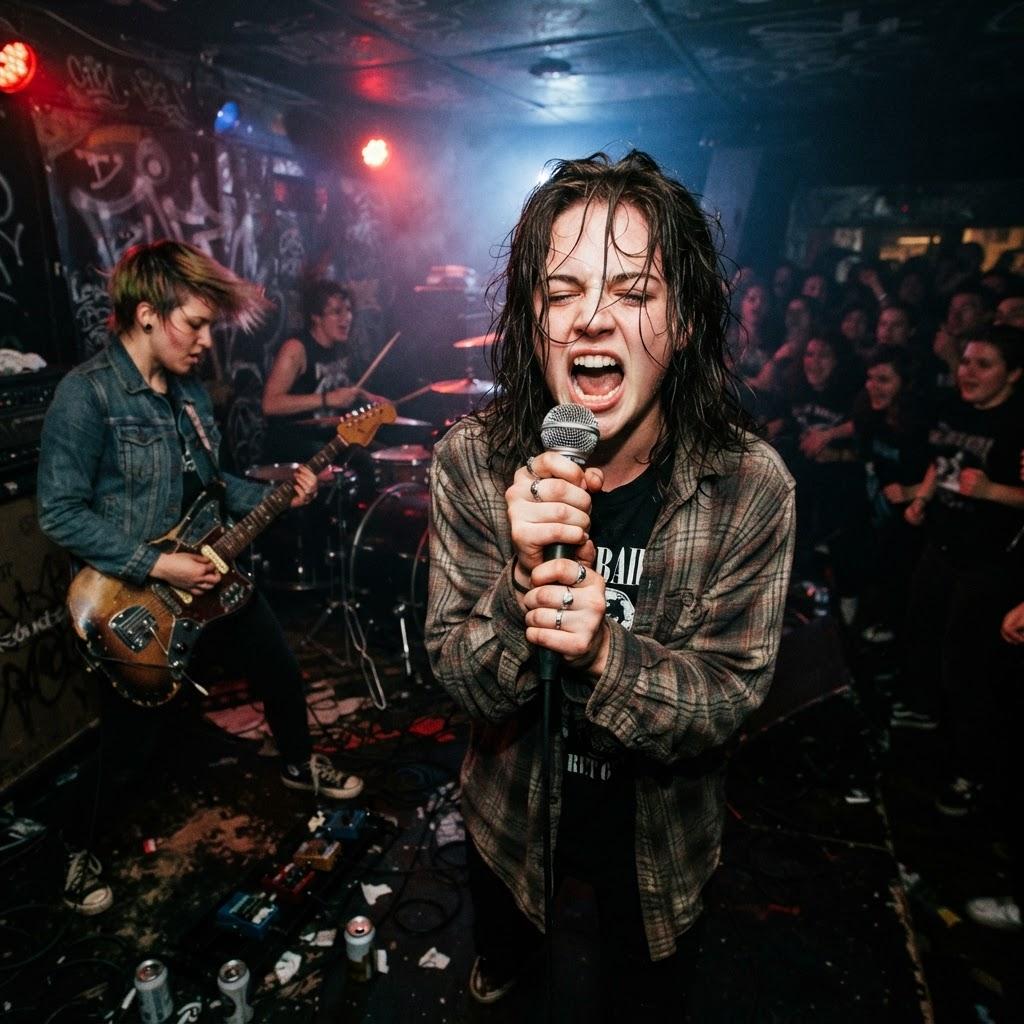
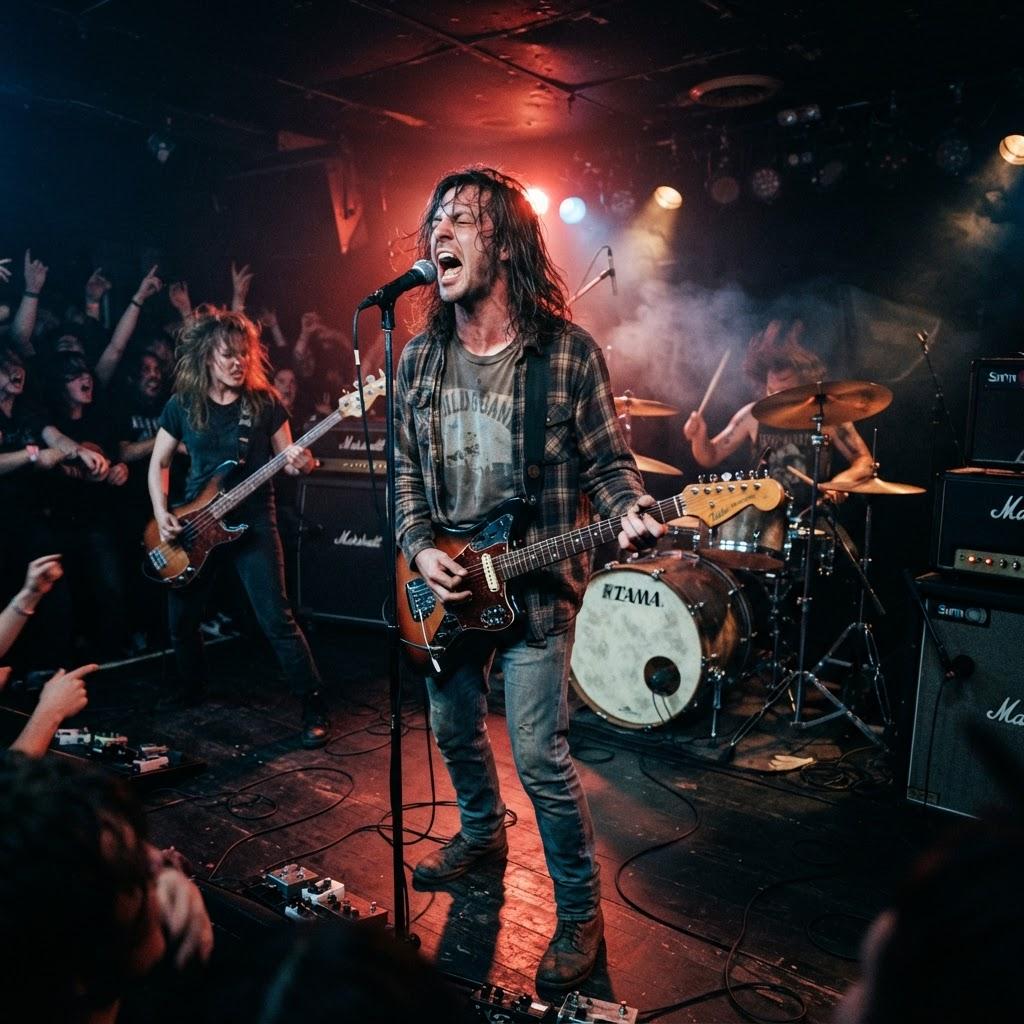
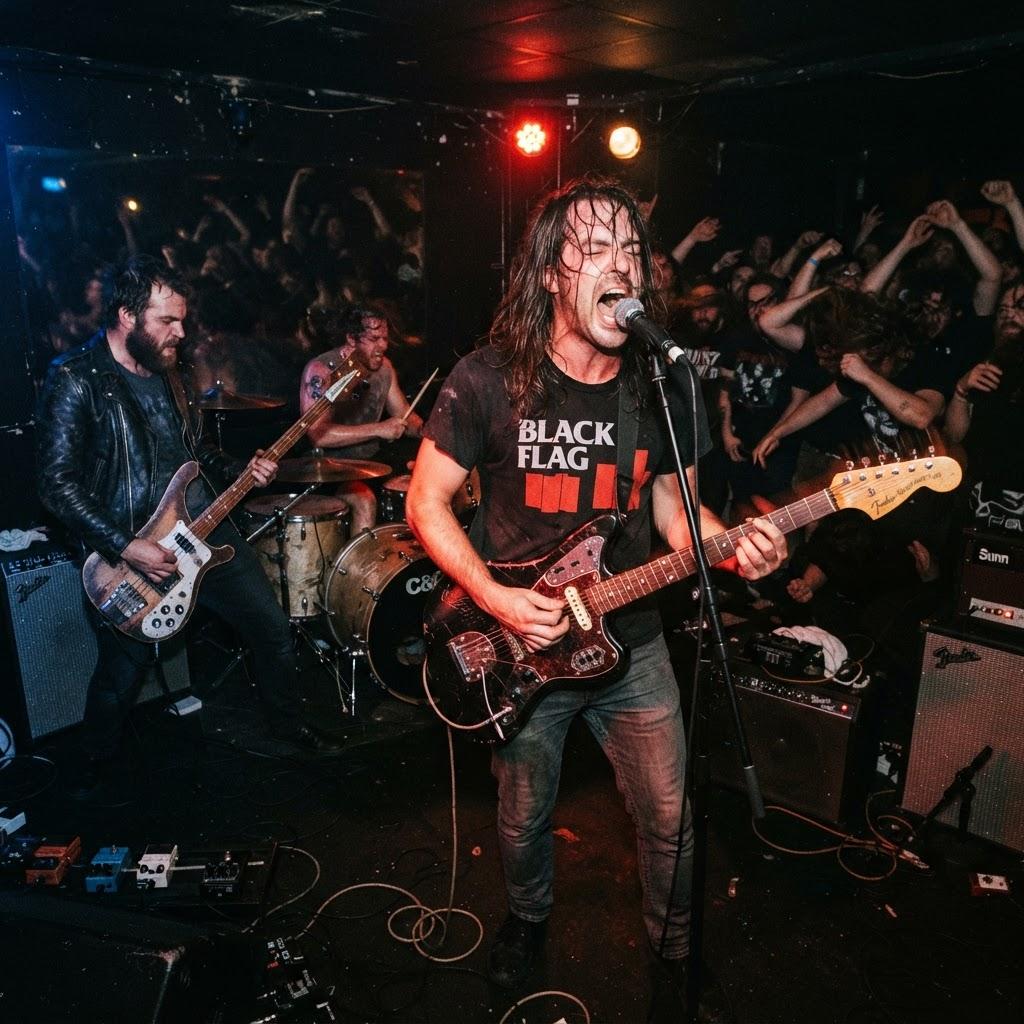
Long before the spiked hair and the Warped Tour took over the world, pop punk was just a handful of misfits looking at the aggressive, angry, and sometimes terrifying world of 1970s hardcore punk and thinking, 'Hey, what if we made this sound a little more like The Beach Boys?' The birth happened in the sticky, cramped basements and dusty record shops of California and the darker corners of New York City. It was a creative act of defiance against the idea that punk had to be scary or deeply political to be valid. The original architects wanted to bridge the gap between the frantic energy of a mosh pit and the catchy, radio-friendly harmonies of mid-century pop. It was a slow-motion collision between the Ramones, who showed everyone that three chords and a cool leather jacket were enough to change the world, and the bright, sunny melodies of 60s radio. It was never meant to stay in the garage; it was meant to be shouted from the rooftops of every suburban strip mall.
The Pioneers & Legends
You cannot talk about pop punk without bowing down to the Ramones, the undisputed godfathers of the genre who accidentally invented the blueprint by playing incredibly fast, incredibly short songs that refused to take themselves too seriously. Then came the Buzzcocks, who injected a heavy dose of romantic yearning and heartbreak into that same fast-paced framework, effectively proving that you could write a hit song about being dumped and still keep the volume at eleven. Later, bands like The Descendents took the torch and ran with it, focusing on the very specific, very awkward realities of growing up, being a geek, and having a crush on the girl who sits next to you in biology. These pioneers transformed the genre from a fringe experiment into a legitimate cultural force, establishing the unwritten rulebook that states if your song isn't catchy enough to hum along to while you're failing your driver's test, you're doing it wrong.
Defining Tracks & Era-Defining Moments
The history of the genre is paved with tracks that acted like sonic grenades, changing the trajectory of pop music entirely. Green Day’s 'Basket Case' didn't just top the charts; it essentially forced every radio station in the world to acknowledge that a fast, distorted guitar riff could be the catchiest thing people had heard all year. Blink-182’s 'All The Small Things' arrived later like a giant, neon-colored billboard for the genre, stripping away the grit and presenting pop punk as the ultimate, polished anthem for an entire generation. Then you have the pivot points like The Offspring’s 'Self Esteem,' which proved that self-deprecation could be a massive hit, and New Found Glory’s 'My Friends Over You,' which refined the formula into a tight, melodic machine that influenced every band that picked up a guitar in the early 2000s. These songs aren't just tracks; they are the audio equivalent of high school yearbooks, capturing the exact, messy feeling of being young, loud, and totally confused.
Subgenres & Offshoots
Like a sprawling family tree that keeps growing new, weird branches, pop punk has spawned all sorts of sub-variants. There is 'Easycore,' which is basically what happens when pop punk decides to go to the gym and starts incorporating heavy, metal-inspired breakdowns—the musical equivalent of a protein shake in a mosh pit. Then you have the 'Emo-Pop' wing, which is significantly sadder, darker, and more obsessed with eyeliner and poetry than your standard suburban anthem. You also have 'Skate Punk,' which focuses heavily on the speed and the intensity of the scene, prioritizing technical precision and high-octane aggression. Some offshoots lean into the 'Mall Punk' aesthetic, which is incredibly clean, bright, and polished to a shine, while others keep it lo-fi and messy. Every subgenre is just a different flavor of the same core desire: to capture the feeling of being young, restless, and ready to scream at the top of your lungs.
Cultural Impact & Influence
Pop punk didn't just change music; it rewrote the fashion manual for a generation. Suddenly, wearing Dickies shorts, checkered slip-on shoes, and a studded belt was the peak of cool, regardless of whether you actually knew how to skateboard. It influenced the way television and movies portrayed teenage life, making the 'outsider' character the hero rather than the punchline. Politically, it fostered a DIY—Do It Yourself—mentality, encouraging kids to start their own bands, print their own zines, and organize their own shows rather than waiting for some music executive to give them permission. It turned the concept of the 'suburban sprawl' from a boring place to live into a place of intense, dramatic emotional significance. The genre turned angst into an art form, making millions of people feel like their personal, messy dramas were worth singing about, creating a massive community bonded by the shared experience of being a little bit of a misfit.
Controversies & Drama
If you put a bunch of people in a room and ask them to define what is 'true' punk, you are going to get a fight, and pop punk has spent decades as the primary target of that conflict. The biggest war has always been the 'sellout' accusation, which is the inevitable drama that occurs whenever a band signs a major record deal or gets a song played on a mainstream radio station. Purists argue that the moment you make money or get popular, you have betrayed the heart of the scene, while the bands usually argue that they just want more people to hear their music. There is also the constant bickering over 'posers' versus 'authentic' fans, a never-ending battle that has been fought on internet forums since the dawn of the digital age. It is all incredibly silly and dramatic, which is exactly why it is so perfect for the genre; after all, what is more pop punk than throwing a tantrum because someone else isn't doing things exactly the way you think they should?
Global Spread & Regional Scenes
Pop punk is a virus that loves to travel. While it started in the sunny California suburbs, it quickly infected the rest of the world, mutating to fit local personalities. In the United Kingdom, it gained a sharper, slightly more sarcastic edge, blending with the country’s rich history of working-class rebellion. In Japan, it embraced a sense of hyper-kinetic, anime-inspired energy, leading to lightning-fast riffs and incredibly complex vocal harmonies. Canada turned the genre into a massive, stadium-filling beast, churning out bands that could write hooks so big they needed their own zip code. Every regional scene took the 'power chord plus heartache' formula and added their own local spice, whether that was a specific lyrical focus on their hometown, a unique way of dressing, or a distinct influence from the local music scene. It proved that the feeling of being a bored, slightly heartbroken teenager is a truly universal experience that translates perfectly into every language.
The Modern Landscape
Today, pop punk is experiencing a massive, colorful resurgence that defies all the naysayers who claimed it was dead. It has found a second home on TikTok, where a new generation of creators is discovering the joys of neon hair, thick eyeliner, and songs about falling in love with your best friend. Modern artists are blending the genre with everything from hip-hop beats to polished electronic production, keeping the core spirit of the 'pop' and 'punk' alive while evolving it for a digital-first audience. The genre is no longer confined to the dusty basements of the 90s; it is living in the ears of millions, influencing modern fashion trends, and proving that the need to express big, loud, messy emotions never actually goes out of style. It has become a nostalgic power-house while simultaneously feeling fresh and exciting for kids who were born years after the golden era of the original pop punk explosion.
How to Dive In
Ready to embrace your inner suburban rebel? Your journey starts by blasting Green Day’s 'Dookie' from start to finish—it is the holy grail, the Rosetta Stone, and the best way to understand the genre's DNA. After that, put on Blink-182’s 'Enema of the State' and just try to stop yourself from singing along to every chorus; it is physically impossible. If you want a bit more grit, dive into The Descendents' 'Milo Goes to College' to see where the nerdy, heartfelt energy truly started. For a more modern kick, check out any of the current revival artists who are bringing that classic energy back with a contemporary twist. Don't worry about being a 'real fan' or memorizing history—just put on some headphones, crank the volume up until your ears ring, and let the music remind you that it is perfectly okay to feel everything at once. Keep the energy high, keep your power chords loud, and always remember to save room for a little bit of fun in your misery.