1959, Detroit, Michigan
Motown
Motown is the glittery, foot-stomping heartbeat of American music that turned Detroit into a hit-making factory. It is the sound of pure, unadulterated joy wrapped in a tuxedo and delivered with a side of sass.
Meet the Genre
Imagine walking into a room where the air is thick with hairspray, cheap perfume, and the sheer, unstoppable force of teenage ambition. That is the Motown sound—a musical equivalent of a perfectly executed backflip in a sequined gown. It is not just music; it is the sonic glue that held a generation of radios together. Motown did not just want to make you dance; it wanted to make you fall in love, cry over a lost sweetheart, and maybe even fix your collar before you left the house. It is polished, it is punchy, and it is tighter than a drumhead in a thunderstorm. While other genres were busy being moody in the corner, Motown was busy polishing the floor so you would not trip while performing your best moves. From the very first drum fill, you are hooked, dragged into a world where everything rhymes, everything glitters, and every chorus feels like a coronation. It is the sound of the American dream getting a major makeover, moving out of the suburbs, and hitting the downtown dance floor with a pocket full of dreams and a master plan for world domination.
The Sound & Signature Elements
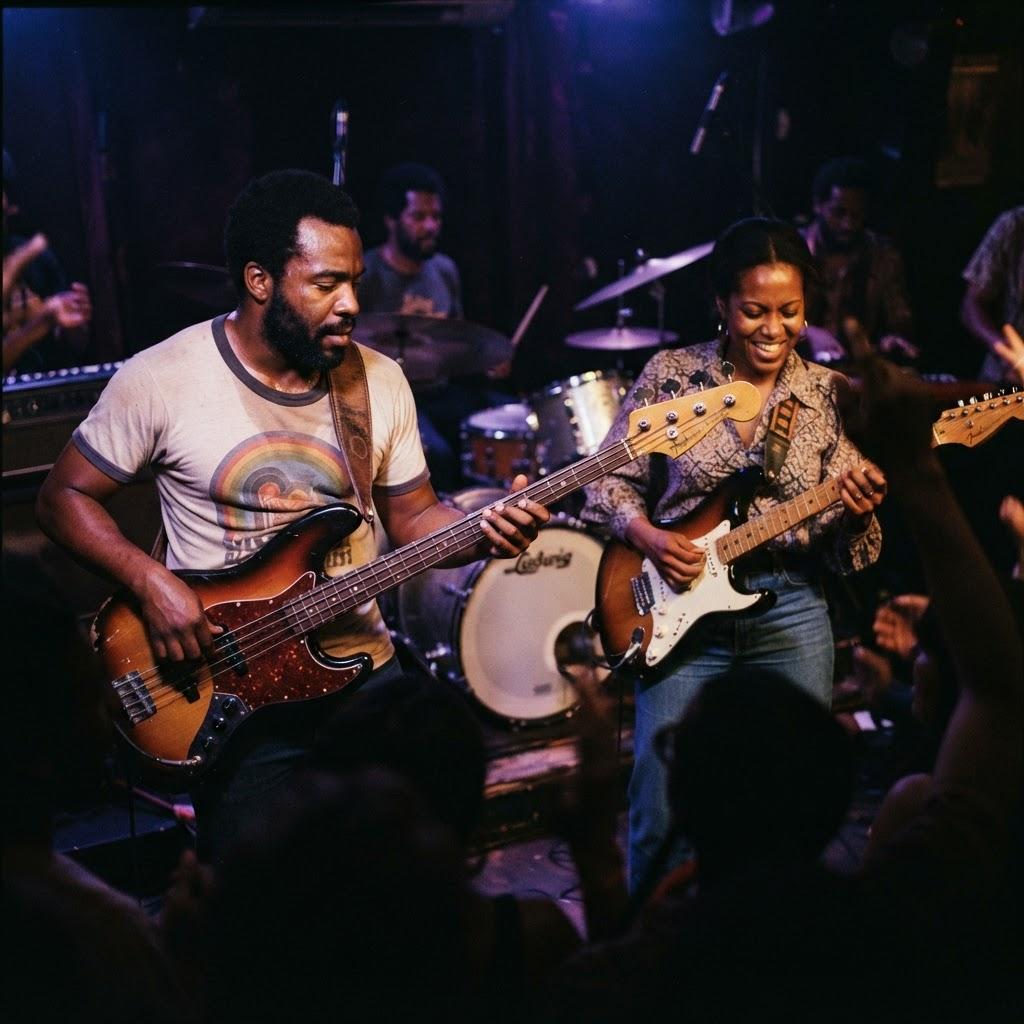
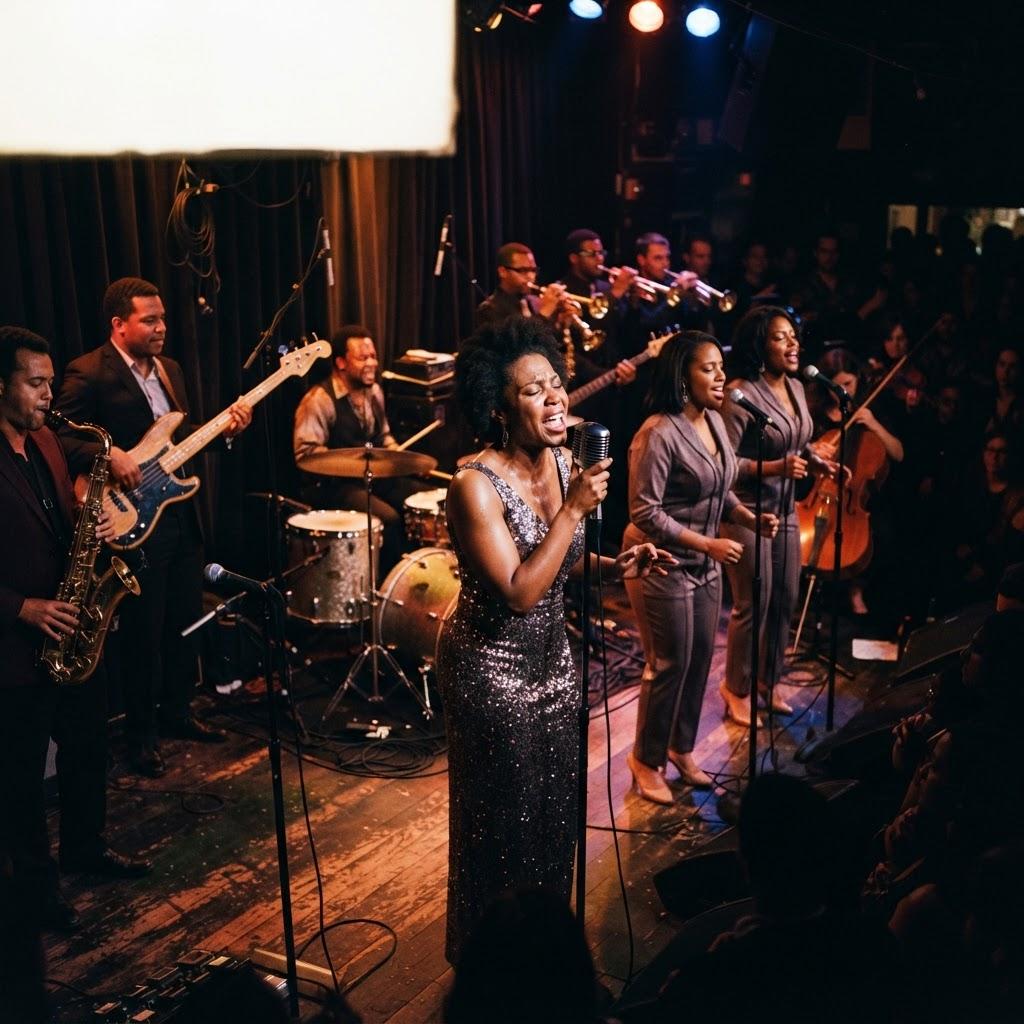
If Motown were a car, it would be a cherry-red convertible with chrome so bright you could check your reflection in it. At its heart, the sound relies on the 'four-on-the-floor' drum beat—which is exactly what it sounds like, a steady, driving thump that hits four times in every measure—and a heavy dose of the tambourine, which acts like the glittery confetti of the music world. The bass guitar is the unsung hero here; it often plays bouncy, melodic lines that feel like they are leading the song by the hand. Then there is the production—what producers call 'The Motown Sound' is essentially a wall of sound that is incredibly clear. You can hear every instrument distinctly, like an orchestra that has been scrubbed clean. They used call-and-response, a technique borrowed from church where the lead singer throws a line out and the backup singers toss a sassy answer back, which feels like a conversation you are eavesdropping on. Everything is kept at a brisk, walking pace, rarely straying into the slow-lane blues, because Motown knows that if you aren't tapping your foot, you're doing it wrong.
Origins & Birth of the Sound
The birth of Motown is less of a fairy tale and more of a gritty, industrial revolution. It started in 1959 in a small house in Detroit, famously dubbed Hitsville U.S.A. Berry Gordy, a former car assembly line worker, decided that if he could put together a car on a conveyor belt, he could certainly assemble a hit record the exact same way. He treated his songwriters and musicians like they were building fine machinery. It was a factory of dreams, where teenagers walked in off the street with stars in their eyes and walked out as icons. They learned choreography, poise, and how to hold a microphone without looking like they were strangling a goose. This was defiance in the face of a segregated, cold world; Gordy wanted his music to be so undeniable, so universally appealing, that it could slide onto the radios of every household in America, regardless of the color of the listener. It was local, it was communal, and it was powered by the same grit that made Detroit the automotive capital of the world, just with more sequins and fewer wrenches.
The Pioneers & Legends
You cannot talk about the legends of Motown without bowing in respect to the Funk Brothers, the secret army of studio musicians who played on more hits than the Beatles and the Beach Boys combined. These guys were jazz cats who could take a hummed melody and turn it into a diamond-encrusted anthem before their coffee went cold. Then there are the titans who took the spotlight. You have Diana Ross, whose voice was the literal blueprint for stardom; The Supremes, who proved that looking fabulous was just as important as sounding angelic; and Smokey Robinson, a poet who could write a bridge between a broken heart and a chart-topping hook in his sleep. We also have Stevie Wonder, who started as a pint-sized harmonica-playing prodigy and grew into a cosmic force of nature, and Marvin Gaye, the man who brought soul, protest, and raw humanity to the factory floor. These people were not just singers; they were architects who built the skyscraper of modern pop, and they did it while wearing matching outfits and heels that would make a stuntman tremble.
Defining Tracks & Era-Defining Moments
If you want to understand the physics of a perfect pop song, just listen to 'My Girl' by The Temptations. That opening guitar riff is essentially the 'Hello' of the musical world—friendly, iconic, and impossible to ignore. Then there is 'Where Did Our Love Go' by The Supremes, a song so catchy it practically forced the charts to change the laws of physics to accommodate its success. But the real heavyweight title goes to Marvin Gaye’s 'What’s Going On.' It was the moment Motown stopped being just a pop machine and started being a mirror for society. It tackled poverty, war, and the general mess of the world, all while keeping that signature Motown swing. These songs were not just tracks; they were cultural milestones. When 'I Heard It Through the Grapevine' hits, you know exactly where you are—you are in a high-stakes, cool-as-ice thriller. These songs were the soundtrack to the moon landing, the civil rights movement, and every high school prom in the sixties. They were the punctuation marks at the end of every important historical sentence.
Subgenres & Offshoots
While Motown was the king of the castle, its DNA branched out into some fascinating side projects and evolutionary leaps. There was the 'Northern Soul' movement, which started in the UK. British teenagers became obsessed with the rare, unreleased, or lesser-known Motown tracks that didn't make the big charts. They treated these records like holy relics, dancing for hours in sweaty clubs until their shoes wore thin. Then you have the 'Sophisti-soul' movement, where the raw, churchy energy of Motown met a more polished, tuxedo-clad jazz elegance. It was essentially Motown putting on a monocle and ordering a martini. You can also see the ghost of Motown in the early disco boom, where the steady, four-on-the-floor beat was blown up and set on fire with glittery synthesizers. Even the girl-group craze of the early 60s, with all that doo-wop harmonizing and romantic yearning, owes its entire existence to the blueprint laid down in Detroit. Every time a modern pop star uses a horn section or a snappy tambourine, a little bit of the Motown ghost gets a gold star in its celestial ledger.
Cultural Impact & Influence
Motown did not just influence music; it influenced the way we walk, talk, and dress. The visual aesthetic—those coordinated outfits, the stiff, perfectly timed choreography—defined the idea of a 'group' for decades. Before Motown, a band was just four guys standing around looking bored. After Motown, it was an ensemble performance. It also changed the language of pop; the way the songs were structured, with the emotional climax in the bridge and the repetitive, ear-worm choruses, became the standard formula for everything from boy bands to K-pop. Politically, the label was a powerhouse of integration, proving that great talent knows no boundaries and that a song can be a bridge between segregated audiences. Even today, if you look at the way pop stars manage their brand—from the dancing to the matching stage wear—you are looking at the 'Motown School of Stardom.' It taught the world that you can be popular, high-quality, and deeply emotional all at once, without ever having to apologize for being a little bit flashy and a whole lot of fun.
Controversies & Drama
Let’s be honest: a factory this productive was bound to have some squeaky gears. The biggest drama usually involved the artists wanting more creative control while Berry Gordy, the ultimate 'Quality Control' officer, insisted that his hit-making formula was the only way to go. There were tales of artists getting their songs rejected or losing the rights to their own names, leading to the legendary 'Motown Exodus' where some of the biggest stars jumped ship when they felt the label was stifling their artistic evolution. Then there were the purists who whispered that the music was 'too polished' or 'too commercial,' as if making music that people actually want to hear was a sin. The internal competition was legendary—Gordy would literally play tracks for his staff and have them vote on which ones to release, and if your song didn't make the cut, it was headed straight to the 'don't-ever-talk-about-this-again' file. It was a high-stakes poker game where the currency was talent, the dealer was a perfectionist, and the losers didn't just walk away—they vanished from the charts.
Global Spread & Regional Scenes
Motown didn't stay in Detroit for long. Like a hit record on a jukebox, it traveled fast and wide. In the UK, it found a second home with the 'Northern Soul' scene, where fans were so devoted to the sound that they created entire subcultures around the deep cuts. In Los Angeles, the label eventually moved its operations, embracing the sunshine and the glitz of the West Coast, which shifted the sound from the gritty industrial thump to something a little more lush and orchestral. Meanwhile, in every major city from Chicago to London, local bands were trying to mimic the 'Motown Sound,' leading to regional scenes that were basically love letters to Detroit. It became a global language. You could drop a needle on a Motown record in Tokyo, Paris, or Johannesburg, and people would recognize that tambourine hit instantly. It was one of the first truly global pop exports, proving that a song about a broken heart in Michigan sounds just as sad—and just as groovy—in every other time zone on the planet.
The Modern Landscape
Today, Motown is the grandfather of the pop industry, and he is still wearing a sharper suit than anyone else in the room. You hear its DNA in everything from Bruno Mars’s retro-drenched grooves to the latest viral TikTok hit that uses a sampled drum break from 1965. It is no longer just a 'label' or a 'sound'; it is a feeling, a mood, and a shorthand for 'classy.' Modern artists treat the Motown catalog like a sacred text, frequently going back to the source to study how they managed to make melancholy sound so catchy. The label itself exists now as part of a massive global machine, but its legacy is everywhere. It’s the 'Gold Standard' for pop music. When a modern producer wants to add a little 'soul' to a sterile digital track, they don't look for a new idea; they go back to the Motown archives and borrow a little bit of that magic. It is proof that if you build something with enough heart and enough tambourine, it will never actually go out of style—it just waits for the next generation to rediscover it.
How to Dive In
Ready to get your soul tuned up? Start your journey by grabbing 'The Motown Story'—an essential collection that acts as a guided tour through the hits. If you want to dive straight into the deep end, listen to Stevie Wonder’s 'Songs in the Key of Life' to hear how the genre evolved into a masterpiece of musical expression. For the pure, unadulterated high-octane joy of the early days, pick up any 'Greatest Hits' from The Supremes or The Temptations. Don't stop there, though—seek out the 'Standing in the Shadows of Motown' documentary to see the guys who actually played the instruments, because they are the real rock stars. Once you start, you won't be able to stop. Create a playlist, clear the furniture out of your living room, and prepare to spend the next few hours dancing like someone is watching and you really, really want to impress them. Motown isn't meant to be analyzed in a textbook; it’s meant to be lived, blasted at full volume, and shared with anyone who needs a reason to smile. So hit that play button, turn the treble up, and join the party.