Late 1970s and 1980s, USA
Contemporary R&B
Contemporary R&B is the velvet-gloved champion of your emotions, blending smooth soul with sharp-edged production to soundtrack every heartbreak and glow-up. It is the musical equivalent of a silk suit worn over a high-tech exoskeleton, designed to make you cry and dance at the same time.
Meet the Genre
Contemporary R&B is that one friend who looks effortlessly cool at a party, holds a drink with sophisticated grace, and then proceeds to spill their deepest, darkest relationship trauma while everyone is trying to enjoy a dance floor. It is a genre that thrives on the friction between polished, high-gloss production and raw, unfiltered human desperation. Think of it as the sonic version of a high-end, late-night drive through a city that never sleeps; the streetlights create a blurred neon streak while the bass hums in the driver’s seat. It doesn’t just ask you to feel; it demands that you submerge yourself in the whirlpool of affection, betrayal, and unadulterated yearning. If soul music is the gospel singer in the front row of the sanctuary, Contemporary R&B is that same singer taking a late-night detour through a high-tech recording studio, swapping the organ for a crisp digital beat and the pews for a candlelit booth. It is sophisticated, it is unapologetically dramatic, and it has absolutely no interest in keeping its cool once the chorus kicks in.
The Sound & Signature Elements
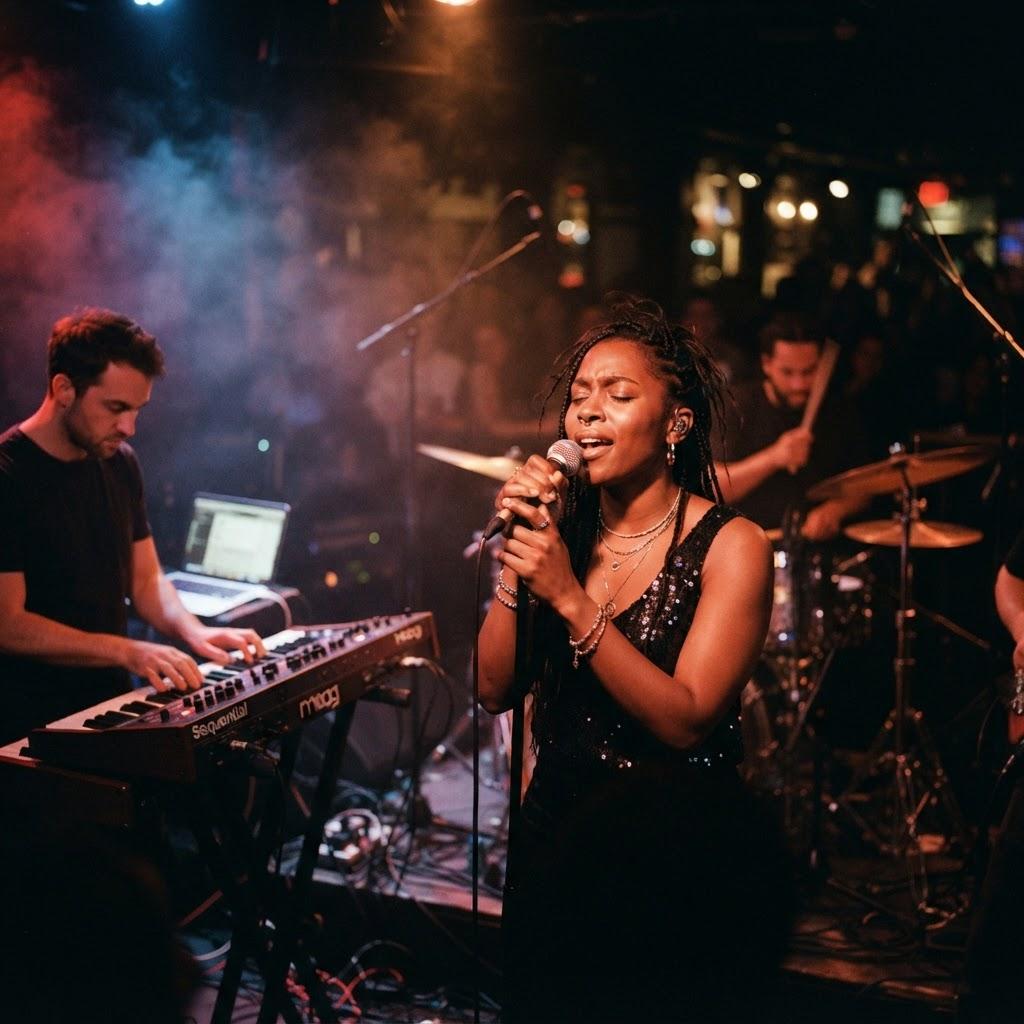
At its heart, Contemporary R&B is a math-heavy love affair. It relies on the 'grid'—a digital timing structure that keeps the drums hitting exactly where they should, creating a rhythmic consistency that makes you feel like you are walking on a perfectly smooth marble floor. The drum machine, often a classic like the Roland TR-808, provides the heartbeat, usually landing somewhere in that mid-tempo pocket between 80 and 100 beats per minute. This allows for those signature 'swung' beats, where the percussion feels just a little bit lazy, like it’s trailing behind the melody in a way that feels inherently human despite being generated by wires. Then there are the vocals: layers upon layers of them. Producers use something called 'vocal stacking,' where the singer records the same line multiple times and stacks them on top of each other to create a wall of sound that sounds like a choir of one. Throw in some synthesized chords that wash over the mix like warm butter, and you have the R&B blueprint. It’s the sonic equivalent of putting a tuxedo on a computer circuit board.
Origins & Birth of the Sound
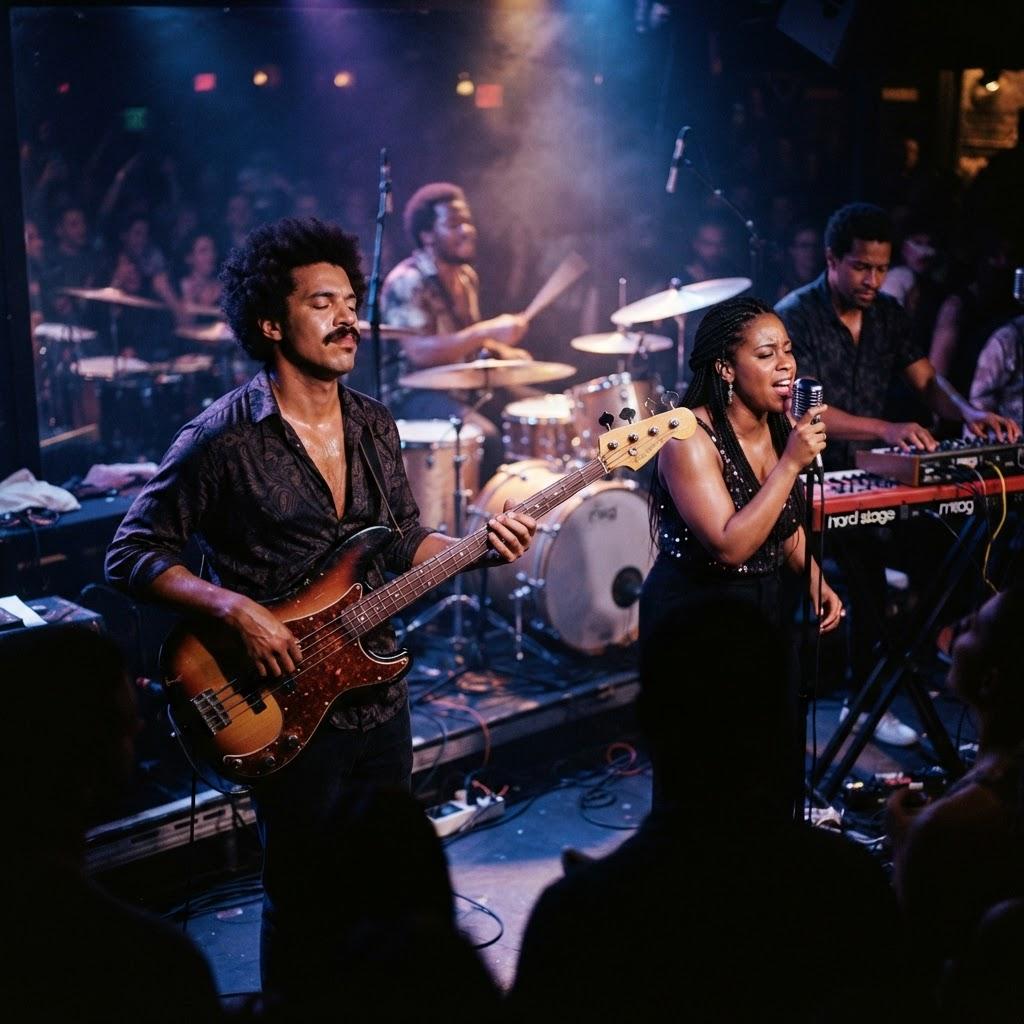
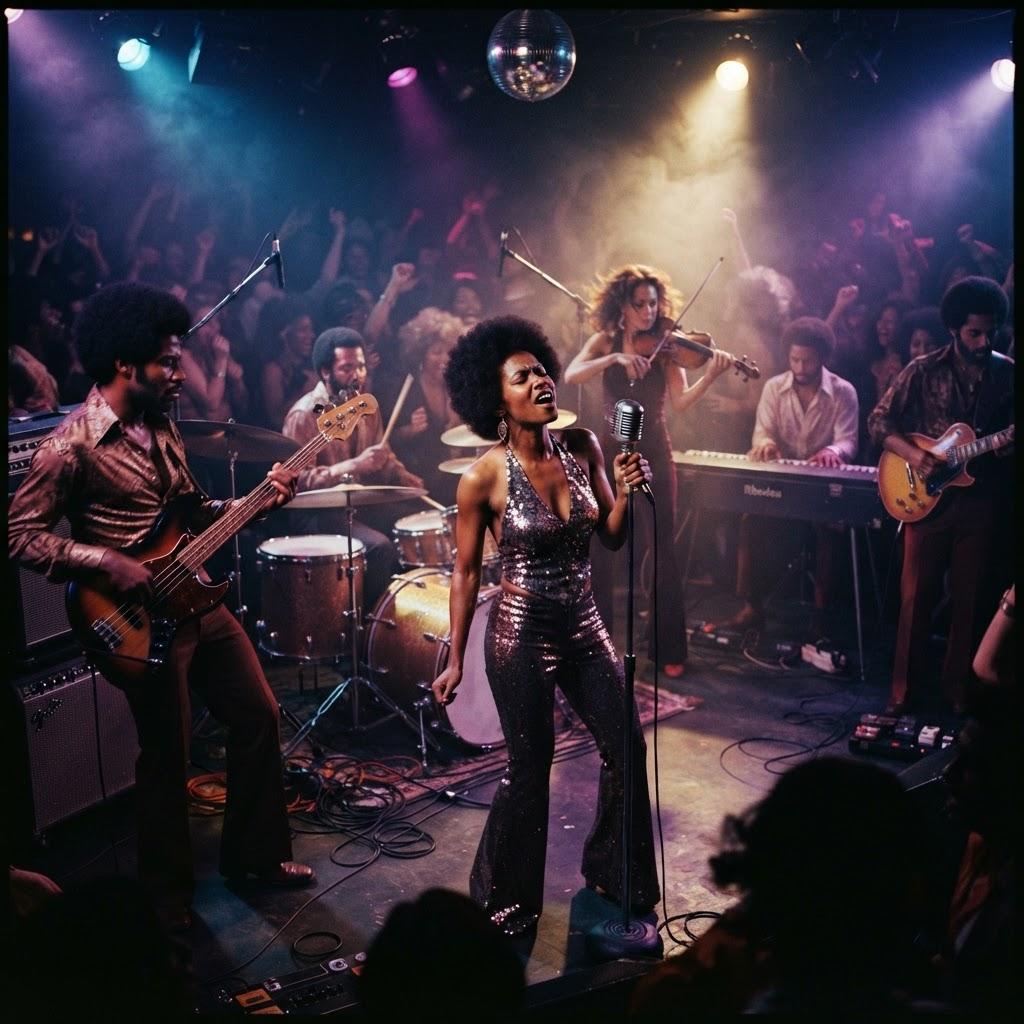
The birth of Contemporary R&B wasn’t some single lightning strike; it was a slow, deliberate migration of sound from the grit of the inner city into the gleaming, expensive studios of the Reagan era. By the late 70s and early 80s, the traditional rhythm and blues scene—think raw, brassy, organic instrumentation—was hitting a wall. Artists were looking at the massive, cold, clicking rhythms of early electronic music and realizing they could steal that precision for their own ends. It started in places like New York and Los Angeles, where the collision of funk’s dance-floor energy and the technological explosion of synths turned the music landscape into a playground. Musicians didn’t want to sound like their grandparents; they wanted to sound like the future. They took the gospel-inflected vocal runs that had defined Black music for decades and grafted them onto the chassis of a drum machine. This transition was a rebellious act of modernization, proving that you didn’t need a live horn section to make a song that could still break your heart into a thousand pieces.
The Pioneers & Legends
You cannot talk about this genre without bowing down to the architects who essentially built the house we’re all living in. Luther Vandross, with that voice like warm honey being poured over a velvet pillow, taught everyone that you could make a ballad feel like a prayer. Then there is Janet Jackson, the absolute queen of the beat; her album 'Control' wasn’t just a collection of songs, it was a tactical strike against anyone who thought R&B couldn’t be tough, rhythmic, and incredibly sharp. She teamed up with producers Jimmy Jam and Terry Lewis, and together they weaponized industrial-sounding synths to create a new kind of pop-R&B hybrid that defined the mid-80s. Let’s not forget Whitney Houston, whose voice was basically a superpower, or Babyface, the man who wrote the manual on how to structure a heartbreak song so that it would climb the Billboard charts with surgical precision. These weren’t just performers; they were visionaries who figured out how to balance the technical perfection of the studio with the messy, beautiful reality of the human voice, creating icons out of mortals in the process.
Defining Tracks & Era-Defining Moments
Some songs are so powerful that they essentially pause the rotation of the earth for four minutes every time they play. Take 'No Diggity' by Blackstreet, which turned the 'New Jack Swing' movement into an international phenomenon by blending gritty, heavy-hitting hip-hop drums with the slickest, most polished vocal harmonies you’ve ever heard. It’s the sonic equivalent of a guy showing up to a formal gala in high-top sneakers and somehow looking better than everyone else. Then there is Usher’s 'Confessions Part II,' a song that turned the confession booth into a pop-culture event. It proved that in R&B, vulnerability is a currency. When TLC dropped 'Waterfalls,' they didn’t just make a hit; they bridged the gap between social commentary and top-tier melody, showing that R&B could address the realities of life in the streets without losing its radio-friendly shine. These tracks are the bedrock of the genre—moments where the stars aligned, the production was perfect, and the emotional weight of the lyrics connected with millions of people at exactly the same time.
Subgenres & Offshoots
The R&B family tree is as messy as a holiday dinner with distant relatives, but that’s what makes it fun. First, you have 'New Jack Swing,' which is basically R&B that drank too much espresso; it’s fast, aggressive, and obsessed with complex drum patterns. Then there is 'Neo-Soul,' the cooler, artsier younger sibling that grew up reading poetry and wearing thrift store finds. Think Erykah Badu or D'Angelo, who decided they didn’t need the high-gloss studio sheen and preferred the raw, fuzzy sound of vintage equipment. On the other end of the spectrum, you have 'Alternative R&B,' which emerged in the 2010s. This is the genre’s goth cousin. Artists like The Weeknd and Frank Ocean stripped away the traditional 'love song' tropes and replaced them with themes of existential dread, late-night loneliness, and experimental, mood-heavy soundscapes. It’s a genre that loves to experiment, constantly branching off into 'PBR&B' or 'Trap-Soul,' proving that as long as the vocals remain the focal point, the musical landscape can be as wild as the producer’s imagination.
Cultural Impact & Influence
If you look at the last forty years of pop culture and don’t see the handprint of R&B, you aren’t looking hard enough. The genre essentially taught the world how to dress, how to talk, and how to define 'cool.' Think about the fashion of the 90s: oversized tracksuits, crop tops, bucket hats, and perfectly laid baby hairs—that was straight from the R&B music videos that ruled MTV. The genre created a lexicon of romance and drama that became the default language for reality television and modern dating. Even the way we listen to music today is influenced by the 'remix culture' R&B popularized. You couldn't have a hit song in the 90s without a 'radio edit' and a 'remix featuring a rapper,' a marriage that became the standard for every major label in the world. R&B stars became the ultimate crossover titans, showing that an R&B artist could rule the charts, the movie screens, and the runways simultaneously, turning the genre into a lifestyle brand that transcended just the audio coming out of the speakers.
Controversies & Drama
R&B is built on drama, so it’s only natural that the behind-the-scenes life is just as spicy. We’ve seen the 'purist wars,' where the old-school soul singers looked down their noses at the 'processed' sound of the 80s and 90s, calling it 'soulless' because of the drum machines. Then there were the 'sellout' accusations that followed every artist who dared to add a rap verse to their ballad to get on the radio. And don't get us started on the sample wars—the moment producers started mining the history of funk and jazz to build their own beats, lawyers started circling like sharks. There was also the constant tug-of-war between the artists and the labels regarding who actually owned the 'sound.' Who deserves the credit: the singer whose face is on the cover, or the producer who spent fourteen hours meticulously crafting the snare drum sound? It’s a never-ending cycle of artistic ego and industry greed, but let’s be honest: the music usually sounds better when there’s a little bit of bad blood behind the scenes.
Global Spread & Regional Scenes
While it was born on American soil, Contemporary R&B has become a global traveler. In the UK, it mutated into something moodier and more rhythmic, eventually helping give birth to movements like UK Garage and eventually fueling the rise of stars who blended American soul with the distinct grit of London. Over in Japan, the 'J-R&B' scene took the American model and infused it with local pop sensibilities, creating a style that is incredibly polished, intricate, and technically flawless—often putting the US originals to shame when it comes to sheer production value. Canada became a massive hub in the 2010s, with artists like Drake and The Weeknd essentially rewriting the rules of the genre by slowing everything down and making it sound like it was recorded inside a submarine. Everywhere it goes, the local culture adds a little spice—some regions favor the deep, booming bass of hip-hop, while others lean into the lush, orchestral melodies of traditional pop. It’s a language that everyone speaks, even if they use a different dialect.
The Modern Landscape
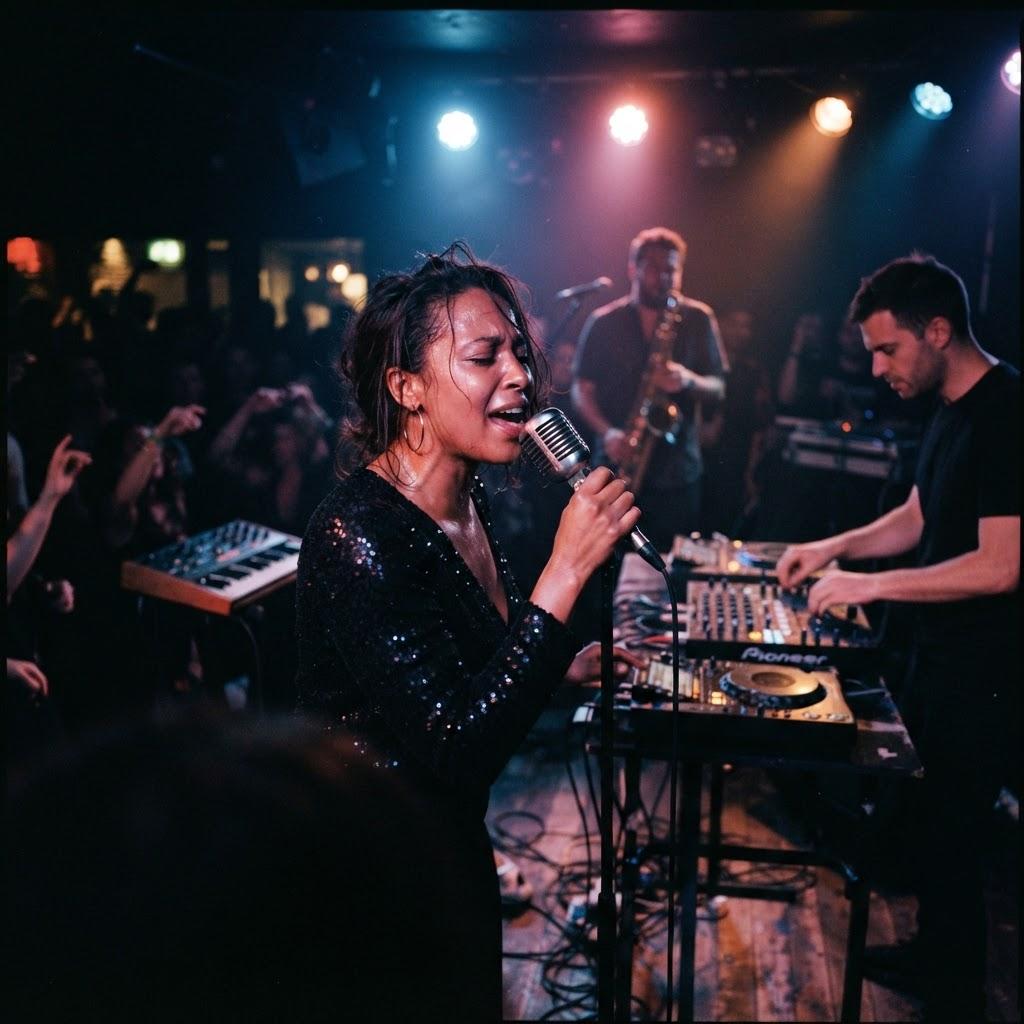
Today, Contemporary R&B is a shapeshifter that exists everywhere and nowhere all at once. Because the barriers between genres have collapsed thanks to streaming, 'R&B' is now less of a specific sound and more of a feeling, or a mood playlist you find on your phone. Artists are no longer restricted by the idea that they have to be 'purely' one thing. You’ll hear artists using lo-fi, bedroom-pop production techniques alongside massive, arena-sized vocal arrangements. It’s an era where the 'indie' artist can build a massive following on TikTok with a song recorded in their closet, then turn around and collaborate with the biggest pop stars on the planet. The focus has shifted back to intimacy—listeners today seem to crave that sense of being inside the artist's head, which is why the 'bedroom R&B' aesthetic—hushed vocals, ambient synthesizers, and deeply personal lyrics—is currently dominating the charts. It’s still the same emotional core, but the package has become significantly more personal and experimental.
How to Dive In
Ready to lose yourself in the velvet abyss? Start by listening to Janet Jackson’s 'Control' or 'Rhythm Nation 1814' to understand how the beat became the backbone of the genre. Then, pivot to Luther Vandross’s 'Never Too Much' for a masterclass in vocal execution. If you want that slick 90s vibe, throw on Blackstreet’s 'No Diggity' and TLC’s 'CrazySexyCool.' For the neo-soul transition, Erykah Badu’s 'Baduizm' is non-negotiable. If you’re feeling moody and modern, put on Frank Ocean’s 'Channel Orange' or SZA’s 'Ctrl'—these are the definitive texts for the current generation, blending vulnerability with experimental soundscapes that will keep you hitting the repeat button for days. Don’t try to overthink the theory or worry about the timeline; just let the synths hit you and follow the voice. Put on a good pair of headphones, find a dark room, and let the bass do the heavy lifting for you. You’re about to go on a long, beautiful trip, and you’ll probably be crying by track three—but hey, that’s just how you know it’s working.