Early 1980s, Chicago, Illinois
House
House is the sonic equivalent of a neon-soaked, sweat-drenched soul hug that never wants the night to end. It is the rhythmic heartbeat of global dance culture, born in Chicago and raised on pure, unadulterated joy.
Meet the Genre
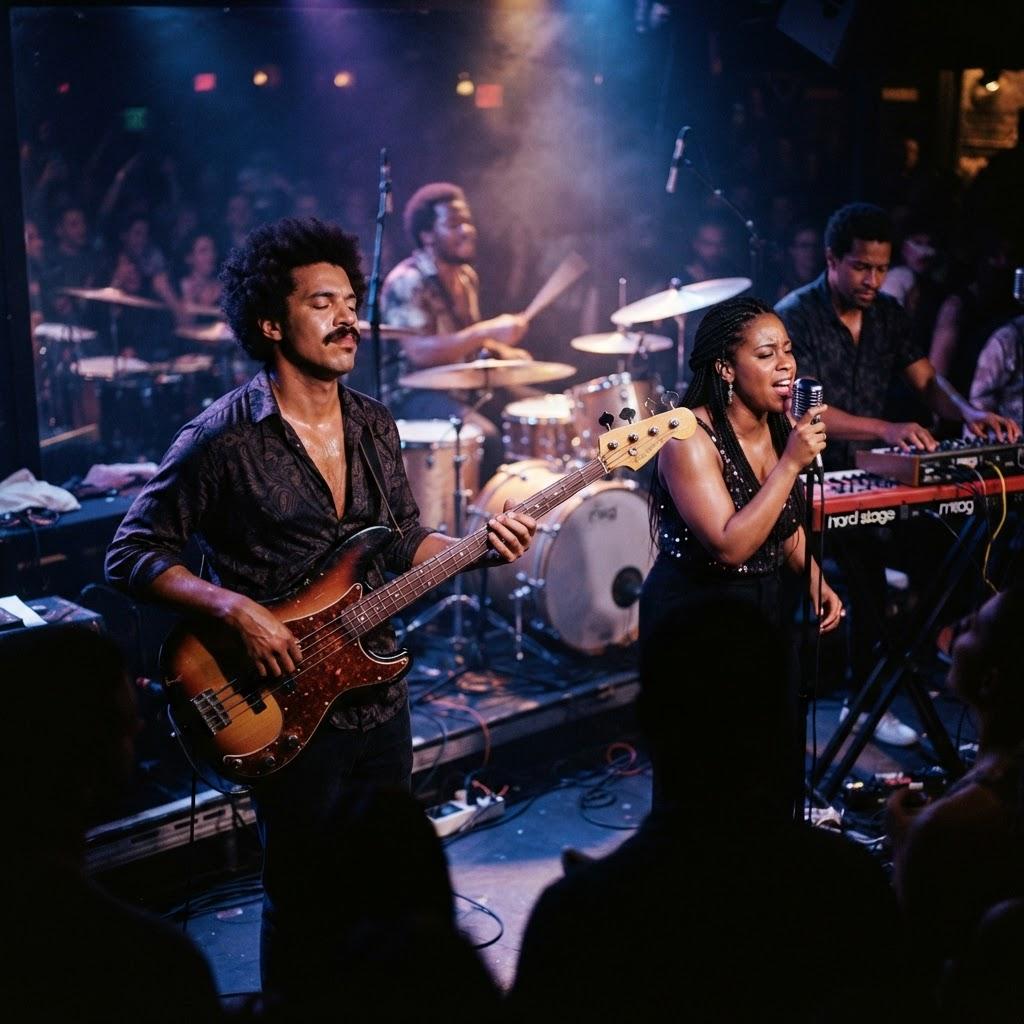
House music is the musical equivalent of walking into a room where everyone is your long-lost best friend and the drinks are always cold. If genres were people, House would be the one at the party wearing a sequined shirt, laughing loudly, and somehow managing to make even the shyest wallflower in the room feel like a superstar. It is not just music; it is an atmosphere that wraps around your eardrums like a warm blanket made of electric current. What makes House instantly recognizable is its relentless optimism and that signature rhythmic kick that hits your chest like a friendly, persistent nudge to get your body moving. Unlike its moody siblings in the electronic music family who might want to brood in a dark corner, House is perpetually sunny, even when it is exploring deep, introspective late-night territory. It is built on a foundation of pure, unadulterated soul, turning the cold circuits of drum machines into something that feels deeply human, imperfect, and vibrantly alive. If you ever find your foot tapping against your will while you are waiting in line at the grocery store, you have probably been infected by the House bug, and honestly, there is no known cure, nor would you ever want one.
The Sound & Signature Elements
At the heart of every House track is the legendary 'four-on-the-floor' beat, which is essentially just a bass drum hitting four times in every single measure of music—think of it as a metronome that decided to stop being boring and started going to rave parties. This repetitive thump is the bedrock, the solid ground upon which all the magic happens. Then there are the synthesizers, those magical boxes of wires that House producers use to craft basslines so groovy they should come with a warning label. A common trick is the use of 'swing' or 'shuffle' on the drums, which is a tiny, intentional delay that makes the rhythm feel like it is skipping down the street rather than marching in a straight line. The vocal samples are another staple, often ripped from vintage gospel or soul records, drenched in echo and reverb to make them sound like they are being shouted from the rafters of a cathedral. It is a masterclass in minimalism; by repeating simple elements, House creates a hypnotic trance where the listener gets lost in the layers. It is like watching a kaleidoscope—the pieces stay the same, but the way they turn and stack creates a never-ending, beautiful pattern of sound that keeps the dance floor moving for hours.
Origins & Birth of the Sound
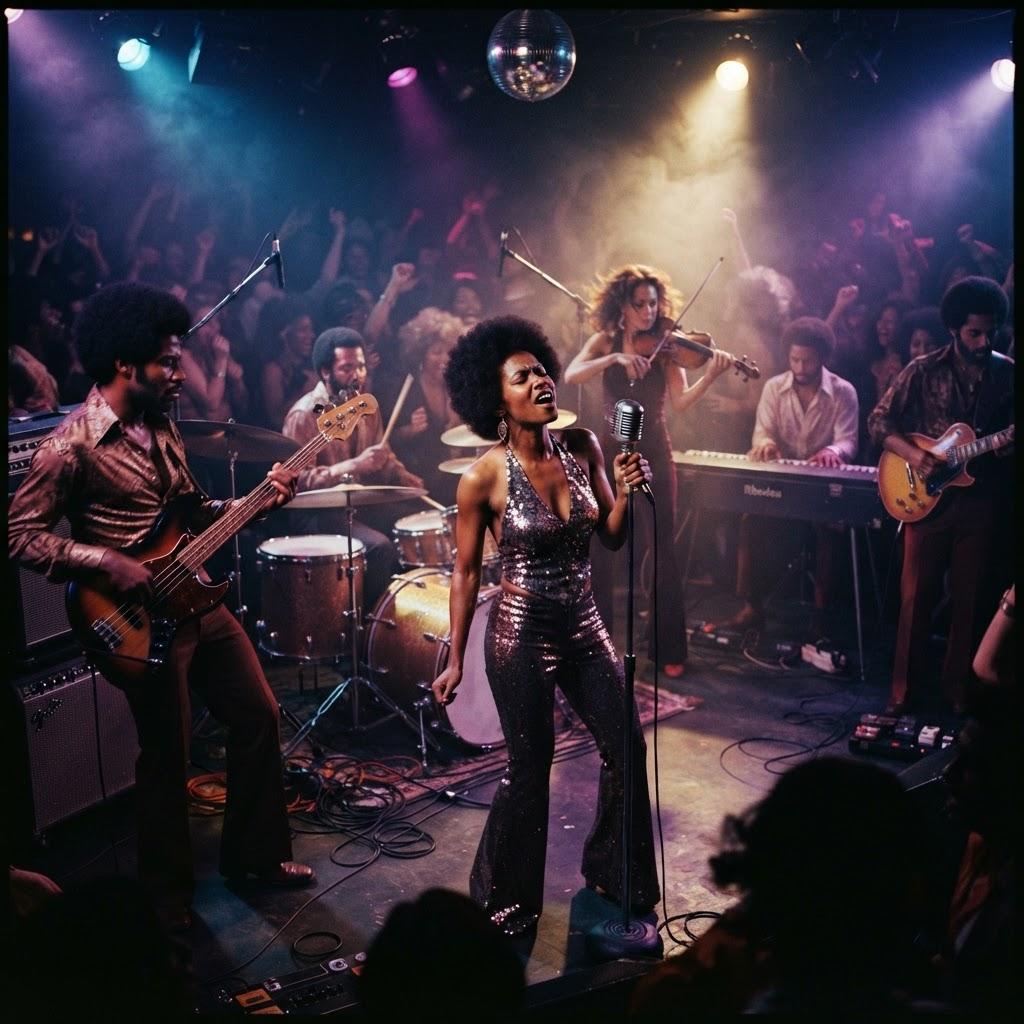
The birth of House wasn't a sudden explosion; it was a slow-cooked, soulful collision in the sweltering heat of early 1980s Chicago. After the mainstream media tried to bury Disco in a literal pile of burning records in 1979, the music didn't actually die—it went underground, hiding in the dimly lit basements and clubs of Chicago's Black, Latin, and LGBTQ+ communities. DJs at legendary spots like The Warehouse started experimenting with their record collections, blending the long, sweeping disco tracks with the newer, harder, and cheaper electronic sounds coming from Japan. They were using drum machines not because they were trying to be futuristic, but because they couldn't afford a full studio orchestra. This lack of budget became the genre's greatest strength, forcing producers to get creative with what they had. It was a DIY revolution where the neighborhood became the lab, and the dance floor was the testing ground. Every night was an experiment to see which bassline would make the crowd lose their minds, creating a sound that was raw, uncut, and deeply rooted in the need for a sanctuary where people could be exactly who they wanted to be.
The Pioneers & Legends
If House had a Mount Rushmore, it would certainly include Frankie Knuckles, the 'Godfather of House' whose residencies were basically spiritual experiences set to a drum loop. Knuckles was a master of the edit, a musical architect who could take a forgotten funk record and rearrange it until it felt brand new. Then there is Marshall Jefferson, the genius behind the keys who realized that adding sweeping, lush piano chords to a track could turn a simple dance song into an emotional anthem. We cannot talk about the legends without mentioning Jesse Saunders, who is widely credited with releasing the first house record, setting the blueprint for the entire movement. These weren't just DJs; they were the community's emotional conductors, reading the room like a book and spinning records to match the collective mood. They lived for the late-night crowd, the people who were there to sweat out their worries, and they understood that the role of the DJ was not to be the star, but to be the bridge between the machine and the soul of the audience.
Defining Tracks & Era-Defining Moments
To understand the gravity of House, you have to hear the tracks that basically invented the language. 'Move Your Body' by Marshall Jefferson is essential; it introduced the piano chords that became the hallmark of the Chicago sound and basically defined what an anthem should feel like. Then there is Frankie Knuckles' 'Your Love,' a track so seductive and hypnotic that it sounds just as fresh today as it did decades ago. It features a bubbling, acid-tinged bassline that hooks you immediately and refuses to let go. We also have 'On and On' by Jesse Saunders, which stripped everything back to the raw, pulsing heartbeat of the drum machine, proving that you didn't need a massive production budget to change the world. Each of these tracks was a turning point, a moment where the genre shifted from being a local Chicago secret to an unstoppable global phenomenon. They are the sonic artifacts of a revolution that wasn't televised but was absolutely felt in every corner of the dance floor, proving that simplicity can be the ultimate sophistication.
Subgenres & Offshoots
Once House escaped the confines of Chicago, it started having kids, and oh boy, is it a massive family tree. First, you had 'Acid House,' which is what happens when you turn the knobs on a Roland TB-303 synthesizer to the point of near-collapse, resulting in those famous, squelching, alien-like bass sounds. It sounded like the music was melting, and it sent the UK scene into a complete frenzy. Then there is 'Deep House,' which pulls back the tempo and focuses on jazz-infused chords and sophisticated, moody atmospheres, perfect for a 3 AM drive through a rainy city. On the other end, you have 'Tech House,' which is the cleaner, more clinical cousin that swaps the soulful piano for robotic, precise percussion and tighter production tricks. There is also 'French House,' which brought a disco-sampling, filter-heavy sheen to the sound, making it feel like you are dancing inside a glitter ball. Every branch of the House family tree kept the core spirit of the four-on-the-floor beat but dressed it in different outfits, proving just how versatile this musical structure really is.
Cultural Impact & Influence
House music did not just influence fashion; it basically created a uniform. The baggy pants, the bucket hats, the glow sticks, and the oversized tees all trace their lineage back to the practical necessity of being able to dance for eight hours straight without fainting from heatstroke. Beyond fashion, House shifted the way we experience nightlife. It introduced the 'DJ-as-hero' culture, moving the focus away from the stage and onto the booth. It influenced the political landscape, too, as it provided a safe haven for marginalized communities who were being pushed to the fringes of society, creating a culture of radical inclusivity and love. You see its fingerprints in everything from the structure of modern pop songs to the high-fashion runway shows in Paris. It changed the language of the night, introducing terms like 'rave,' 'track,' and 'digging' into our everyday vocabulary. House taught an entire generation that music isn't something you just listen to; it is something you participate in, something that can break down social barriers if you give it enough volume.
Controversies & Drama
No genre with this much passion can avoid a little drama, and House has seen its fair share. In the UK during the late 80s, the rise of the 'Second Summer of Love' caused absolute panic among the government and the mainstream press. They couldn't understand why thousands of people were gathering in fields to dance all night to repetitive electronic music, leading to actual laws designed to restrict unauthorized raves. It was a hilarious mismatch of priorities—politicians were terrified of the bass, while the kids were just trying to have a good time. There were also internal debates about 'selling out' when House started to cross over into the pop charts, with purists arguing that the genre was losing its soulful, underground edge. The 'is it real music if a computer makes it?' debate raged for years, which seems funny now, given how much of modern pop music is built on those same electronic foundations. The genre weathered the storms, the bans, and the moralizing, emerging stronger every single time because, at the end of the day, the music is just too fun to stop.
Global Spread & Regional Scenes
House music is a world traveler with a very friendly passport. After starting in Chicago, it hopped across the pond to the UK, where it met the country's existing warehouse culture and exploded into a massive, nationwide movement. Meanwhile, in Detroit, the local scene was taking the Chicago blueprint and adding a futuristic, industrial edge to create 'Techno,' which is basically the cousin of House that prefers science fiction to soul music. In South Africa, 'Kwaito' emerged as a slowed-down, funky variant of House that became the defining sound of a post-apartheid youth culture, showing how the music could be adapted to fit any local reality. Then there is the island of Ibiza, which became the spiritual home for House, where the beach-side parties turned the genre into a global vacation destination. Every city that picked up the House torch added its own local flavor, whether it was the percussion-heavy beats of Brazil or the sophisticated, melodic layers found in the clubs of Berlin, proving that the language of the kick drum is truly universal.
The Modern Landscape
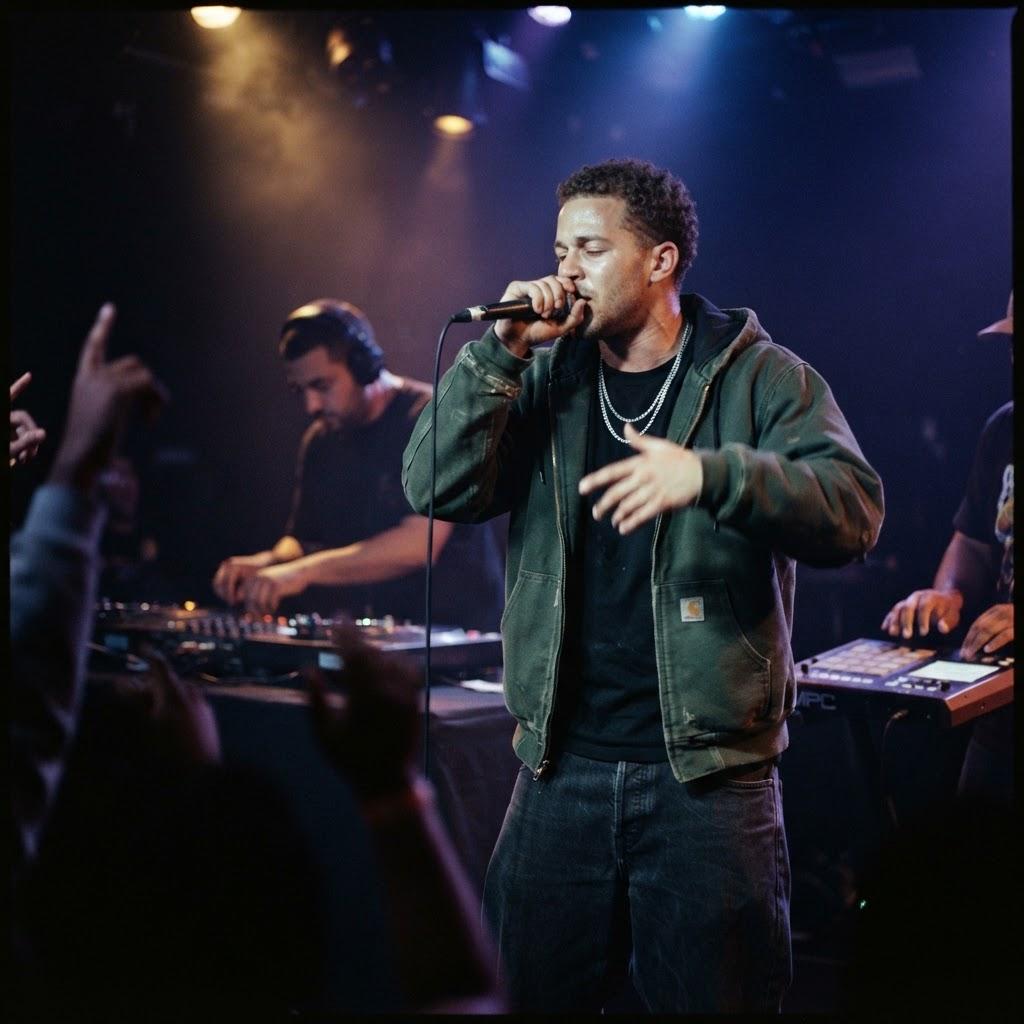
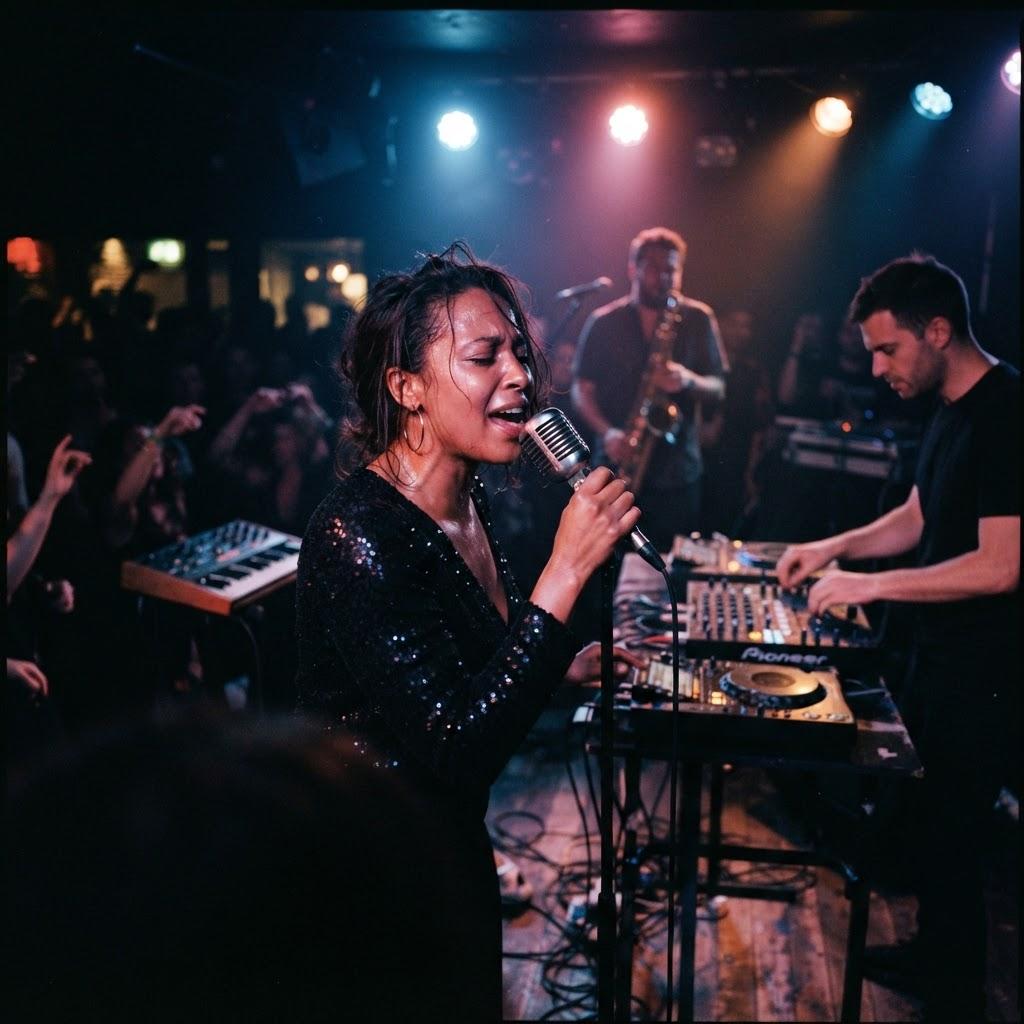
Today, House is everywhere, like the oxygen of the musical world. You can hear its DNA in everything from high-budget pop hits by global superstars to the experimental tracks bubbling up on underground streaming platforms. Modern torchbearers are blurring the lines even further, mixing House with Afrobeat, Latin rhythms, and even country music elements, showing that the genre is far from a finished project. The rise of home-production software means that literally anyone with a laptop can be a producer, leading to an explosion of creativity that keeps the genre constantly shifting. We are seeing a return to the roots, with a renewed appreciation for the soulful, disco-sampling origins, alongside a drive into the future with hyper-modern sound design. House is no longer just a genre; it is a fundamental pillar of how we make and consume music in the 21st century. It is the glue holding together the modern club experience, ensuring that no matter where you go in the world, you can always find a place where the beat is steady, the vibe is welcoming, and the night is just beginning.
How to Dive In
If you are ready to let the rhythm take over, the best way to start is by building your own House toolkit. Begin by listening to the classics: start with the raw energy of Jesse Saunders' 'On and On,' then feel the warmth of Frankie Knuckles' 'The Whistle Song,' and finally, get lost in the piano-drenched majesty of Marshall Jefferson's 'Move Your Body.' As you listen, try to focus on just one element at a time—follow the bass drum, then focus on the bassline, then listen for how the vocals weave in and out of the mix. Once you have a taste for the OGs, check out some modern sets from Boiler Room to see how today's DJs are mixing the old with the new. Remember, House is not about intellectualizing the music; it is about feeling the groove in your bones. Find a local club night, put on some comfortable shoes, and just go. Once you experience that feeling of being in a room full of strangers all moving to the same beat, you will understand why this genre has been rocking the world for over forty years. Welcome to the family—the dance floor is open, and you are officially invited.