1990s, USA
Neo-Soul
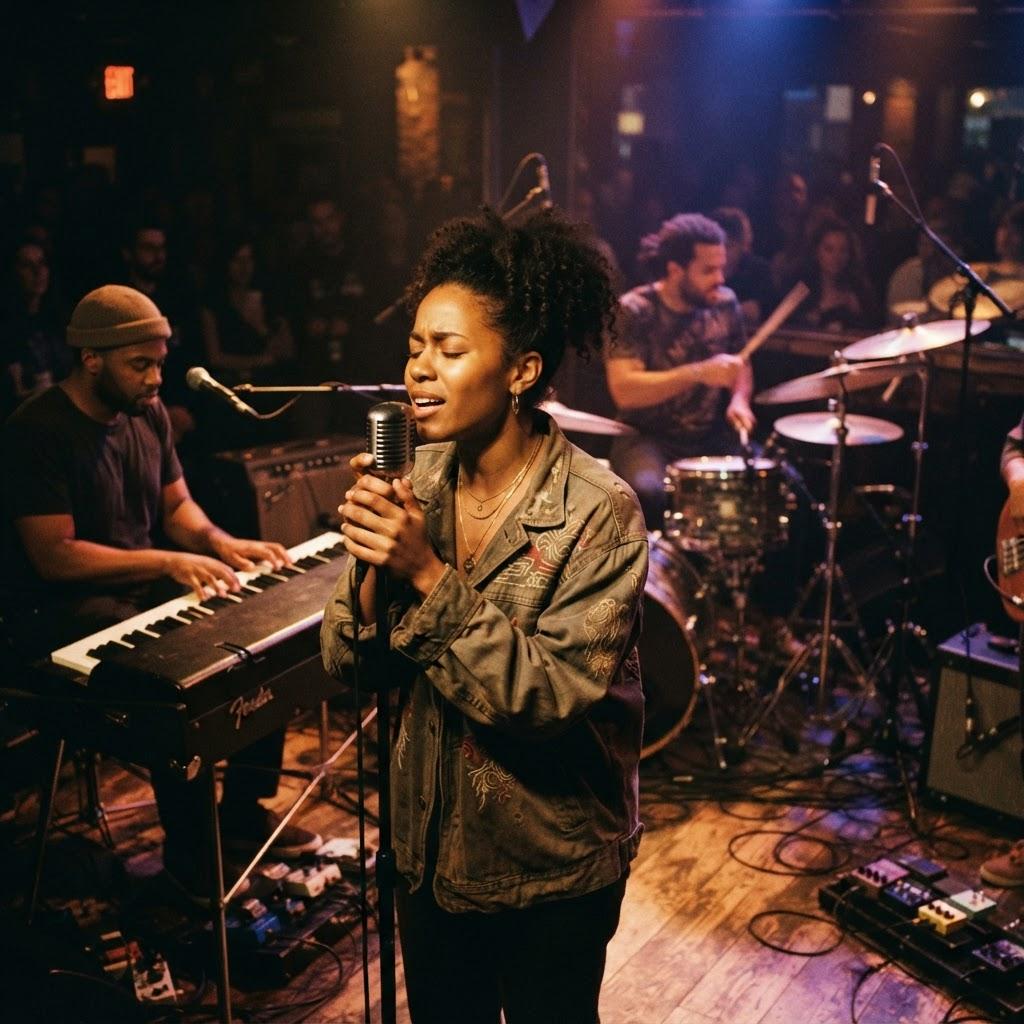
Neo-soul is the musical equivalent of a warm hug on a rainy day, blended with the street-smart attitude of hip-hop and the spiritual weight of a Sunday morning service. It is the sound of velvet-smooth vocals meeting dusty, head-nodding drums in a dimly lit basement.
Meet the Genre
Imagine you are wearing your favorite pair of vintage corduroys, sitting in a room filled with flickering candlelight, sipping something smooth while a record spins in the background. That is the Neo-soul experience. It isn’t just music; it’s a mood that you inhabit. While mainstream R&B in the mid-nineties was starting to lean into heavy, polished pop production, Neo-soul was the cool, bohemian cousin who decided to wear thrift-store finds and listen to jazz records from the seventies instead. It feels intimate, grounded, and deeply human, prioritizing the texture of a voice and the snap of a drum beat over flashy pyrotechnics. It is music that makes you want to close your eyes, sway your shoulders, and contemplate your existence. Whether it is singing about heartbreak, social justice, or just the joy of a perfect Sunday, Neo-soul wraps you in a sonic blanket that feels both timeless and dangerously hip. It rejects the artificial sheen of high-gloss pop for something closer to the sweat and spirit of live music.
The Sound & Signature Elements
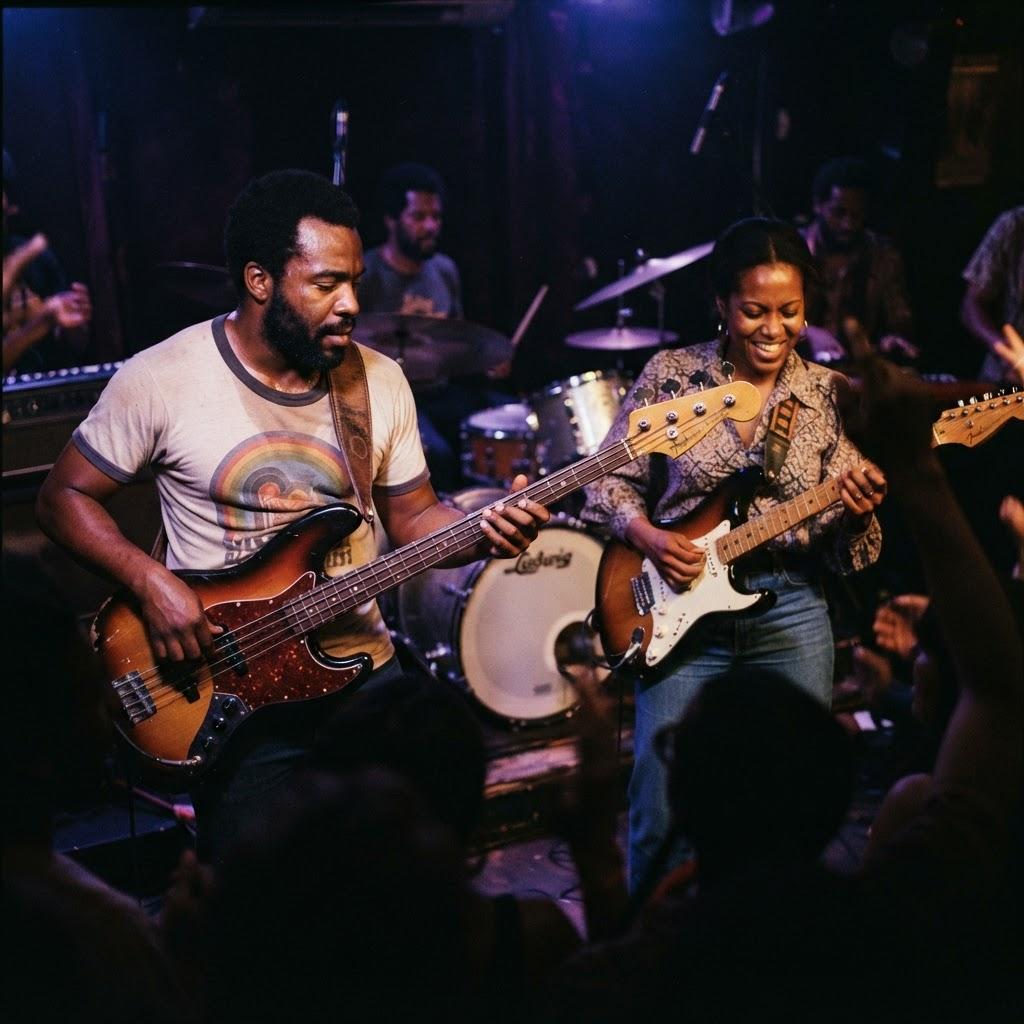
At its core, Neo-soul is a beautiful collision between the dusty, soulful records your parents played and the sharp, crunchy drums of nineties hip-hop. Think of the Fender Rhodes piano—a keyboard that sounds like someone took a bell and dipped it in honey—as the backbone of the genre. That wobbly, warm, electric piano tone provides the chords that make you feel like you are floating. The drums are the secret sauce; they aren't robotic or perfectly clicked into place on a computer grid. Instead, they feature a 'swing,' which is a fancy way of saying they stutter just a tiny bit, like a human drummer playing slightly behind the beat to make the groove feel lazier and cooler. You will hear lush, jazzy chord progressions that wander in directions you don't expect, and basslines that are thick, woody, and melodic. The singing is less about showing off how high you can hit a note and more about the grit, the rasp, and the emotion in your throat. It is musical alchemy: taking the grit of the street and the grace of the church and shaking them up in a cocktail shaker.
Origins & Birth of the Sound
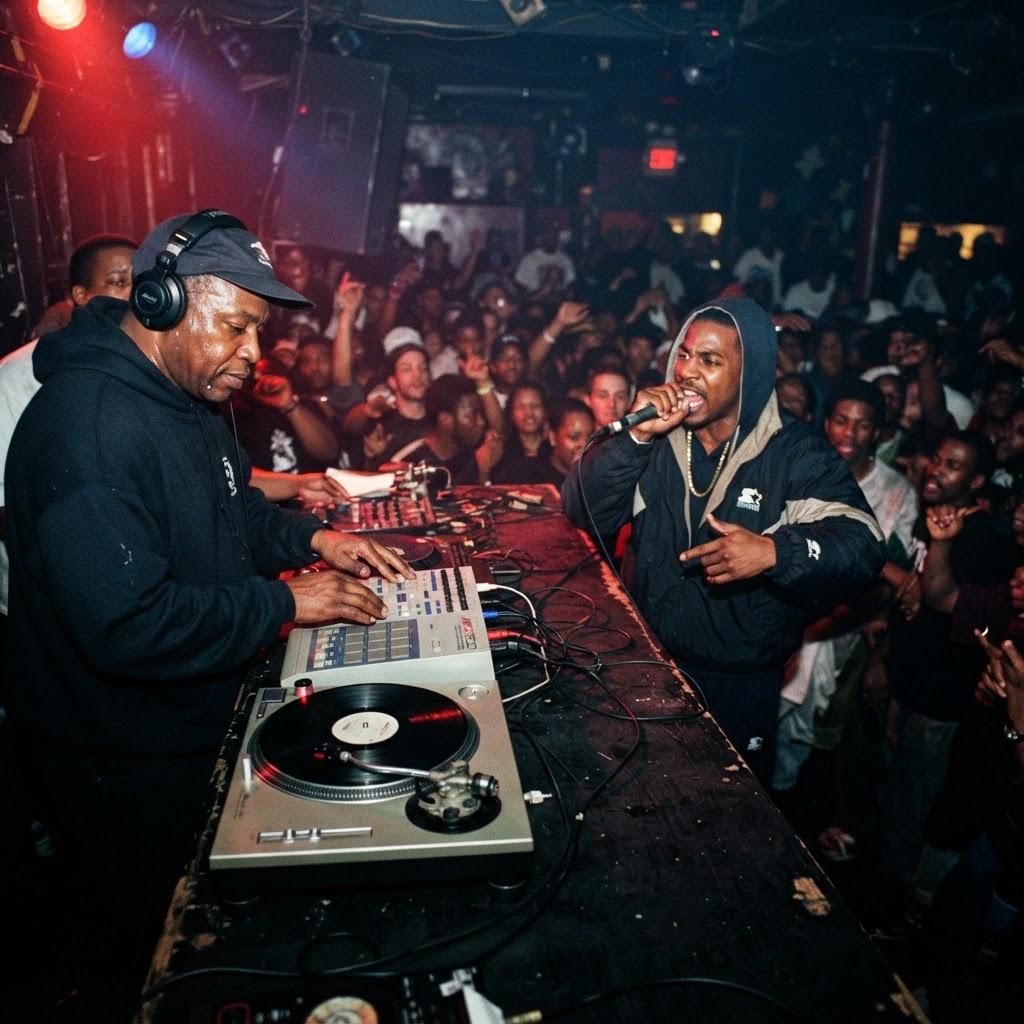
The birth of Neo-soul wasn't a sudden explosion, but more like a slow-burning bonfire in the cities of Philadelphia and New York. By the early nineties, artists were getting tired of the overly synthesized, robotic sound that dominated the radio. They craved something that felt real, something with a pulse. In the basements of Philly, a collective of musicians—the Soulquarians—began experimenting with live instrumentation, blending the spirit of classic sixties Motown with the raw, rhythmic energy of A Tribe Called Quest. It was a defiant act of creativity. They weren't trying to make pop hits; they were trying to honor the history of Black music while dragging it kicking and screaming into the future. It was a scene where rappers and singers hung out in the same studios, swapping ideas and blurring the lines between genres. The movement felt like an underground secret society where musicians were obsessed with vintage gear, analog tape, and the philosophy that a song should breathe before it speaks. It was organic, messy, and absolutely brilliant.
The Pioneers & Legends
If Neo-soul were a high school, Erykah Badu would be the cool girl who knows everything about crystals and literature, while D’Angelo would be the quiet genius who can play every instrument in the room better than the teacher. Erykah Badu arrived like a cosmic whirlwind, with her towering headwraps and a voice that sounded like it had been aged in a wooden barrel. Her album 'Baduizm' was the big bang of the genre, proving that weird, introspective, and soulful music could actually sell millions of copies. Then there is D’Angelo, who turned his album 'Voodoo' into a sacred text of groove. He spent years in the studio obsessing over how to make drums sound like they were stumbling over their own feet in the best possible way. We also have to bow down to Maxwell, whose voice is basically liquid gold, and Lauryn Hill, who bridged the gap between rap and singing with such ferocity that she changed the trajectory of music forever. These legends weren't just musicians; they were architects of an entire sonic universe, building bridges between the past and the present.
Defining Tracks & Era-Defining Moments
When D’Angelo dropped the video for 'Untitled (How Does It Feel),' it wasn't just a song; it was a cultural event that made the entire world stop and pay attention. The video was simple—just him, looking incredibly fit, singing with raw passion—but the music behind it, that deep, swampy, slow-burn funk, defined the sound of the entire late nineties. Then you have Erykah Badu’s 'On & On,' which felt like a mantra for a generation, and Lauryn Hill’s 'Ex-Factor,' a song so haunting and relatable that it basically became the universal anthem for anyone who has ever been stuck in a complicated relationship. These songs mattered because they didn't sound like anything else on the radio. They stood out like a colorful painting in a room full of black-and-white photos. They were pivot points. After these tracks landed, producers everywhere started scrambling to find that 'Neo-soul sound,' trying to figure out how to replicate that magic. These weren't just hits; they were blueprints for a new kind of emotional honesty in music.
Subgenres & Offshoots
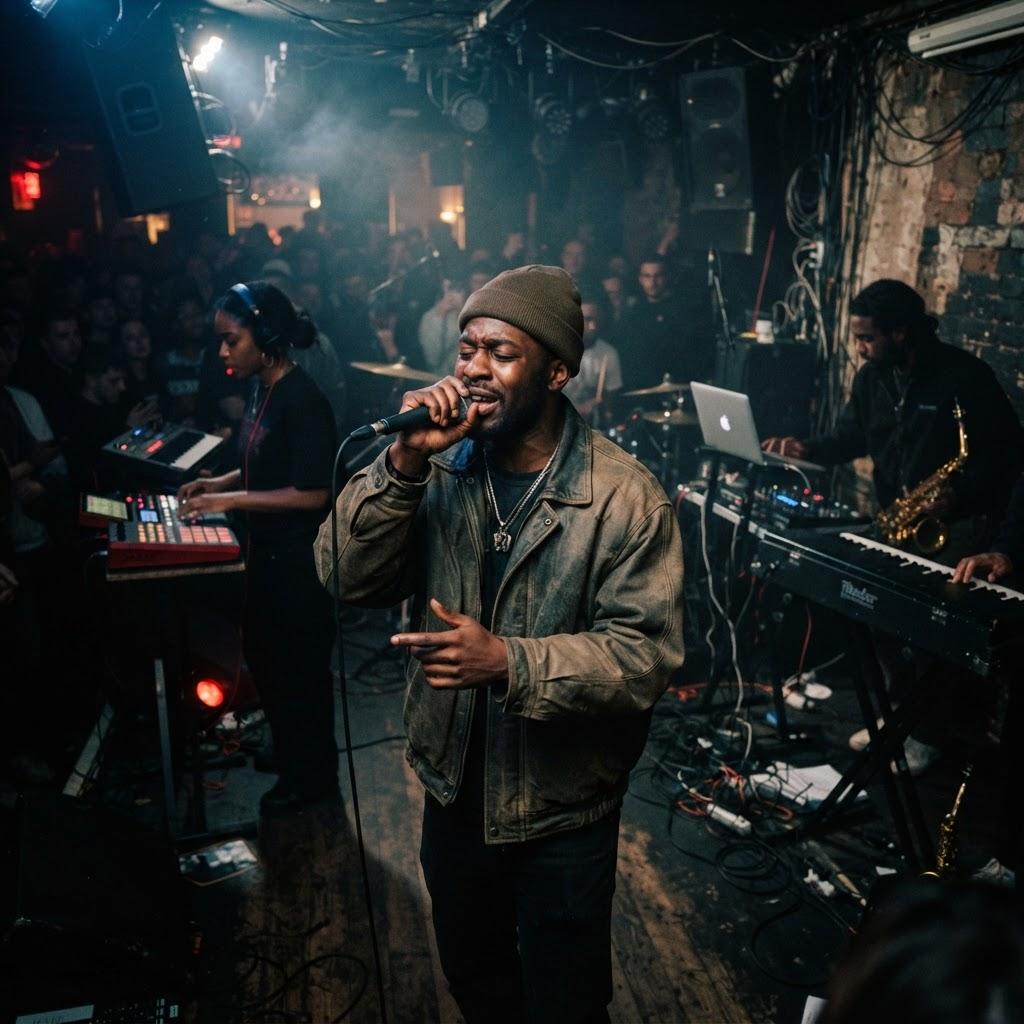
Neo-soul is a generous tree with some very interesting fruit growing on its branches. As the sound evolved, it started cross-pollinating with everything in sight. You have 'Future Soul,' which takes that organic, Fender Rhodes-heavy goodness and throws in futuristic, glitchy electronic textures—perfect for those late-night drives where the city lights are blurring past. Then there is the 'Jazz-Rap' fusion, where the influence of legends like The Roots became so strong that it’s hard to tell where the soul ends and the hip-hop begins. You’ve also got the 'UK Soul' scene, which gave the genre a slightly more melancholic, rain-drenched, moody aesthetic, heavily influenced by trip-hop and dub. Some artists started playing with 'psychedelic soul,' adding layers of distorted guitars and cosmic soundscapes that make you feel like you are floating in space. It is a genre that refuses to sit still, constantly borrowing from jazz, bossa nova, and even electronic music to keep the vibes fresh and unpredictable for the listener.
Cultural Impact & Influence
The ripple effect of Neo-soul goes way beyond just the music charts. Think about the fashion of the late nineties and early aughts: the earth tones, the headwraps, the focus on natural hair, and the vintage-chic look. That was straight from the Neo-soul playbook. It was a movement that celebrated authenticity and Black pride, and it influenced how people carried themselves, shifting the aesthetic from shiny, futuristic excess to something more grounded and culturally rooted. It also changed the way music was produced. After Neo-soul, even pop stars started wanting their tracks to sound 'warm' and 'organic' rather than perfectly sanitized. You can hear the fingerprints of Neo-soul all over modern R&B, from Frank Ocean to SZA and Solange. They all owe a debt to the artists who stood up and said, 'we want to make music that feels like a conversation, not a product.' The genre created a language of cool that focused on intellectual depth and emotional vulnerability, giving listeners permission to be deep, thoughtful, and stylish all at the same time.
Controversies & Drama
No genre survives without a little bit of internal friction, and Neo-soul had plenty of it. There was the constant tension between being an 'authentic artist' and being a 'commercial success.' When some of the pioneers started getting huge, the purists in the scene immediately started calling them sellouts. It was the classic 'I liked them before they were cool' debate, multiplied by a thousand. Then there were the 'purist wars' over what actually qualified as Neo-soul. Did it have to have a live drummer? Could you use too many synthesizers? If you made a song that was too catchy, was it actually pop music in a disguise? The drama was constant, with message boards and magazines filled with debates about whether Neo-soul was a legitimate genre or just a marketing term invented by record labels to sell expensive sweaters and incense. Even the artists themselves would sometimes distance themselves from the term, finding it too limiting, as if they were being put in a box when they were clearly trying to paint an entire mural.
Global Spread & Regional Scenes
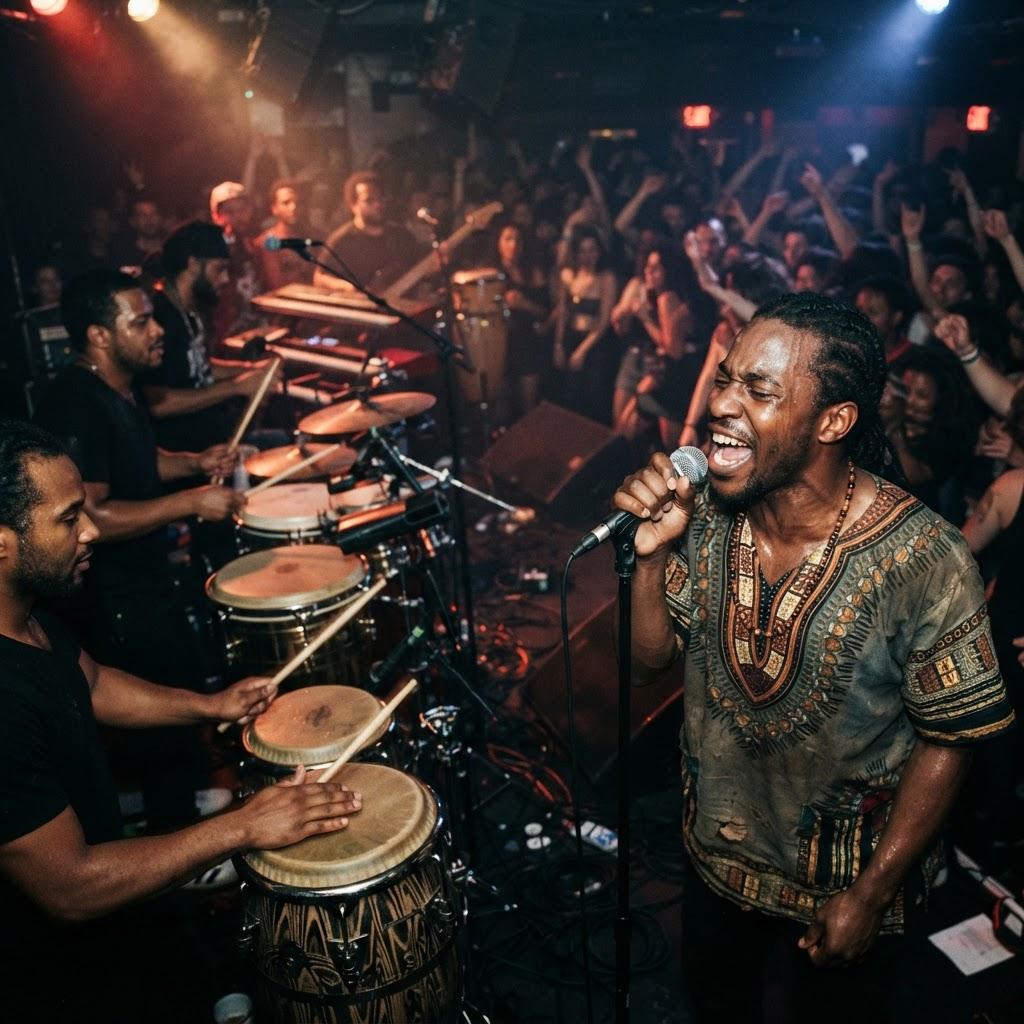
Neo-soul didn't just stay in the United States; it traveled the world like a cool breeze. In London, the scene caught fire, blending with the local electronic and jazz traditions to create a sound that was darker, moodier, and perfect for the city's rainy nights. In Japan, there was an obsession with the production techniques of the Soulquarians, leading to a vibrant scene of producers who mastered the art of the 'swing' beat, creating beautiful, instrumental-heavy tracks that sounded like sunshine hitting a Tokyo street. Even in South Africa and across parts of Europe, artists took the core tenets of the genre—the honesty, the groove, the musicality—and mixed it with their own local rhythms and languages. It became a global language for anyone who wanted to talk about feelings, struggle, and beauty. It proved that you didn't need to be from Philly to understand the soul; you just needed to know how to appreciate a really good drum break and a chord that makes you want to cry.
The Modern Landscape
Today, Neo-soul is everywhere, even if we don't always call it by that name. It has become the foundational grammar for modern R&B. Go on a popular streaming playlist, and you will find songs with that classic, sleepy drum pattern and those lush, jazzy chords being used by artists who weren't even born when 'Baduizm' came out. It isn't 'trending' on TikTok in the way that viral dance songs are, but it is the bedrock of 'vibey' music. It’s the sound of the 'Chill Lo-fi Beats to Study To' generation. The aesthetic lives on in the way modern artists present themselves—valuing 'the vibe' over the bombastic, over-the-top performance. While the original pioneers might have moved on to new experiments, the spirit of Neo-soul is thriving. It’s like it has dissolved into the water supply; it’s the quiet, steady hum of quality music that values soul, musicality, and a touch of mystery above all else. It is a genre that has grown up, gotten more comfortable in its skin, and settled into its role as the backbone of modern cool.
How to Dive In
Ready to lose yourself in the groove? Start by putting on Erykah Badu's 'Baduizm' from start to finish—it’s the perfect primer for your journey. Then, move over to D’Angelo’s 'Voodoo' and pay close attention to how those drums seem to lean back in the chair. Listen to Maxwell’s 'Urban Hang Suite' to hear how the genre can be both sophisticated and deeply romantic. If you want to see where the hip-hop influence really shines, throw on some music by The Roots, especially their earlier work where they were crafting that organic, live-band sound. For a more contemporary taste, check out some tracks by Moonchild, who keep that dreamy, jazz-infused, Neo-soul spirit alive and well in the modern era. Don’t overthink it; just put on a pair of good headphones, find a comfy chair, and let the music do the work for you. Once you get hooked on the warmth of those Fender Rhodes keys and the snap of those dusty drums, there is simply no going back. Enjoy the ride, because once you find the groove, you’ll never want to leave it behind!