1950s, Southern United States
Soul
Soul is the musical equivalent of a home-cooked meal for your spirit, blending the church-bred fire of gospel with the cool, calculated swagger of R&B. It is a genre that does not just ask you to listen; it demands that you feel every single heartbeat behind the melody.
Meet the Genre
If music were a high school, Soul would be the kid who sits in the back of the room, writes poetry in a leather-bound notebook, and has a voice that could make a statue cry. It is not just a genre; it is a full-body experience that takes the raw, frantic energy of the Sunday morning church service and drags it into the smoky, neon-lit Saturday night club. Soul is the musical equivalent of a warm hug from someone who truly understands your pain, mixed with a celebratory toast to being alive. It is effortlessly cool, deeply messy, and entirely allergic to being fake. While other genres might try to impress you with technical acrobatics or fancy outfits, Soul only cares about one thing: the truth. It is the sound of a human being saying exactly what they feel, unfiltered and unvarnished. You don't just hear Soul music; you feel it in the pit of your stomach, usually right around the time the lead singer hits that one note that makes your hair stand on end.
The Sound & Signature Elements
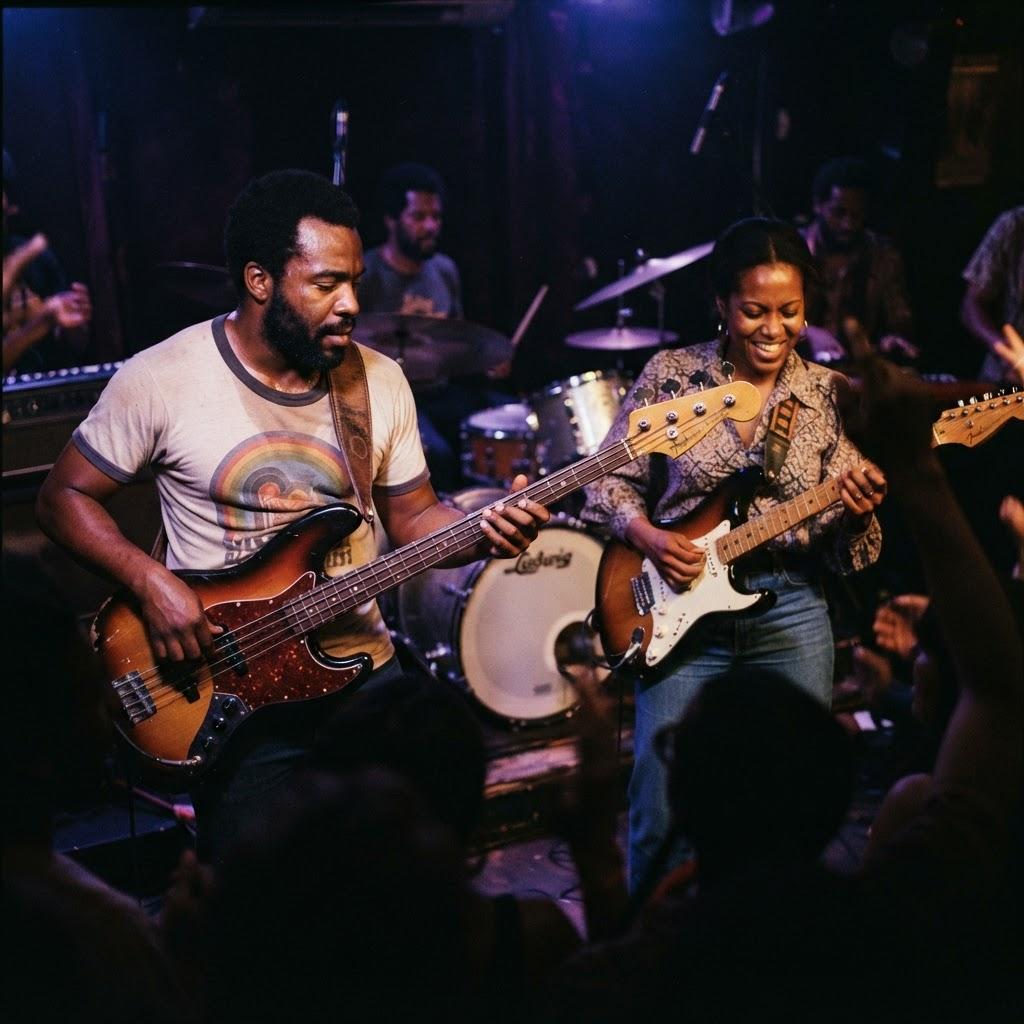
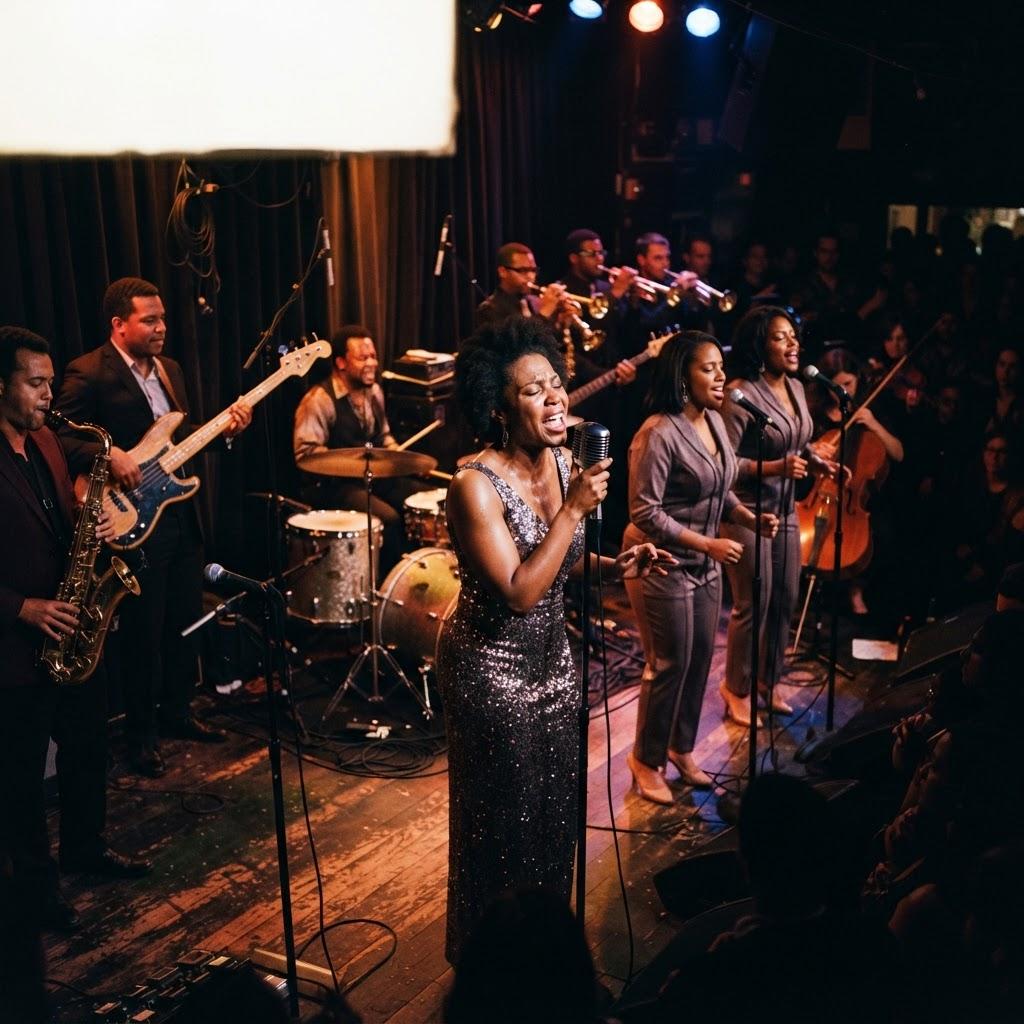
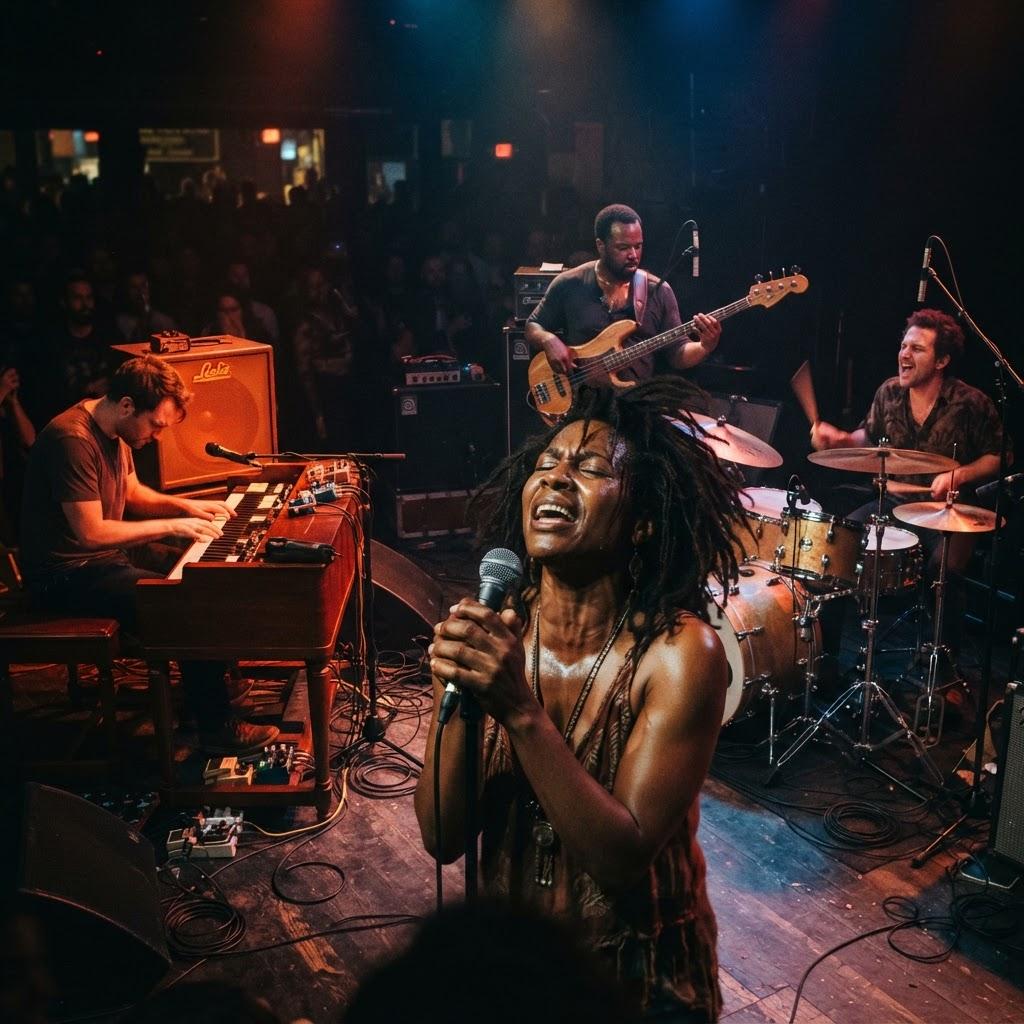
The sonic blueprint of Soul is surprisingly scientific but feels like magic. At its core, you have a rhythm section—drums, bass, and guitar—that locks in like a pair of high-quality headphones. The bass player is the silent architect, laying down a groove that is thick enough to walk on, while the guitar often provides choppy, rhythmic stabs, kind of like a heartbeat monitor in a high-stakes medical drama. Then, there is the Hammond B3 organ, the undisputed king of the Soul sound. Imagine a piano that has been plugged into a blender of warm honey and electricity, and you are halfway there. The brass section pops in with sharp, punchy hits that feel like exclamation points at the end of every sentence. But the true star is the vocal delivery. Soul singers use something called melisma, which is just a fancy way of saying they take one syllable of a word and stretch it out across five different notes, twisting it until it carries the weight of a thousand lifetimes. It is all about tension and release, building up the emotion until the listener just has to let out a sigh of relief.
Origins & Birth of the Sound
Soul was born in the melting pot of the American South during the mid-1950s. It did not just drop from the sky; it was cooked up in the kitchens and church basements where people were tired of hiding who they were. Gospel music was the stern, pious father of the genre, providing the intense, soaring vocal techniques and the call-and-response style where the singer yells something and the choir or band yells back. Meanwhile, Rhythm and Blues (R&B) was the wild, rebellious uncle who loved secular fun, dancing, and singing about heartbreak instead of heaven. When these two worlds collided, something sparks flew. It happened in places like Memphis, Detroit, and Muscle Shoals, where the air felt thick with humidity and anticipation. It was a time when the societal walls were starting to crumble, and young artists were looking for a way to express their frustration, their joy, and their humanity without asking for permission. They took the sacred and made it secular, proving that you could find God in a love song just as easily as you could in a hymn.
The Pioneers & Legends
To understand Soul, you have to meet the cast of characters who wrote the script. First, there is Ray Charles, the blind genius who essentially took the piano to church, slapped it around a bit, and invented the template. Then there is Sam Cooke, a man with a voice as smooth as velvet over broken glass, who brought an elegance to the genre that made even the grittiest lyrics sound like Shakespeare. You cannot discuss Soul without mentioning Aretha Franklin, the Queen who did not just sing a song; she claimed it as her territory. She had the power to turn a simple lyric into a declaration of independence. And who could forget Otis Redding, a man who sang with such desperate, aching sincerity that it sounded like he was literally pouring his heart onto the floorboards for you to step over? These weren't just musicians; they were emotional conduits who channeled the collective spirit of their time, translating struggle and triumph into sounds that everyone, everywhere, could understand.
Defining Tracks & Era-Defining Moments
When you look at the timeline of Soul, a few songs stand out like mountain peaks. Take 'I Got A Woman' by Ray Charles—this was the seismic shift where the church met the street, and the world realized that gospel melodies worked perfectly for singing about romance. Then you have Sam Cooke’s 'A Change Is Gonna Come,' a song so hauntingly beautiful and politically charged that it became the unofficial anthem of the Civil Rights era. It didn't just top the charts; it changed the national conversation. Aretha Franklin’s 'Respect' took a simple Otis Redding tune and flipped it into an unstoppable powerhouse of female empowerment, cementing her status as royalty. Finally, you have the Stax Records explosion in Memphis, where the rawness was the selling point. These weren't just hit records; they were sonic markers of a time when the world was changing, and the music was both the soundtrack to that change and a catalyst pushing it forward.
Subgenres & Offshoots
Like a big, sprawling family tree, Soul started branching out into all sorts of wild directions once it got comfortable. You had Southern Soul, which was heavy, gritty, and dipped in mud, characterized by the raw output of labels like Stax. Then there was the sophisticated Northern Soul, which moved to the UK dance halls and favored a faster, more frantic beat that required incredible stamina and very specific dance moves. Later, things got even more interesting with the birth of Funk, where the beat became the boss and the melodies got tighter and more repetitive, all for the sake of the groove. Quiet Storm emerged as the smooth, late-night cousin, perfect for candlelit rooms and deep conversations. And of course, modern Neo-Soul later arrived to remind us that the old-school vibe could be reinvented with hip-hop sensibilities, proving that Soul is less of a rigid category and more of a flexible, living, breathing organism that is always looking for a new way to move the spirit.
Cultural Impact & Influence
The ripples caused by Soul music are still washing up on shore today. Beyond the turntable, it completely changed how we viewed fashion and identity. Think about the style: the sharp suits, the beehive hair, the sense of poise that said, 'I am here, and I matter.' Soul music gave voice to a generation that was fighting for recognition, turning personal pain into public power. It influenced everything from the way teenagers dressed to the way political organizers phrased their speeches. In the film industry, the 'Blaxploitation' era relied almost entirely on the funk-heavy, soulful scores of guys like Isaac Hayes to set the tone of urban cool. Soul taught the world that vulnerability was a superpower, not a weakness. It bridged gaps between races and social classes because, at the end of the day, everybody knows what a heartbreak feels like, and everybody knows how it feels to finally find the person who makes the world stop spinning for a moment.
Controversies & Drama
It wasn't all harmony and sunshine in the Soul world; there was plenty of backstage drama to keep things interesting. You had the constant battle between artists and the labels who wanted to own their sound, leading to some legendary lawsuits and walkouts. There was also the 'moral panic' that occurred whenever a gospel singer crossed over into the secular world—many purists thought they were essentially selling their souls to the devil for a record deal, which made for some very awkward family dinners. Then there were the 'beefs' between labels like Motown and Stax, which were essentially the Coke versus Pepsi of the soul world, with artists constantly jumping ship or being lured away by promises of bigger stages. It was messy, it was high-stakes, and it often resulted in some of the most emotionally charged recordings in history, simply because the artists had so much real-life drama to draw from when they stepped up to the microphone.
Global Spread & Regional Scenes
Soul music didn't stay locked in the American South; it went on a world tour and never really stopped. In the UK, it found a second home in the 'Northern Soul' scene, where obscure, upbeat American tracks were treated like holy relics by obsessive DJs in cavernous dance halls. In Japan, they took the precision of Soul production and turned it into an art form, with bands meticulously recreating the vintage sound of the 1960s with a reverence that would make a scholar blush. Even in places like Nigeria and Brazil, local artists were blending their own traditional rhythms with the punchy horn lines and organ swells of American Soul to create brand-new fusions. It became a global language. It didn't matter what language you spoke; when you heard that bass line hit, your feet started tapping. It was the ultimate cultural export, proving that you don't need to speak English to understand exactly what a Soul singer is crying about.
The Modern Landscape
Today, Soul is everywhere, even when it isn't calling itself Soul. You hear it in the way modern pop stars use 'ad-libs'—those little vocal trills and cries at the end of lines—to add emotional weight. You hear it in the sample-heavy production of modern hip-hop, which constantly digs through the crates of 1960s and 70s Soul records to find the perfect drum break or horn hook. Artists like Leon Bridges, Durand Jones, and Yola are currently keeping the torch lit, crafting songs that feel like they were pulled straight from a time machine while still speaking to the issues of today. Soul has become a seasoning for all other genres; a little bit of that grit and emotion makes everything sound better. It is evolving by looking backward, realizing that the best way to move forward is to remember the lessons of the pioneers who built the house in the first place.
How to Dive In
Ready to get your soul serviced? Start your journey by listening to 'The Dock of the Bay' by Otis Redding—it is the perfect gateway drug to the genre. Follow that up with Aretha Franklin’s 'Think' to get a feel for that unstoppable, fiery power. If you want to hear the smooth, sophisticated side of things, put on 'A Change Is Gonna Come' by Sam Cooke, and make sure you have some tissues nearby. When you listen, don't just focus on the lead vocals. Listen to the bass player holding the whole thing together, and listen for the way the drums sound like they are being played in a real room, not a computer. Notice the warmth of the organ and the way the horns feel like they are singing along with the singer. Soul is a genre that invites you to pull up a chair, get comfortable, and let the music do the heavy lifting. Once you start, you won't want to stop, and honestly, why would you?