Mid-1970s, Washington D.C., USA
Quiet Storm
Quiet Storm is the sonic equivalent of a silk bathrobe, a glass of wine, and the absolute refusal to deal with anything stressful until morning. It is the ultimate late-night mood music that turned radio airwaves into a velvet-lined sanctuary for lovers and dreamers alike.
Meet the Genre
Imagine it is 2:00 AM on a Tuesday. The city outside your window is finally breathing, the traffic has thinned to a whisper, and your living room is bathed in the soft, amber glow of a single lamp. This is the habitat of Quiet Storm, a genre that does not demand your attention so much as it gently drapes itself over your shoulders like an expensive fur coat. It is the musical equivalent of a silk pillowcase, designed specifically to smooth out the jagged edges of a long, stressful day. Quiet Storm is not about dancing until you sweat; it is about slow-motion swaying, deep conversations, and that specific feeling of warmth you get when the world stops moving for a second. It sits right in the pocket between soul and jazz, refusing to hurry, refusing to shout, and refusing to be anything less than flawlessly smooth. If other music is a frantic party, Quiet Storm is the peaceful after-party where everyone is actually listening to one another.
The Sound & Signature Elements
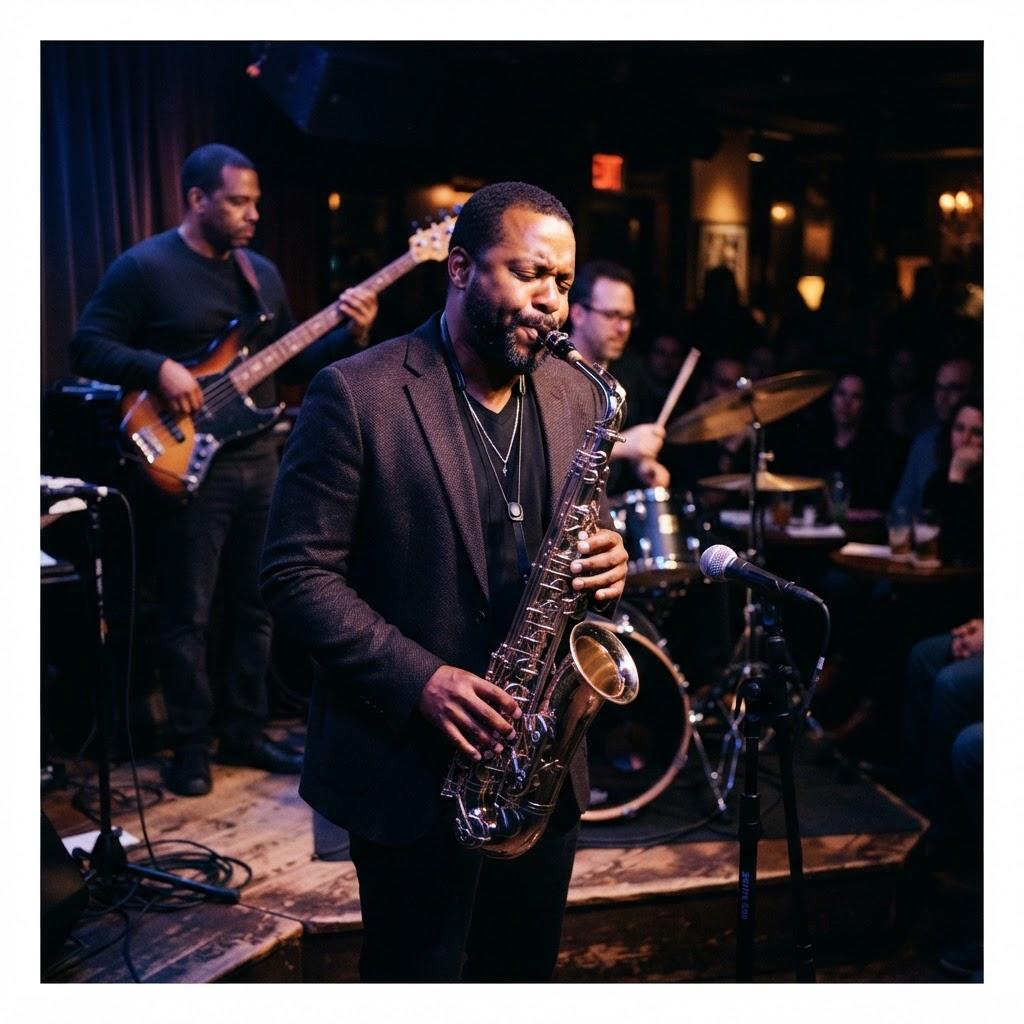
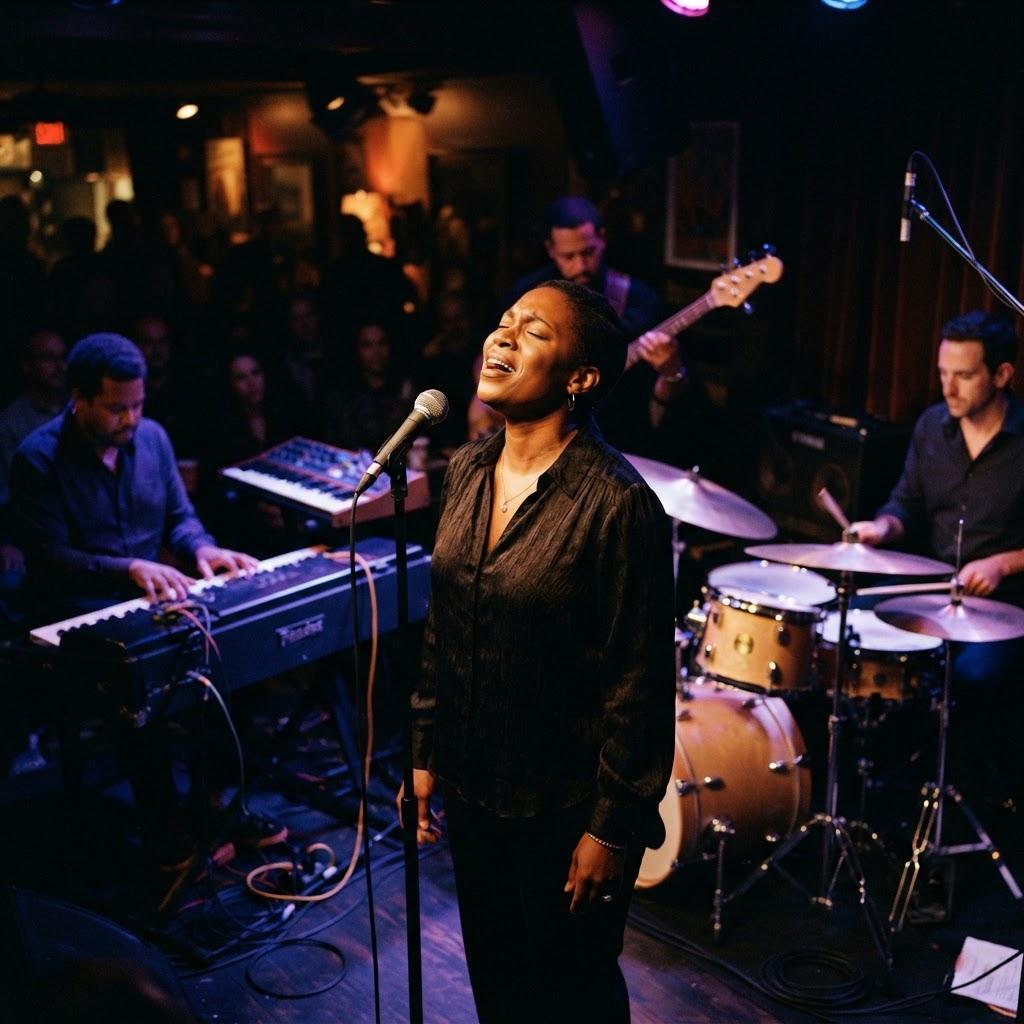
To understand the sonic anatomy of Quiet Storm, think of a warm bath. The tempo is almost always languid, usually clocking in at a heartbeat-friendly 60 to 90 beats per minute, which is slow enough to lull you into a trance but rhythmic enough to keep the groove alive. The signature instrument is the Fender Rhodes, an electric piano that sounds like raindrops hitting a puddle—shimmering, bell-like, and wonderfully metallic. You will often hear a bass guitar that glides underneath everything like a cat on carpet, providing a foundation that never bumps or jostles. The vocals are key here; they are not belted out from the rafters but whispered intimately, as if the singer is standing right behind your ear. Producers use 'reverb,' which is an audio effect that makes a sound seem like it is echoing in a giant, empty ballroom, adding a layer of dreamy, endless space. It is a masterclass in 'less is more,' where every space between the notes matters just as much as the notes themselves.
Origins & Birth of the Sound
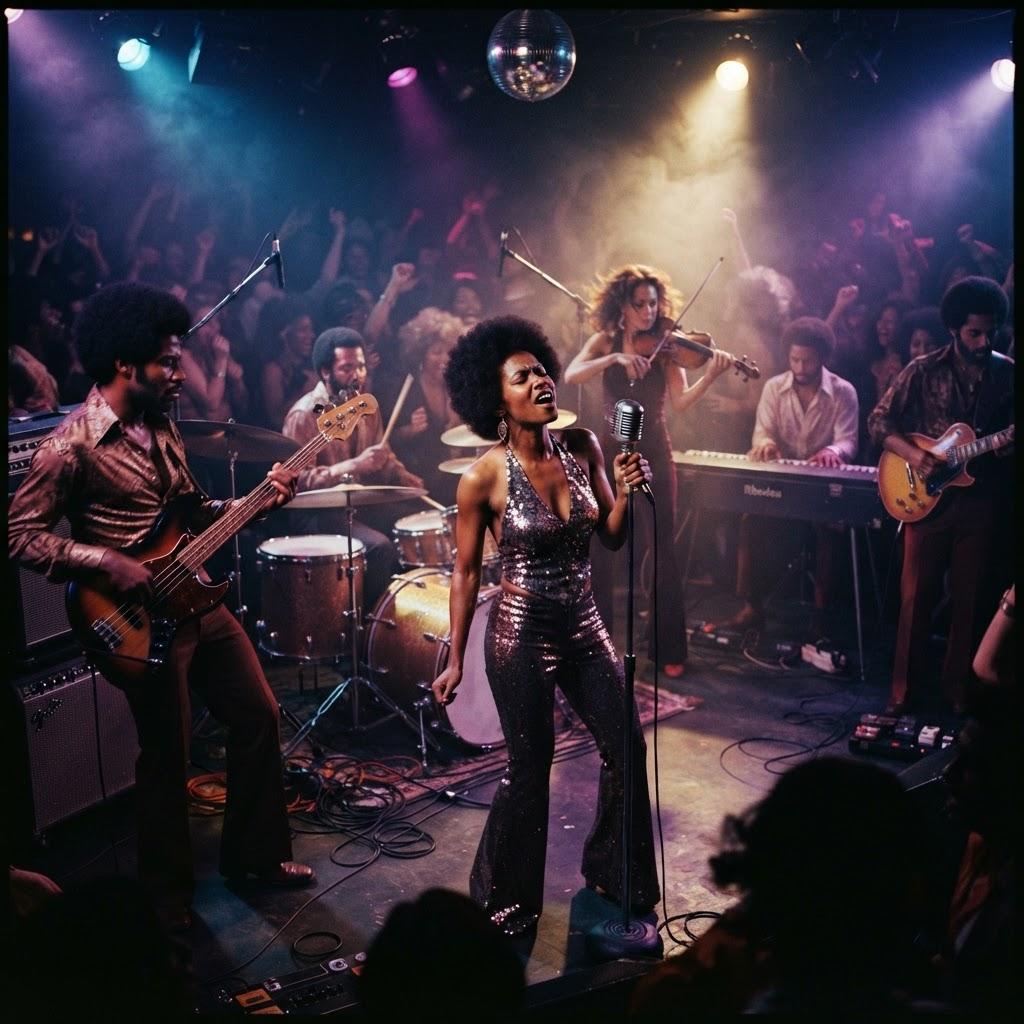
Quiet Storm did not emerge from a boardroom meeting; it was born in the dark, wood-paneled booths of radio stations in Washington D.C. in the mid-seventies. Specifically, it owes its life to the legendary DJ Melvin Lindsey. One night, while working at WHUR-FM, Lindsey decided to ditch the upbeat funk and disco that dominated the daytime airwaves. He started playing slower, moodier tracks by artists like Smokey Robinson and the Isley Brothers, linking them with a voice so low and velvety it could melt butter. The audience reacted immediately. It was like they had been starving for a place to put their emotions that did not involve strobe lights or high-top sneakers. This late-night experiment turned into a cultural wildfire, proving that listeners were desperate for a sanctuary after dark. It was the birth of the 'radio format as a mood setter,' a revolutionary idea that turned the DJ into a high priest of romance and relaxation, shifting the entire trajectory of R&B forever.
The Pioneers & Legends
If you are looking for the Mount Rushmore of Quiet Storm, you have to start with Smokey Robinson. When he released the album 'A Quiet Storm' in 1975, he literally gave the genre its name and its holy text. Before Smokey, love songs were either frantic declarations or sad ballads; after Smokey, they became these intricate, atmospheric tapestries. Then there is Luther Vandross, the undisputed king of the velvet vocal. Luther could sing a grocery list and make it sound like the most romantic moment of your life. He understood that Quiet Storm was about precision—every breath had to be perfect, every harmony had to be stacked like a layer cake. Anita Baker also redefined the genre with her husky, sophisticated delivery, bringing a level of grown-up class that made listeners feel like they were sitting in a high-end jazz club, even if they were just sitting in their beat-up sedans waiting for a green light to change.
Defining Tracks & Era-Defining Moments
To really get it, you have to spin the records that defined the paradigm. Smokey Robinson's 'Quiet Storm' is the patient zero of the genre, setting the template with its cascading synths and tender, patient pacing. Then there is 'Giving You the Best That I Got' by Anita Baker; that track is the absolute peak of the genre’s ability to turn a simple romantic sentiment into a cinematic experience. You cannot talk about this without mentioning Sade’s 'Smooth Operator.' When that saxophone riff kicks in, it feels like the sun setting over a coastal highway—it is impossible not to feel cooler, richer, and more sophisticated just by letting it hit your ears. These songs were not just hits; they were cultural signals. They marked the moment that popular music decided to grow up, trade the disco ball for a glass of Merlot, and focus on the quiet power of intimate storytelling over the volume of the dance floor.
Subgenres & Offshoots
Like any healthy musical family tree, Quiet Storm has some wild relatives. You have the 'Sophisti-Pop' branch, which took the smooth, late-night aesthetic and polished it until it glowed, popularized by bands like Sade and Swing Out Sister. This was the cousin who went to art school and started wearing turtlenecks. Then there is the 'Neo-Soul' transition, which took the chill vibes of Quiet Storm and added a bit more edge, grit, and hip-hop production flair—think D’Angelo’s early work, which felt like a late-night radio broadcast that had been dragged through a dusty crate of jazz records. You also have the 'Quiet Storm Remixes,' where DJs took uptempo dance tracks and slowed them down to a crawl, proving that almost any song can become a candlelit masterpiece if you just drop the beats per minute low enough and add a little bit of echo to the snare drums.
Cultural Impact & Influence
Quiet Storm did more than fill the airwaves; it changed the way people lived after dark. It created a 'vibe culture' that permeated everything from late-night commercials for luxury cars to the way movies edited their love scenes. If a film director wanted to tell you two characters were falling in love, they put on a Quiet Storm record. Fashion-wise, the genre encouraged a more relaxed, lounge-appropriate aesthetic—think oversized blazers, gold jewelry, and that effortless, 'I just woke up looking this good' energy. Linguistically, it influenced how we talk about romance, moving away from the fiery, operatic intensity of earlier soul towards something more conversational and understated. It became the soundtrack for a generation that wanted to feel grown-up, elegant, and connected. Even today, the 'vibey' playlists you see on streaming services are just the digital descendants of those 1970s radio shows, carrying the same mission to turn the chaos of life into something manageable and sweet.
Controversies & Drama
Being the smoothest guy in the room usually comes with a fair share of haters, and Quiet Storm is no exception. For years, the 'purists'—the ones who thought R&B had to be funky and aggressive—accused Quiet Storm of being soft, commercial, or even a 'sellout' move. They argued that by slowing things down, the genre had lost the soul and the grit that gave Black music its urgency. There were debates about whether it was 'real' music or just expensive elevator music for rich people. Furthermore, the genre often found itself caught in a tug-of-war between the radio programmers and the artists. DJs wanted longer, moodier cuts that fit the 'vibe,' while labels wanted radio-friendly, three-minute snippets that could sell records. It was a constant battle of art versus commerce, played out in the dark, with artists struggling to maintain their atmospheric integrity while trying to survive in a music industry that always wants things faster, louder, and catchier.
Global Spread & Regional Scenes
While it started in the D.C. humidity, Quiet Storm traveled fast. It became a global phenomenon, particularly in Japan, where the aesthetic of 'city pop' and smooth, atmospheric jazz-R&B found a massive, appreciative audience. Japanese producers took the Quiet Storm template and added a layer of neon-lit, metropolitan melancholy that is still studied by music nerds today. In the United Kingdom, the genre found a home in the soul scenes of London, blending with reggae and lover’s rock influences to create a unique, multicultural sound that felt both intimate and expansive. It even found a niche in the Caribbean, where the slow, rhythmic pulse of the genre resonated with the islanders' love for melody-driven, soulful music. Whether it was playing in a high-rise Tokyo apartment or a beachside bar in Kingston, Quiet Storm proved that the language of 'chill' is universal. It was the perfect export: it didn't need translation; it just needed a good sound system.
The Modern Landscape
Today, Quiet Storm is having a massive resurgence, though it might not be called by that name. You hear its DNA in everything from SZA’s whisper-quiet vocal deliveries to Frank Ocean’s atmospheric, stream-of-consciousness songwriting. Modern artists have realized that you don’t need to shout to be heard; sometimes, the most powerful thing you can do is hit record on a synth pad, turn up the reverb, and tell a story that feels like a private secret. On TikTok and streaming platforms, the 'chill R&B' playlists that rack up millions of streams are essentially the new midnight radio. We have traded the physical radio station for an algorithmic one, but the desire for that late-night escape remains identical. We are still the same people looking for the same mood—we just carry our Quiet Storm in our pockets now, ready to play the second the world gets a little too loud and we need a moment to just breathe.
How to Dive In
Ready to turn your room into a private sanctuary? Start with the blueprint: Smokey Robinson’s 'A Quiet Storm.' It is mandatory listening. Follow that up with Luther Vandross’s 'Never Too Much'—not just for the title track, but for the entire album’s impeccable production. If you want something more atmospheric, put on Sade’s 'Diamond Life' and let the world melt away. For the modern enthusiast, dig into D’Angelo’s 'Brown Sugar' to see how the genre evolved into something slightly more soulful and rhythmic. Don’t try to multitask while listening. Pour a drink, dim the lights, and actually listen to the space between the instruments. If you find yourself bobbing your head without realizing it, you are doing it right. Quiet Storm isn't just a genre; it is a lifestyle, a mindset, and a remedy for the modern grind. So, stop reading, find a playlist, turn the volume to a comfortable level, and let the storm roll in. You deserve a little peace.