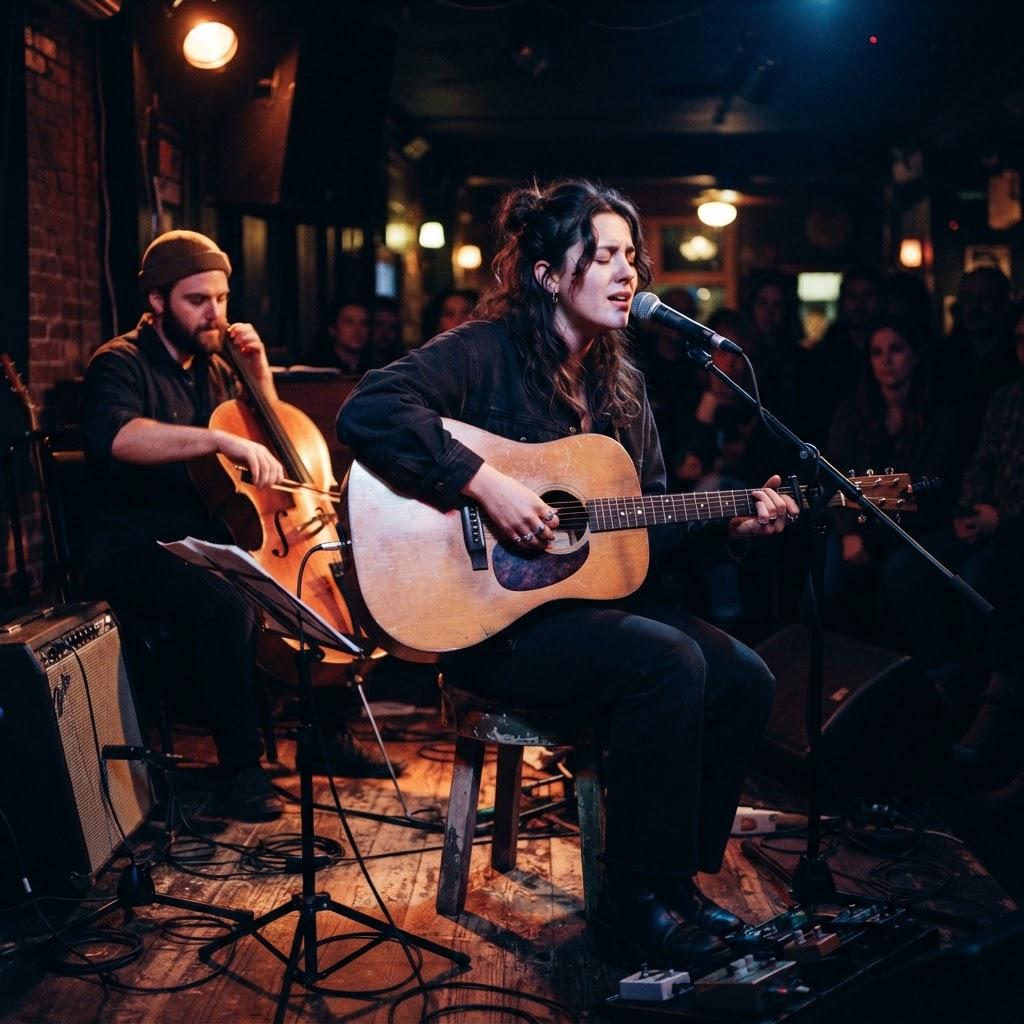
1960s, Greenwich Village, New York
Singer-Songwriter
Step into the intimate, emotionally raw world of the Singer-Songwriter, where a single guitar and a diary entry can change your entire life. It is the art of turning personal baggage into universal anthems, one chord at a time.
Meet the Genre
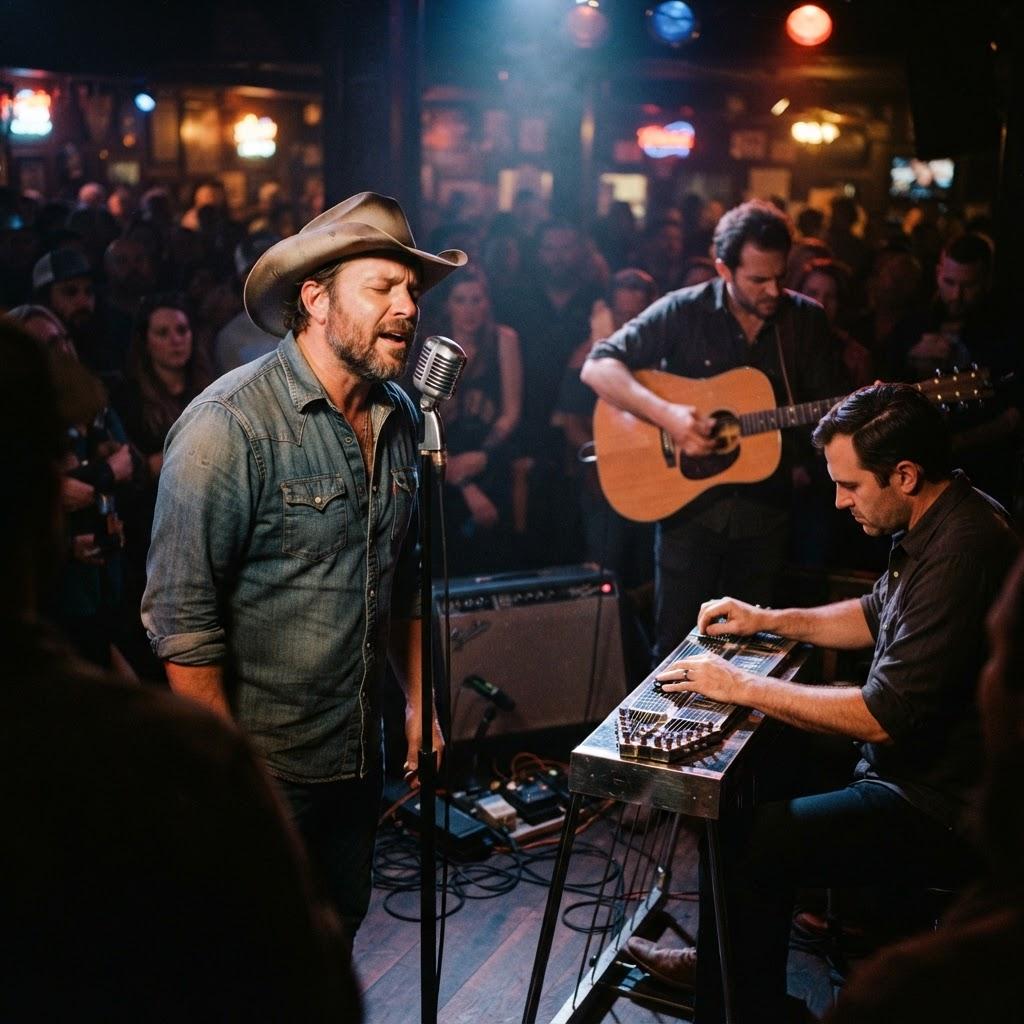
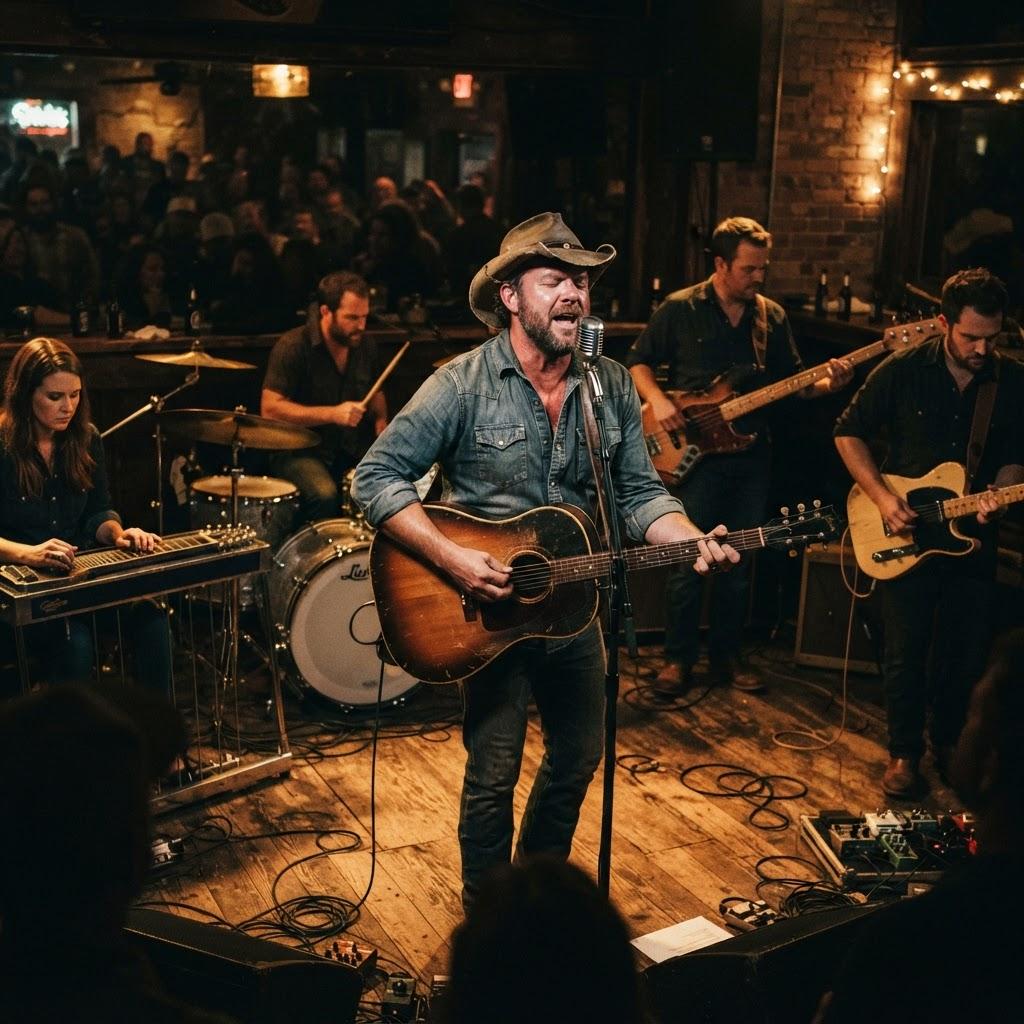
Imagine you are sitting in a dimly lit cafe that smells slightly of stale coffee and unwashed corduroy. A person walks onto a tiny wooden stage, pulls a battered guitar from a dusty case, and proceeds to make every single person in the room feel like they have just had their internal diary read aloud to a crowd of strangers. That is the Singer-Songwriter experience. It is the musical equivalent of wearing your heart on your sleeve, except your heart is also wearing a scarf and probably crying a little bit about a breakup that happened in 1994. This genre does not hide behind wall-to-wall synthesizers or an army of backup dancers. It relies entirely on the raw, unfiltered human condition. It is the sound of late-night existential crises, the joy of a perfect Sunday morning, and the sting of unrequited love, all wrapped up in melodies that seem to have been plucked from the air itself. It is humble, it is fierce, and it is unapologetically human, acting as a mirror for our own messiest emotions.
The Sound & Signature Elements
Musically, the Singer-Songwriter genre prefers to keep things tidy, usually sitting anywhere between a slow, contemplative stroll and a brisk, narrative-driven walk. We are talking about tempos that prioritize the breath of the singer over the heartbeat of a drum machine. The architecture of these songs is typically simple, relying on the 'verse-chorus-verse' structure like a trusty old map that never leads you astray. The instruments are the real MVPs here: usually an acoustic guitar or an upright piano that sounds like it has seen a few decades of service. Think of these instruments as the canvas; they are stripped back so that the lyrics, which are essentially the main character of the show, can take center stage. When we talk about production, we mean the 'vibe'—often kept minimalist to avoid clutter. A bit of reverb—that echoey, spacious sound you get in a church—is about as fancy as it gets. It is not about how many tracks you can layer, but about making sure the listener can hear every crack, breath, and quiver in the vocalist’s delivery.
Origins & Birth of the Sound
While people have been telling stories with lutes and lyres since ancient times, the modern Singer-Songwriter as we know them was forged in the smoky, rebellious basement clubs of the 1960s. Greenwich Village in New York City was the epicenter, a place where poets and dreamers traded lyrics like currency. Before this, you had the Tin Pan Alley system, where professional songwriters churned out hits for performers who were essentially just pretty faces in sharp suits. But the 60s folk revival flipped that script on its head. Suddenly, if you wanted to express the deep, confusing realities of the Vietnam War or the struggle for civil rights, you did not ask a professional songwriter to craft a jingle for you. You wrote it yourself, picked up a guitar, and sang it with as much grit and truth as you could muster. It was a grassroots mutiny against the glossy, corporate machine, proving that a single person with a guitar could be more powerful than a massive, overproduced orchestra.
The Pioneers & Legends
If the Singer-Songwriter genre were a high school, Bob Dylan would be the brooding, cryptic kid in the back of the class writing Nobel Prize-worthy poetry on his desk. Dylan transformed songwriting from simple love songs into complex, layered social commentary that made everyone else look like they were still playing with crayons. Then there is Joni Mitchell, the undisputed queen of melodic innovation, who treated her guitar tunings like a scientist treats chemistry and her lyrics like a novelist treats the page. She taught the world that a song could be a sprawling, complicated map of a human life. We also cannot forget James Taylor, who brought a soothing, therapeutic warmth to the genre that felt like a hot cup of tea on a rainy day, or Carole King, who moved from the hit-factory world to create Tapestry, an album so perfect it basically rewrote the DNA of how we understand emotional honesty in pop music. These titans didn't just play music; they curated a new way of listening.
Defining Tracks & Era-Defining Moments
Every genre has those 'Big Bang' moments where the air changes, and for this one, it started with Bob Dylan plugging in an electric guitar at the Newport Folk Festival, effectively melting the brains of purists while creating the folk-rock hybrid. Then came the release of Joni Mitchell's Blue, a record so emotionally naked it feels like trespassing to listen to it, yet you cannot stop. You have to mention Don McLean's 'American Pie,' which turned into a multi-generational singalong because it hit that sweet spot of nostalgia and mystery. Another turning point was the rise of the piano-heavy balladry in the early 70s, exemplified by Elton John and Billy Joel, who proved that the 'singer-songwriter' label wasn't exclusive to guitar-wielding poets. These tracks were the anchors; they proved that audiences were hungry for something deeper than a danceable hook. They changed the radio landscape from a place of disposable pop to a forum for personal storytelling, setting the stage for every acoustic artist who came after.
Subgenres & Offshoots
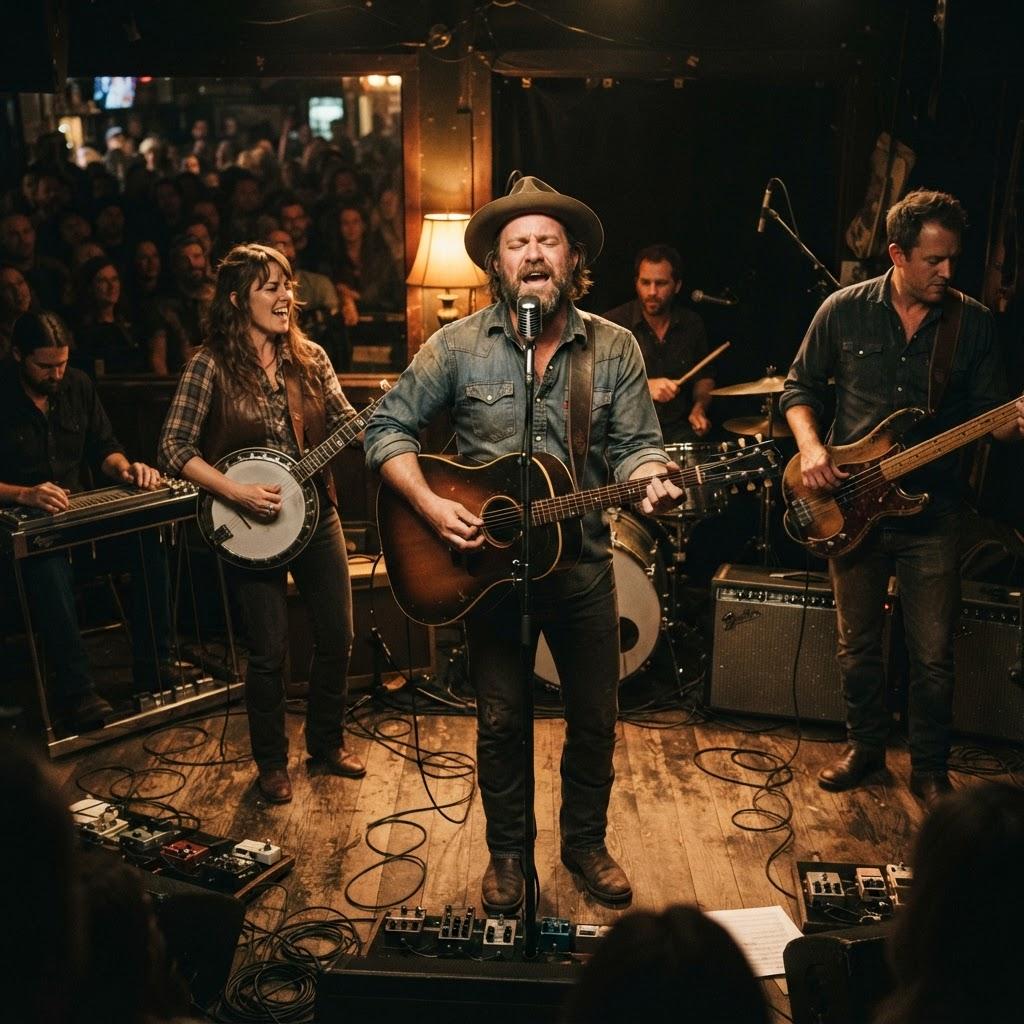
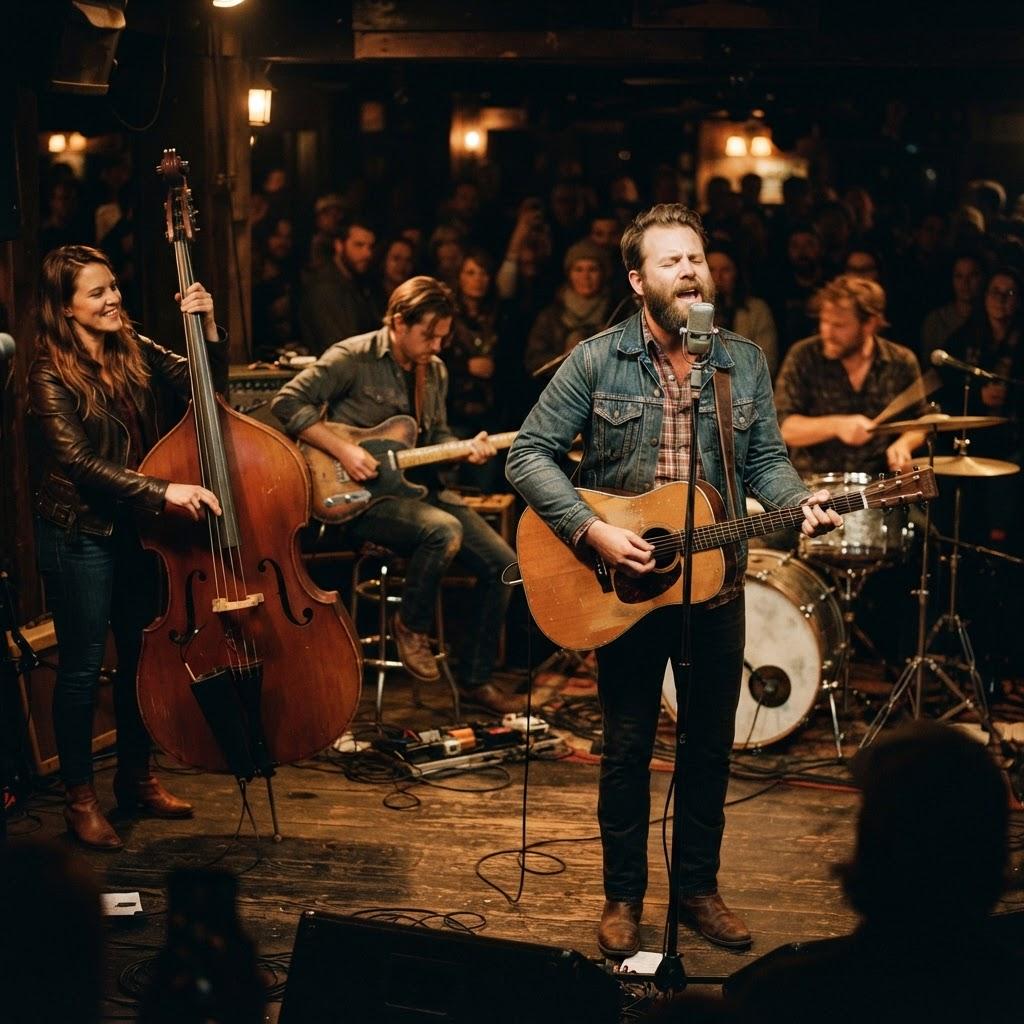
The Singer-Songwriter family tree is wild and surprisingly bushy. You have the 'Confessional' offshoot, which is basically the musical version of a therapy session, led by artists who are willing to share every detail of their worst breakups. Then there is the 'Indie-Folk' branch, which takes those traditional roots and adds slightly weirder arrangements—think banjos, mandolins, and percussion that sounds like a bunch of kitchen tools being hit together. We also have the 'Piano-Rock' variants, where the focus shifts from the percussive strum of a guitar to the sweeping, dramatic chords of a grand piano. Some branches have even sprouted into 'Country-Pop,' where the storytelling remains, but the production gets polished to a high sheen for stadium-sized crowds. You even have the 'Lo-Fi' bedroom movement, where the 'signature' sound is specifically designed to sound like it was recorded on a tape deck found in a garage, emphasizing that authentic, unpolished intimacy is the ultimate goal, no matter the era or the specific instrumentation.
Cultural Impact & Influence
The Singer-Songwriter movement did more than just sell records; it changed the way we dress, speak, and even perceive our own mental health. It made it cool to be vulnerable. Before this, pop stars were often untouchable, glamorous figures, but the singer-songwriter made 'sadness' an aesthetic. You saw this influence in fashion—the rise of the thrifted, bohemian look, the long hair, and the 'don't-care' attitude that became a staple of modern cool. In the world of film and TV, the 'acoustic cover' became a cinematic trope—you know, the scene where the hero is crying in the rain and a stripped-back, piano-only version of a pop song starts playing? That is the singer-songwriter's legacy. It influenced politics, too, by giving movements a voice that felt grounded and real. Even in modern pop, superstars like Taylor Swift or Ed Sheeran utilize the fundamental 'singer-songwriter' blueprint—the storytelling, the diary-style lyrics—to build massive, stadium-filling empires that feel somehow still intensely personal to their millions of fans.
Controversies & Drama
The world of Singer-Songwriters is not as quiet as their acoustic guitars might suggest. Oh, the drama! The biggest, longest-running beef in the genre is the 'Authenticity Wars.' Purists constantly argue about what constitutes a 'real' singer-songwriter. Is it okay to use a drum loop? What about a synthesizer? If you have a professional producer, are you still a singer-songwriter? These debates get heated, with fans treating genre-bending like a cardinal sin. Then there is the classic 'sellout' accusation. Whenever an artist moves from their small coffee-shop roots to a big-budget, polished album, the internet erupts with cries of betrayal. It is a hilarious paradox: fans love an artist specifically because they write about their real life, but the second that real life includes fame and money, the fans act personally insulted. It is a genre where artists are expected to be successful enough to be heard, but humble enough to pretend they are still just writing songs for their cat in a bedroom.
Global Spread & Regional Scenes
While the genre started in the gritty, cold winters of New York, it quickly became a global language. In the United Kingdom, you saw the rise of the 'Troubadour' tradition, where artists like Nick Drake infused the sound with a distinctly English, melancholy moodiness that felt like a foggy morning in the countryside. Down in Australia, the scene took on a sun-drenched, road-trip aesthetic, while Scandinavia developed a reputation for 'Nordic Noir' singer-songwriters who specialized in beautiful, icy, and deeply intellectual compositions. Even in regions like Brazil or Japan, local artists adopted the singer-songwriter format to tell their own cultural stories, blending local rhythmic patterns with the universal acoustic-guitar-and-voice structure. It became the ultimate global passport because it is so easy to replicate; all you need is a guitar, a voice, and a story to tell. It didn't need translation because emotions like heartbreak and joy are the same in every language, making it a truly universal way to connect across borders.
The Modern Landscape
Today, the singer-songwriter is more powerful than ever, largely thanks to the digital age. You don't need a label or a fancy studio to be a global success; you just need a bedroom, a microphone, and a TikTok account. We are in the middle of a massive resurgence where artists are stripping back the 'extra' stuff and returning to the core of what makes the genre great: raw, unvarnished communication. The 'bedroom pop' movement is essentially the modern-day version of the 60s Greenwich Village scene, just updated for the Wi-Fi era. Artists like Phoebe Bridgers or Noah Kahan are dominating charts by writing music that sounds like a late-night text to an ex-lover. It proves that despite our obsession with flashy technology and artificial intelligence, the human desire to hear a real, flawed person singing about their real, flawed life will never go out of style. The 'genre' has become a fluid state of mind, present in every corner of the music industry from country to hip-hop.
How to Dive In
If you are ready to jump into the rabbit hole, start with the holy trinity of records: Bob Dylan’s 'The Freewheelin' Bob Dylan' for the history, Joni Mitchell’s 'Blue' for the emotional depth, and Carole King’s 'Tapestry' for the masterclass in songwriting. Once you’ve soaked those in, take a stroll through the modern era by listening to Phoebe Bridgers’ 'Punisher' to understand how the genre functions today. If you want something a bit more folk-adjacent, check out Nick Drake’s 'Pink Moon'—it is essentially the sonic equivalent of a quiet, introspective walk in the woods. Do not overthink the listening experience; just let the songs be the soundtrack to your drive, your chores, or your next existential crisis. Remember, this genre isn't meant to be analyzed under a microscope; it is meant to be felt. So, put on your headphones, find a comfy spot, and let these artists tell you their secrets. You will find that their stories start to sound remarkably like your own, and that is where the real magic happens.