Late 1960s, United States
Roots Rock
Roots Rock is the musical equivalent of a dusty leather jacket and a stiff drink, stripping away the flashy synthesizers to celebrate the glorious, sweaty soul of American music. It is the sound of your parents' best stories and the road trip you have been waiting to take your entire life.
Meet the Genre
Imagine you have been listening to a concert where the band is made of literal robots playing synthesizers that sound like a dial-up modem screaming in a trash can. You are exhausted, your ears are vibrating, and you crave something that feels human. Enter Roots Rock: the musical equivalent of putting on your favorite worn-in denim jeans and stepping into a bar where the floorboards creak and the beer is always cold. This genre is the musical equivalent of a handshake from someone who actually knows how to work with their hands. It doesn’t care about high-concept laser light shows or computer-generated perfection. Instead, Roots Rock is obsessed with the ghosts of the American highway, the loneliness of a rainy Tuesday, and the raw power of a human being hitting a guitar string with enough passion to rattle the rafters. It is honest, it is slightly scruffy, and it refuses to wear a tuxedo even if the invitation says black tie. When you hear it, you aren't just listening to notes; you are hearing the grit of the road, the hum of a muscle car engine, and the universal truth that three chords and a heartfelt lyric can outlive any fashion trend invented in a boardroom.
The Sound & Signature Elements
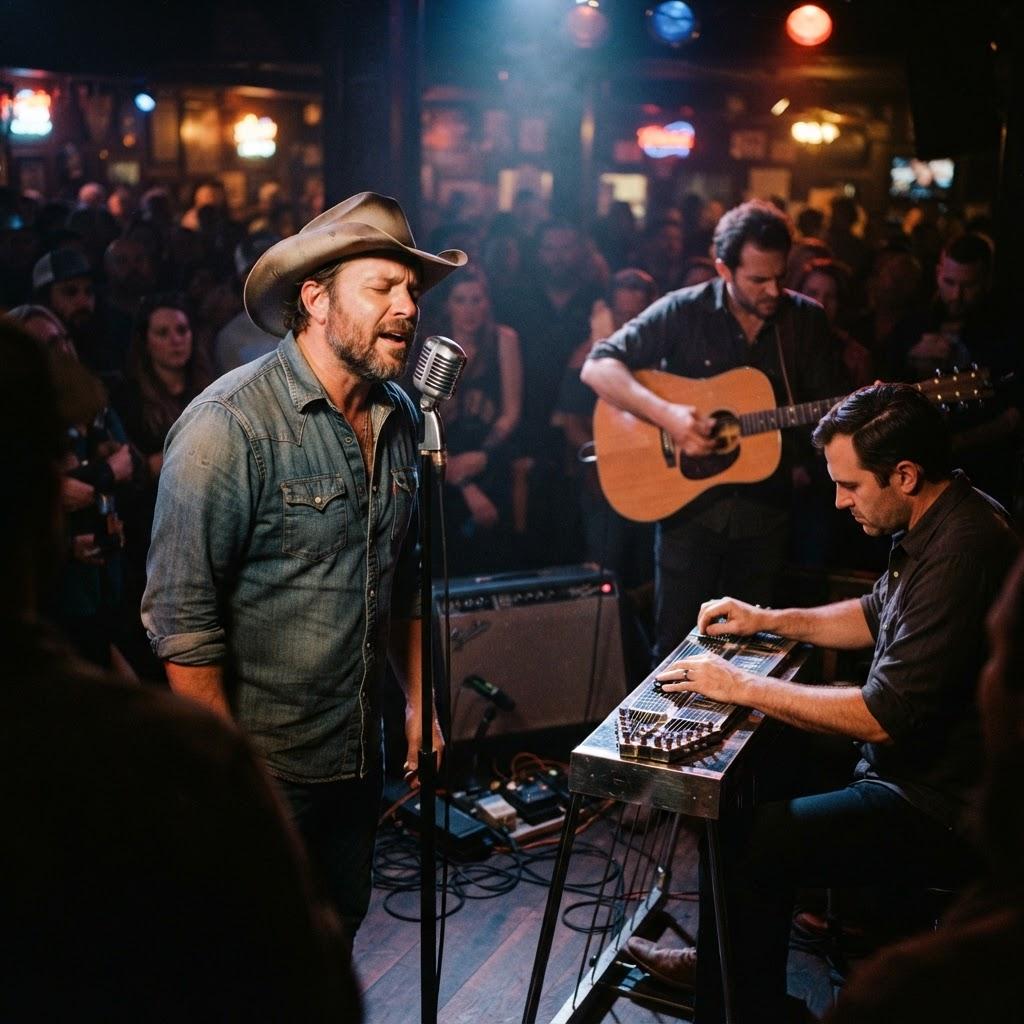
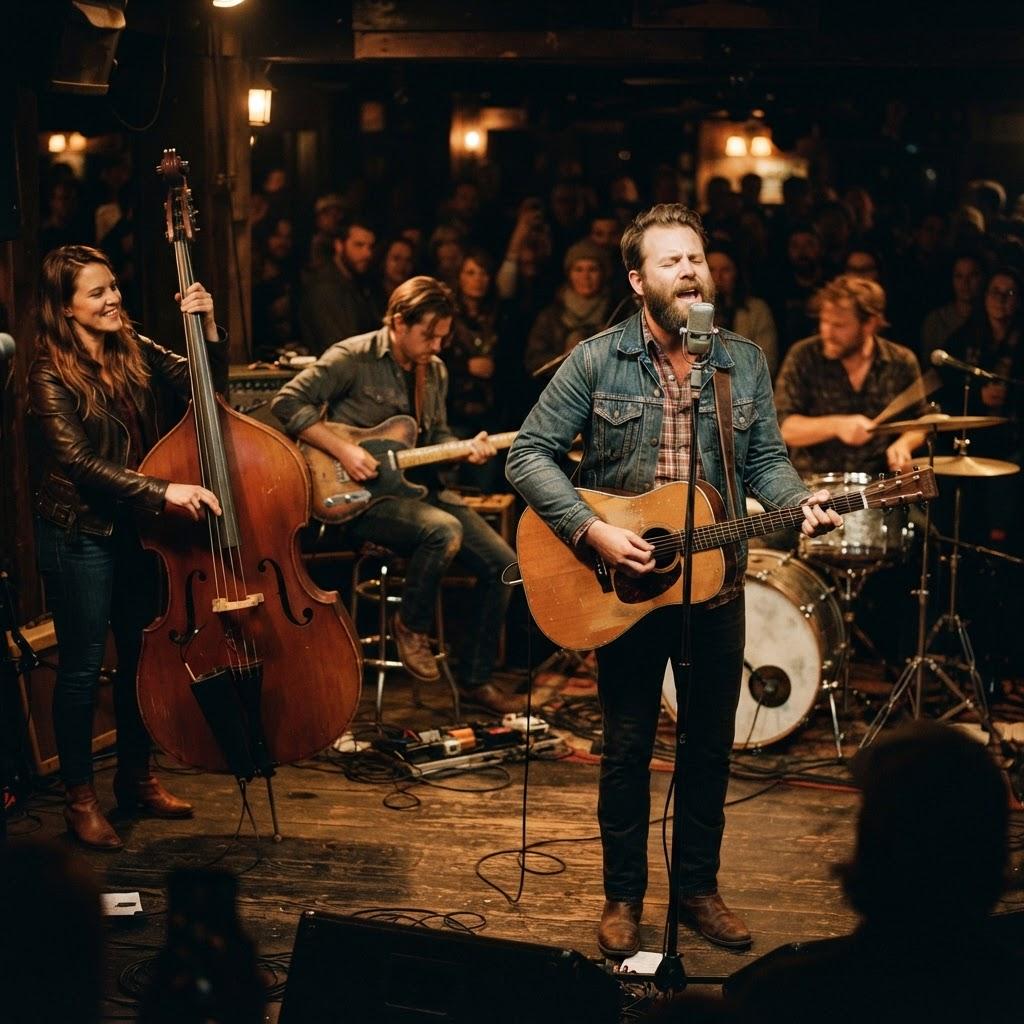
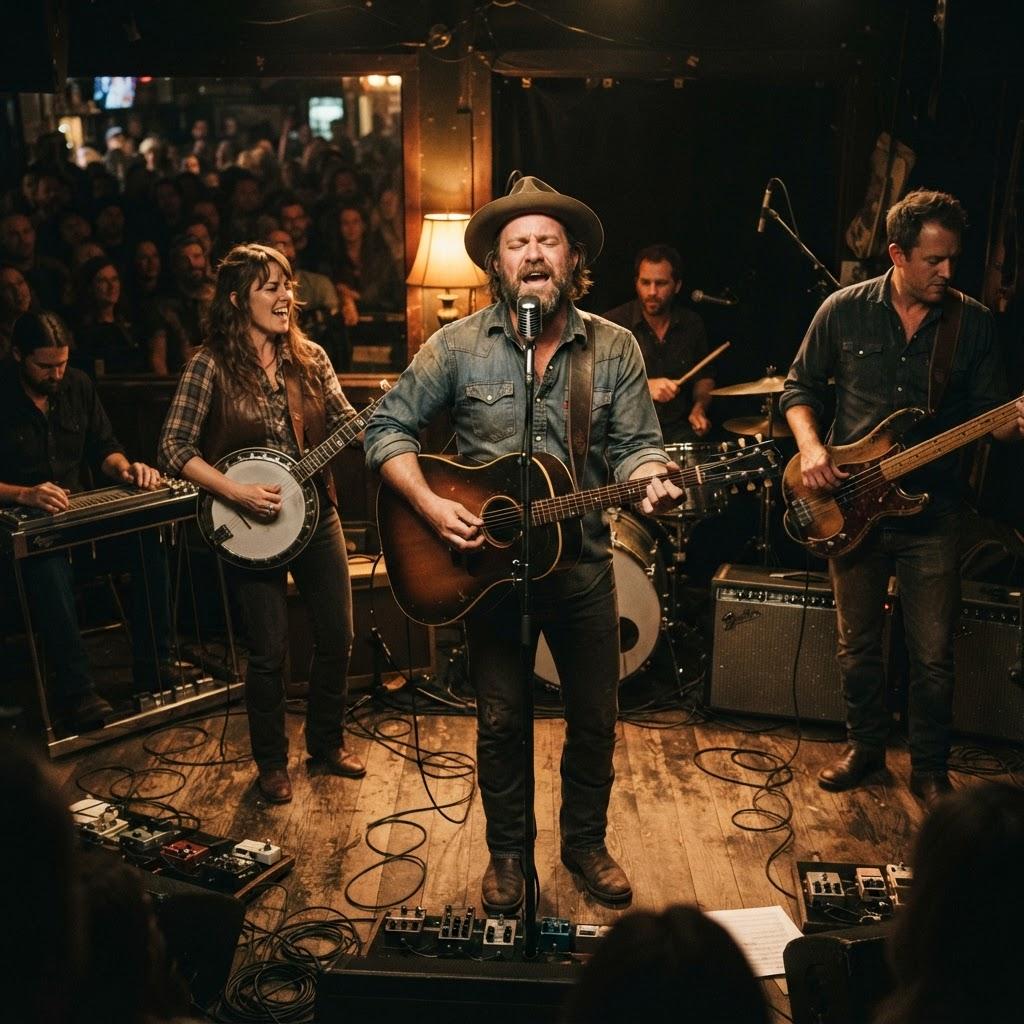
Musically, Roots Rock acts like a polite but firm bouncer at a club who kicks out anything that sounds too polished or artificial. The tempos usually live in that comfortable middle ground where you can either tap your foot or drive a truck, generally sitting somewhere between 70 and 120 beats per minute. You will rarely find an over-produced, space-age sound here. Instead, the DNA relies on the holy trinity of instruments: a biting, twangy electric guitar—often a Fender Telecaster—an acoustic guitar that sounds like it was dragged through a hayfield, and a piano that has likely seen more spilled whiskey than a tavern mop. The production trick, if you can call it that, is 'the dry sound.' This means they avoid adding a lot of digital echo or 'reverb' that makes drums sound like they are being played inside a cathedral. It’s all meant to sound like you are sitting three feet away from the drummer. Song structures follow the classic 'verse-chorus-verse' blueprint, but they leave plenty of room for 'fills,' which are those little musical conversations instruments have between vocal lines. Think of it like a polite dinner party where everyone knows exactly when to jump in with a witty remark without talking over the host.
Origins & Birth of the Sound
Roots Rock didn't just appear one day like a mushroom after a rainstorm; it was an act of quiet rebellion. By the mid-1960s, rock music was heading into the stratosphere with spacey lyrics, sitars, and enough psychedelic swirling to make your head spin. A few bands, however, decided that the future was actually in the past. They grew tired of the high-minded art school experiments and started looking back at the foundation: the blues, the country ballads, and the folk songs that shaped the continent. It was a conscious decision to get dirty again. Imagine bands in dusty basements in Woodstock or small clubs in California, deliberately turning down the volume of their fuzz pedals and picking up acoustic instruments instead. It was a return to the soil. These musicians weren't trying to be cool; they were trying to be real. They wanted to capture the feeling of a porch-side jam session where the whiskey was flowing and the stories were tall. It was a grassroots movement in the most literal sense, pulling music out of the clouds and planting it firmly back into the cracked, parched earth where it originally learned to walk, talk, and cry.
The Pioneers & Legends
If Roots Rock were a high school, The Band would be the valedictorians who also happen to be the coolest kids in the back row. Their album 'Music from Big Pink' basically served as a neon signpost saying, 'Hey, everyone, stop trying so hard and just play the music.' They combined the voices of three different singers to create a sound that felt like an old tapestry woven from different threads of American history. Then you have Creedence Clearwater Revival, or CCR, who managed to convince the entire world that they were from the Mississippi Delta, despite being four guys from California who just really understood the swampy, humid power of a riff. John Fogerty’s voice alone could cut through steel. You can't talk about legends without mentioning Bob Dylan, who famously went 'electric' and then immediately pivoted to country-inflected sounds, dragging everyone else along with him. These pioneers didn't just play songs; they built monuments to the working man, the traveler, and the brokenhearted. They proved that you didn't need to be a guitar god with a thousand pedals to be immortal—you just needed a story worth telling and the grit to tell it louder than the chaos outside.
Defining Tracks & Era-Defining Moments
When we talk about the 'big bang' moments of this genre, you have to look at tracks that acted as compass needles for the entire industry. 'The Weight' by The Band is the quintessential Roots Rock anthem; it sounds like a travelogue of a fever dream, with every member of the band taking a turn on the microphone like a rowdy group of travelers telling ghost stories around a campfire. It matters because it proved you could have a song with depth, irony, and a sing-along chorus without needing to be a pop star. Then there is CCR's 'Fortunate Son,' which turned the genre into a political weapon. It proved that Roots Rock wasn't just about sunsets and nostalgia; it was about the present day and having the guts to speak truth to power while stomping your boots. These songs were the pivot points where the audience realized they didn't have to choose between the polish of radio pop and the heaviness of arena rock. They could have something that felt like a secret they were lucky enough to stumble upon, a track that felt like it had been part of the air they were breathing their whole lives, even if they had only heard it for the first time.
Subgenres & Offshoots
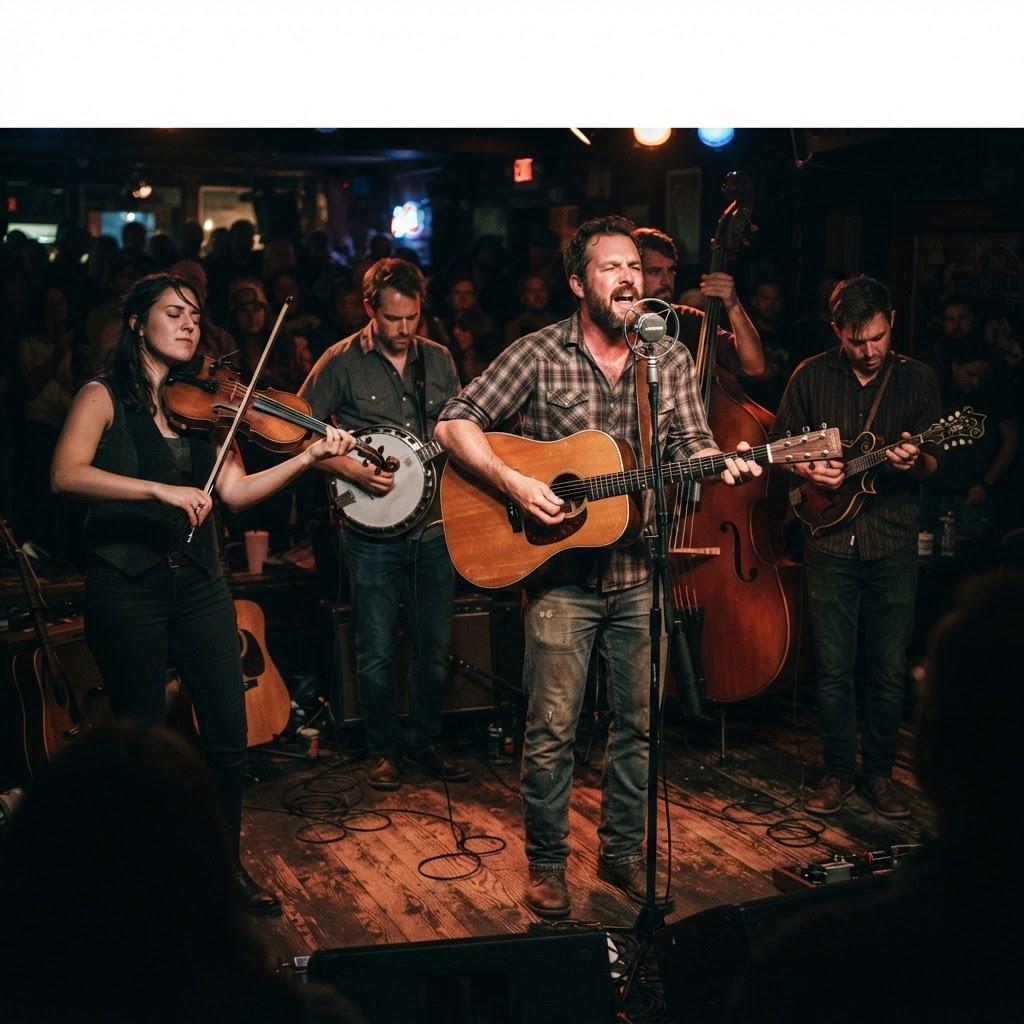
Once the seed of Roots Rock was planted, it started growing in some very interesting, messy directions. One of its most famous cousins is 'Americana,' which is basically Roots Rock’s more polite, scholarly sibling who likes to spend weekends at a record store obsessing over folk archives. It keeps the acoustic honesty but adds a bit more banjo and a lot more sadness. Then you have 'Alt-Country,' which is essentially the version of Roots Rock that decided it liked cowboy hats a little too much but refused to conform to the Nashville mainstream. It’s like the punk version of country, filled with broken hearts and broken engines. On the other end of the spectrum, you find 'Southern Rock,' which took the Roots Rock ethos and cranked the volume up to eleven, adding dual-guitar solos that lasted longer than most people’s attention spans. It’s the high-octane version of the genre, fueled by sweet tea, gasoline, and a stubborn sense of regional pride. All these offshoots keep the original heart beating, just dressed in different outfits—sometimes denim, sometimes leather, but always with the same restless spirit underneath.
Cultural Impact & Influence
The cultural shadow cast by Roots Rock is wider than a two-lane highway through the desert. It taught generations of musicians that it was okay to embrace their regional accents, their humble beginnings, and their dusty boots. It basically kept the American heritage of storytelling alive at a time when music was becoming increasingly digital and detached from the earth. Think about movies like 'Almost Famous' or the way modern TV shows use acoustic, stripped-back music to anchor emotional scenes—that is the lingering thumbprint of the Roots Rock movement. It changed language, too, making 'authentic' the ultimate compliment for any artist, moving the bar away from technical perfection and toward emotional transparency. Politically, it reconnected music to the concept of 'the people,' giving voice to the working class in a way that didn't feel like a lecture but rather like a conversation at a diner. It influenced fashion, making flannel shirts, work boots, and messy hair a legitimate aesthetic that hasn't gone out of style for fifty years. Roots Rock proved that you don't need a spaceship to travel; you just need to keep your feet firmly planted on the ground.
Controversies & Drama
Oh, the drama! The history of Roots Rock is practically a soap opera written in a barroom. The biggest fight, of course, was the constant war between the 'purists' and the 'innovators.' The purists would sit in their booths with their vintage vinyl, screaming that adding a saxophone or heaven forbid, a synthesizer, was a cardinal sin against the holy gospel of the blues. It was a ridiculous battle of 'who is more authentic,' with bands constantly being accused of 'selling out' the second they had a hit song or appeared in a commercial. Then you had the inner-band dynamics, which in this genre were usually explosive. You have bands that spent years refusing to speak to each other, recording their parts in different rooms, and throwing drum kits out of windows. It’s a genre fueled by strong personalities and the heavy toll of the road. One of the greatest bits of comedy in the scene was watching artists who clearly liked being rich and famous pretend to be humble, dirt-under-the-fingernails workers, creating a hilarious disconnect that critics spent entire careers picking apart in magazines.
Global Spread & Regional Scenes
While it was born in the humid clubs of America, Roots Rock managed to hop the pond and find a very cozy home in the United Kingdom, where musicians took the sound and injected it with their own brand of rainy-day melancholy. British bands looked at American Roots Rock and saw it as an exotic, romanticized version of their own rural folk traditions. Meanwhile, in Australia, the sound took on a sun-baked, desert-scorched intensity, with artists blending the American influence with their own wide-open, arid landscapes. It became a global language because, let's face it, every country has its own version of a road trip and a heartbreak. Whether it was the bars of London, the pubs of Dublin, or the dusty regional centers of Western Australia, Roots Rock acted like a universal translator. It didn't matter what country you were in; a guitar, a kick drum, and a song about struggling to get by were instantly understood. It turned into a sonic comfort food that traveled better than almost any other genre because it was built on the shared, universal experiences of being human, tired, and in need of a good rhythm.
The Modern Landscape
Today, Roots Rock is in a fascinating spot. It isn't currently ruling the TikTok algorithm with flashing neon lights or 15-second soundbites, but it is thriving in the quiet corners where music actually matters. It has become the 'indie' standard. You see it in the way modern singer-songwriters approach their albums—they record in converted barns, they use vintage microphones, and they prioritize the room sound over the digital glitz. It is no longer just a retro movement; it is a permanent foundation. In an era where AI can compose a symphony in seconds, the raw, clumsy, beautiful imperfection of a human dragging a guitar pick across a string has become a luxury item. It’s the ultimate antidote to the digital noise. You find it everywhere, from late-night talk show house bands to the artists headlining major festivals who decide, 'Actually, tonight, I’m just going to walk out with an acoustic guitar and play.' It is less of a trending hashtag and more of an eternal heartbeat that keeps pumping regardless of what the latest fashion trend suggests.
How to Dive In
If you are ready to start this journey, stop whatever you are doing and clear your schedule, because you are about to fall in love with your record player all over again. Start with 'Music from Big Pink' by The Band—it is the holy scripture, the starting line, and the final word all in one. Listen to 'The Weight' until you memorize the harmonies. Then, move over to Creedence Clearwater Revival’s 'Chronicle: The 20 Greatest Hits,' which is quite literally a masterclass in how to build a rock song out of nothing but sweat and sheer will. From there, pivot to Bonnie Raitt if you want to understand how the blues adds its secret sauce to the mix. For something a bit more modern, check out The War on Drugs, who take the Roots Rock DNA and stretch it out into wide, cinematic landscapes. Do not analyze the music, do not worry about the technical specs—just put on some good headphones, close your eyes, and let the warmth of the tube amps wash over you. This is the music you play when you’re driving late at night or just need to remember what it feels like to be alive. Turn it up, lean into the grit, and enjoy the ride.