Late 1960s to Early 1970s
Southern Rock
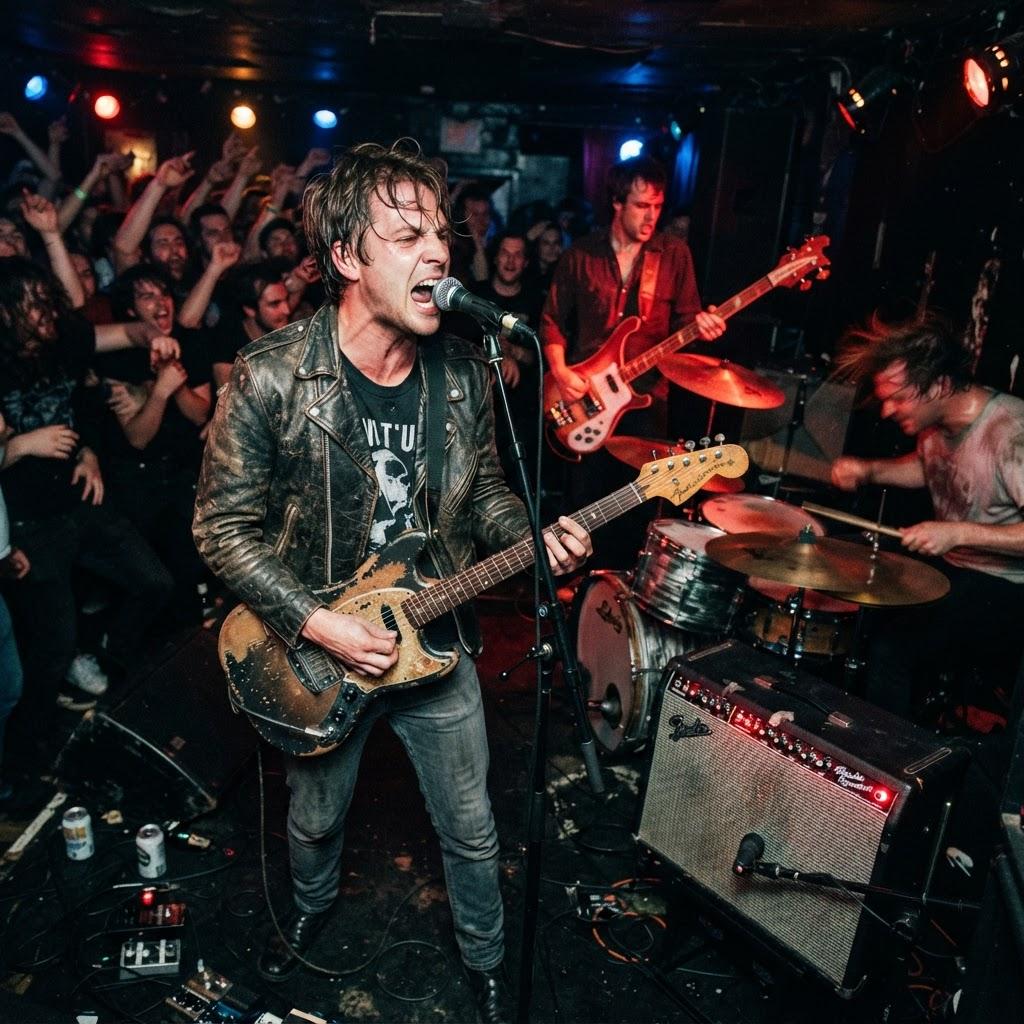
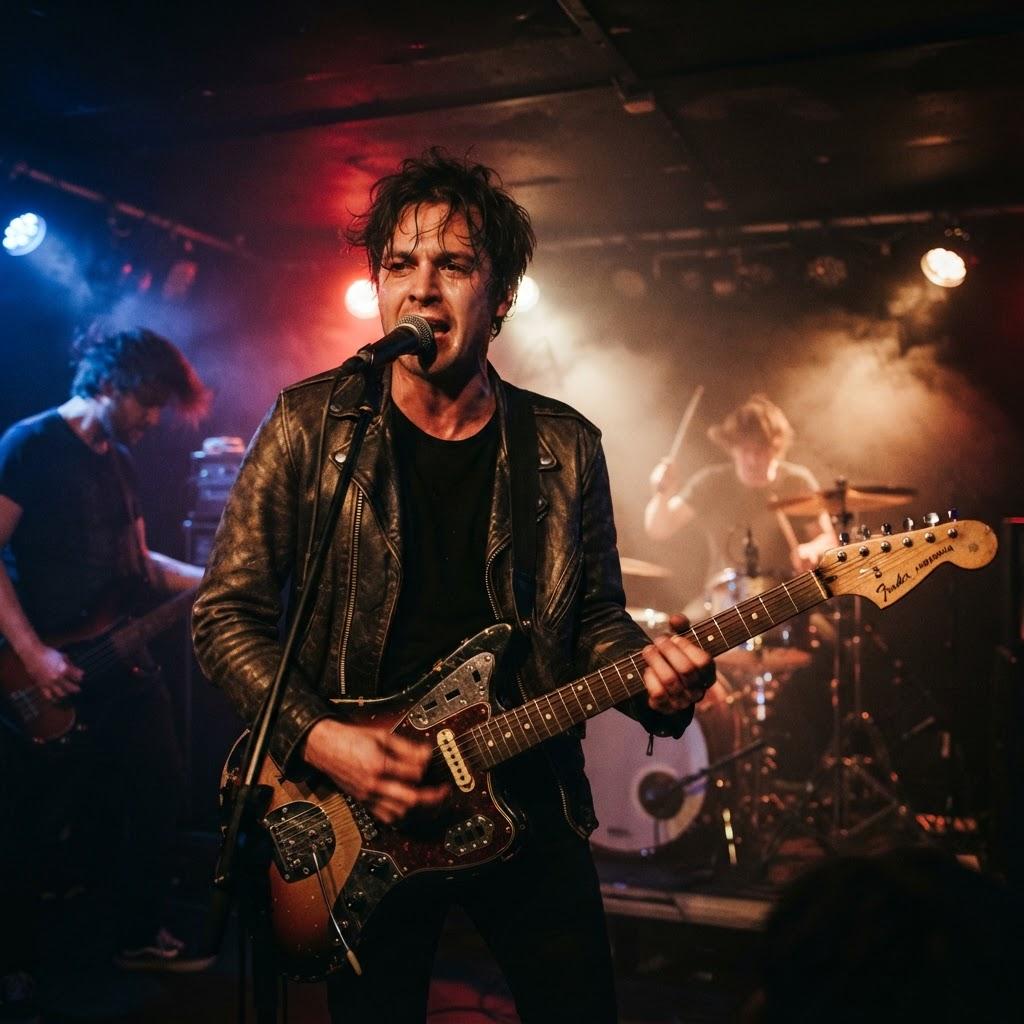
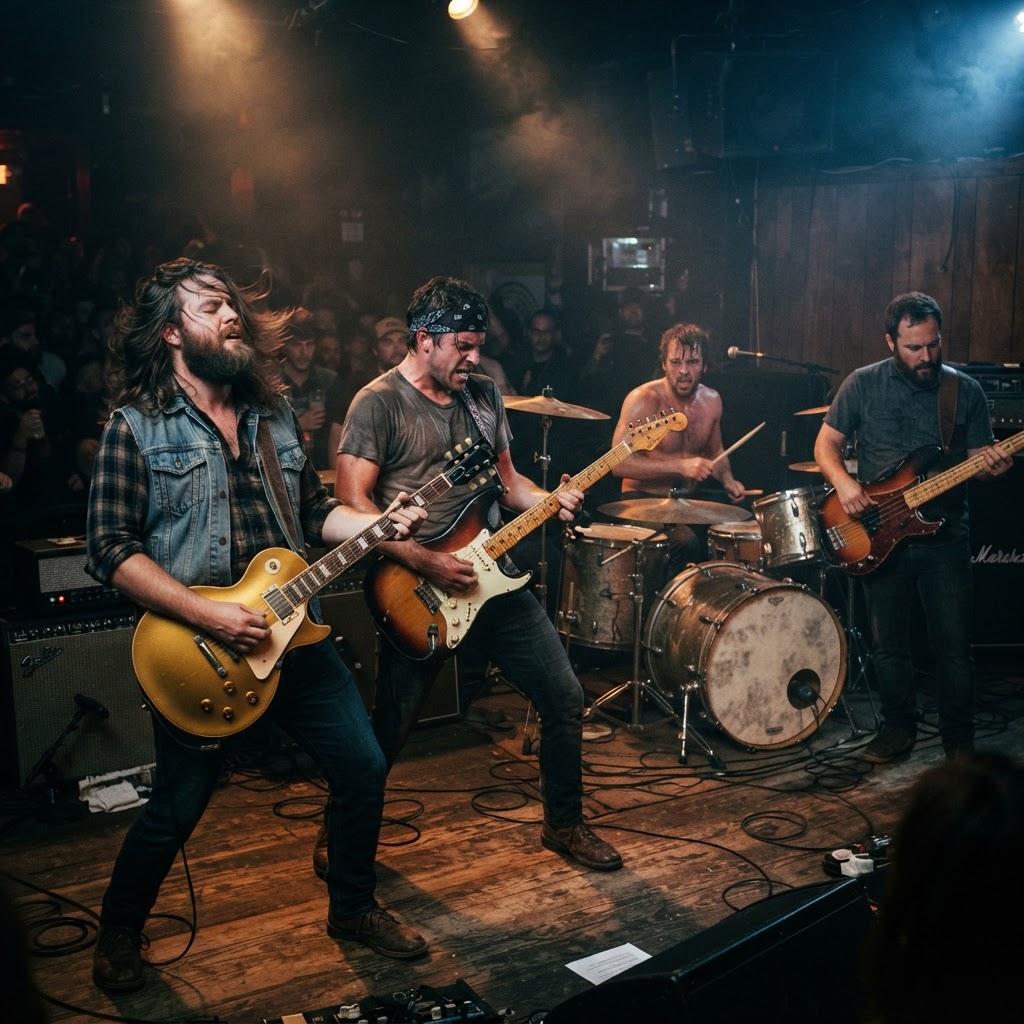
Southern Rock is the musical equivalent of a humid, neon-lit road trip through the heart of the American South with a cooler full of cold beer and a trunk full of Marshall amplifiers. It is loud, unapologetic, and boasts enough guitar solos to keep your spirit soaring long after the sun goes down.
Meet the Genre
Imagine you are driving down a dusty, two-lane highway somewhere between Macon and Jacksonville. The air is thick enough to chew on, the radio is buzzing with static, and then, suddenly, a wall of guitar harmony crashes through the speakers like a freight train made of lightning. That is Southern Rock. It is the musical equivalent of a backyard barbecue that got way too rowdy, involving a lot of denim, way too many amplifiers, and a stubborn refusal to do what the folks in New York or Los Angeles said was cool. Southern Rock isn’t just music; it’s a lifestyle choice that involves wearing long hair in places where short hair was the law and playing guitar until your fingers practically bleed. It captures the humid, slow-drip atmosphere of the South and blasts it into outer space with a high-octane engine. If the blues is the grandfather who tells stories on the porch, Southern Rock is the wild cousin who showed up on a motorcycle to turn the porch into a dance floor. It is boisterous, it is honest, and it definitely does not care if you think it is sophisticated.
The Sound & Signature Elements
The sonic blueprint of Southern Rock is a delicious, greasy stew of blues, country, and hard rock. At its core, you have the 'twin lead' guitar attack. Think of this as two guitars talking to each other, finishing each other’s sentences, or sometimes engaging in a high-speed chase. It’s like watching two acrobats perform a dance on a tightrope, only the tightrope is a twelve-bar blues progression. Then there is the slide guitar—that high-pitched, metallic weeping sound achieved by sliding a glass or metal tube over the strings. It sounds like a ghost train whistling in the night. The rhythm section is equally vital; the drums keep a steady, heavy beat that sounds like a tractor engine idling, while the Hammond B3 organ provides that warm, church-like texture that makes everything feel slightly holy despite the debauchery. Production-wise, it is all about 'raw' energy. You want to hear the wood of the guitar and the sweat of the drummer. It is rarely polished to a shine because dirt is part of the flavor profile, giving it that authentic, lived-in grit that makes it stick to your ribs.
Origins & Birth of the Sound
The birth of Southern Rock wasn’t some boardroom meeting in a skyscraper; it happened in damp basements, smoke-filled clubs, and roadside dives where the music was the only thing keeping the lights on. By the late 1960s, a generation of Southern musicians looked at the British Invasion bands—who were essentially re-packaging American blues—and decided it was time to take the sound back home. They didn’t want to mimic the clean, polished pop of the radio; they wanted to reflect the gritty reality of life below the Mason-Dixon line. The Allman Brothers Band acted as the big bang, combining jazz-influenced improvisation with deep-pocket blues. It was a defiant act of creativity. These guys were playing in clubs where you might get punched for having long hair, and their response was to play louder and longer. It was about taking the gospel energy from Sunday mornings and injecting it into the whiskey-soaked reality of Saturday nights. It was music that defied the segregation and social norms of the era, bringing together different musical worlds into a melting pot that finally sounded exactly like the place where it was born.
The Pioneers & Legends
The legends of Southern Rock are larger than life, mostly because the life they led was insane. Duane Allman is arguably the patron saint, a slide-guitar genius who played with the kind of ferocity that made other guitarists quit their jobs on the spot. Then you have Lynyrd Skynyrd, the rowdy, whiskey-swilling brothers-in-arms who turned 'Free Bird' into the ultimate anthem for anyone who has ever felt trapped in a small town. These weren't just musicians; they were characters out of a Southern Gothic novel. You had Charlie Daniels, who could play the fiddle like the devil was chasing him, and The Marshall Tucker Band, who brought a touch of flute-heavy jazz complexity to the mix, proving that Southern boys could be more than just simple rock-and-roll brawlers. These artists paved the road for everyone who followed, establishing a standard for musicianship that was terrifyingly high. They lived hard, played harder, and left behind a legacy that transformed the American musical landscape from a simple country-radio staple into a global powerhouse of bluesy, guitar-heavy storytelling that could fill stadiums and arenas.
Defining Tracks & Era-Defining Moments
If you want to understand the heartbeat of this genre, you start with 'Whipping Post' by the Allman Brothers. It’s a ten-minute masterpiece of heartbreak that shows exactly how a band can weave tension and release until you feel like you are about to snap. Then there is 'Sweet Home Alabama,' which became such a massive cultural landmark that it basically turned into a state anthem whether people wanted it to or not. Another mandatory listen is 'Can't You See' by The Marshall Tucker Band—that flute intro and the weary, beautiful vocal melody define the lonely feeling of a long drive better than any poem ever could. These weren't just hit singles; they were pivot points. They proved that a song didn't have to be three minutes of radio-friendly fluff to be a massive success. They showed that audiences were hungry for long, winding guitar solos and stories about rambling men and lonesome roads. These tracks shifted the industry, showing record labels that the 'Southern sound' was a viable, profitable, and deeply beloved movement that wasn't going to just fade away like a passing summer storm.
Subgenres & Offshoots
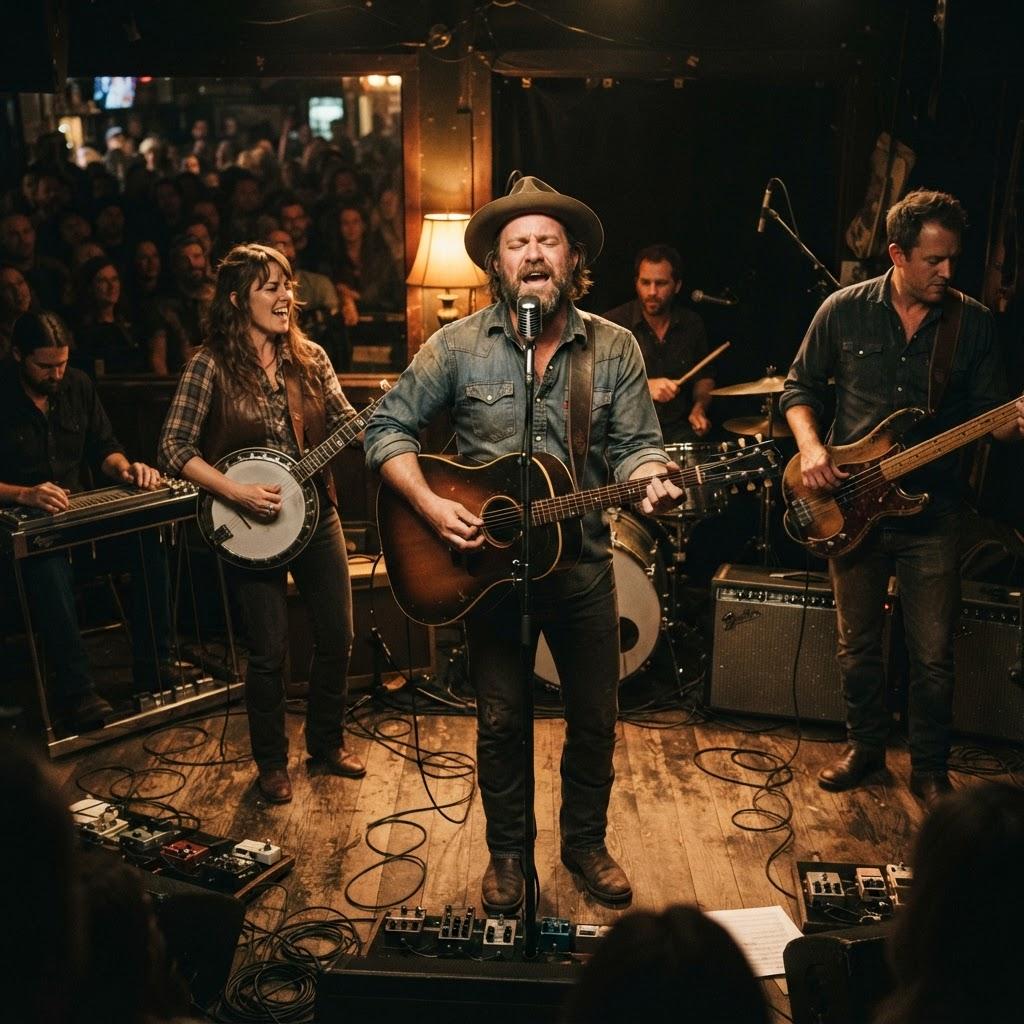
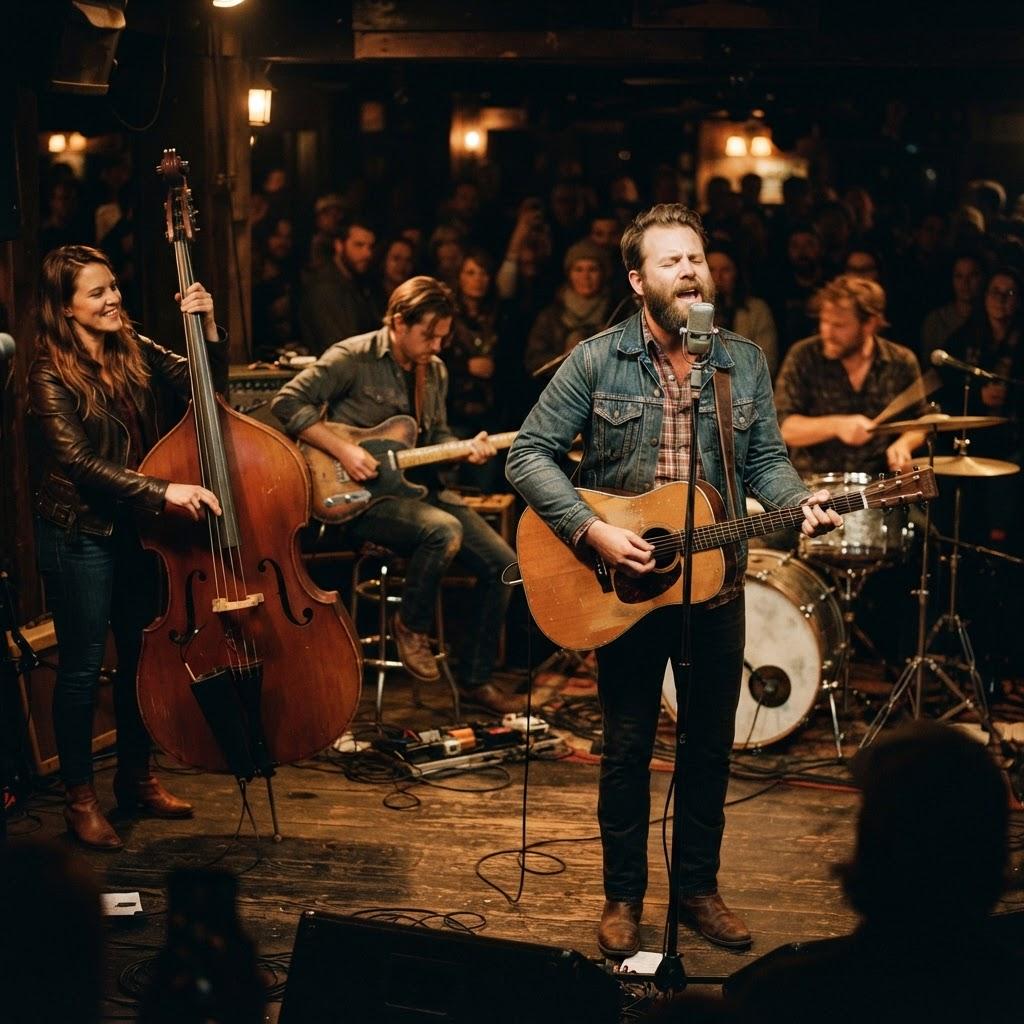
Southern Rock is a family tree with some very strange branches. On one side, you have the 'Outlaw Country' folks, like Waylon Jennings and Willie Nelson, who took the grit of Southern Rock and combined it with the storytelling tradition of country, creating a sound that was far too rebellious for the stuffy suits in Nashville. Then you have the 'Boogie Rock' wing—bands like ZZ Top—who took the Southern blues foundation, added a heavy dose of funk and synthesizers, and turned it into a weird, danceable mechanical monster. There is also the 'Jam Band' movement, which inherited the Allman Brothers' love for long, improvised songs that last longer than a typical movie. Some branches grew toward hard rock, becoming the ancestors of 80s hair metal, while others grew toward the 'Americana' scene, focusing on the acoustic roots and storytelling side of the music. It’s a bizarre, wonderful ecosystem where everything is related by blood and blues scales, but every cousin brings a completely different instrument to the table, making the whole musical family tree feel like a chaotic, brilliant, and constantly growing beast.
Cultural Impact & Influence
The influence of Southern Rock is everywhere, even if you don’t recognize it at first. It made the rebel image mainstream—the long hair, the cowboy boots, the trucker hats, and the feeling that you were an outsider looking in on a world you didn't quite fit into. It influenced politics by sparking conversations about Southern pride, identity, and the complicated history of the American South. In film, it gave us the soundtrack to every 'tough guy' movie ever made; if a character is driving a muscle car across the country in a 1970s film, you better believe a Southern Rock guitar riff is playing in the background. It also paved the way for the alternative country and roots-rock movements of the 90s, where bands like R.E.M. or Wilco pulled pieces of the Southern aesthetic and twisted them into something new. The genre turned the South from a place that people only associated with old-timey folk music into the capital of rock and roll cool. It proved that you didn't have to live in London or L.A. to make music that resonated with the entire world, and that sentiment still echoes in independent music today.
Controversies & Drama
Oh, the drama! If you think pop stars are catty, you haven't seen a room full of Southern Rock purists arguing over whether a band is 'truly Southern.' There were constant 'sellout' accusations—if a band started using a synthesizer or dared to trim their guitar solos to get on the radio, the purists would come for them with pitchforks. Then there was the infamous regional rivalry, with different states claiming they invented the 'real' sound. And let’s not forget the political baggage; the Southern Rock movement was constantly fighting to define itself, often walking a razor’s edge between cultural celebration and regional stereotyping. The most heartbreaking drama, of course, was the constant tragedy—the plane crash that claimed the lives of several Lynyrd Skynyrd members remains one of the darkest chapters in rock history. These bands were often their own worst enemies, living fast and hard to the point of self-destruction. The stories of backstage brawls, record label disputes, and ego clashes are so legendary that they could fill a library of soap operas, proving that the music was often just a release valve for the high-pressure cooker of their lives.
Global Spread & Regional Scenes
While it was born in the humid swamps of the South, Southern Rock became a global export. It found a second home in the United Kingdom, where fans loved the gritty, 'authentic' American sound. It became a badge of honor for anyone who wanted to be seen as a bit of a maverick. In Australia, the genre mixed with the local pub-rock scene, creating bands that sounded like they’d been drinking out of a hose in the outback. Even in Northern Europe, where the weather is a far cry from the Georgia heat, bands began copying the twin-guitar leads and the blues-drenched vocals. It’s funny to think about a kid in a cold, grey city in Sweden obsessing over the sound of a Florida guitar slide, but that is the magic of the genre—it sells a dream of freedom, heat, and open roads. Every regional scene that adopted Southern Rock added its own local flavor, twisting the blues foundation to fit their own cultural reality, turning a regional American style into a universal language of guitar-worship and rebellious spirit that defied borders and geography entirely.
The Modern Landscape
Today, Southern Rock is like a resilient old oak tree that has weathered a dozen hurricanes. It isn’t the mainstream juggernaut it was in the mid-70s, but it is thriving in the underground and on the festival circuit. You see its DNA in modern 'country-rock' stars who use the same slide guitar techniques and drum beats to make massive stadium hits. There is a whole 'new wave' of Southern Rock bands, often labeled as 'Stoner Rock' or 'Southern Psych,' who are taking the old-school boogie riffs and slowing them down into thick, sludge-like soundscapes. It’s also having a resurgence on platforms like TikTok, where younger generations are discovering the sheer joy of a well-executed, fifteen-minute guitar solo. It has moved from being a rebellious counter-culture movement to being a revered cornerstone of rock history. It is no longer about fighting for a place at the table; it is about keeping the fire lit and passing the torch to the next kid who finds an old Les Paul in a pawn shop and wants to make the floorboards shake. The spirit is alive and well, just wearing a slightly more modern pair of boots.
How to Dive In
Ready to get your hands dirty? Start by clearing your schedule for a few hours. First, put on The Allman Brothers Band’s 'At Fillmore East'—it is arguably the greatest live rock album ever recorded. If that doesn't make you want to go out and buy a motorcycle, nothing will. Next, grab Lynyrd Skynyrd’s '(Pronounced 'Lĕh-'nérd 'Skin-'nérd)'—that is the Bible of the genre. For a taste of the more soulful side, check out The Marshall Tucker Band’s 'Searchin' for a Rainbow.' If you want to see how the genre branched out, listen to ZZ Top’s 'Tres Hombres' and feel the power of the Texas blues-boogie. Listen to these on the best speakers you can find, turn the volume up until the walls vibrate, and try to stop your foot from tapping. Once you’ve done that, you’re officially initiated. Go forth, embrace the distortion, let the slide guitar wash over you, and remember that no matter where you are, a little bit of Southern spirit is just one guitar lick away. Welcome to the family—now crank it up and let the good times roll!