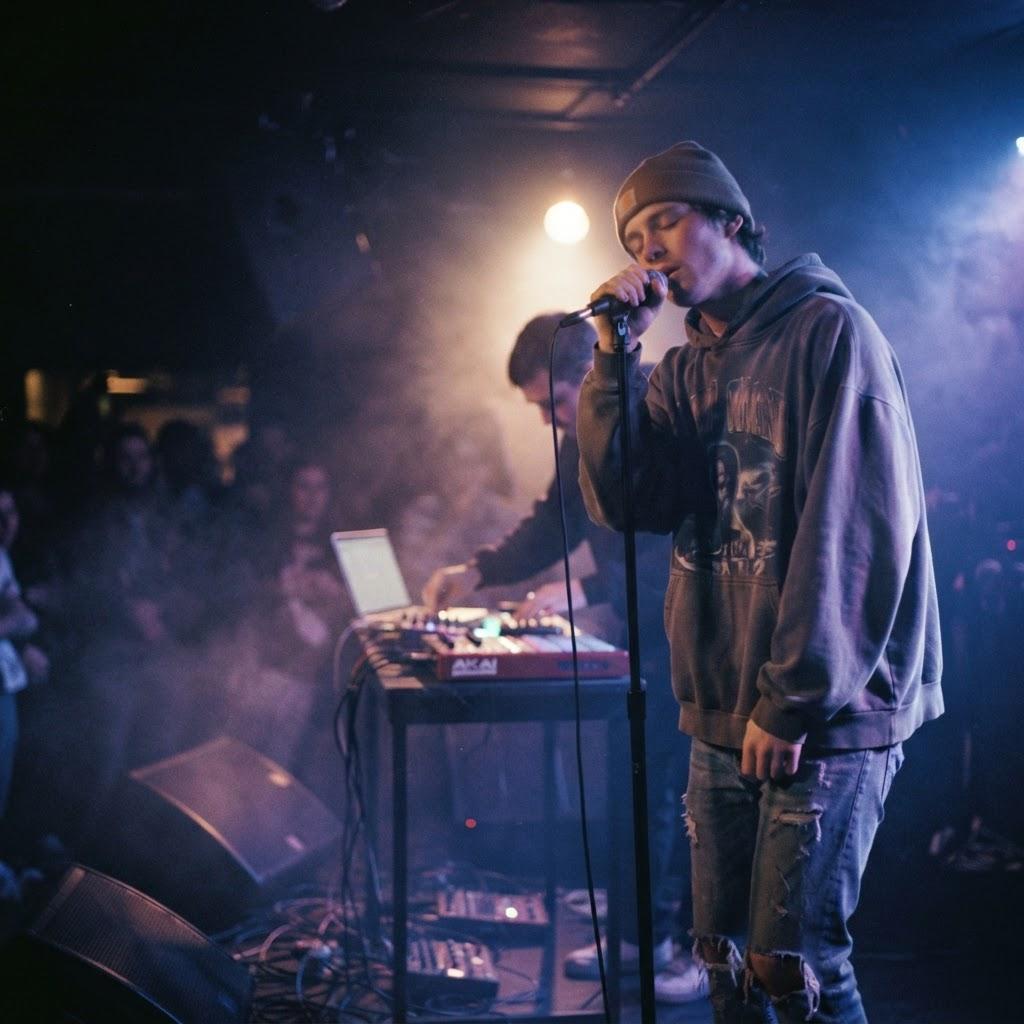
Late 2000s, United States
Cloud Rap
Cloud Rap is the sonic equivalent of floating through a neon-soaked dreamscape in a pair of fuzzy slippers. It is the hazy, reverb-drenched evolution of hip-hop that prioritizes pure atmosphere over punchy bravado.
Meet the Genre
Imagine waking up at three in the morning inside a spaceship that is drifting through a nebula made of purple smoke and nostalgia. You feel weightless, slightly confused, and strangely comforted. That, my friends, is the emotional zip code of Cloud Rap. It is the musical equivalent of a silk robe worn over a bulletproof vest. While traditional hip-hop spent decades focusing on the hard-hitting kick drum that shakes your ribcage and the rapid-fire lyrical acrobatics that demand your undivided attention, Cloud Rap decided to take a nap. It is a genre that doesn't demand you nod your head with aggressive force; it asks you to sway while staring at the ceiling. The atmosphere is thick enough to chew on, coated in enough reverb to make a tiny bedroom feel like a cathedral, and consistently draped in a melancholy that feels both deeply personal and impossibly distant. It is the sound of the digital age, born in the glow of glowing computer monitors when producers started messing with textures that felt more like a watercolor painting than a street corner brawl. If you are looking for aggression, go somewhere else. If you are looking for a mood that melts your brain in the best way possible, pull up a chair.
The Sound & Signature Elements
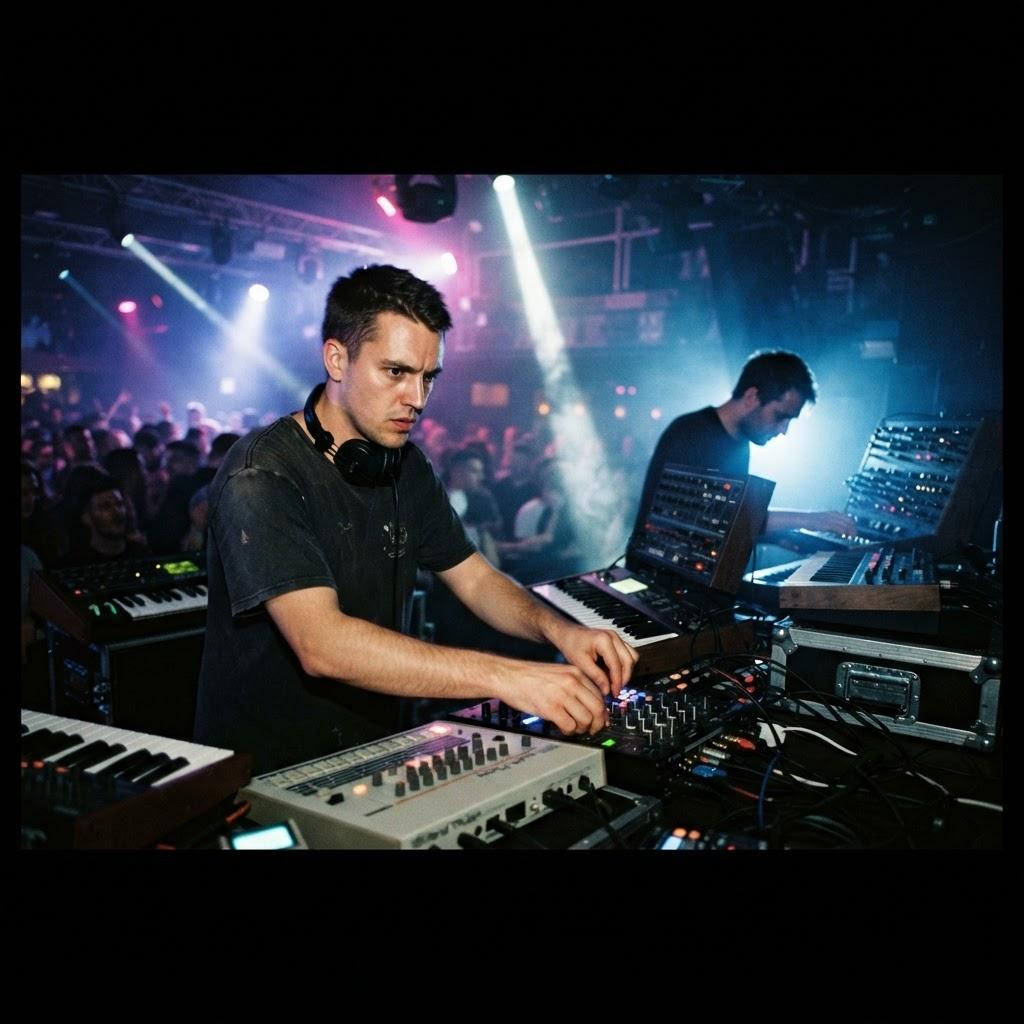
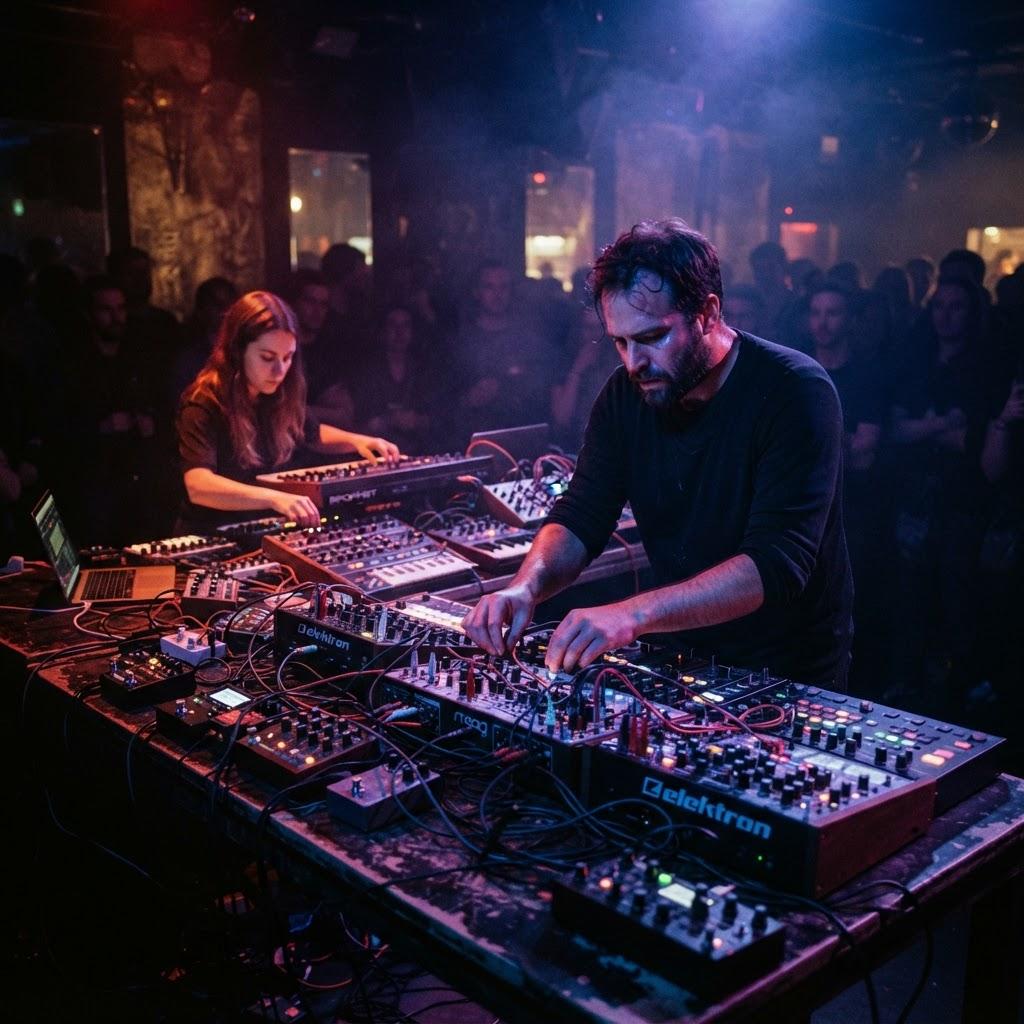
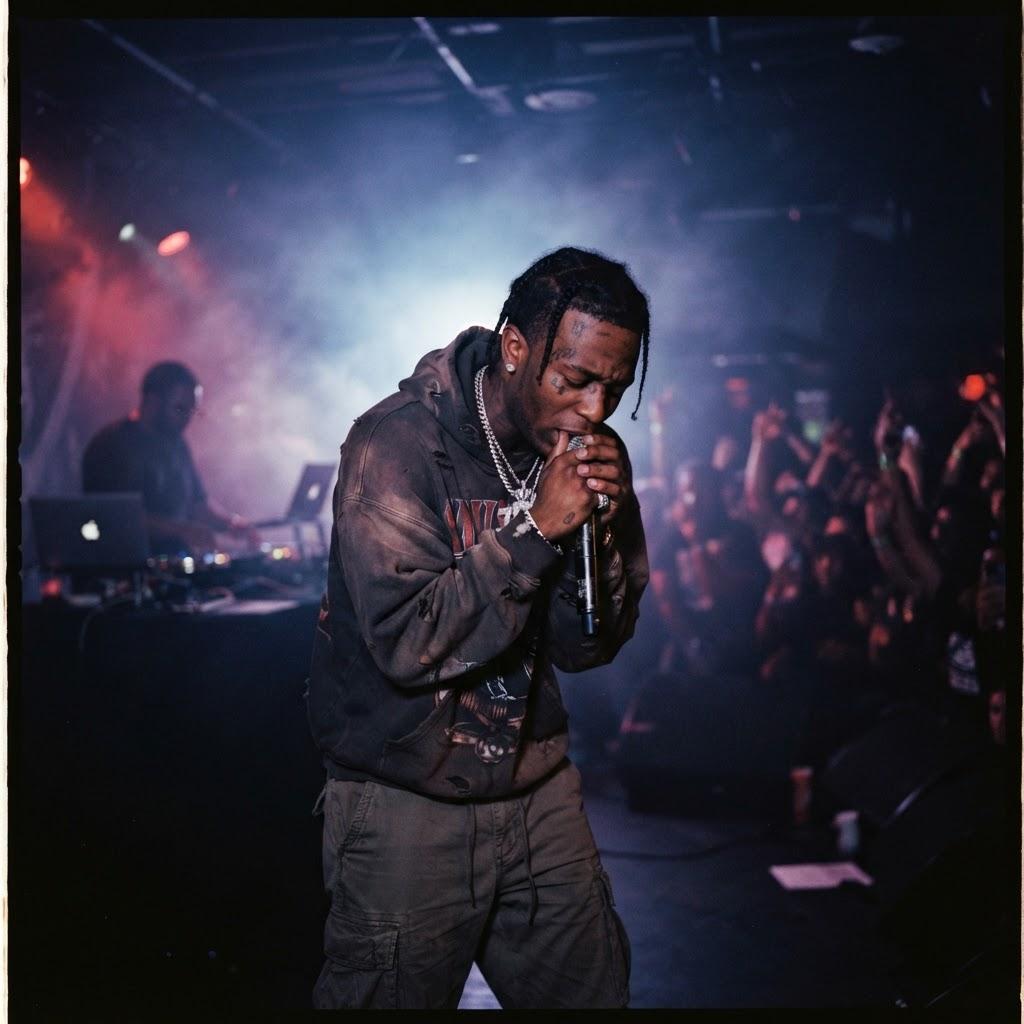
At its core, Cloud Rap is a masterclass in 'less is more'—provided that 'less' is covered in a thick layer of space-age, shimmering studio dust. The tempo is usually sluggish, often sitting at a 'half-time' feel where the snare drum hits less frequently, giving the music a yawning, stretched-out sensation. Think of it like taking a normal drum beat and putting it through a slow-motion filter until it sounds like it is dragging its feet through molasses. The synthesizers are the real stars here, often programmed to sound like icy chimes, distant angelic choirs, or the hum of a malfunctioning neon sign. These sounds are drenched in 'reverb,' which is basically an effect that makes everything sound like it is being played in a giant, empty concrete bunker. Vocals are rarely belted; they are mumbled, crooned, or stretched through Auto-Tune, which is software that nudges your voice into perfect pitch, giving it that robotic, lonely-cyborg texture. The structure is often loose and cyclical, ditching the standard verse-chorus-verse blueprint in favor of a hypnotic loop that keeps you trapped in the atmosphere until you forget you were even listening to a song.
Origins & Birth of the Sound
The birth of Cloud Rap wasn't a sudden explosion in a fancy studio in Los Angeles; it was more like a slow, glowing leak from the corners of the internet. In the late 2000s, producers were discovering that they didn't need a million-dollar mixing board to create something monumental. They had access to cheap, powerful software and a whole new world of obscure sounds. This was the era when the 'beat-tape' culture shifted from the streets to forums and early streaming platforms. Producers began raiding the bargain bins of digital music history, sampling dreamy, ambient sounds and 90s trance loops that had been left for dead. There was a deliberate defiance happening here. These creators were tired of the hyper-masculine, aggressive posture that dominated the airwaves at the time. They wanted to build a world where vulnerability and aesthetic beauty took center stage. It was a DIY revolution conducted in pajamas, proving that you could craft a movement simply by having a decent internet connection, a wild imagination, and a complete disregard for the 'rules' of what hip-hop was supposed to sound like or how it was supposed to behave.
The Pioneers & Legends
If you are looking for the architects of this foggy empire, you have to talk about Lil B and Clams Casino. Lil B, the BasedGod himself, was the loose-cannon catalyst who proved that you could rap about anything—from cooking dinner to deep philosophical musings—with zero irony. He stripped away the need for 'street credibility' and replaced it with a radical, almost terrifying level of sincerity. Then you have Clams Casino, the sonic alchemist who practically invented the genre's texture. His production for artists like A$AP Rocky felt like he had captured the sound of a dream dissolving in real-time. He layered thick, airy synths over drums that felt like they were made of damp cardboard, creating a signature sound that was instantly recognizable. Other heavy hitters like A$AP Rocky took this experimental, hazy production and injected it with enough charisma to turn it into a genuine mainstream force, proving that the 'weird stuff' could actually dominate the charts. These pioneers didn't just make music; they curated a vibe that was so powerful it forced the rest of the industry to sit up, take notice, and eventually start mimicking the formula.
Defining Tracks & Era-Defining Moments
To understand the gravity of Cloud Rap, you have to sit down with the tracks that essentially drew the map. Look at A$AP Rocky’s 'Peso' or 'Bass'—these were the moments when the underground haze hit the light of day. The production on those tracks was so distinct, so heavy with that specific 'Clams Casino' reverb, that it felt like it changed the humidity in the room. Then there is the legend of Lil B’s massive library of tracks, particularly things like 'I'm God,' which is widely considered the holy grail of the genre. When that beat drops, it sounds like heaven is opening up, but in a way that feels surprisingly relatable to anyone who has ever stared at their phone at 4 AM feeling existential. These weren't just songs; they were 'moments' that signaled a shift. When those tracks exploded, they turned Cloud Rap from a weird niche experiment into a legitimate contender for the future of hip-hop. Suddenly, every producer wanted to know how to get that 'shimmering' synth sound, and every rapper wanted to sound like they were whispering a secret into your ear through a thick, fuzzy blanket.
Subgenres & Offshoots
Like any good family, Cloud Rap has a few weird cousins and unexpected offshoots that make family reunions really interesting. Take 'Vaporwave,' for example, which is essentially the pixelated, glitchy, and heavily ironic older sibling of Cloud Rap. While Cloud Rap is a mood, Vaporwave is a museum of forgotten 80s corporate elevators music, slowed down to a crawl and covered in digital moss. Then there is 'Sad Rap' or 'Emo Rap,' which took the hazy, atmospheric production of the genre and replaced the casual, breezy lyrics with gut-wrenching, diary-entry confessions about heartbreak and mental health. The DNA is shared—you still get the slow beats and the reverb-heavy vocals—but the intent changed from 'let's vibe' to 'let's process these intense feelings.' You also see the rise of 'Drain Gang' and the hyper-pop intersection, where the sounds became even more chaotic and digitized, turning the smooth dreamscapes of the original genre into something that sounds like a computer having a panic attack in a rainbow-colored rave. It’s a messy, beautiful tree that keeps growing branches in every direction imaginable.
Cultural Impact & Influence
Cloud Rap didn't just stay on your headphones; it bled into everything. You can trace the lineage of today's dominant fashion trends—the oversized fits, the vintage-but-not-actually-old aesthetics, and the general vibe of 'studied carelessness'—right back to the Cloud Rap explosion. It made being a 'bedroom artist' not just acceptable, but desirable. It gave rise to the idea that you didn't need a major label's backing to be a rockstar; you just needed a Tumblr account and a sound that felt like a secret. Even the way we talk, the way we use digital slang, and the way we curate our online presence owes a debt to the DIY, internet-first ethos of the scene. Furthermore, it completely reshaped modern pop production. If you listen to modern chart-topping hits today, you will hear those signature 'shimmer' synths and that 'breathy' vocal delivery everywhere. It became the new shorthand for 'cool and mysterious.' By breaking the barrier between 'professional' production and 'home-made' textures, Cloud Rap essentially democratized the sound of modern music, forcing the high-end studios to start chasing the charm of the kid in the basement.
Controversies & Drama
Oh, the drama! You cannot have a genre that prides itself on being 'based' or 'dreamy' without a healthy dose of petty infighting. The biggest controversy, as always, came from the purists. When Cloud Rap started leaking into the mainstream, hip-hop traditionalists looked at the mumbling, the Auto-Tune, and the lack of aggressive lyrical 'bars' and essentially labeled it a death sentence for the genre. They called it 'lazy,' 'unintelligible,' and 'musically illiterate.' But the artists were laughing all the way to the bank, and their fans were even louder. Then there were the 'producer wars,' where artists would argue over who really invented that specific 'trippy' sound or who 'borrowed' a vibe without giving credit. Because the genre grew up on the internet, the drama played out in real-time on message boards and Twitter. There were accusations of 'selling out' the moment an artist touched a major label, as if being signed to a corporation somehow invalidated the fact that they were making weird, swirling soundscapes in their garage. It was a mess of ego, artistic integrity, and digital gatekeeping that remains one of the most entertaining chapters of modern music history.
Global Spread & Regional Scenes
Once the signal went digital, it didn't stay in the US for long. It hit Europe like a fever, especially in the Scandinavian scenes and the UK, where producers took that dreamy, airy template and mixed it with local underground dance influences. You started seeing Cloud Rap scenes pop up in East Asia, where producers and rappers blended the genre’s hazy aesthetic with their own regional pop sensibilities, creating something that felt truly global. In places like Sweden, the sound became even colder, more minimalist, and sharper, like a dream you have while freezing in a blizzard. Meanwhile, the Japanese scene took the vaporous textures and turned them into something incredibly intricate and high-definition. It proved that Cloud Rap was not just a Californian invention; it was a universal language. It gave artists from Seoul to Stockholm a toolset to express that specific feeling of isolation and wonder that comes from living in a globally connected, always-online world. Every region took the core 'Cloud' vibe and dyed it a different color, proving that while the roots were in the States, the branches were reaching for every corner of the planet.
The Modern Landscape
Today, Cloud Rap is less of a 'genre' and more of a 'setting' on the synthesizer of modern music. It has been absorbed into the bloodstream of mainstream pop, trap, and R&B. You don't necessarily hear 'Cloud Rap' songs anymore; you hear the influence of Cloud Rap in almost everything. It is the texture that makes a pop song feel 'moody' or a trap beat feel 'atmospheric.' Many of the original pioneers have moved on to other things, but the legacy is cemented in every bedroom producer who opens up their computer, hits 'record,' and decides to layer a bunch of reverb on a piano chord to see what happens. It remains the gold standard for creating an immersive, dream-like vibe. While it might not be the 'hot new thing' trending on TikTok in its pure form, its DNA is currently ruling the charts. It has matured, grown up, and settled into its role as the foundation of the modern soundscape. It’s no longer the rebellious outsider; it’s the architect of the building everyone else is currently living in, and it’s still as dreamy as the day it was born.
How to Dive In
Ready to get your head in the clouds? It is time to start your journey. First, go find A$AP Rocky’s 'Live.Love.A$AP' mixtape—it is the foundational text of the genre, an absolute masterclass in atmosphere and swagger. If you want to experience the 'BasedGod' influence, dive into Lil B’s massive discography; start with 'I'm God' and just let the algorithm take you on a journey. Next, you need to explore the production genius of Clams Casino; his 'Instrumentals' tapes are essential listening for anyone who wants to hear the skeleton of the genre without the vocals. Once you have those down, look for the 'Drain Gang' catalog for something a bit more modern and manic. Don't worry about understanding the lyrics immediately—sometimes, the words are just another layer of sound in the mix. Put on a good pair of headphones, find a quiet spot where you won't be bothered, and let the music wash over you. Don't analyze it; just feel it. Cloud Rap isn't about solving a puzzle; it’s about inhabiting a space. Go get lost in the haze—the view from up there is absolutely magnificent.