Early 1990s
Trance
Trance is the musical equivalent of a glitter-covered rocket ship launching you into a dimension made entirely of laser beams and serotonin. It is the genre that took the humble dance floor and turned it into an intergalactic cathedral of pure, unadulterated euphoria.
Meet the Genre
Imagine you are standing in a field at three in the morning, the air is thick with humidity and the smell of glow sticks, and suddenly, a wall of sound hits you like a warm, neon-colored hug. That is Trance. It is the musical equivalent of being a superhero who just realized they can fly. Unlike its darker, grittier cousin Techno, which wants to keep your head down and your feet moving, Trance is about reaching for the sky until your fingertips start to tingle. It is dramatic, it is over-the-top, and it makes no apologies for being entirely obsessed with the idea of pure, concentrated happiness. Whether it is the soaring, emotional synths that make you want to weep, or the relentless drum beat that turns your nervous system into a metronome, Trance is designed to short-circuit your cynicism and replace it with wide-eyed wonder. It is not just music; it is a full-body experience that treats every listener like they are the protagonist in a grand, cosmic epic where the only goal is to find the next musical climax.
The Sound & Signature Elements
At its core, Trance is built on a foundation as solid as a mountain: the four-on-the-floor beat. Think of this as the heartbeat of the track, a steady 'thump-thump-thump-thump' that is impossible to ignore. On top of this rock-solid base, producers layer what we call 'arpeggios'—think of these as rapid-fire piano or synth notes that cycle up and down like a shimmering staircase. The real magic, however, is the 'breakdown.' This is the part of the song where the drums vanish, the bass drops out, and you are left floating in a sea of gorgeous, ethereal synthesizer pads and perhaps a hauntingly beautiful vocal hook. It is like being suspended in zero gravity. When that beat eventually slams back in, it feels like the universe just exploded in slow motion. The tempos generally hover between 130 and 140 beats per minute, fast enough to keep your blood pumping but slow enough to let those epic, soaring melodies breathe. It is a precise dance between high-octane energy and moments of profound, cinematic stillness that keeps the listener hooked for hours.
Origins & Birth of the Sound
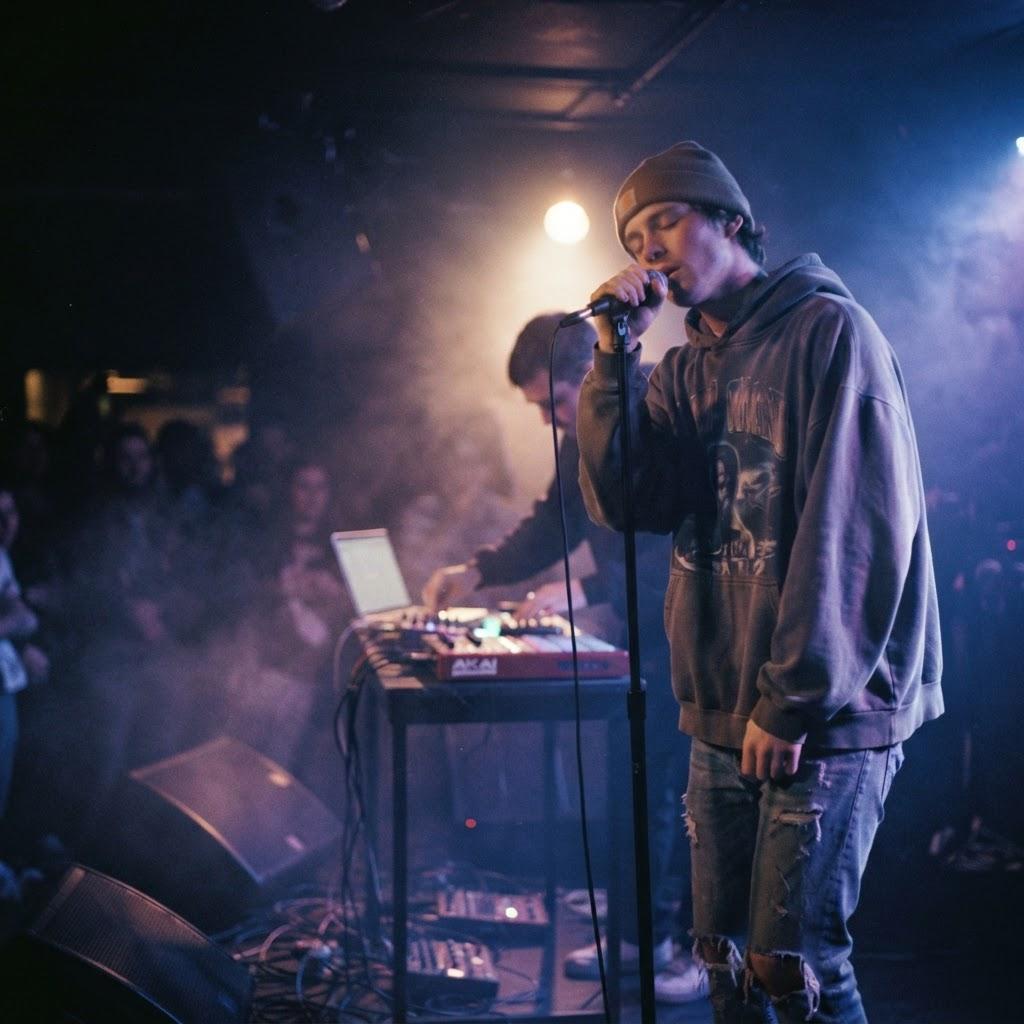
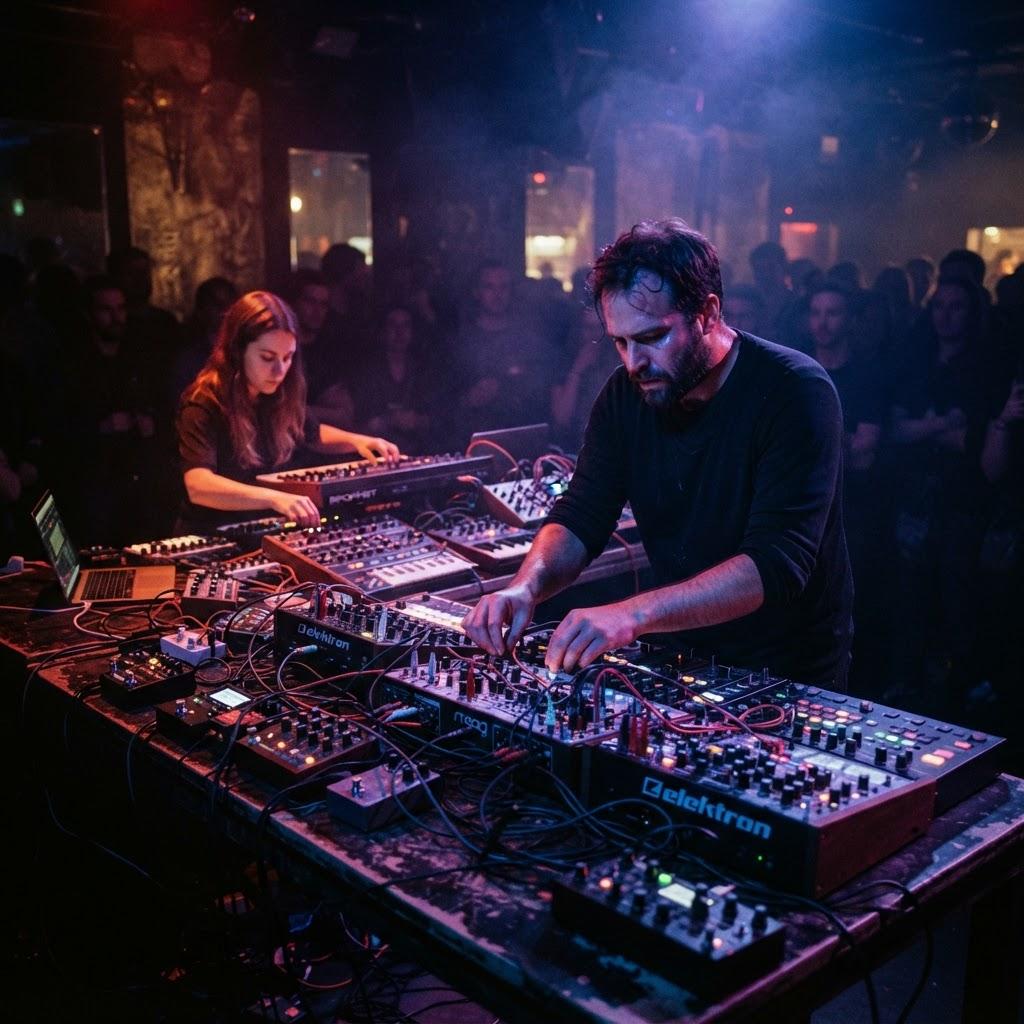
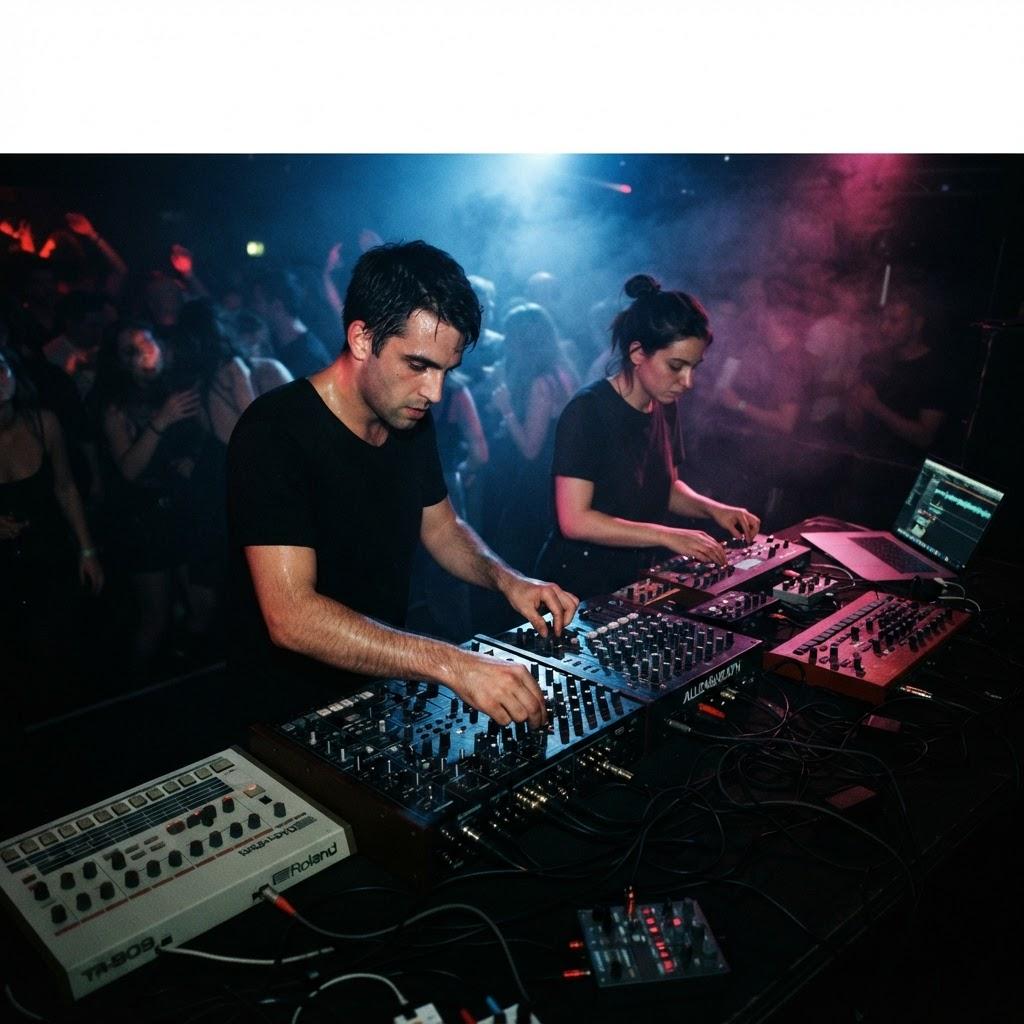
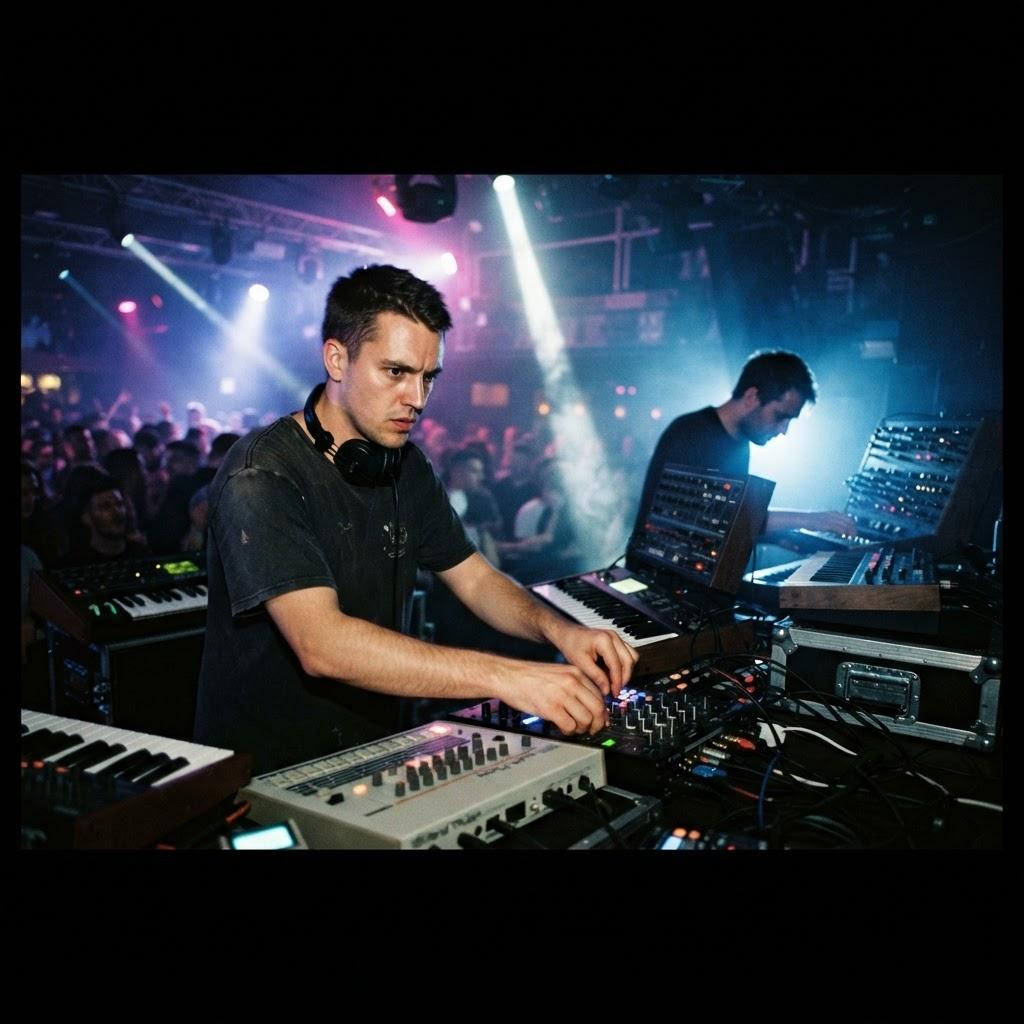
Trance didn't just appear; it was birthed in the smoke-filled, industrial corners of Frankfurt, Germany, in the early 90s. At the time, Techno was getting harder and meaner, but a group of sonic architects wanted something that touched the soul instead of just punishing the eardrums. They were pulling from all over: the repetitive, hypnotic grooves of early 80s electronic music, the dreamy atmospheres of Ambient, and the dramatic flair of Italo Disco. These producers were like mad scientists in studios packed with cables, hardware synths, and enough synthesizers to power a small city. They realized that if they took those repetitive patterns and gave them a sense of emotional narrative—a beginning, a middle, and a massive, soaring climax—they could take the listener on a journey. It was a time of pure creative defiance, where the goal was to push the boundaries of what electronic music could actually say to a person. They weren't just making tracks to fill a club; they were crafting anthems for a generation hungry for connection and transcendence.
The Pioneers & Legends
To talk about Trance without bowing down to the legends is a cardinal sin. First, we have the gods of the German scene like Sven Väth and Paul van Dyk, who essentially wrote the rulebook on how to make a synth line move a thousand people to tears. Then there is Armin van Buuren, the man who turned Trance into a global language, preaching the gospel of melody from every festival stage on the planet. We cannot ignore Tiësto, who, before he was a household name, was the absolute emperor of the slow-build, epic-length Trance anthem that felt more like a classical symphony than a club track. These artists weren't just DJs; they were the conductors of a massive, glowing, multi-colored orchestra. They obsessed over sound design, spending hundreds of hours tweaking a single filter setting just to get that perfect 'shimmer' that defines the genre. They built the shrines, they set the standards, and they proved that electronic music could be just as sentimental, powerful, and grandiose as anything ever written for a concert hall.
Defining Tracks & Era-Defining Moments
If you want to understand the DNA of the genre, you need to listen to the monoliths. Take 'Adagio for Strings' by Tiësto, a track that took a mournful classical piece and turned it into an absolute weapon of mass ecstasy. It proved that you could combine high art with dance floor grit and get the entire world singing along. Then there is Paul van Dyk's 'For an Angel,' a song so iconic that hearing the first few notes is enough to transport any 90s raver straight back to a dark warehouse in Berlin. These weren't just songs; they were cultural markers. Every time a new 'trance anthem' dropped, it felt like a ripple across the entire electronic music industry. Other classics like Robert Miles’ 'Children' proved that Trance could be haunting, melancholic, and beautiful, dominating the pop charts without sacrificing an ounce of its underground credibility. These tracks redefined the relationship between the DJ and the crowd, turning the dance floor into a place of shared, almost religious, experience.
Subgenres & Offshoots
The Trance family tree is as wide as it is bizarre. First, you have 'Progressive Trance,' which, as the name suggests, is all about the slow, methodical build-up; it is the thoughtful, sophisticated sibling who likes to take the long way home. Then there is 'Psy-Trance,' which is like the wild, tripped-out cousin that just got back from a spiritual retreat in the desert; it is characterized by fast, complex basslines and alien-like sound effects that feel like they are vibrating inside your skull. We also have 'Uplifting Trance,' which is exactly what it sounds like—massive, shimmering synth melodies designed to make you feel like you are walking on sunshine. And let us not forget 'Hard Trance,' which takes the genre’s emotional core and injects it with a giant dose of adrenaline and aggression, making it the perfect choice for those times when you need your euphoria with a side of intensity. Each subgenre offers a different flavor of the same emotional hit, ensuring that no matter your personality, there is a version of Trance that speaks directly to you.
Cultural Impact & Influence
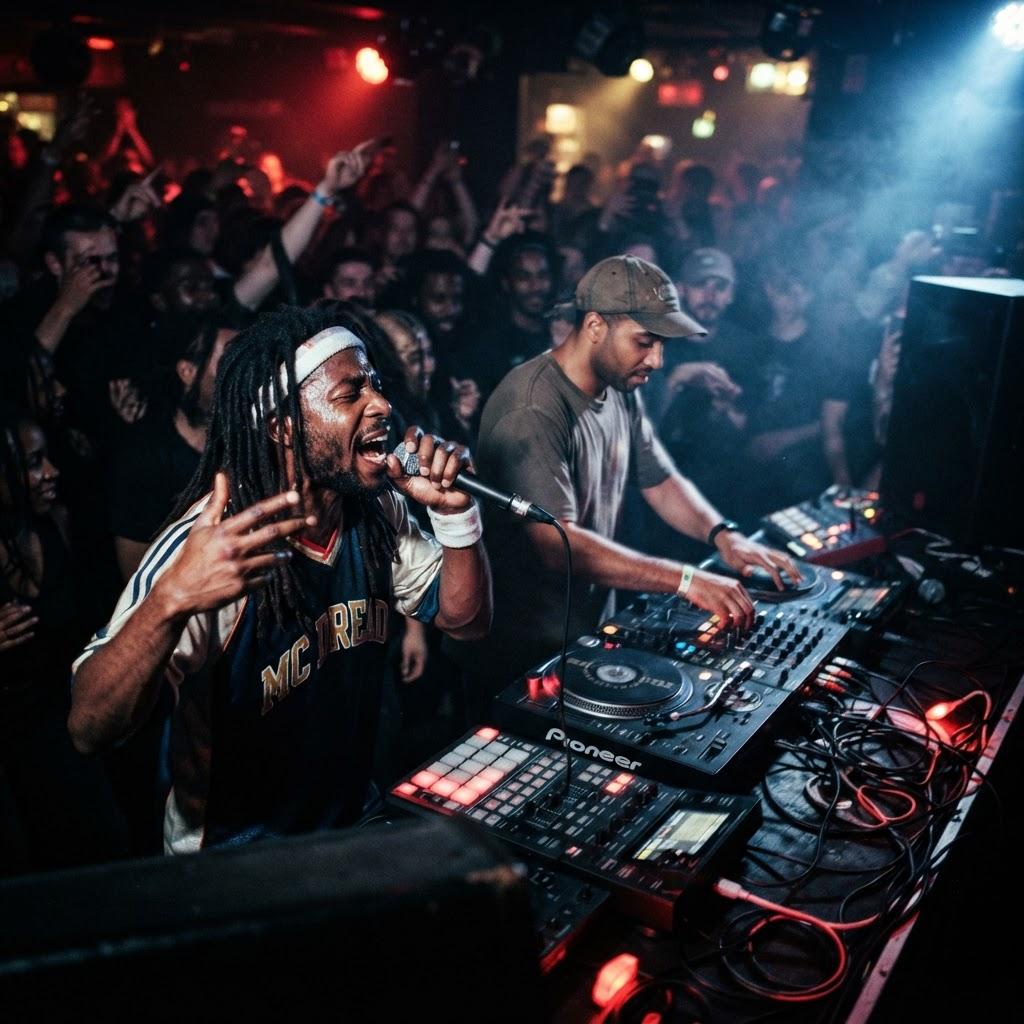
Trance didn't just change music; it changed how the world parties. It was the driving force behind the massive, stadium-filling festivals we see today. Before Trance, the idea of fifty thousand people gathering in a field to watch a DJ perform a curated, multi-hour 'journey' was a pipe dream. Trance normalized the idea of the DJ-as-hero, paving the way for the EDM boom of the 2010s. It influenced fashion, with the aesthetic of baggy rave pants, reflective clothing, and intricate light-up accessories becoming synonymous with the genre’s 'peace, love, unity, and respect' ethos. Linguistically, it brought terms like 'PLUR' and 'drop' into the mainstream lexicon. It even leaked into pop music; listen to almost any radio hit from the late 90s or early 2000s, and you will hear those signature sweeping synth pads or driving basslines hidden in the background. It created a global community that transcended borders, where someone in London could feel exactly the same emotion as someone in Tokyo simply by pressing play on the same record.
Controversies & Drama
Where there is passion, there is drama. The history of Trance is littered with the 'Purist Wars,' where fans would argue for days about whether a track was 'true' Trance or if it had been 'corrupted' by pop sensibilities. The 'sellout' accusation was the ultimate weapon in the underground scene; as soon as a producer started using a radio-friendly vocal hook or signed to a major label, you could bet your life savings that a hundred forum trolls would claim the genre was officially dead. There was also the constant, low-level bickering between Trance fans and the fans of other genres, particularly Techno purists who found Trance’s emotional overtures to be 'tacky' or 'over-sentimental.' This drama wasn't just petty; it was proof of how much people cared. You don't get this heated over elevator music. The backstage drama was equally legendary, involving rivalries between super-DJs over who had the best label, who stole whose sound, and who was actually responsible for the 'death' of the original, gritty, basement-born Trance sound.
Global Spread & Regional Scenes
While it was born in Germany, Trance quickly became a global obsession, developing distinct accents along the way. In the Netherlands, it became the centerpiece of massive festivals, turning into a national pastime that produced some of the world's most successful dance producers. In the UK, it married with the high-energy rave scene, leading to the birth of sub-genres that were faster, louder, and arguably more chaotic. Meanwhile, in Israel, the underground Psy-Trance scene began to flourish in remote desert parties, creating a sound that was darker, more psychedelic, and deeply atmospheric. Even in the United States, which was notoriously slow to embrace the electronic explosion, cities like Los Angeles and New York built massive, vibrant pockets of Trance lovers who fought hard to keep the scene alive in warehouses and hidden clubs. Each region brought its own flavor, with local DJs remixing the sound to reflect the culture, the climate, and the general vibe of their home turf, proving that Trance was a universal language that thrived on local dialects.
The Modern Landscape
Today, Trance is in a fascinating place. It has evolved from being the 'new thing' into a venerated, legendary genre that has survived multiple cycles of fashion. While it might not be the primary sound of the mainstream charts anymore, it is thriving in its own ecosystem. Thanks to the internet, it has never been easier to find new, exciting producers who are taking the classic Trance sound and updating it with modern production techniques. You have massive, nostalgia-driven festivals that draw huge crowds, and you have a thriving underground scene where producers are experimenting with the genre’s boundaries, mixing it with everything from Techno to ambient soundscapes. TikTok has even sparked a resurgence in interest, with a new generation discovering the high-energy, euphoric sound of the 90s and 00s, proving that good music is timeless. Trance is no longer the new kid on the block; it is the wise, experienced elder that still knows exactly how to throw the best party in the room whenever it decides to show up.
How to Dive In
If you are ready to take the plunge, do not just jump into a random playlist. Start with the 'classics' to get a sense of the genre’s emotional range. Listen to Tiësto’s 'In My Memory' or Armin van Buuren’s '76' to understand how an album can be a cohesive experience rather than just a collection of songs. For those who want the heavy-hitting, euphoric side, dive into any 'A State of Trance' compilation. If you want something a bit weirder and more hypnotic, search for some older Psy-Trance sets from the mid-90s. When you listen, do not just have it on in the background while you do chores. Put on your best headphones, lie down in a dark room, and let the music pull you in. Close your eyes, follow the melody as it builds, and wait for that moment where the music feels like it is physically lifting you up. That is the Trance state. Once you feel it, you will understand exactly why millions of people have spent the last thirty years chasing that exact same feeling. Welcome to the family—now, go find your headphones and get lost in the sound.