Early 2010s, Chicago, Illinois
Drill
Drill is the musical equivalent of a cold stare in a rain-slicked alleyway, mixing frantic energy with a lethal dose of bass. It is the raw, unapologetic heartbeat of modern street culture that refuses to turn the volume down.
Meet the Genre
Imagine walking through a city at three in the morning, the streetlights flickering like they have a bad contact, and the air feels thick with secrets. That is the exact vibe of Drill music. It doesn't ask for your attention; it kicks the door down, walks in, and stares you dead in the eye until you acknowledge its presence. Drill is not the music you put on while having a nice brunch with your grandmother. It is the sonic embodiment of concrete, sharpened knives, and the frantic heartbeat of people who have seen too much and slept too little. It is cold, calculated, and carries a weight that feels like a heavy winter coat made of iron. When a Drill beat starts, it isn't just a song playing; it is an atmospheric shift. The room suddenly feels smaller, the lighting dims, and everything becomes high-stakes. It is a genre that thrives on being unsettling, yet it is so undeniably catchy that you find yourself nodding along even when you feel like you should probably be looking over your shoulder. Welcome to the world of Drill, where the melody is a weapon and the bass is a warning shot fired into the dark.
The Sound & Signature Elements
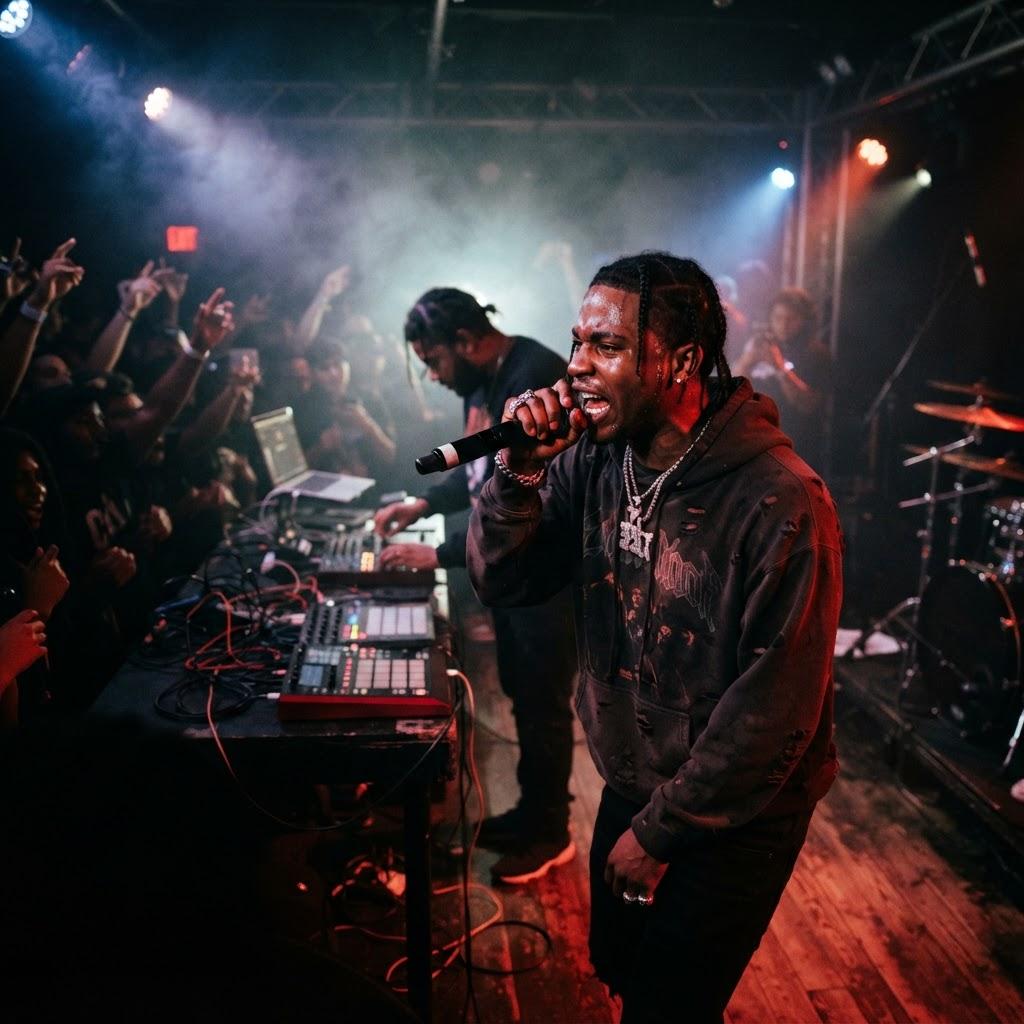
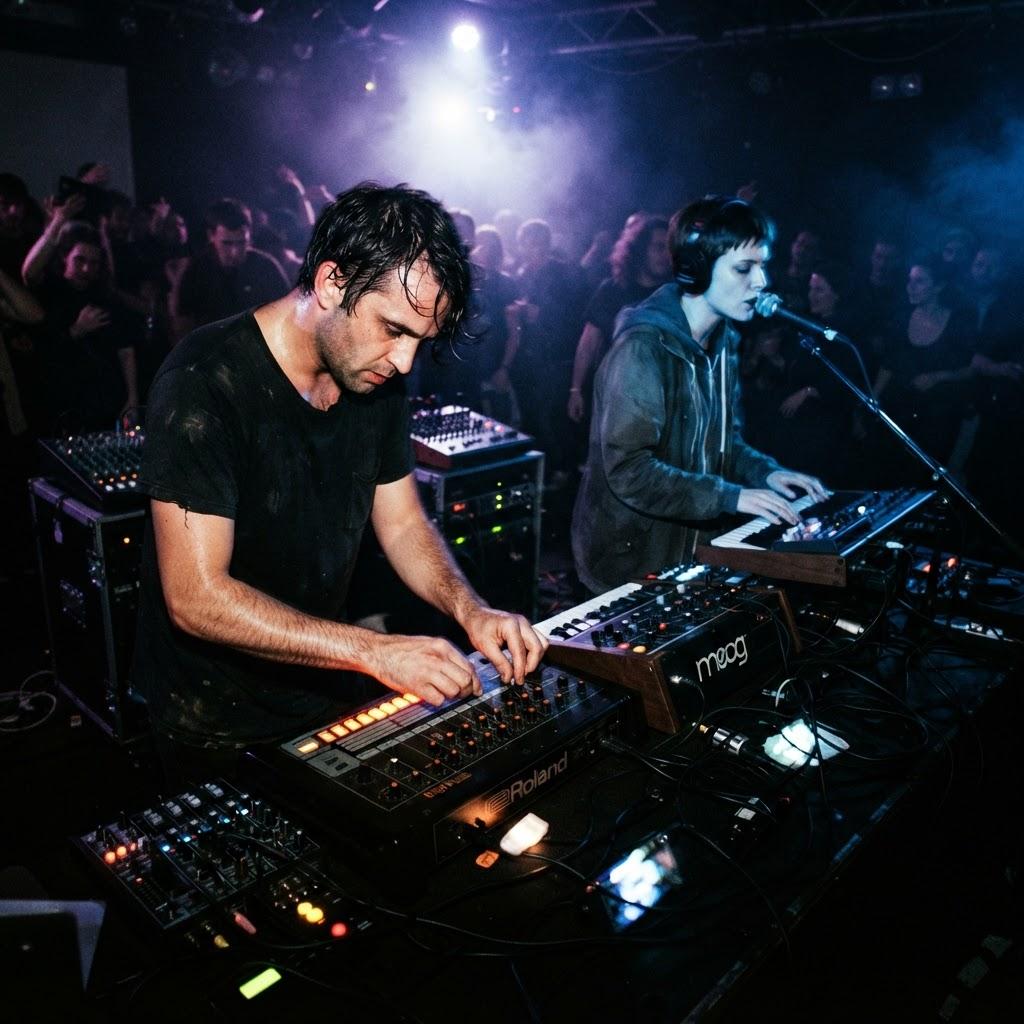
To understand Drill, you have to appreciate the chaos within its rhythm. At the heart of every track is the Roland TR-808 drum machine, which sounds like someone dropped an anvil into a pool of sludge. The producers take these bass frequencies and make them 'slide'—essentially, the pitch wiggles and morphs, creating a queasy, wobbling sensation that hits your chest like a physical vibration. Then, you have the hi-hats. Think of them like a caffeinated woodpecker, tapping out lightning-fast patterns, often in groups of three—the 'triplets'—that stutter and dance all over the beat. It’s frantic, erratic, and impossible to ignore. The melodies? Usually sparse, dark, and drenched in minor-key gloom, sounding like a horror movie score that got lost on the way to a rap concert. Structurally, Drill is built for impact. It doesn't care much for long, sprawling melodies; it wants punchy, aggressive hooks that cut through the mix. The vocals are often delivered with a detached, conversational menace, where the rapper sounds less like they are performing and more like they are telling you exactly what is going to happen next. It is stripped-down, high-intensity, and intentionally abrasive, designed to rattle your car windows and your nerves simultaneously.
Origins & Birth of the Sound
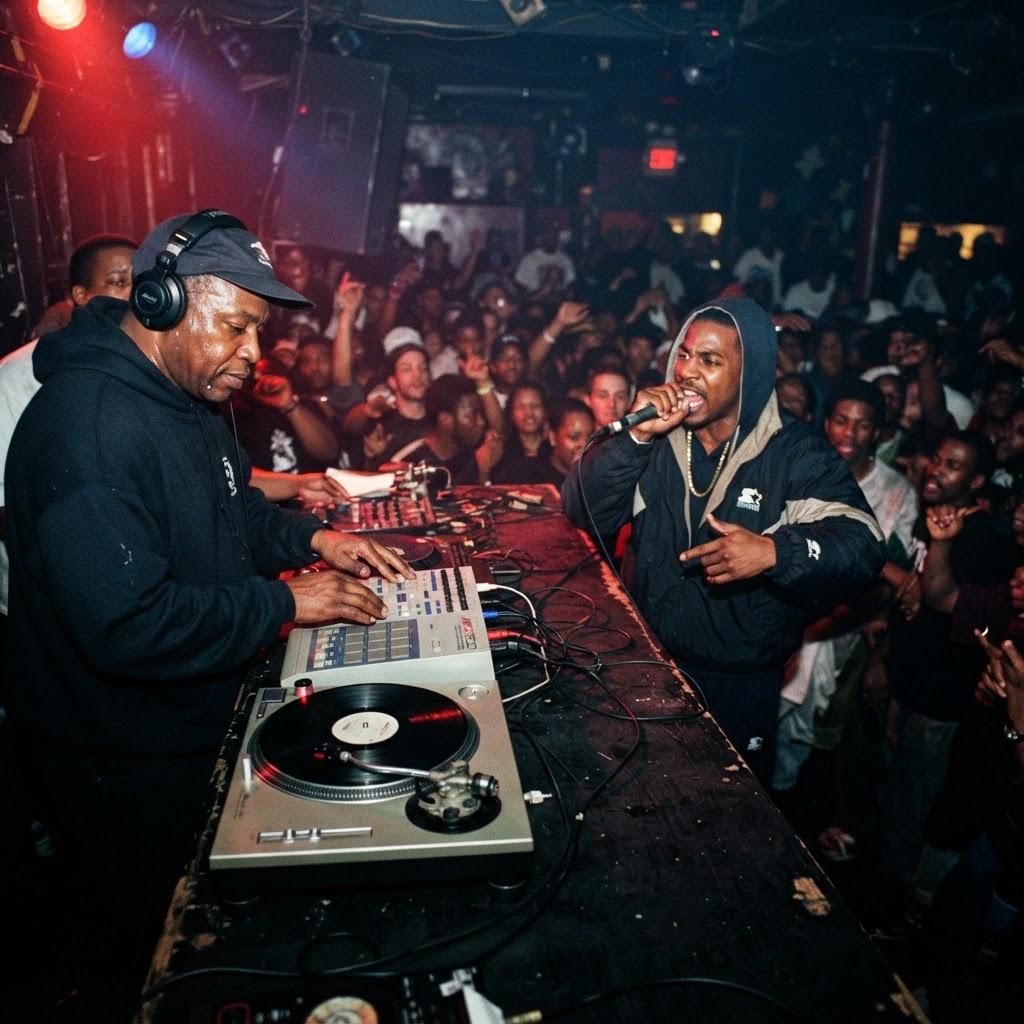
The origin story of Drill is firmly rooted in the south side of Chicago, a place where the landscape was tough and the winters were even tougher. Around 2010, in the cramped, low-budget home studios of teenagers, something began to shift. These kids weren't interested in the polished, glitzy rap that dominated the radio waves at the time. They were obsessed with something more honest, more jagged, and infinitely more visceral. They took the building blocks of Southern Trap music—heavy 808s and slow tempos—and sped them up, sharpened the edges, and stripped away the glossy production. It was a DIY movement sparked by nothing more than a desire to document the reality they were living in. They didn't have fancy engineers or major label budgets; they had cracked software, cheap microphones, and a story to tell that wasn't being heard anywhere else. The term 'drill' itself was local slang for engaging in retaliatory violence, a word that perfectly captured the aggressive, non-negotiable nature of the sound. It was the sound of a generation trying to capture the electricity of their environment, turning the static of their daily lives into a rhythmic revolution that would eventually ripple across the entire planet.
The Pioneers & Legends
You cannot talk about Drill without bowing to the architect, Chief Keef. When his video for 'I Don't Like' dropped, it was like a sonic earthquake. He was just a kid, but his delivery was so bored, so icy, and so authentic that it felt like he had been rapping for centuries. He wasn't rapping about luxury cars or champagne; he was rapping about his block, his friends, and the specific brand of chaos he was living through. Then there was King Louie, who brought a unique flow and a gritty charisma that solidified the Chicago sound as something distinct. Lil Reese acted as the high-intensity counterpart, adding a volatile energy to every track he touched. These guys weren't trying to be pop stars; they were just being themselves, and that unvarnished truth was their secret weapon. Their influence was so immediate and so powerful that it created a gravitational pull, dragging the entire music industry toward them. They didn't just invent a sound; they invented a new archetype for the rapper: the guy who doesn't need to smile, doesn't need to polish his lyrics for the masses, and certainly doesn't care if you find his music too abrasive. They were the architects of a movement that made polite rap seem like a lullaby.
Defining Tracks & Era-Defining Moments
If you want to understand why the world suddenly stopped and listened, you have to look at the tracks that acted as the genre's Big Bang. Chief Keef’s 'Love Sosa' is the undisputed national anthem of the genre, a track that perfectly balances that dark, swirling atmosphere with a hook that gets stuck in your brain like a splinter. It was the moment Drill transitioned from a localized Chicago phenomenon to a national obsession. But it wasn't just Chicago. Pop Smoke’s 'Welcome to the Party' in Brooklyn was a complete paradigm shift. He took that raw energy and added a layer of gritty, New York swagger that made it feel like an action movie theme song. This track proved that Drill wasn't just a specific place; it was a flexible framework that could adapt to any street corner on earth. When 'Welcome to the Party' blared out of passing cars, it felt like the genre had officially claimed its territory in the mainstream. These moments weren't just hits; they were cultural milestones that told everyone else that the rules of the game had changed. If you weren't playing with that specific, sliding bass and that menacing flow, you were already behind the curve.
Subgenres & Offshoots
Drill has a sprawling, messy family tree that would make a genealogist pull their hair out. After its explosion, it started mutating like a sci-fi virus. In the United Kingdom, it absorbed the fast-paced, skittering energy of Grime, resulting in UK Drill, which is often darker, faster, and features even more intricate, percussive flows. Then came Brooklyn Drill, which stripped away some of the more abstract elements and replaced them with heavy, industrial-strength beats that felt like a wrecking ball in musical form. We’ve also seen the rise of 'Melodic Drill,' where artists like Lil Durk weave soulful, weary melodies over those aggressive basslines, showing that you can be soft and hard at the exact same time. There are even micro-genres like 'Afro-Drill,' where producers blend these cold, metallic rhythms with the warm, infectious percussion of African pop, creating a sound that is both haunting and danceable. It is a testament to the genre's strength; it is so sturdy as a foundation that you can build almost any kind of house on top of it, provided you keep that signature 808 rattle firmly in the basement where it belongs.
Cultural Impact & Influence
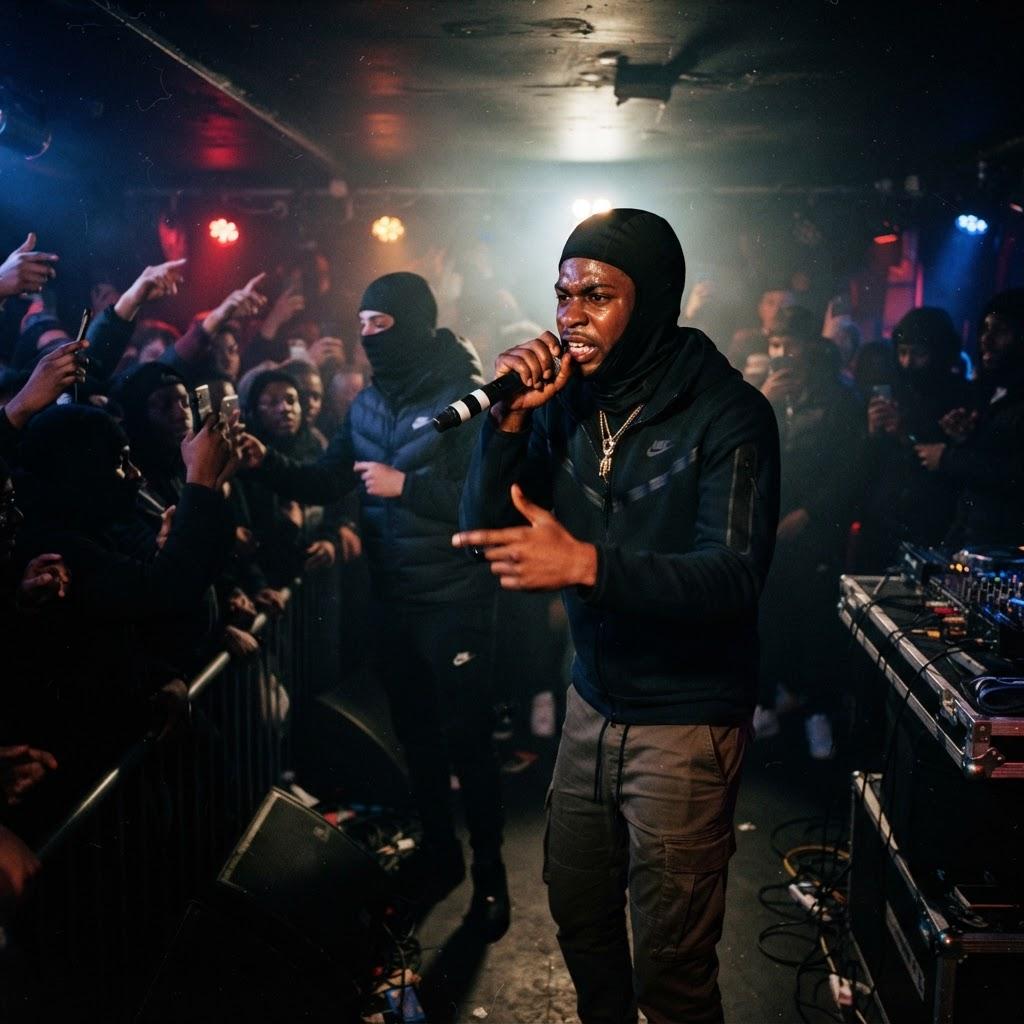
The reach of Drill goes far beyond just music; it has fundamentally altered the cultural landscape of the 21st century. Think about the fashion—the obsession with tech-wear, masks, and tactical vests can be traced directly back to the Drill aesthetic, which prioritizes function, anonymity, and a certain kind of urban utility. The language used in Drill songs has also bled into mainstream slang, with new terms and phrases moving from the studio to the classroom in record time. It has influenced film aesthetics, television shows, and even the way major artists in other genres approach their own music. Everyone from pop stars to indie rockers wants to capture a little bit of that Drill intensity because they know it carries an aura of street-level authenticity that money simply cannot buy. It has become a global vernacular, a shared language for youth across different continents who might not share a country or a culture, but who all understand that specific feeling of grit and resilience. It challenged the sanitized, corporatized version of rap that preceded it and forced the world to look at the darker, more complicated corners of the cities we live in.
Controversies & Drama
Of course, a genre this raw was never going to play nice with the establishment. Drill has been the subject of intense controversy since the very first beat dropped. Critics, politicians, and pearl-clutchers have constantly accused the music of inciting violence, pointing at the lyrics as if they were a manual for mayhem rather than a mirror for reality. This has led to everything from radio bans to heavy-handed police interference in concert venues, creating a perpetual cycle of drama that the genre seems to feed on. Then there are the 'purist wars,' where fans argue endlessly about who did it better—Chicago or London, Brooklyn or New York. The accusations of 'selling out' fly constantly whenever a Drill artist works with a major pop star or changes their sound to reach a wider audience. It is all very dramatic, very loud, and very entertaining. The genre exists in a state of permanent tension, with its biggest stars often finding themselves caught between the authenticity that made them famous and the commercial realities of the industry. It is a high-wire act performed without a net, and that constant threat of a fall makes every track feel just a little bit more dangerous.
Global Spread & Regional Scenes
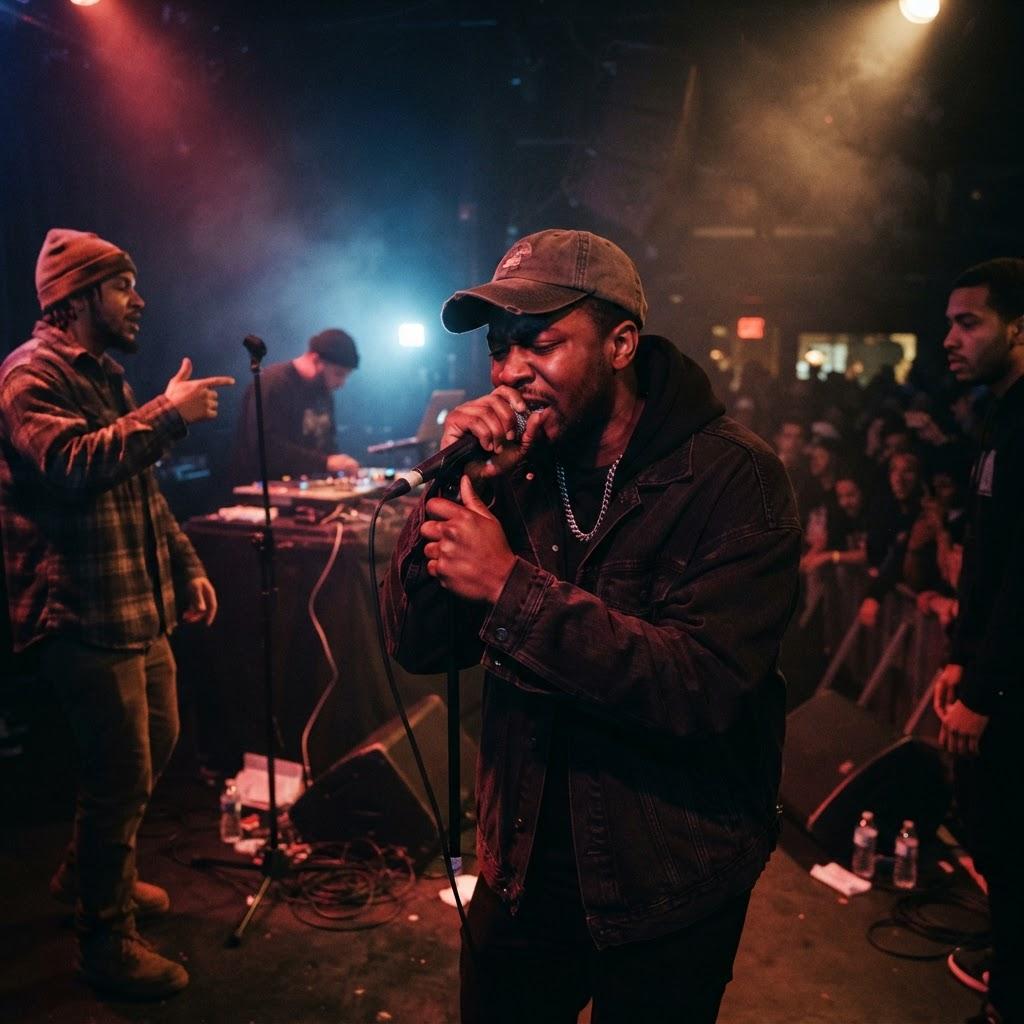
Drill is the ultimate traveler, moving from the windy streets of Chicago to the bustling boroughs of London and beyond with incredible speed. In the UK, it found a second home where it became intrinsically linked to the culture of the streets and the fashion of the youth. In Paris, French Drill took on a philosophical, slightly melancholic edge, blending the heavy bass with the rhythmic nuance of French rap. In Dublin, the scene is small but fiercely loyal, mixing the global sound with local Irish colloquialisms and a distinct, rainy-day atmosphere. Even in places like Australia and Italy, Drill has found a footing, proving that the sonic DNA of the genre—that sliding bass and the triplets—is a universal language. Each region has added its own local flavor, like a chef adapting a recipe based on what ingredients are available at the market. Some scenes lean into the aggressive, high-energy side, while others emphasize the atmospheric, moody aspects. The result is a global web of Drill, where a kid in a bedroom in Rome can produce a beat that would fit right in on a record from a producer in Brooklyn, all connected by the same dark, rhythmic thread.
The Modern Landscape
Today, Drill is less of a 'new' thing and more of a permanent fixture in the musical firmament. It has moved from the fringes to the center of gravity, with elements of the sound showing up in everything from top-tier pop production to the background music of your favorite social media trends. On platforms like TikTok, the genre has found a new life, with snippets of Drill beats providing the perfect backdrop for everything from dance challenges to cinematic edits. It has reached a state of maturity where it no longer needs to prove its legitimacy; it just exists as a powerful tool in the producer’s kit. Artists are now experimenting with 'Drill-pop,' 'Country-Drill,' and a dozen other mashups that would have been unthinkable a decade ago. While some purists mourn the loss of the original, stripped-back intensity, the reality is that the genre is doing what all great music does: it is evolving. It is becoming more complex, more experimental, and more deeply embedded in the DNA of contemporary music. It is no longer just a scene; it is a fundamental way of making music that isn't going anywhere anytime soon.
How to Dive In
Ready to get your head rattled? Starting your Drill journey is like jumping into a freezing lake—it’s shocking at first, but once you’re in, you’ll never want to leave. Begin your education with Chief Keef’s 'Finally Rich' album; it is the holy text of the genre, an essential listen that explains exactly why we are here in the first place. Once you have absorbed the basics, head over to the UK and check out Pop Smoke’s 'Meet the Woo,' which perfectly bridges the gap between Chicago and the global scene. If you want to see how the genre is evolving right now, search for some of the latest compilations from the Brooklyn or London scenes—keep an ear out for the producers and their distinct ways of layering those sliding sub-bass lines. Don’t worry about trying to 'get' it all at once; Drill is about feeling, not studying. Just turn your speakers up, let that 808 hit you right in the chest, and pay attention to how the hi-hats dance around the snare. Once that triplets-rhythm hooks into your brain, there is no turning back. Go hit play, turn the volume up, and enjoy the ride.