1990s, Atlanta, Georgia
Trap
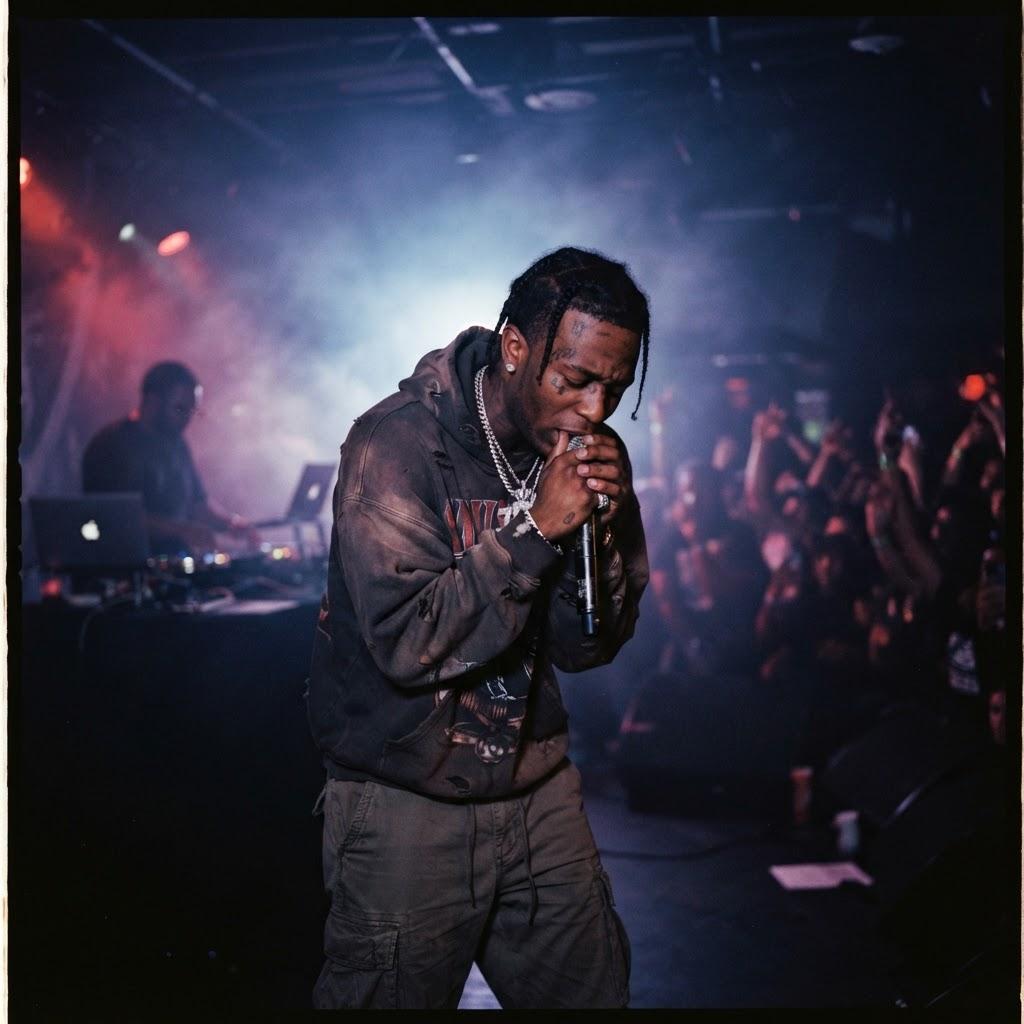
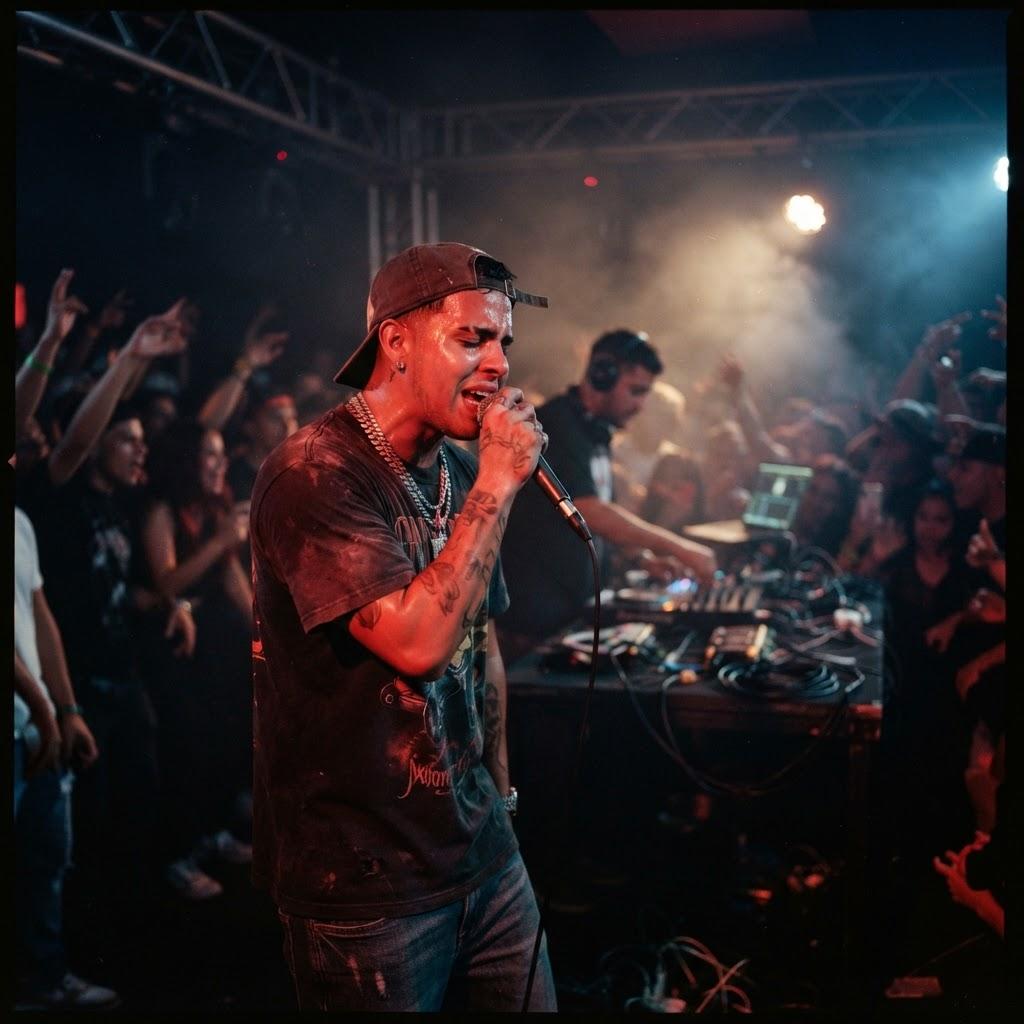
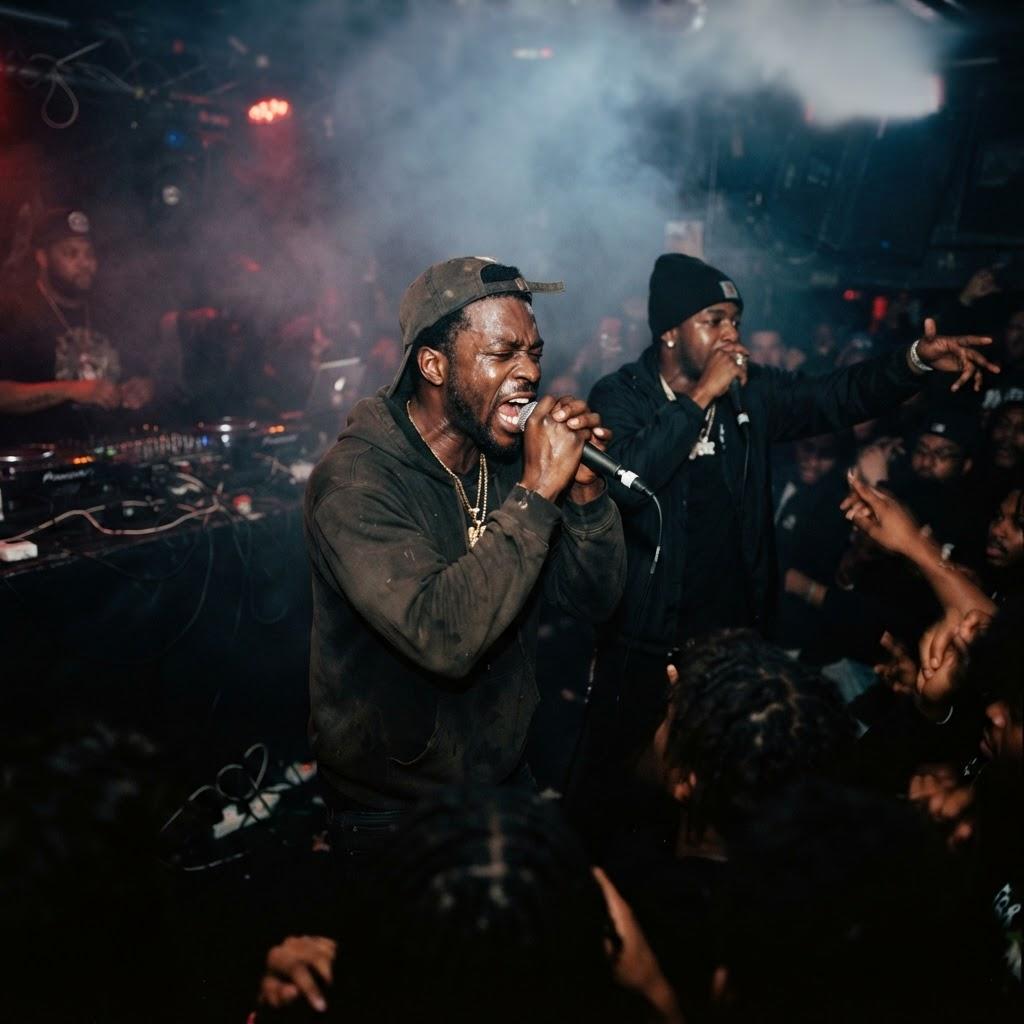
Trap is the loud, unapologetic heartbeat of modern music that turns every room into a high-stakes arena. It is aggressive, infectious, and refuses to apologize for its own massive, rattling bass.
Meet the Genre
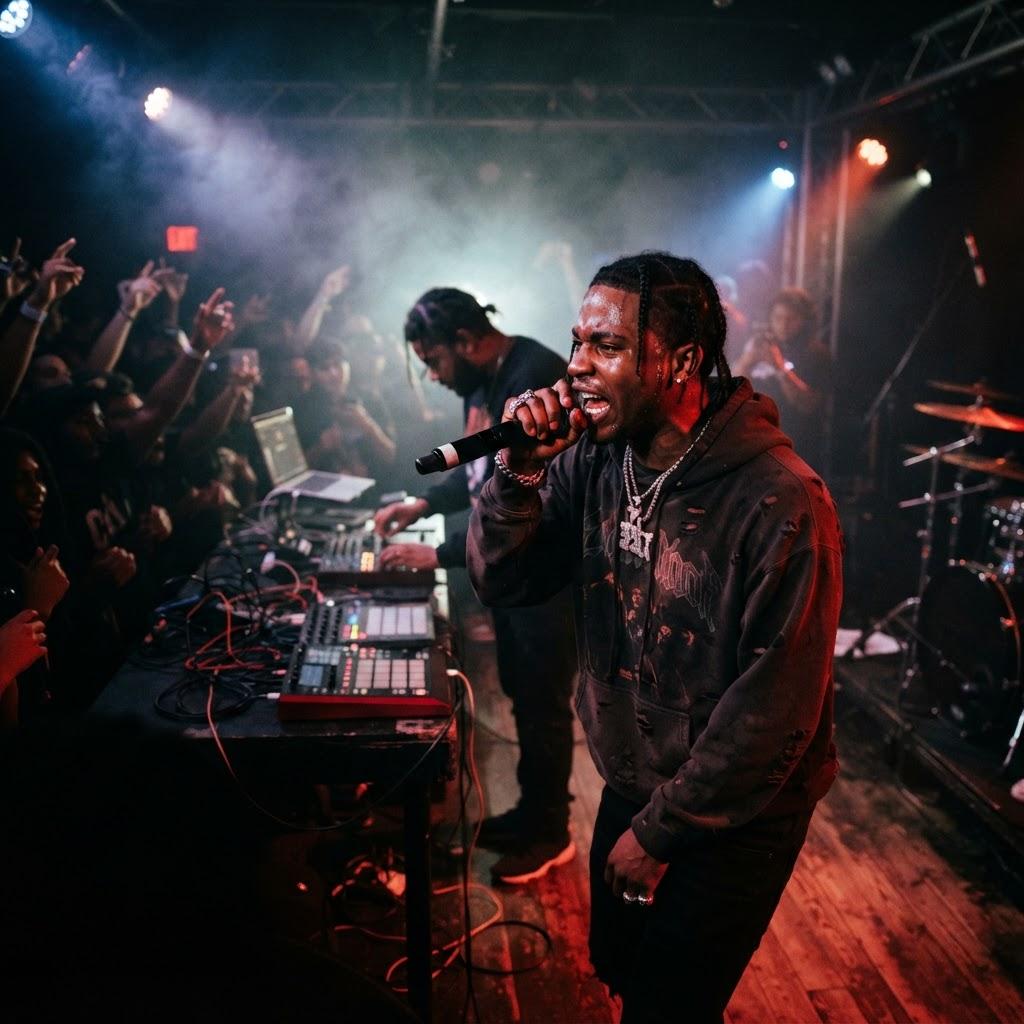
Trap is not just a genre; it is a sonic adrenaline shot directly to the chest. Imagine walking into a room where the air feels heavy, the floor is vibrating like it is about to disintegrate, and every sound is calibrated to demand your absolute attention. That is the Trap experience. It arrives with a swagger that says it owns the sidewalk, the club, and your entire playlist. If music had a street-smart cousin who spent too much time in a basement studio building empires out of digital scraps and sheer willpower, that would be Trap. It is moody, it is menacing, and it is weirdly addictive. From the first hit of a rapid-fire high-hat to the final shudder of a bottom-heavy bassline, Trap creates a unique emotional fingerprint that bridges the gap between raw, unfiltered street storytelling and the kind of cinematic atmosphere you expect from a blockbuster movie. It is the sound of the hustle, refined and weaponized for maximum impact.
The Sound & Signature Elements
Let us talk shop about the secret sauce that makes Trap sound so unmistakably like, well, Trap. At the center of this musical galaxy sits the Roland TR-808, a vintage drum machine that has become the genre’s most essential tool. Think of the 808 not just as a drum, but as a tectonic shift; it produces a 'sub-bass' that is so low, you do not just hear it—you feel it vibrate in your ribs and rattle the mirrors on your car. Then there are the hi-hats. In most music, hi-hats are like the polite tapping of a foot, but in Trap, they are like an angry insect buzzing at triple speed. Producers chop these hi-hats into erratic, rapid-fire triplets, which act like the frantic heartbeat of the track. Add in cold, metallic synthesizers that sound like something out of a futuristic noir film and heavy doses of Auto-Tune—the software that corrects vocal pitch—and you have the recipe. It is music built on repetition and rhythmic tension, designed to create a trance-like state that keeps you nodding your head until your neck hurts.
Origins & Birth of the Sound
Trap was born in the humid, high-stakes corners of Atlanta, Georgia, during the early 1990s. The 'trap' itself was local slang for a house where illegal business went down—a place of danger, ambition, and constant watchfulness. The music that crawled out of these neighborhoods was never meant for radio; it was meant to soundtrack the reality of that life. Producers and rappers were working with minimal gear, often just a computer and a cheap keyboard, turning their limitations into a massive aesthetic. It was not about polished pop production; it was about capturing a mood that felt dangerous and authentic. The music reflected the geography: the heavy, humid heat of the South translated into slow, suffocating tempos that suddenly exploded into frenetic energy. It was the sound of a generation that saw the world differently, deciding that if the system would not give them a seat at the table, they would build a brand-new stadium out of 808s and bass-boosted speakers.
The Pioneers & Legends
No one builds a revolution alone, and Trap had a group of visionaries who turned a regional sub-genre into a global powerhouse. You have to start with T.I., whose album 'Trap Muzik' basically put the terminology and the lifestyle on the map for the rest of the world. Then there is Gucci Mane, the undisputed patron saint of the genre. Gucci was like an independent assembly line, dropping mixtapes at a pace that seemed physically impossible and defining the relentless work ethic of the scene. Jeezy brought an intensity and a cinematic scale that made Trap feel like epic poetry. And we cannot overlook the producers who acted as the architects of this sound. People like Zaytoven, whose church-organ-infused production added a weird, gospel-like grandeur to the gritty beats, and Lex Luger, who turned the drum patterns into a weaponized symphony. These figures were the ones who took a local, misunderstood sound and turned it into the most dominant musical language on the planet, creating a blueprint that every artist since has had to navigate.
Defining Tracks & Era-Defining Moments
If you want to understand the history of Trap, you need to listen to the moments where the ceiling cracked. T.I.'s '24s' served as the initial transmission, proving that Southern rap could dominate the national consciousness. Then came 'Icy' by Gucci Mane, a track that felt like a direct declaration of war against the status quo of the industry. The game changed forever with Lex Luger’s production on Waka Flocka Flame’s 'Hard in da Paint,' a song so aggressive and loud it felt like it was physically pushing the listener out of the room. This track essentially codified the modern Trap aesthetic—the massive, distorted brass hits and the relentless pace. Later, Migos arrived with 'Versace,' a track that introduced the 'triplet flow'—a rapid, three-note cadence that would go on to infect almost every song on the Billboard charts for the next five years. These were not just songs; they were seismic shifts that forced the rest of the music industry to play catch-up or get left behind.
Subgenres & Offshoots
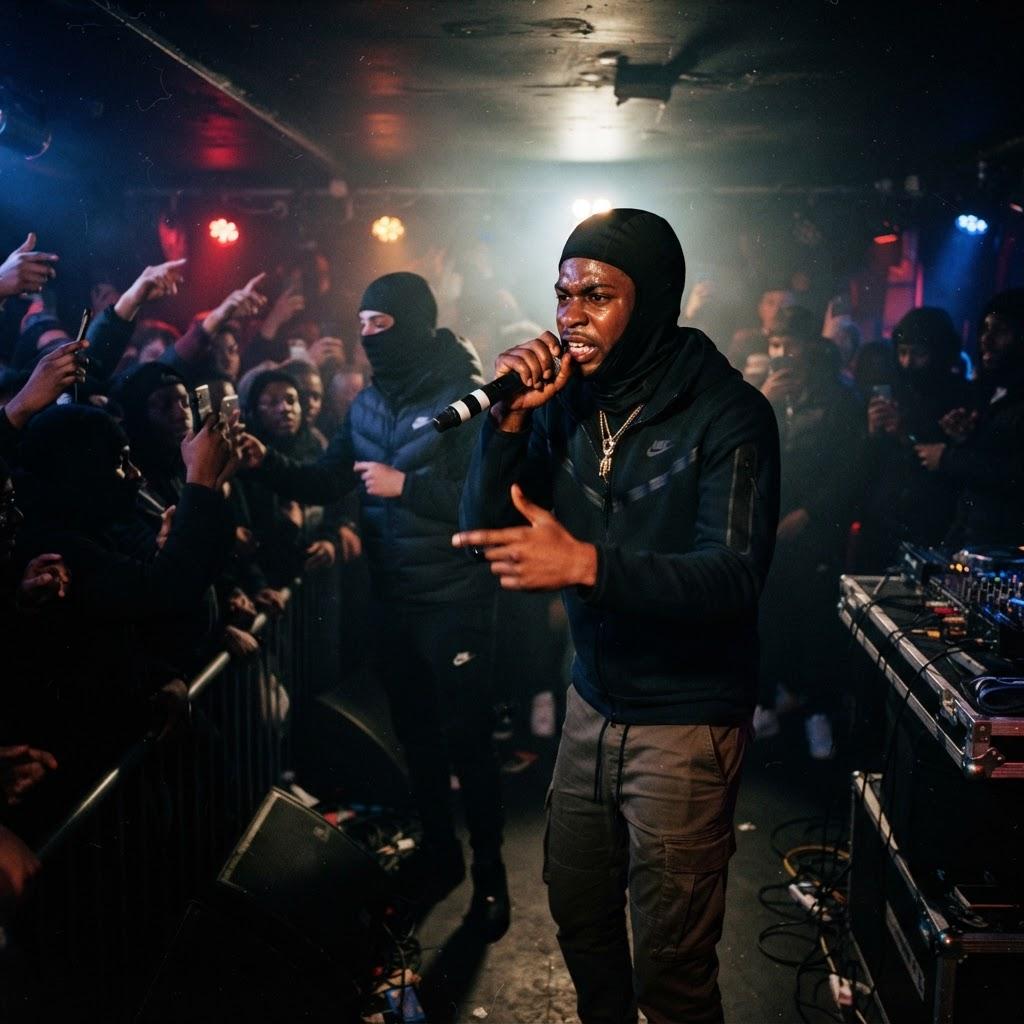
Trap is a hungry ghost that eats everything it touches. Once it became successful, it started fracturing into weird, wonderful offshoots. You have 'Drill,' which emerged from the grim, grey streets of Chicago, focusing on even darker themes and a more sparse, menacing production style. Then it crossed the pond to the UK, where it morphed into UK Drill, blending the heavy bass with the rhythmic sensibilities of grime and garage music. There is also 'EDM Trap,' which took the high-hats and the 808s, stripped away the lyrics, and turned the tempo up to suit the festival main-stage crowd. Some artists even started experimenting with 'Emo Trap,' which stripped away the braggadocio and replaced it with haunting, melancholic melodies and lyrics about depression and isolation, proving that the 808s were just as good at breaking hearts as they were at breaking sound systems. It is a family tree that keeps growing branches in directions nobody could have predicted when the first beat was recorded in an Atlanta apartment.
Cultural Impact & Influence
To say Trap is just music is a massive understatement—it is the operating system for current pop culture. You see its fingerprints in high fashion, where the boundary between streetwear and luxury design has essentially evaporated because of the aesthetic established by Trap icons. Language, too, has been permanently altered; the slang, the cadences, and the very way people posture on social media platforms like TikTok are directly pulled from the Trap playbook. Even in cinema and advertisement, the use of heavy, sub-bass-saturated soundtracks to signify 'cool' or 'tension' is almost exclusively borrowed from Trap production techniques. It has turned every kid with a laptop into a potential hitmaker, democratizing the creation of music in a way that punk rock tried and failed to do. From the way politicians try to use 'relatable' slang to the way pop stars now beg for Trap-influenced producers to save their sinking careers, it is impossible to exist in the modern world without bumping into the influence of this genre.
Controversies & Drama
Where there is success, there is drama, and Trap has had enough to fuel a thousand reality TV shows. There have been endless wars over who 'invented' the flow, with artists constantly accusing each other of jacking their signature triplets or rhythmic patterns. Purists from the old school of hip-hop have spent decades complaining that Trap is 'lazy' because it relies on software, ignoring the immense technical skill required to craft a soundscape that hits that hard without muddying the mix. Then you have the 'industry plant' accusations, where fans argue over whether a new artist is actually from the streets or just a corporate creation wearing the aesthetic like a costume. And of course, the legal system has frequently targeted the genre, using lyrics as evidence in court cases in a way that feels like a targeted attack on the culture itself. It is a messy, complicated, and often hilarious spectacle, but that friction is part of why the music feels so urgent and alive.
Global Spread & Regional Scenes
Trap is a global virus in the best way possible. It left the South and colonized the world, adapting its DNA to fit every local climate it landed in. In London, the scene took the 808s and mixed them with the dark, moody energy of local housing estates, creating a sound that feels distinctly British. In Korea and Japan, the scene has become a massive, hyper-polished fusion of anime aesthetics, high-end fashion, and virtuosic production that pushes the sound to its digital limits. Even in countries where the language is entirely different, the rhythmic language of Trap—the hi-hats, the kicks, the pauses—remains identical. It is a universal tongue. Whether you are in a club in Paris or a basement in Moscow, if you hear that specific, stuttering rattle of the hi-hat, you know exactly what is coming next. It has become the 'lingua franca' of the youth, a shared musical shorthand that connects kids across oceans who have never met but understand exactly what that 808 is trying to say.
The Modern Landscape
Today, Trap is the landlord of the music industry. It is no longer just a 'rap' sub-genre; it is the fundamental architecture of modern pop, country, and even rock music. If you turn on the radio, there is a 90% chance you are hearing a song that was built on a Trap foundation, even if the artist is singing about their tractor or their boyfriend. It has reached a point of saturation where the sound is everywhere, which has led to a fascinating 'post-trap' era where producers are starting to pull the sound apart, adding weird, glitchy textures or blending it with experimental electronic music to see what happens. TikTok has become the new laboratory for this, where short, 15-second loops of intense Trap energy can launch a career overnight. The genre is currently in a state of high-speed evolution, constantly trying to outrun its own popularity by getting weirder, louder, and more inventive. It is a vibrant, chaotic, and incredibly healthy ecosystem that shows no sign of slowing down.
How to Dive In
Ready to stop listening from the sidelines? Welcome to the club. To get the full experience, you need to start with the foundational texts: T.I.’s 'Trap Muzik' for the history, Waka Flocka Flame’s 'Flockaveli' for the sheer, unadulterated adrenaline, and Future’s 'DS2' for the modern, moodier evolution of the sound. If you want a masterclass in modern production, check out Metro Boomin’s 'Not All Heroes Wear Capes.' For the newer, more experimental side of things, look into the discographies of artists like Playboi Carti, who are constantly bending the genre until it snaps. Do not try to analyze it too much at first; Trap is meant to be felt in your chest, not dissected with a spreadsheet. Turn your speakers up until you can feel the bass rattling your sternum, ignore the neighbors, and just let the rhythm take over. It is a wild, loud, and entirely necessary ride that will make your old music collection look a little sleepy by comparison. Now, hit play and let the world rattle.