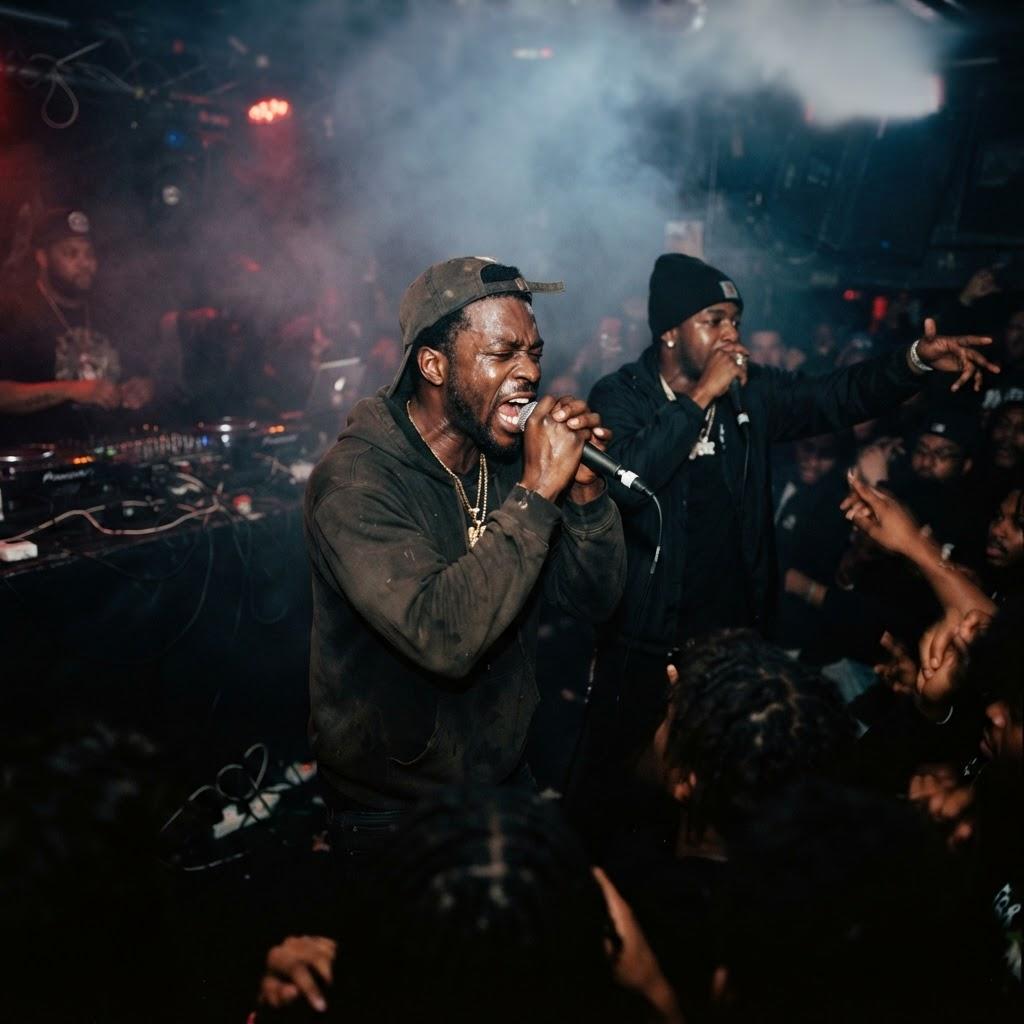
Late 1980s to early 1990s
Memphis Rap
Memphis Rap is the gritty, lo-fi, bass-heavy heartbeat of the South that paved the way for modern trap music. It is a world of haunted melodies, hypnotic chants, and a DIY spirit that turned bedroom studio tapes into a legendary musical movement.
Meet the Genre
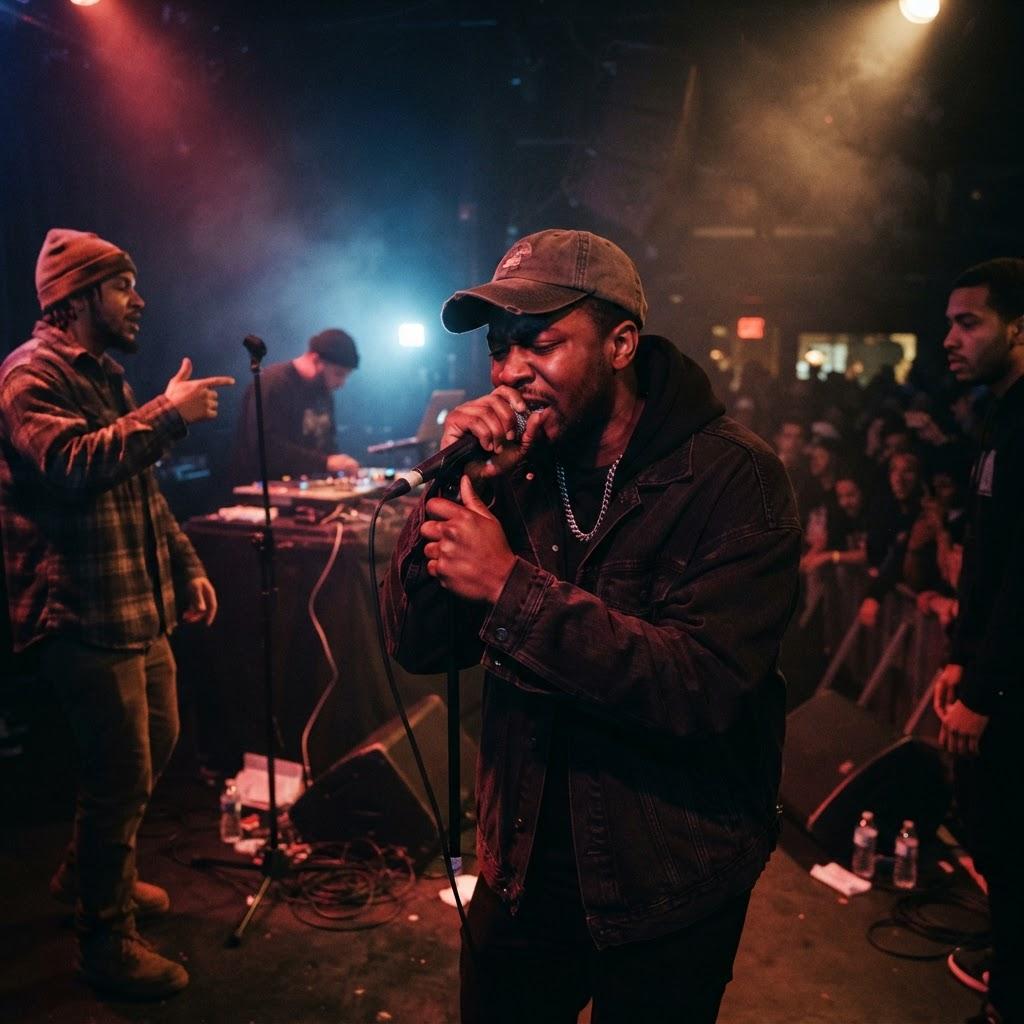
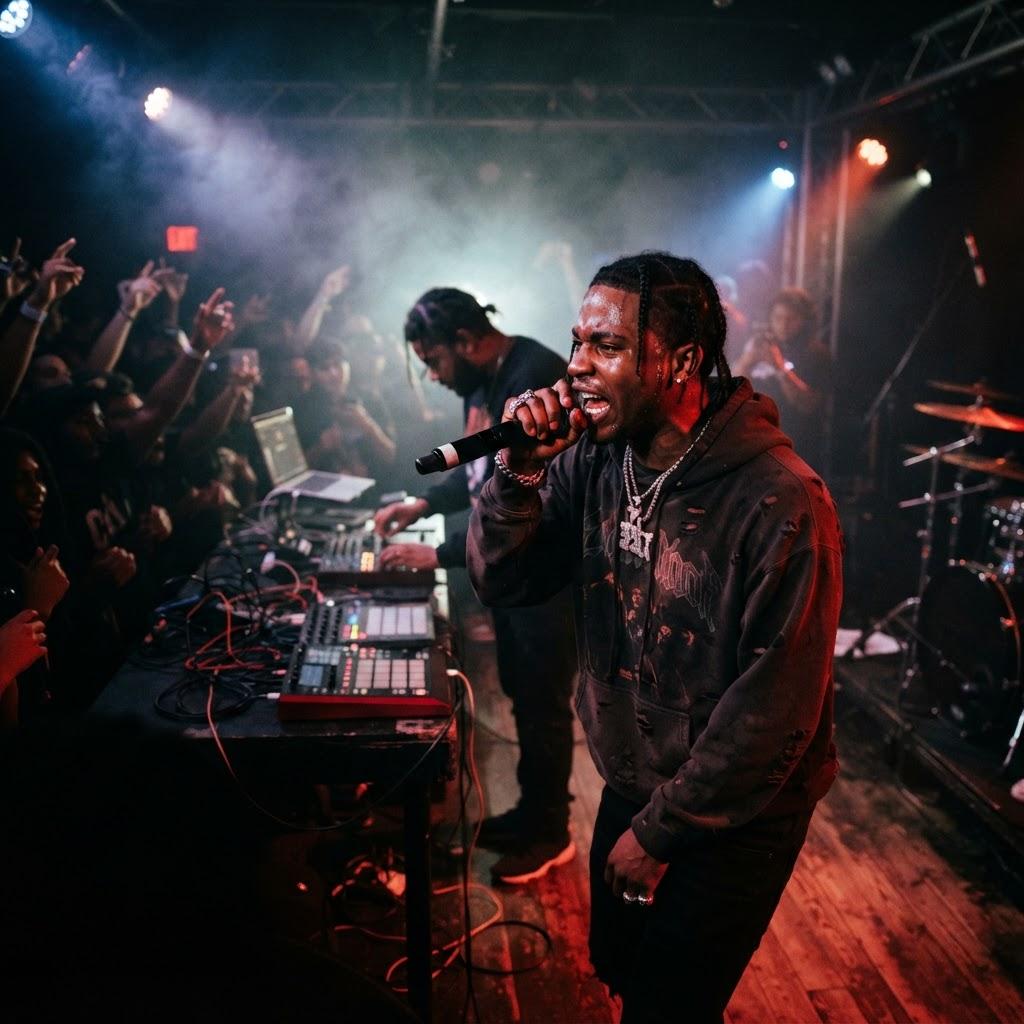
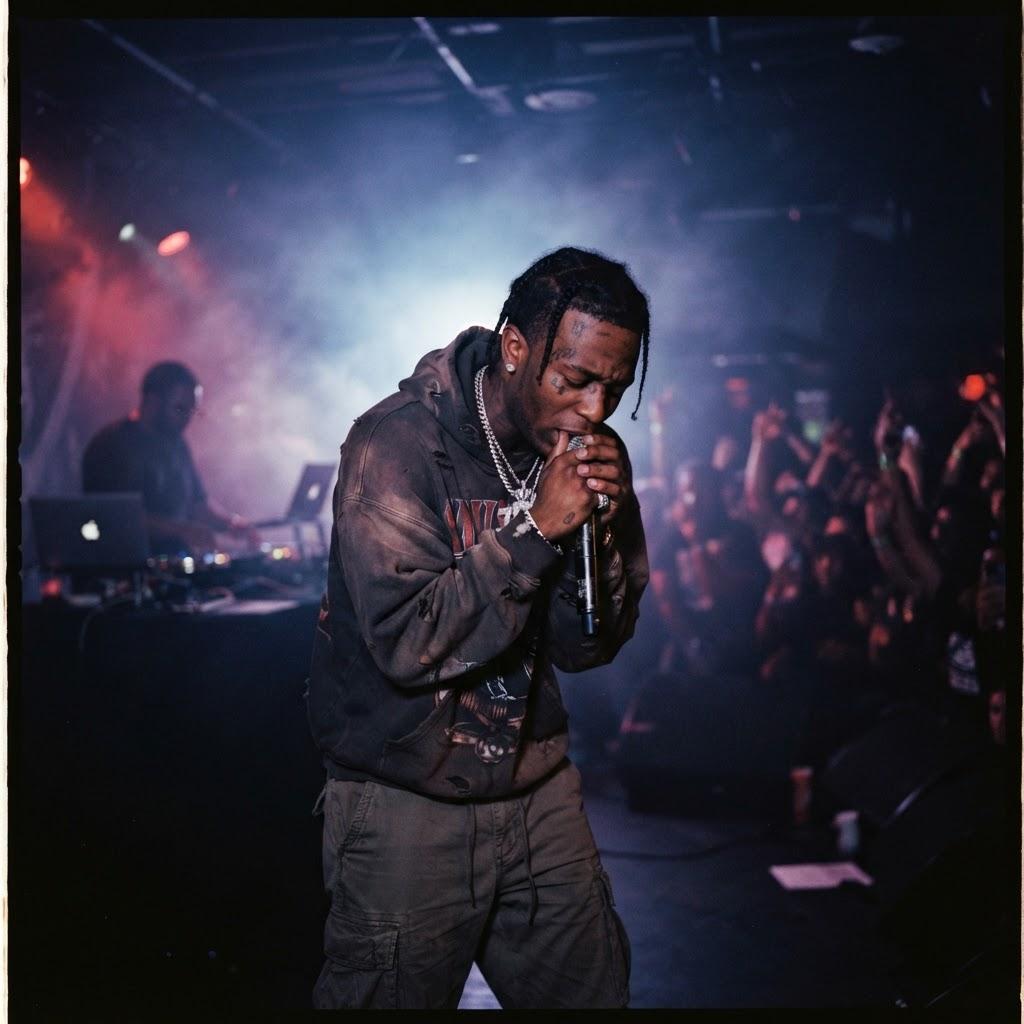
Imagine walking through a humid, midnight fog in a neon-lit alleyway where the bass is rattling the teeth right out of your head. That is the feeling of Memphis Rap. It isn't interested in being polite, polished, or radio-friendly; it is the sonic equivalent of a horror movie directed by a street-smart DJ who just discovered the magic of a double-cassette deck. Memphis Rap is the darker, grimier cousin to the flashy hip-hop coming out of the coasts during the nineties. It carries a heavy atmosphere, draped in intentionally grainy, lo-fi textures that sound like they were recorded inside a bunker during a thunderstorm. This genre doesn't just want you to listen to it; it wants to possess your speakers and drag them into the underworld of Memphis, Tennessee. The vibe is tense, occult-adjacent, and unapologetically raw, functioning as a window into a world of basement-level creativity where the rules of music production were tossed out the window in favor of pure, visceral energy. If music were a mood ring, Memphis Rap would be a flickering, deep shade of obsidian, pulsating with a rhythmic menace that feels like it could swallow you whole.
The Sound & Signature Elements
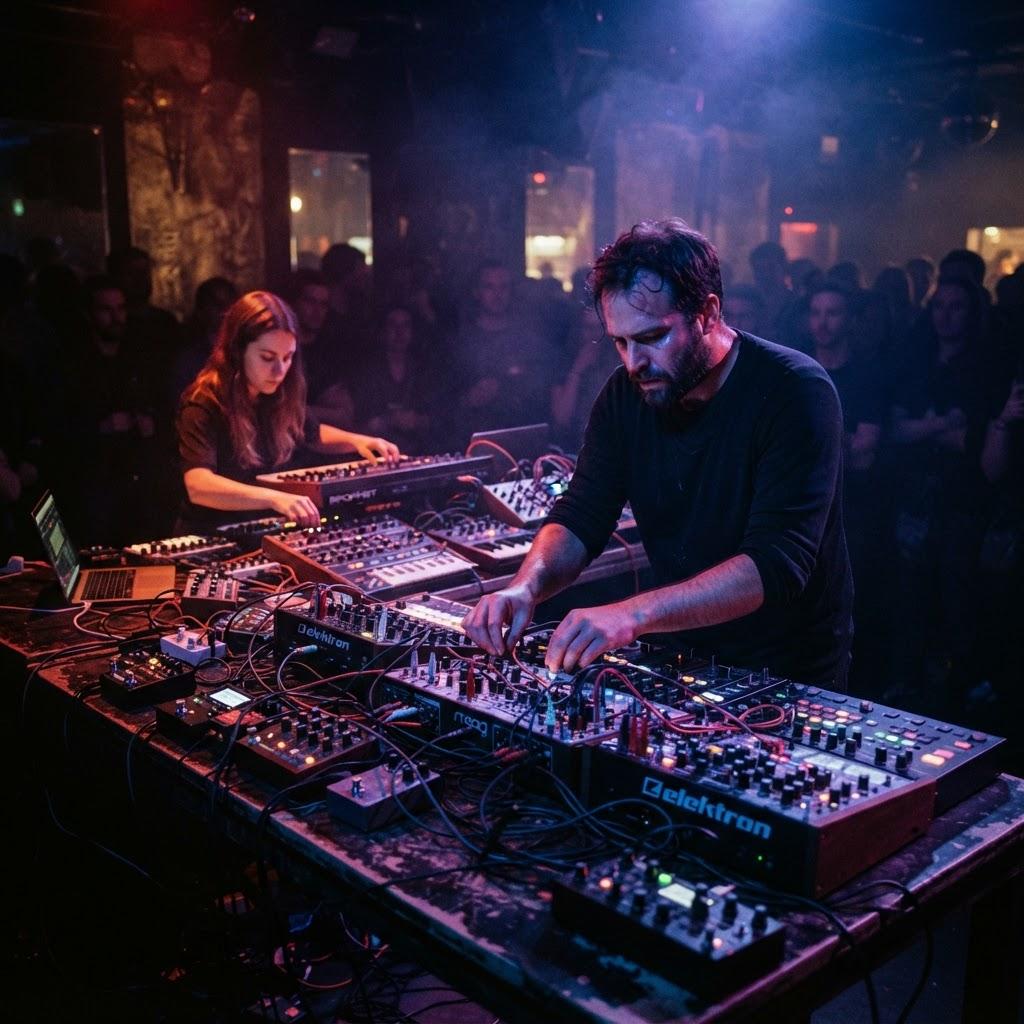
To understand the sound of Memphis Rap, you have to appreciate the art of the 'hiss.' Because these artists were recording on cheap four-track tape recorders, their music has this warm, analog static that gives it a ghostly quality—think of a haunted house but with a really slamming bassline. At the center of this hurricane is the Roland TR-808, a drum machine that creates those long, booming sub-bass notes that make your chest cavity vibrate like a hummingbird in a jet engine. The rhythm isn't your standard boom-bap; it is frantic, often pushing higher tempos than the average hip-hop track, featuring rapid-fire hi-hats that sound like a rattlesnake having a nervous breakdown. The vocal style is just as distinctive, often relying on 'chopped and screwed' techniques—slowing down audio to a sludgy crawl or chopping it into repeating, hypnotic loops—and group chants that feel like an incantation from a street-level choir. They use eerie, synthesized bells or minor-key flute samples that sound like something out of a low-budget slasher flick, creating a claustrophobic 'horrorcore' atmosphere that defines the genre's DNA. It is a masterpiece of making the absolute most out of the absolute least, turning budget constraints into a legendary sonic signature.
Origins & Birth of the Sound
Memphis in the late eighties and early nineties was a boiling pot of ingenuity fueled by necessity. While Los Angeles and New York had million-dollar studios and major label budgets, the artists in Memphis were operating out of cramped bedrooms and smoke-filled garages. They didn't have access to professional engineers, so they became the engineers, producers, and rappers all at once. Armed with little more than a cheap keyboard, a microphone taped to a broom handle, and a stack of blank cassette tapes, these pioneers started crafting a sound that reflected their reality: gritty, desperate, and incredibly inventive. The birth of Memphis Rap wasn't a corporate marketing scheme; it was a grassroots explosion. Young kids were mixing local gospel influences with the booming, synthesized beats leaking out of radio stations, creating a unique regional alchemy. They would sell these dubbed tapes out of the trunks of their cars or at local record shops, spreading their sound hand-to-hand like a secret society. It was the original DIY movement, proving that you didn't need a golden ticket from a record executive to build a legend—you just needed a vision, a beat that rattled the trunk, and a community ready to listen to the truth coming from the streets.
The Pioneers & Legends
You cannot talk about the Mount Rushmore of Memphis Rap without tipping your hat to DJ Squeeky and Tommy Wright III, the architects of the sound who turned basement recording into an art form. Then there is Three 6 Mafia, the group that took that raw, underground energy and dragged it kicking and screaming into the mainstream, eventually snagging an Oscar—a sentence that would have sounded like total madness to anyone listening to their early, terrifyingly dark mixtapes. DJ Paul and Juicy J were the ultimate sonic mad scientists, layering dissonant synths over earth-shattering 808s in a way that had never been done before. We also have to mention Gangsta Pat, who brought a level of technical flow that raised the bar for every rapper in the city, and Kingpin Skinny Pimp, whose raspy delivery became a blueprint for what a Memphis 'voice' should sound like. These weren't just musicians; they were local heroes who turned the struggles and triumphs of their neighborhoods into a living, breathing mythology. They didn't aim for the pop charts; they aimed for the hearts and souls of the people around them, creating a cult of personality so strong that their legacy remains the North Star for modern rappers across the entire globe.
Defining Tracks & Era-Defining Moments
If you want to understand the impact of Memphis Rap, you have to listen to the tracks that cracked the pavement. Three 6 Mafia’s 'Tear Da Club Up' is the gold standard, a riot-inducing anthem that captures the raw, kinetic energy of a Memphis house party about to spill over into the streets. Then there is Tommy Wright III’s 'Meet Your Maker,' which is essentially a masterclass in how to build a tense, terrifying beat using little more than a whisper of a synth and a drum loop that hits like a sledgehammer. These tracks weren't just hits; they were cultural reset buttons. The moment these songs blasted out of a passing car, the world changed a little bit. Another massive moment was the release of early mixtapes like 'Smoked Out, Loced Out,' which effectively spread the Memphis aesthetic to every corner of the country. These aren't polished studio recordings; they are snapshots of raw, unfiltered emotion, capturing a specific time, place, and feeling that can never be replicated. Each track serves as a waypoint in a journey from an underground, regional secret to a dominant force in music history, proving that honesty and intensity will always find their audience, no matter how low the production quality might be.
Subgenres & Offshoots
Memphis Rap isn't just one monolith; it is a sprawling family tree of bizarre and beautiful experiments. Take 'Phonk,' for example—a genre that takes those classic Memphis samples, adds a dash of jazz or funk, and wraps it in a lo-fi filter that makes it feel like you are listening to a record from a dream. It has become a massive internet phenomenon, proving that the Memphis blueprint is infinitely adaptable. Then you have the 'Horrorcore' side, which leans heavily into the dark, occult-themed aesthetics, focusing on cinematic gore and theatrical darkness. There is also the 'Crunk' evolution, which took the high-energy chants and repetitive hooks of Memphis and turned them into a stadium-filling, dance-focused monster that dominated the early 2000s. These subgenres show that Memphis didn't just create one sound; they created a linguistic structure for music that others have been adding vocabulary to for decades. Whether it is the dreamy, ethereal textures of modern Cloud Rap or the aggressive, bass-boosted punch of Trap, every single one of these offshoots owes a debt to the original pioneers who figured out how to make a beat move a room without a single dollar of corporate backing.
Cultural Impact & Influence
The influence of Memphis Rap is so deep that it has essentially become the floorboards of modern music. If you listen to a chart-topping trap song today, you are listening to the ghost of Memphis. From the rapid-fire hi-hats that have become standard in almost every major pop track to the use of vocal ad-libs that act as a second percussion layer, the fingerprints of Tennessee are everywhere. Beyond the music, the aesthetic impact has been massive, influencing everything from streetwear fashion—think baggy gear, dark aesthetics, and a 'too cool to care' attitude—to the way that rappers present themselves on social media. The 'do it yourself' ethic of the Memphis pioneers became the template for the entire independent music scene; they taught everyone that you don't need a major label, just a microphone and a vision. The genre also shifted the way we talk about music, introducing a slang and a rhythmic cadence that permeated hip-hop culture globally. Even in film, the gritty, dark atmosphere of Memphis Rap has provided the soundtrack for countless stories of urban struggle and triumph. It turned a regional identity into a global brand, proving that you can start in a basement in the South and end up changing the way the entire world dances.
Controversies & Drama
Where there is intense passion, there is usually a little bit of fire, and Memphis Rap has seen its fair share of sparks. For years, the genre lived in a perpetual state of 'purist' warfare. Old-school fans would argue that once the sound got cleaned up for the masses, it lost the soul that made it special. There were the classic record store beefs, where local legends would trade barbs over who 'invented' a certain style of drum roll or who had the first dark synth line. Then there were the 'sellout' accusations that followed any group that touched a mainstream radio station. It wasn't just about music; it was about loyalty to the streets and the specific, muddy sound of the original tapes. The drama was often petty, loud, and incredibly entertaining, serving as the soap opera that kept the scene alive and buzzing. Critics would call the sound too simple or too repetitive, not realizing that the repetition was the whole point—it was meant to be hypnotic, a trance-like experience that you couldn't get from polished pop. These fights and public fallouts only added to the mythology, turning the artists into larger-than-life characters in a never-ending saga of Southern pride and rivalry.
Global Spread & Regional Scenes
How does a sound born in small, humid basements in Tennessee end up being the soundtrack for teenagers in Tokyo and Berlin? The answer lies in the internet age. When the original Memphis tapes started being uploaded to the web, a whole new generation of kids across the globe discovered this 'hidden treasure' of dark, lo-fi beats. Suddenly, a bedroom producer in Europe was studying the techniques of DJ Paul and Juicy J, adding their own regional flavor to the mix. In cities like Moscow and London, sub-scenes emerged that were explicitly dedicated to the Memphis sound, remixing those old-school samples into something entirely new. It wasn't just copying; it was a conversation between different cultures who all found the same emotional resonance in that dusty, 808-heavy atmosphere. The regional scenes that popped up were fascinating hybrids—some kept the Southern drawl and the hood perspective, while others took the production style and applied it to their own local languages and struggles. This global spread proves that the 'Memphis vibe' is a universal language, one that speaks directly to the lonely, the loud, and the adventurous spirits who find beauty in the shadows.
The Modern Landscape
Today, Memphis Rap is not just a historical relic; it is an active, evolving ecosystem that is currently enjoying a massive revival. Thanks to platforms like TikTok, a whole new generation of music fans is rediscovering those gritty, mid-nineties mixtapes. You will hear those classic, haunting synth bells in tracks by modern superstars who weren't even born when the originals were pressed onto cassette. The genre has become a 'prestige' sound, a mark of authenticity that artists use to show they have done their homework. While the original pioneers continue to influence the game, new artists are pushing the envelope, blending that classic Memphis darkness with futuristic, hyper-pop-influenced melodies. It is a beautiful cycle where the past constantly informs the future. Even as the production tech gets better, artists are intentionally using 'crushing' filters and bit-rate limiters to recreate that signature, lo-fi, blown-out sound. The pulse of the genre is faster and stronger than it has ever been, proving that you cannot kill a sound that is as deeply rooted in the culture as this one is. It is no longer just a scene in Tennessee; it is a permanent fixture in the global music DNA.
How to Dive In
Ready to get your speakers shaking? Start your journey by diving headfirst into the 'Smoked Out, Loced Out' compilation by Three 6 Mafia—it is the quintessential textbook for everything we have discussed. From there, hunt down the raw, unrelenting grit of Tommy Wright III’s 'Runnin-N-Gunnin.' If you want to hear how the sound morphs, check out the Phonk playlists that dominate modern streaming, specifically looking for tracks that sample those classic Memphis bells. Pay attention to the hi-hat patterns; notice how they dance around the beat rather than sitting right on it. Don't worry about understanding the lyrics immediately—the magic is in the atmosphere, the way the voice works as a percussive instrument, and the pure, unadulterated swagger of the delivery. Get yourself a decent pair of headphones so you can feel the sub-bass, turn the volume up until your neighbors start to get annoyed, and just lean into the darkness. There is no right way to listen; just let the ghost-in-the-machine production wash over you. Memphis Rap is a rabbit hole, and the further down you go, the more you will realize that this isn't just music—it is a whole world, and you have finally found the front door.