1980s, New York City, USA
Electro
Electro is the robotic, heart-thumping heartbeat of the dance floor, blending cold machine logic with pure human soul. It is the sound of the future as imagined by a 1980s visionary who just discovered a drum machine in a dusty basement.
Meet the Genre
Imagine walking into a room where a malfunctioning space-age robot is trying to teach a funk band how to play a rhythm that feels like a caffeinated heartbeat. That is Electro. It isn’t just music; it is a chrome-plated, laser-focused aesthetic that refuses to stop twitching. Electro is the cousin of Hip-Hop that spent way too much time hanging out in computer science labs and watching sci-fi movies on VHS. It’s got that cool, detached, metallic strut that makes you want to pop, lock, and look slightly mysterious in a dimly lit room. Unlike its warmer disco ancestors, Electro is proudly digital. It loves the crunch of a drum machine, the strange, buzzing voice of a vocoder, and the feeling that, at any moment, the synthesizers might achieve sentience and demand equal rights. It’s a genre that sounds like the neon-lit cityscape of a futuristic Tokyo or the gritty, spray-painted tunnels of the Bronx. When that first kick-drum hits, it doesn't just tap your foot; it reconfigures your internal wiring.
The Sound & Signature Elements
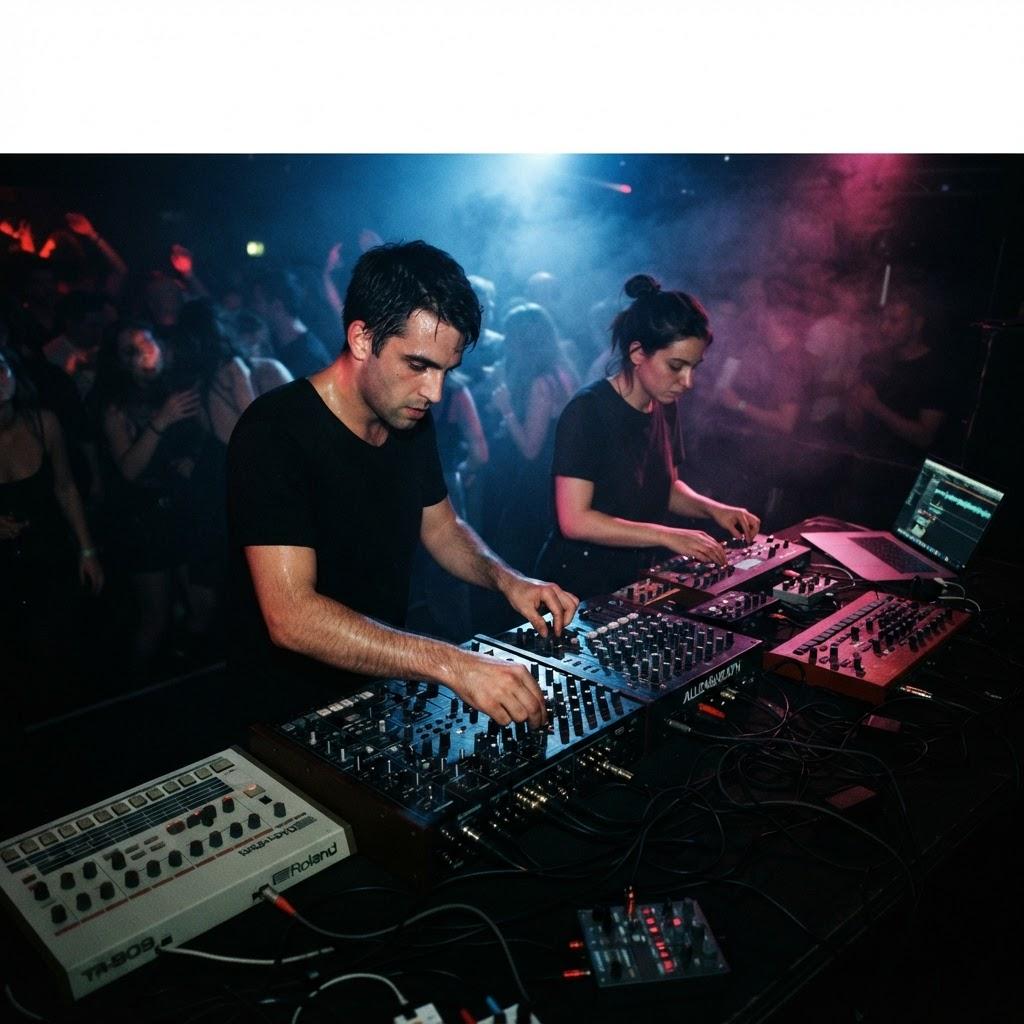
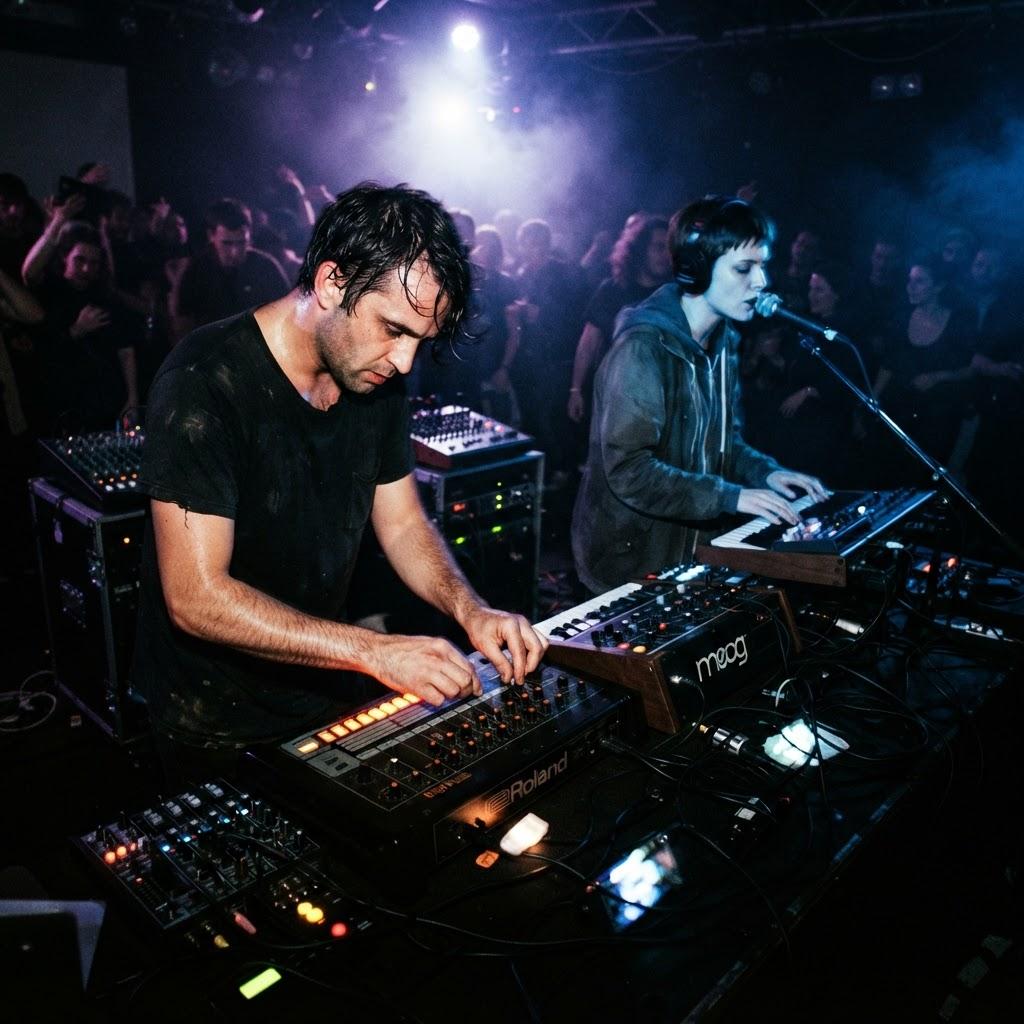
At the center of the Electro universe sits the Roland TR-808, a drum machine that changed history by accident. Back in the day, the folks at Roland were trying to make realistic drum sounds, but they missed the mark spectacularly. Instead of a 'snare,' they created a sharp, cracking 'pop' that sounds like a whip-crack across a concrete playground. Instead of a 'bass,' they gave us a sub-bass kick that vibrates your internal organs. Electro producers latched onto these quirky, artificial noises to create a distinct, robotic skeleton. Add in the vocoder—an instrument that makes your voice sound like you’ve been vacuumed through a keyboard—and you have the signature 'robot soul.' The tempos usually hover between 110 and 130 beats per minute, which is the perfect speed for a high-energy strut or a breakdancing competition. The song structures are often sparse, focusing on a repeating 'hook' or a jagged synth melody that worms its way into your brain. Think of it as musical architecture: clean lines, strong foundations, and absolutely no unnecessary fluff. It’s all about efficiency, tension, and the occasional explosion of synthesized static.
Origins & Birth of the Sound
If you want to find the birthplace of Electro, look no further than the collision between the futuristic, icy precision of German electronic pioneers Kraftwerk and the gritty, street-level urgency of New York City’s early Hip-Hop scene. In the early 1980s, kids were bored with the polished sound of radio disco and wanted something that hit harder. They took the smooth funk loops that DJs like Afrika Bambaataa were spinning at block parties and injected them with the cold, angular synthesizers they’d heard on European records. It was a beautiful act of musical rebellion. This wasn’t just music for the charts; it was music for the urban wilderness. Producers were working with shoestring budgets, stacking cheap synthesizers on top of one another to build these towering soundscapes of electronic funk. It was raw, it was experimental, and it was undeniably cool. The birth of Electro proved that you didn't need a massive studio or a conservatory degree—you just needed a drum machine, a dream, and a neighborhood block party that needed a soundtrack for the future.
The Pioneers & Legends
You cannot talk about Electro without bowing down to Afrika Bambaataa. His track 'Planet Rock' is the Big Bang of the genre, a song so pivotal that it basically laid the blueprints for how to make digital noise sound funky. He didn't just make a song; he created a new sonic language. Then there is Arthur Baker, the legendary producer behind the curtain, who knew exactly how to tweak an 808 to make it sound like a punch to the chest. We also have to mention the guys in the shadows like The Egyptian Lover, who brought a unique, West Coast personality to the genre, making the machines sound downright seductive. These pioneers weren't just musicians; they were sonic alchemists. They took the cold, sterile technology of the 1980s—stuff that was meant for boring office work or experimental academia—and repurposed it for the dance floor. They were the original 'hackers' of pop music, proving that if you turn the knobs far enough, you can find the soul inside the machine.
Defining Tracks & Era-Defining Moments
The history of Electro is marked by tracks that sound like they were sent from the year 3000. 'Planet Rock' is the obvious king here, with its Kraftwerk-inspired melodies woven into a tapestry of heavy-duty breakbeats. It is the song that made the entire music industry pause and realize that the future was synthetic. Another crucial pillar is Cybotron’s 'Clear,' a track so incredibly stripped-back and moody that it defined the 'Detroit Techno' branch of the family tree before that genre even had a name. It’s just icy synths and a rhythm that feels like walking through a deserted glass city at midnight. Then you have 'Al-Naafiysh (The Soul)' by Hashim, which brought an aggressive, urgent energy to the genre, proving that Electro could be as much about tension as it was about release. These tracks were moments of pure innovation where the boundaries of what was considered 'musical' were shattered. They were the turning points where the organic world finally conceded that the machines had something worth listening to.
Subgenres & Offshoots
Electro is a bit like a sprawling, chaotic family tree. Once the main sound caught on, it started mutating everywhere. You have 'Miami Bass,' which turned up the tempo and the bass intensity, creating a hyper-caffeinated, rump-shaking version of Electro that took over Florida’s car audio culture. Then there is 'Detroit Techno,' which took the icy, futuristic side of Electro and gave it a more repetitive, hypnotic edge, perfect for all-night raves in abandoned factories. We’ve also seen 'Electro-Funk,' which keeps the synth-heavy vibe but brings back the soulful vocal harmonies and guitar licks of classic funk bands. Even today, you have 'Glitch-Hop' and 'IDM' (Intelligent Dance Music) that treat the sound of a broken record or a stuttering processor as an instrument. Every offshoot is a new way of asking the same question: 'What can these machines actually do?' Whether it’s getting faster, weirder, or more aggressive, the family tree just keeps growing, usually into places that don't have enough outlets for all the gear.
Cultural Impact & Influence
Electro didn't just change the charts; it changed the very look of urban cool. It helped jump-start the global phenomenon of breakdancing, as those robotic, syncopated beats were practically designed for someone to spin on their head. The fashion followed suit—think metallic jackets, oversized sunglasses, and futuristic sportswear that looked like it belonged on a spaceship. Culturally, Electro was the sound of the digital revolution arriving in the neighborhoods. It taught a whole generation how to interact with technology, moving from the fear of 'evil computers' to the acceptance of digital tools as extensions of the human body. In movies, you can hear its DNA in everything from sci-fi soundtracks to the pulsating backdrops of neon-noir thrillers. It influenced how modern pop music is mixed, how rap vocals are processed, and even how we think about the 'future' in popular art. Electro made the concept of 'techno' feel accessible, human, and incredibly fun rather than something you only read about in a dusty engineering textbook.
Controversies & Drama
Of course, a genre this cool couldn't exist without a little bit of petty drama. The biggest war has always been between the 'purists' and the 'innovators.' The purists argue that Electro must be built on the bones of the original 808 machine and analog hardware, claiming that using modern laptops is a crime against humanity. Meanwhile, the innovators are over there having a great time, using software that can do in ten seconds what took three days of knob-twisting back in 1983. There were also the 'sellout' accusations, especially when the mainstream music industry tried to distill the raw edge of Electro into polished pop songs that lacked the grit. You’d have basement producers looking at big-budget radio tracks and fuming about how the 'soul' was being sanitized. It’s the classic tale of the underground rising up, getting famous, and then getting annoyed that it isn't 'exclusive' anymore. It’s petty, it’s dramatic, and frankly, it’s exactly the kind of noise that keeps a genre alive and kicking.
Global Spread & Regional Scenes
While New York and Detroit get the lion’s share of the credit, Electro became a true global nomad. In the United Kingdom, it collided with the burgeoning rave scene, turning into a darker, moodier cousin that thrived in rainy warehouses. In Germany, the love affair with Kraftwerk meant that Electro wasn't just a trend; it was a continuation of a national artistic legacy. Meanwhile, in Japan, artists were pushing the boundaries of what these Japanese-made synthesizers could do, creating incredibly precise and melodic interpretations of the sound. Each region brought its own spice to the mix. The Dutch scene, for instance, became obsessed with 'West Coast Electro,' a hyper-focused and often very technical take on the genre that still commands a massive, devoted following today. It’s fascinating to see how the same 808 drum beat translates when it’s dropped in a Tokyo high-rise versus a gritty basement in Sheffield. The language of machines is universal, but the accent is always local.
The Modern Landscape
Today, Electro is in a state of glorious, retro-futuristic flux. You have the 'New School' of producers who treat the classic 1980s machines like relics in a museum, sampling them and twisting them through modern digital effects to create something entirely alien. TikTok has introduced a whole new generation to the 'robot dance' vibe, with tracks going viral because they sound so fresh compared to the over-compressed, over-produced pop of the last decade. There is a genuine hunger for that 'human-in-the-machine' sound again. It’s not just about nostalgia; it’s about the fact that those 808 beats still hit harder than anything else on the radio. Whether it’s hidden in the background of a modern trap beat or headlining a specialized electronic festival, Electro is everywhere. It has moved from being a revolutionary newcomer to an established, classic foundation. It’s the seasoned veteran of the electronic music world—still wearing the same leather jacket, but with a few more tricks up its sleeve.
How to Dive In
If you are ready to get your robotic boogie on, start by going straight to the source. Pick up a copy of 'Planet Rock: The Album' by Afrika Bambaataa and the Soulsonic Force; it is the absolute bedrock of the entire experience. Follow that up with the 'Clear' EP by Cybotron to hear the darker, more mysterious side of the genre. If you want something that really shows off the 'funk' in Electro, dig into the compilations by labels like Electro-Funk or Street Sounds—these are goldmines of 1980s gems that will make your speakers scream. Once you have those down, look for the 'Electro Records' collections featuring tracks by The Egyptian Lover or DMX Krew. Don't worry about understanding the theory behind it; just turn the volume up, find the deepest bass setting on your speakers, and let the syncopation take over. It’s not meant to be analyzed in a lab; it’s meant to move your body. So, stop reading, find a good playlist, and get ready to join the robot revolution!