1960s-1970s, New York City
Salsa
Salsa is the spicy, high-octane heartbeat of the Caribbean that refuses to let your feet stay still. It is a sonic cocktail of grit, grace, and enough brass to blow the roof off any dance hall.
Meet the Genre
Imagine walking into a room where the air is thick with humidity, expensive perfume, and the sheer, unadulterated electricity of five hundred people moving in perfect unison. That is Salsa. It is not just music; it is a high-stakes emotional conversation conducted through footwork and brass. Salsa doesn't ask you to dance; it grabs you by the collar, hands you a drink, and tells you exactly where you need to be on the floor. It is the sound of a city street party where everyone is a professional, the sweat is honest, and the melody is sweet enough to break your heart before making you laugh again. Whether it is playing in a pristine concert hall or echoing off the brick walls of a cramped bodega, Salsa carries an attitude of defiant joy. It is sophisticated yet raw, complicated yet entirely intuitive. If you think you have two left feet, Salsa is the genre that will perform a surgical intervention on your inhibitions and turn you into a rhythmic beast before the first horn section even finishes their opening statement.
The Sound & Signature Elements
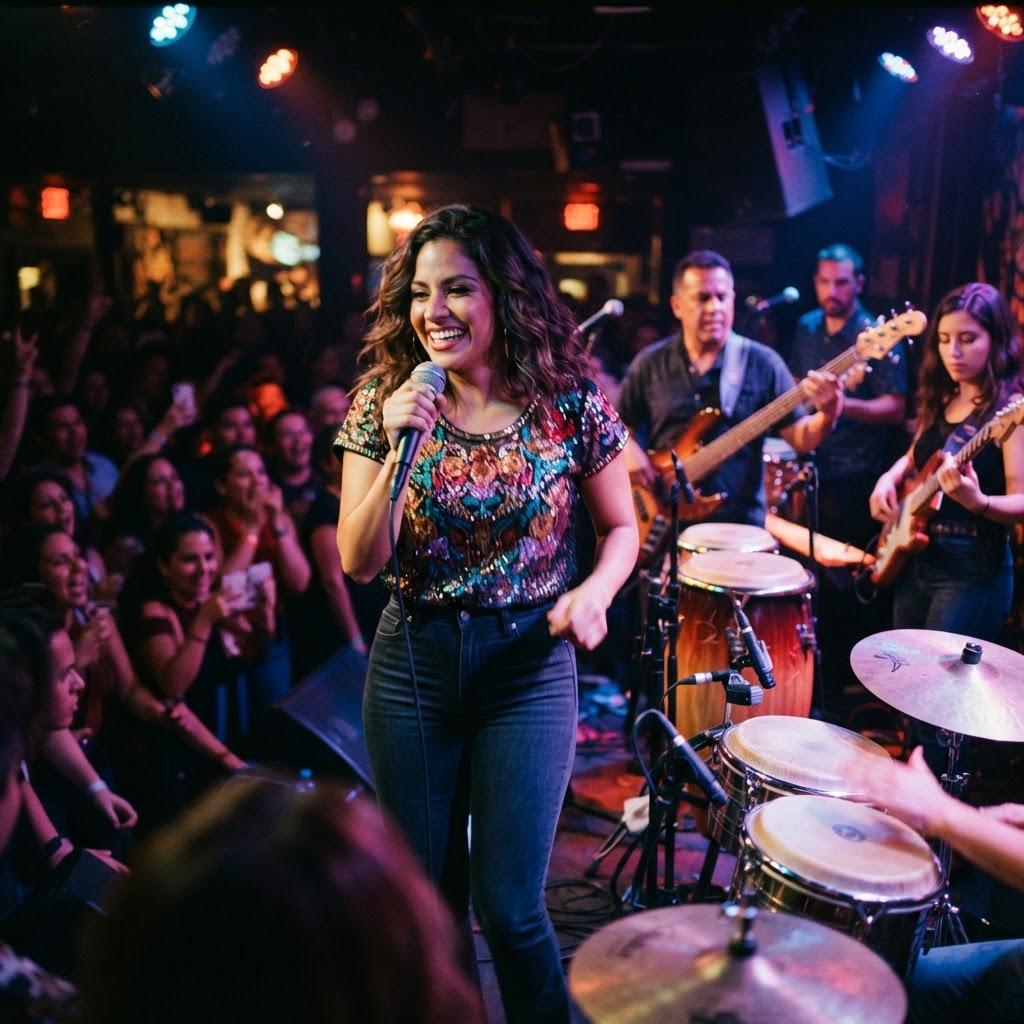
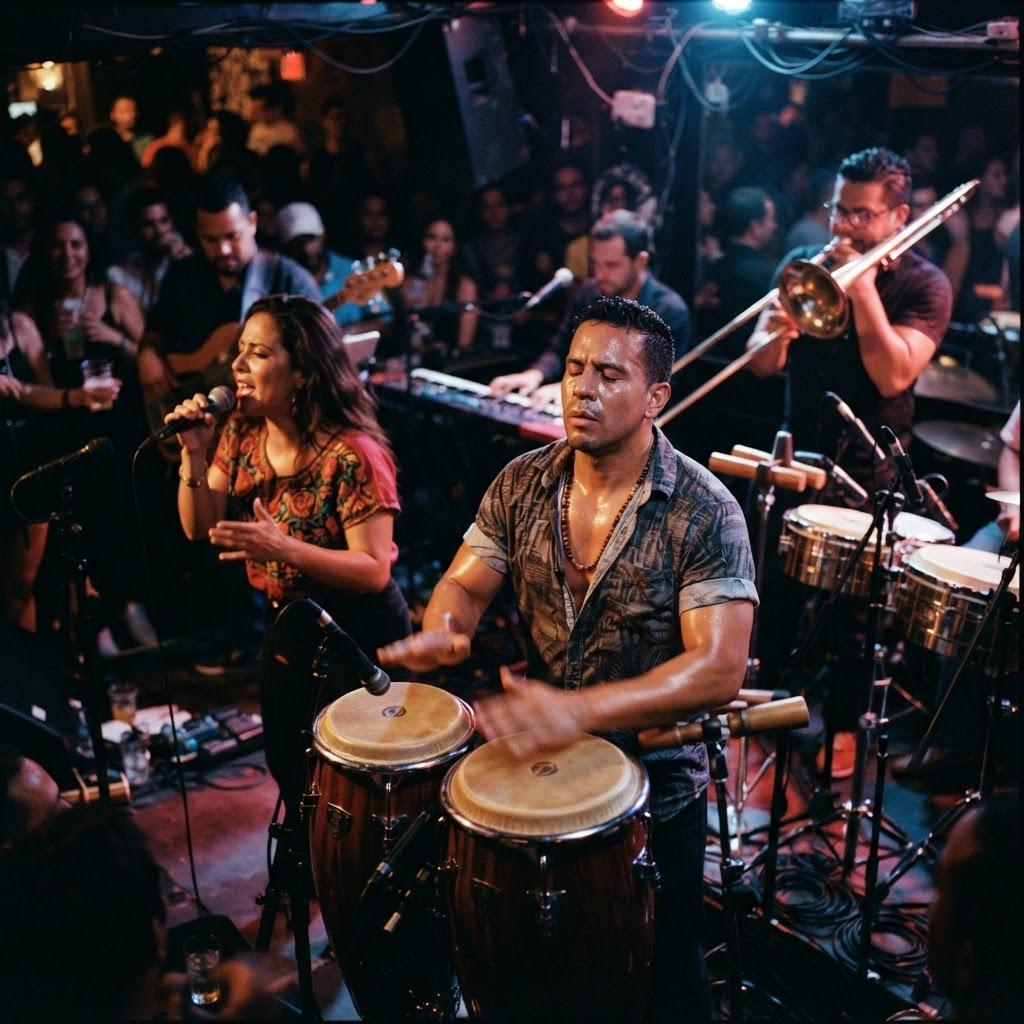
To understand Salsa, you first have to understand the 'clave.' Think of the clave like the invisible backbone of a human being; you don't always see it, but without it, the whole thing would just be a puddle on the floor. It is a simple, two-bar rhythmic pattern that acts as the pulse for every instrument. Once that heartbeat is established, the fun begins. The rhythm section is a chaotic-looking but perfectly orchestrated machine: you have the congas providing the deep, earthy thuds, the bongos adding high-pitched, playful chatter, and the timbales—those metallic drums—acting like the hype-man for the entire band. Then, the piano enters, playing what is called 'montuno,' which are repetitive, rhythmic piano patterns that keep the song moving forward like a relentless freight train. Finally, you have the brass—the trumpets and trombones—that swoop in to punctuate the drama like shouting matches in a crowded tavern. It is a wall of sound that feels surprisingly light on its feet because of the way these instruments weave around each other, never stepping on one another's toes.
Origins & Birth of the Sound
Salsa wasn't born in a sterile laboratory; it was forged in the melting pot of New York City in the late 1960s and early 70s. During this time, the city was a wild, creative pressure cooker. Puerto Rican, Cuban, and other Latin American migrants were living in the same cramped, beautiful neighborhoods, sharing their music over back fences and on fire escapes. You had the traditional sounds of Cuban Son and the sophisticated polish of big-band Mambo clashing with the gritty, urban reality of Bronx life. It was a beautiful collision of nostalgia and survival. Musicians started experimenting, taking the old-school rhythms they remembered from their parents' vinyl records and injecting them with the rebellious, amplified energy of New York's streets. It was the sound of a generation that belonged to two worlds and decided to stop choosing between them. They went to the Fania Records studios, threw out the rulebook, and decided to call this spicy new amalgamation 'Salsa,' a word that literally means sauce. It was the perfect name: bold, essential, and meant to add flavor to everything it touched.
The Pioneers & Legends
The legends of Salsa are more like deities with better fashion sense. First, you have Tito Puente, the 'King of the Timbales,' a man who treated his drum kit like a weapon of mass percussion and could make a cowbell sound like a symphony. Then there is Héctor Lavoe, the 'El Cantante,' whose voice had a tragic, beautiful weight that could make a stone wall weep. His life was the stuff of Shakespearean tragedy, but his delivery was pure gold. We cannot talk about Salsa without bowing at the altar of Celia Cruz, the 'Queen of Salsa.' When she shouted her signature '¡Azúcar!'—sugar—she wasn't just yelling; she was turning the electricity of the entire planet up to eleven. She commanded the stage with a presence that felt like a hurricane in a sequined gown. And let us not forget Willie Colón, the man with the trombone who turned the instrument into the grumpiest, most soulful lead singer in the band. These pioneers didn't just play music; they curated a lifestyle of swagger and undeniable technical mastery.
Defining Tracks & Era-Defining Moments
If you want to know the exact moment Salsa turned from a trend into a global phenomenon, look at the release of 'Quítate Tú' by the Fania All-Stars. It wasn't just a song; it was an Avengers-style assembly of the genre's biggest heavy hitters, all taking turns at the microphone, trying to outshine each other in a display of musical dominance. It was electric. Then there is the haunting brilliance of Héctor Lavoe’s 'El Cantante,' a track that serves as the unofficial anthem of the professional performer, capturing the exhaustion and the glory of being on stage when your personal life is falling apart. It is a masterpiece of storytelling. Another mandatory listen is 'La Vida Es Un Carnaval' by Celia Cruz, which functions as a universal mantra for resilience. These tracks mattered because they transformed Salsa from 'dance club background noise' into a serious, poetic art form that could express the entire range of the human experience—from the darkest, loneliest nights to the most ecstatic, sun-drenched mornings.
Subgenres & Offshoots
The family tree of Salsa is sprawling and prone to spontaneous mutation. On one side, you have 'Salsa Romántica,' which popped up in the 80s, trading the gritty, brass-heavy grit of the 70s for smooth, polished synthesizers and lyrics that would make a soap opera writer blush. It was made for slow, intimate dancing and became the soundtrack for a million first dates. Then there is the 'Salsa Dura,' or 'Hard Salsa,' which is the grumpy, purist older brother who insists on using real instruments, fast tempos, and lyrics about social injustice or the trials of street life. You also have regional spin-offs like Colombian Salsa, which is famous for being incredibly fast—sometimes so fast you need to be an Olympic athlete just to keep up with the footwork. Each of these subgenres serves a different purpose, ranging from late-night, sweaty dance floor epics to introspective, late-afternoon listening for when you just want to feel like the protagonist of a gritty noir film.
Cultural Impact & Influence
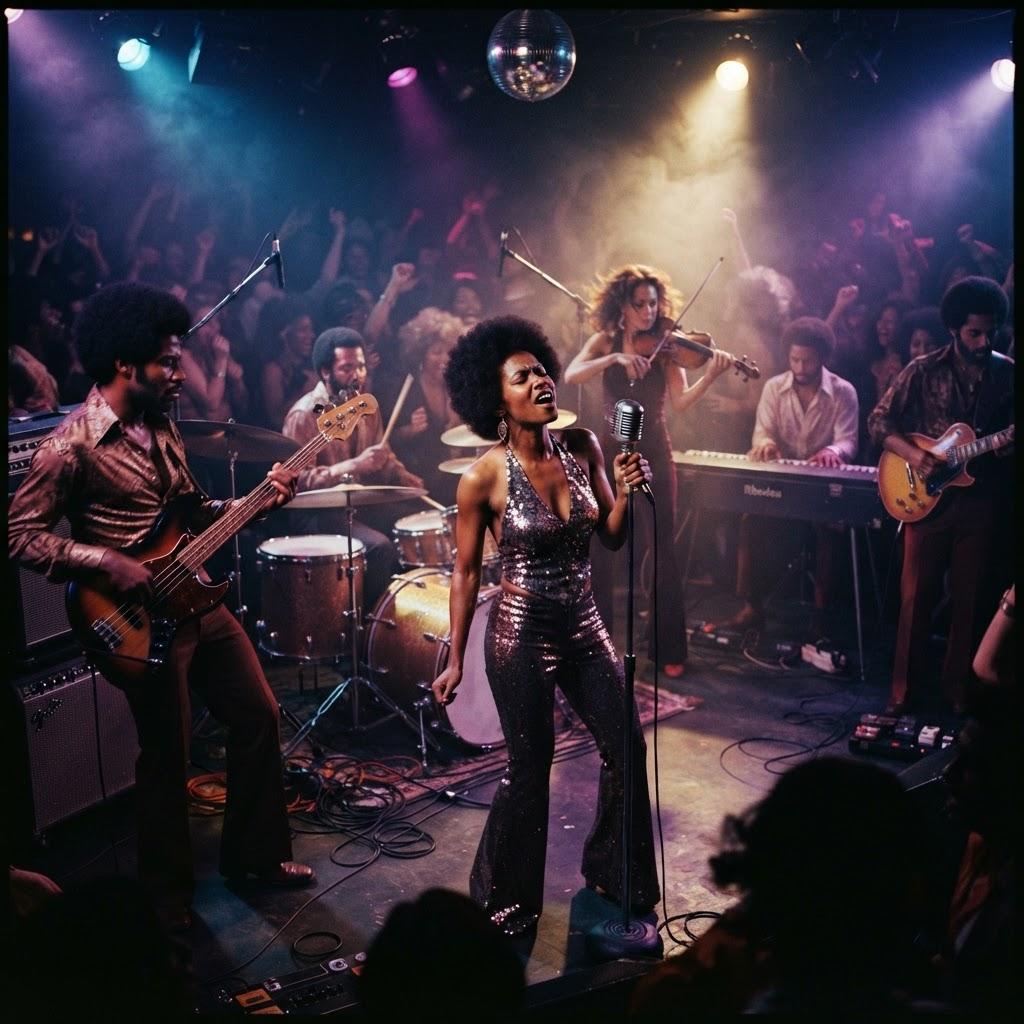
Salsa’s impact is etched into the cultural DNA of the Western hemisphere. It changed the way people walked, the way they dressed—hello, flared trousers and oversized collars—and the way they understood their own history. In the 1970s, Salsa became the voice of the Latino diaspora, providing a sense of pride and unity to communities that were often ignored by mainstream media. It infiltrated film, influenced jazz improvisers, and even forced pop music to reconsider the importance of a well-placed horn section. You can hear the ghost of Salsa in almost every modern Latin pop hit that exists today; the way those songs emphasize the rhythm and the vocal delivery is a direct inheritance from the Fania era. Beyond music, it became a social language. You could travel to any corner of the globe, from Tokyo to Berlin, and if you walked into a Salsa club, you were speaking the same dialect as everyone else in the room. It was, and remains, a universal shorthand for living life at full volume.
Controversies & Drama
Oh, the drama! If you think pop stars are catty, you have never sat at a bar with a group of old-school Salsa musicians. The biggest beef in the genre’s history has always been the war between the 'purists' and the 'commercialists.' When Salsa Romántica became popular in the 1980s, the old guard treated it like a personal insult. They claimed the move toward synthesizers and polished, radio-friendly love songs was a 'sellout' that killed the spirit of the music. It was a classic case of 'back in my day, we played with real instruments and grit.' There were also constant backstage battles over money, record deals, and who truly owned the 'Salsa' sound. Fania Records, the label that essentially owned the genre for a decade, was the subject of endless lawsuits and complaints from artists who felt they were being squeezed for every cent. It was a soap opera of gargantuan proportions, but honestly, that internal conflict only seemed to push the music to higher levels of intensity, as everyone tried to prove their version of the genre was the only one that mattered.
Global Spread & Regional Scenes
Salsa did not stay in the Bronx for very long. Once it caught fire, it spread across the globe like a delicious, rhythmic plague. In Cali, Colombia, the city essentially rebranded itself as the 'Salsa Capital of the World,' developing a unique, acrobatic style of dancing that makes everything else look like slow motion. In Puerto Rico, the music became a pillar of national identity, refined and turned into a serious craft that every school kid could recognize instantly. Even in places like Japan and Europe, dedicated Salsa scenes emerged where fans would study the history of the music with an intensity that rivaled academic research. These local scenes took the core DNA of the genre and mixed in their own local flavors. Sometimes they added traditional folk instruments, other times they slowed it down or sped it up, but the core 'sauce' remained the same. It is a testament to the music that it could transcend language barriers so easily, proving that rhythm is the one thing everyone on Earth speaks fluently.
The Modern Landscape
Today, Salsa is in a fascinating state of evolution. It isn't just sitting in a museum; it is constantly being remixed, sampled, and reimagined for a new generation. You see traces of it all over TikTok and social media, where young dancers are finding new, high-speed ways to interpret the old classics, turning the dance floor into a digital spectacle. While you might not hear 'pure' 70s-style Salsa on the Top 40 radio every single day, the genre's influence is everywhere. Modern artists are taking the aggressive, punchy rhythms of the Fania era and mixing them with electronic beats and urban flair, creating something that feels both ancient and futuristic. It is thriving in underground scenes where the spirit of the jam session is still alive, and it is trending in massive clubs where the music is used to bring strangers together. Salsa has proven it is not a fading relic; it is a living, breathing creature that knows how to adapt, evolve, and survive while keeping its signature sass intact.
How to Dive In
Ready to stop reading and start moving? Do not try to analyze the math behind the clave right away; just jump into the deep end. Start by listening to the 'Fania All-Stars' live recordings—they are the perfect entry point for that raw, 'we are the best in the world' energy. Listen to Héctor Lavoe’s 'La Voz' album for the soul, and anything by Tito Puente for the sheer technical fireworks. If you want something that bridges the gap between old-school cool and modern accessibility, check out the work of Marc Anthony or the modern salsa orchestras that are keeping the brass section alive and well. Find a local dance class, not because you want to be a professional performer, but because Salsa is a music meant to be felt in your feet, not just your headphones. Turn the volume up, ignore your neighbors, and let the brass section do the heavy lifting for your mood. It is time to add some spice to your life—your ears, and your feet, will thank you for the upgrade.