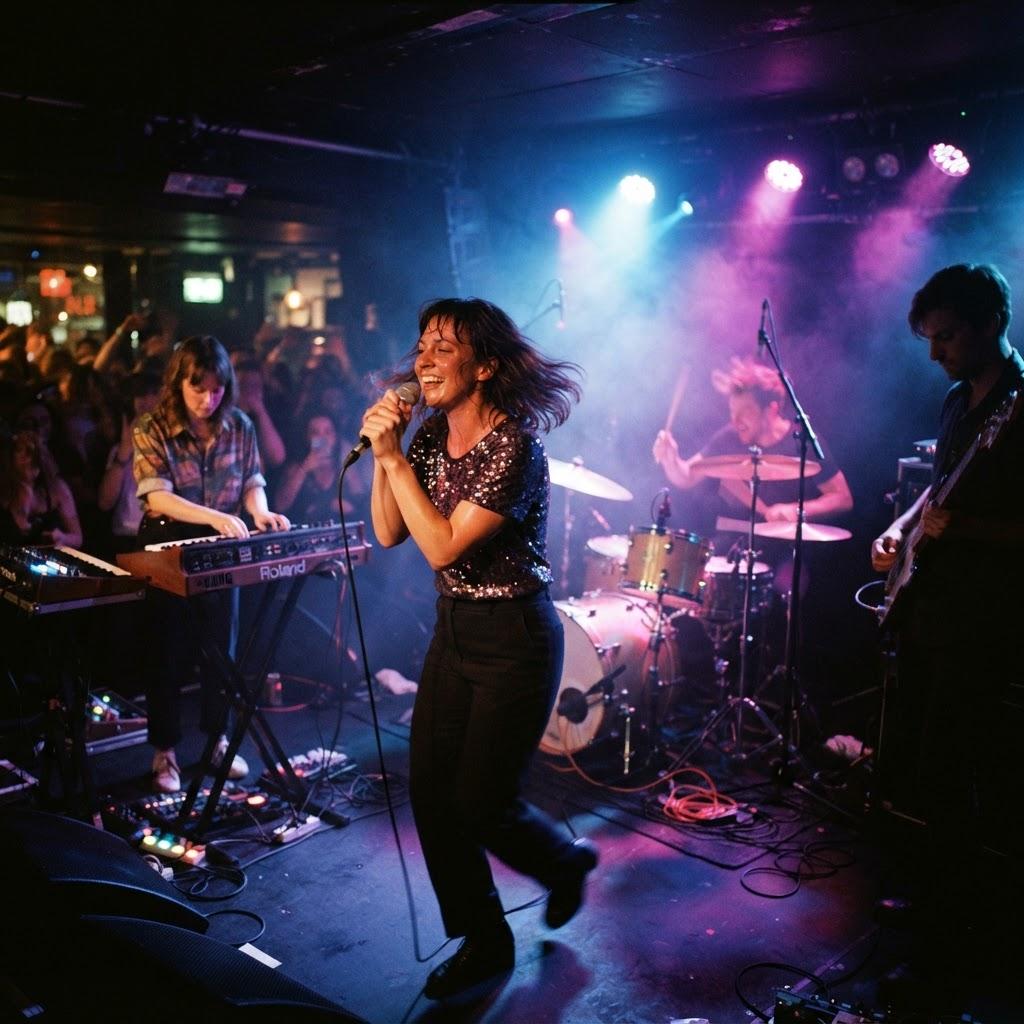
1980s, United States and Europe
Dance-Pop
Dance-Pop is the neon-soaked, glitter-covered engine of the global charts that turns every living room into a VIP club. It is the musical equivalent of a shot of espresso mixed with a disco ball, designed specifically to make your feet move before your brain even registers the beat.
Meet the Genre
Imagine walking into a room where the walls are sweating pure joy and the air smells vaguely of hairspray and expensive optimism. That is the world of Dance-Pop. It is not just music; it is an aerobic exercise for the soul, a genre that refuses to let you stand still. If other genres are the brooding poet in the corner of a coffee shop, Dance-Pop is the person doing a cartwheel on the table at three in the morning, holding a glowing cocktail. It is designed to be the soundtrack to your best night out, your most intense gym session, and the drive home where you pretend you are in a music video. It is relentless, it is shiny, and it is unapologetically interested in your happiness. Whether it is the thumping heartbeat of a kick drum or the soaring chorus that begs you to sing along at the top of your lungs, this genre lives in the sweet spot between sophisticated studio engineering and raw, unadulterated human fun. It is the sound of a sugar rush in audio form, and honestly, we wouldn't have it any other way.
The Sound & Signature Elements
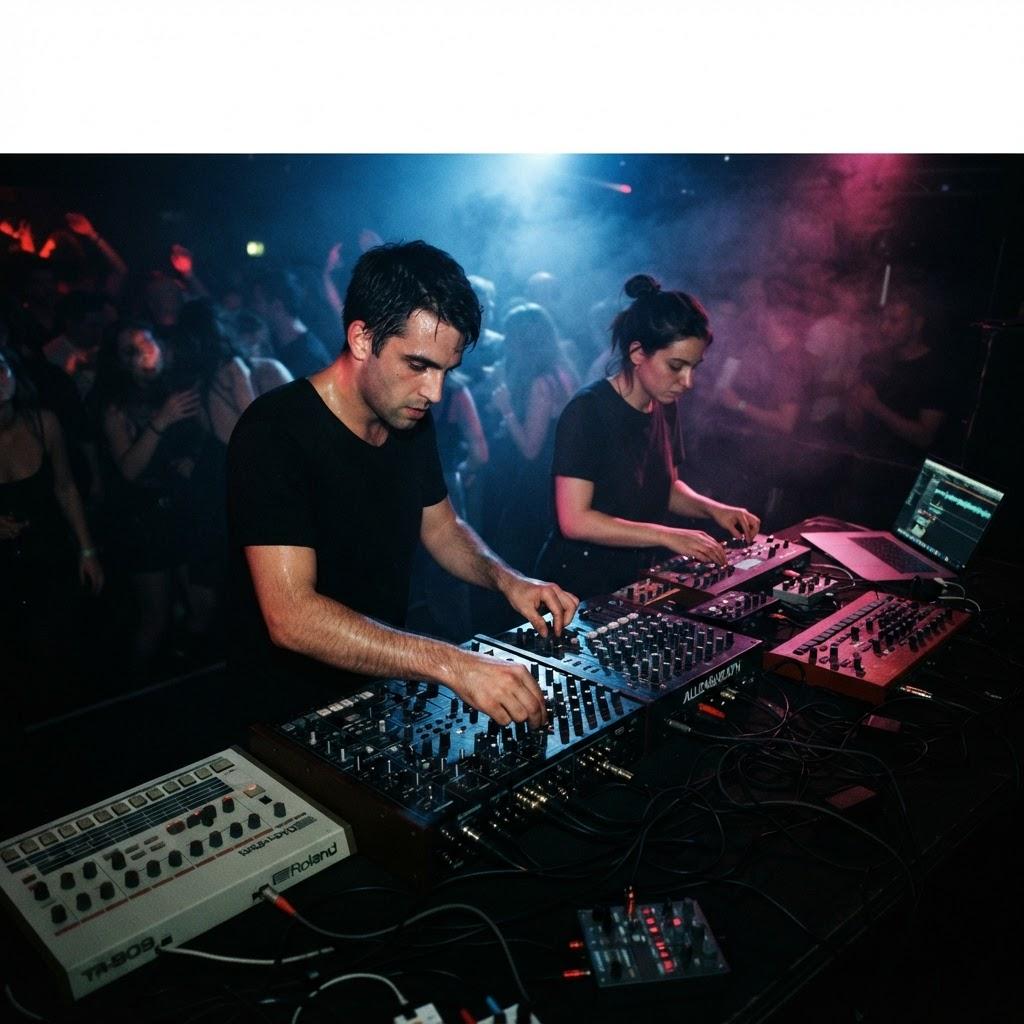
At its core, Dance-Pop is built on what music nerds call the 'four-on-the-floor' beat. Imagine a steady, unyielding 'thump, thump, thump, thump' that mimics a racing heart. This is the foundation. It is almost always set at a tempo between 115 and 130 beats per minute, which is the scientific 'sweet spot' for making people want to walk faster or start dancing without realizing it. The secret sauce is the production: think of it as a musical lasagna. You start with the rhythm section—usually drum machines like the classic Roland TR-808—add a thick layer of synthesizers that provide that glassy, metallic shimmer, and top it off with a vocal hook so catchy it could be classified as a public nuisance. Jargon alert: a 'hook' is just a fancy way of saying the part of the song that sticks to your brain like superglue. Producers use compression to make the drums sound punchy and tight, ensuring they cut through the mix like a knife through butter. It is perfectly engineered to sound huge in a stadium but just as good on a tinny smartphone speaker.
Origins & Birth of the Sound
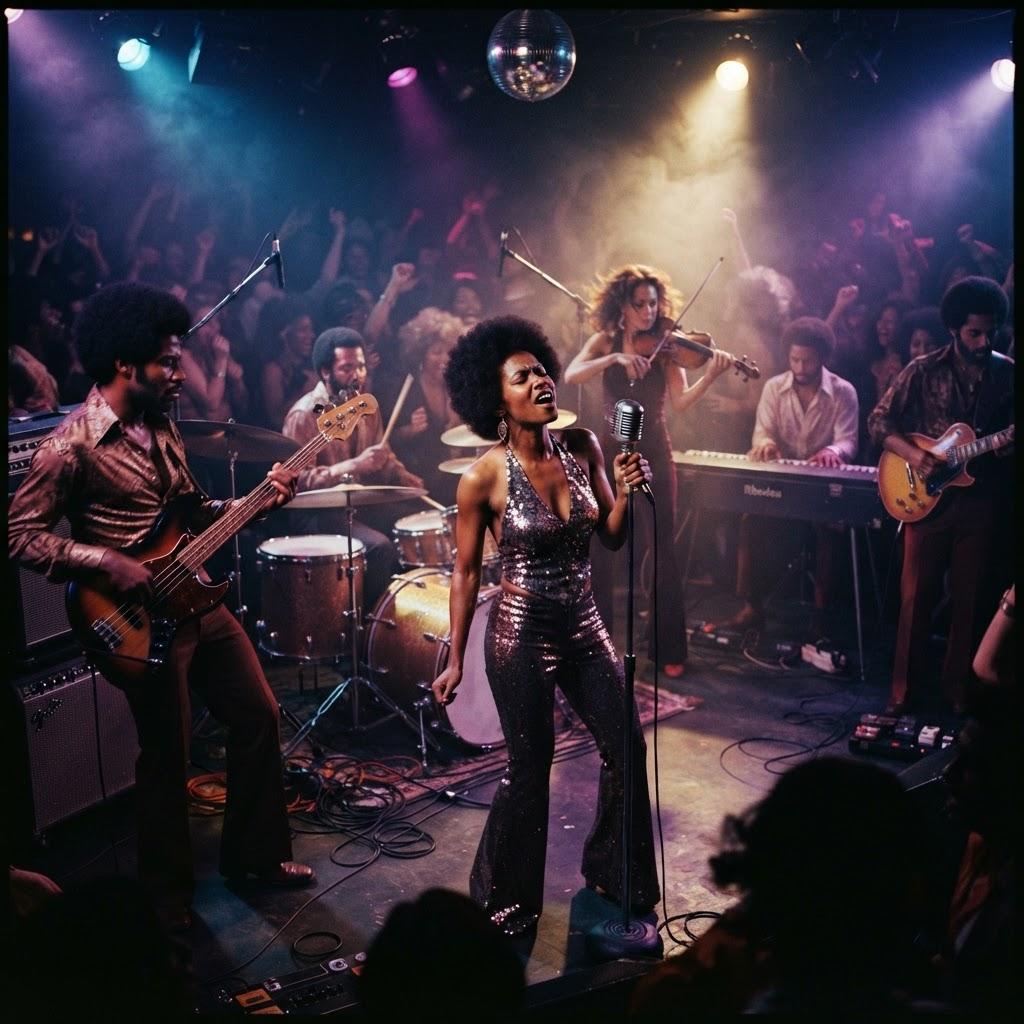
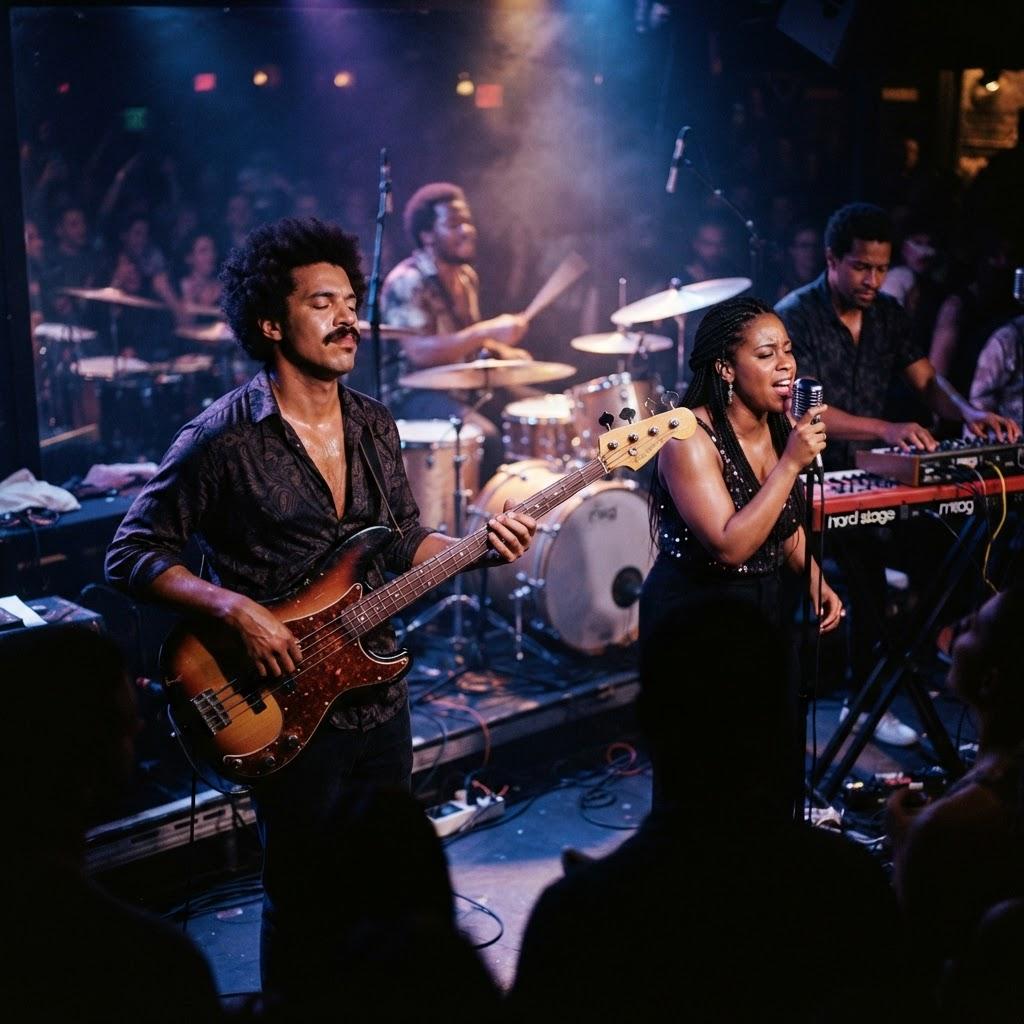
The birth of Dance-Pop wasn't a sudden explosion; it was more like a long, colorful dinner party that started in the late seventies. After disco supposedly 'died'—though it was really just changing its clothes—producers and songwriters realized that people still wanted to dance, but they wanted music that felt a bit more modern, a bit more synthetic, and a bit more 'pop.' Enter the synthesizers. Bands started swapping out real pianos for electric boxes that could make sounds no human had ever heard before. It was an act of quiet rebellion. The goal was to take the soul and grit of funk and disco and put it through a high-tech filter. By the mid-eighties, this fusion was everywhere. It crawled out of the underground dance clubs of New York and London and decided to take over the airwaves. Artists began realizing that if they combined the repetitive, hypnotic nature of dance music with the classic verse-chorus structure of traditional pop songs, they could conquer the world. It was a perfect marriage of high-art electronic experimentation and low-art accessibility, crafted in basements and bedroom studios alike.
The Pioneers & Legends
If Dance-Pop were a royal family, Madonna would be the undisputed queen, arguably the one who took the genre and taught it how to rule the world. She didn't just sing songs; she curated a lifestyle, turning herself into a visual and sonic powerhouse that made the rest of the industry scramble to catch up. Then you have the pioneers like Janet Jackson, who turned the 'rhythm nation' concept into a masterclass in production, using heavy, mechanical beats to make political statements that you could actually dance to. We cannot forget the producers, the mad scientists behind the curtain like Jimmy Jam and Terry Lewis, who pioneered the 'Minneapolis Sound'—a jagged, aggressive form of synth-heavy dance music that redefined what a pop song could sound like. These legends were essentially the architects of the modern chart sound. They weren't just playing instruments; they were building sonic worlds that invited millions of listeners to step inside and stay for a while. Their commitment to the 'hook' as the most important element of human civilization is why we still have the songs we do today.
Defining Tracks & Era-Defining Moments
To understand the weight of Dance-Pop, you have to look at the seismic events that shifted the tectonic plates of the Top 40. Take Madonna's 'Holiday' or 'Like a Prayer'—these weren't just hits, they were blueprints. They showed everyone that you could be smart, danceable, and deeply human all at once. Then came the nineties explosion with tracks like Robin S.'s 'Show Me Love,' which introduced the world to the house piano chords that still appear in half of all pop songs today. These tracks matter because they created a shared language. When those opening synths hit in a club, everyone in the room suddenly knows exactly what to do. It is a unifying experience. Think of Britney Spears' 'Toxic,' which showed that Dance-Pop could be weird, orchestral, and futuristic, or Lady Gaga's 'Just Dance,' which reminded a new generation that the genre was still capable of turning a dance floor into an absolute riot. Every one of these songs functioned as a cultural flashpoint, forcing radio stations to play catch-up and changing the way teenagers dressed, talked, and dreamed for the next decade.
Subgenres & Offshoots
The family tree of Dance-Pop is essentially a tangled, neon-colored mess, and that is what makes it so fascinating. You have Eurodance, which is basically what happens when you take a synthesizer, add a very dramatic European rapper, and turn the BPM up to 'intense.' It is high-energy, slightly ridiculous, and absolutely essential for any 90s nostalgia playlist. Then you have Electropop, which is the slightly moodier, leather-jacket-wearing cousin that spends too much time listening to Kraftwerk. It leans harder into the 'electronic' side of things, often trading organic drums for cold, surgical beats. There is also the massive sprawl of Tropical House, which tries to make Dance-Pop sound like you are permanently on a beach in Ibiza. Don't forget Hyperpop, the newest weirdo in the family that sounds like a sugar-addicted cartoon character running through a glitchy computer program. Each subgenre is just Dance-Pop trying on a new outfit, whether it is a space suit, a swimsuit, or a literal glitch in the matrix.
Cultural Impact & Influence
Dance-Pop has essentially been the background music to the last forty years of human history. It didn't just stay in the speakers; it crawled into our closets and onto our screens. Think about the fashion evolution: the neon leggings, the oversized blazers, the glitter, and the gravity-defying hair—most of those trends were born out of the need to look good under club lights. The genre shifted the very idea of what a 'musician' is. Suddenly, you didn't have to be a guy in a band with a guitar; you could be a visionary with a vision, a microphone, and a massive stack of synthesizers. It influenced the way movies were scored, the way TV commercials were edited to be snappier, and even the way we use social media. The 'TikTok dance challenge' is just the latest iteration of a culture that has always been about movement and accessibility. Dance-Pop taught the world that you don't need to be a musicologist to appreciate art; you just need to feel the beat. It normalized the idea that high-quality production could be fun, accessible, and inclusive.
Controversies & Drama
Ah, the purist wars. Nothing gets a music critic more riled up than the accusation that a Dance-Pop song is 'soulless' or 'manufactured.' For decades, the high-minded rock critics would turn their noses up, claiming that because a song used a drum machine instead of a real drummer, it lacked 'heart.' The drama peaked in the late eighties and nineties, with artists constantly fighting to prove they were 'real' performers while the machines did the heavy lifting. There were also the endless accusations of 'selling out' whenever a rock band dared to put a synthesizer in their bridge. And let us not forget the lip-syncing scandals—the moment a pop star’s backing track skipped and the audience realized the vocal track was, perhaps, not entirely live. The industry erupted in finger-pointing, lawsuits, and debates about the 'authenticity' of a performance. It was messy, it was petty, and it was glorious. These controversies only served to make the genre stronger, forcing artists to step up their game and proving that, yes, you can be a pop star and still be a legitimate artist.
Global Spread & Regional Scenes
Dance-Pop is the ultimate traveler; it lands in a city, absorbs the local flavor, and turns it into something new. In Sweden, it became the gold standard of melodic perfection, with production houses like Cheiron Studios churning out hits that were structurally flawless. In the UK, it absorbed the grit of rave culture and became harder, faster, and slightly more cynical. In Latin America, it morphed into the reggaeton-infused dance anthems that currently dominate the entire world. Every region has taken the Dance-Pop template and tweaked the tempo, the instrumentation, or the lyrical themes to fit their own vibe. Tokyo’s J-Pop scene took the 'cute' aesthetic of Dance-Pop and turned it into an art form with complex chord changes, while the Miami scene injected it with Latin percussion and sun-drenched synths. The genre is a linguistic chameleon—it sounds perfectly at home in any language because the beat is the only language that actually matters. It is a global handshake, performed with a bass drop.
The Modern Landscape
Today, Dance-Pop is so ubiquitous that we barely notice it. It is the atmosphere we live in. We are currently in an era where the genre has splintered into a million micro-genres, largely thanks to the internet. Because any kid with a laptop can now produce music that sounds like a million-dollar record, the barrier to entry has vanished. TikTok has become the new arbiter of taste, where a ten-second hook can turn an unknown bedroom producer into a global superstar overnight. The modern landscape is characterized by 'genre-fluidity,' where artists are as likely to borrow a house beat as they are a trap rhythm or a country melody. It is a wild, chaotic, and incredibly exciting time. We are seeing a massive revival of 90s and early 2000s sounds, as Gen Z discovers the magic of a gated-reverb snare drum and a high-pitched synth lead. Dance-Pop isn't just surviving the digital age; it is thriving in it, proving once again that as long as humans have hearts, they will want to sync them to a 120 BPM drum machine.
How to Dive In
So, you want to jump into the neon abyss? Good. Start with the essentials. Do not pass go without listening to Madonna’s 'The Immaculate Collection'—it is the Old Testament of the genre. From there, jump into the synth-heavy perfection of Robyn’s 'Body Talk,' which is widely considered the bible of modern, slightly sad-but-still-dancing pop. If you want something that hits like a freight train, check out Britney Spears' 'Blackout,' a dark, grimy masterpiece that changed the sound of the late 2000s. For the modern enthusiast, Dua Lipa’s 'Future Nostalgia' is the ultimate primer on how to take the sounds of the past and make them feel like the future. Once you have those under your belt, hit the dance floor. Go find a playlist of 'Nu-Disco' or 'Deep House,' listen to it while you are doing your grocery shopping, and try not to strut down the cereal aisle. That is the goal—to make your mundane life feel like a cinematic event. Now go, put on your most uncomfortable shoes, crank the volume to an irresponsible level, and find your rhythm. The bass is calling, and it is very, very loud.