18th Century
Folk
Folk music is the musical equivalent of a worn-out flannel shirt and a campfire story that somehow knows all your secrets. It is raw, honest, and just acoustic enough to make you contemplate your life choices while sipping lukewarm coffee.
Meet the Genre
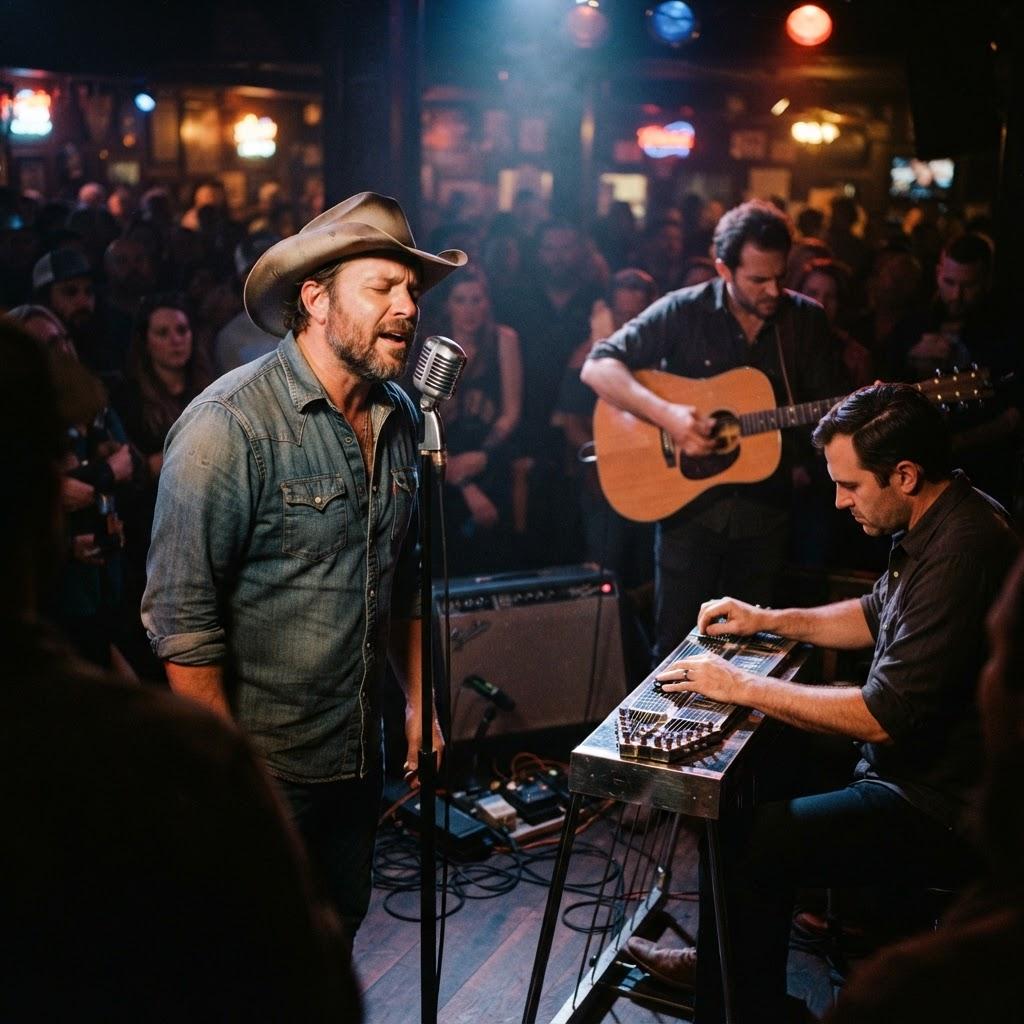
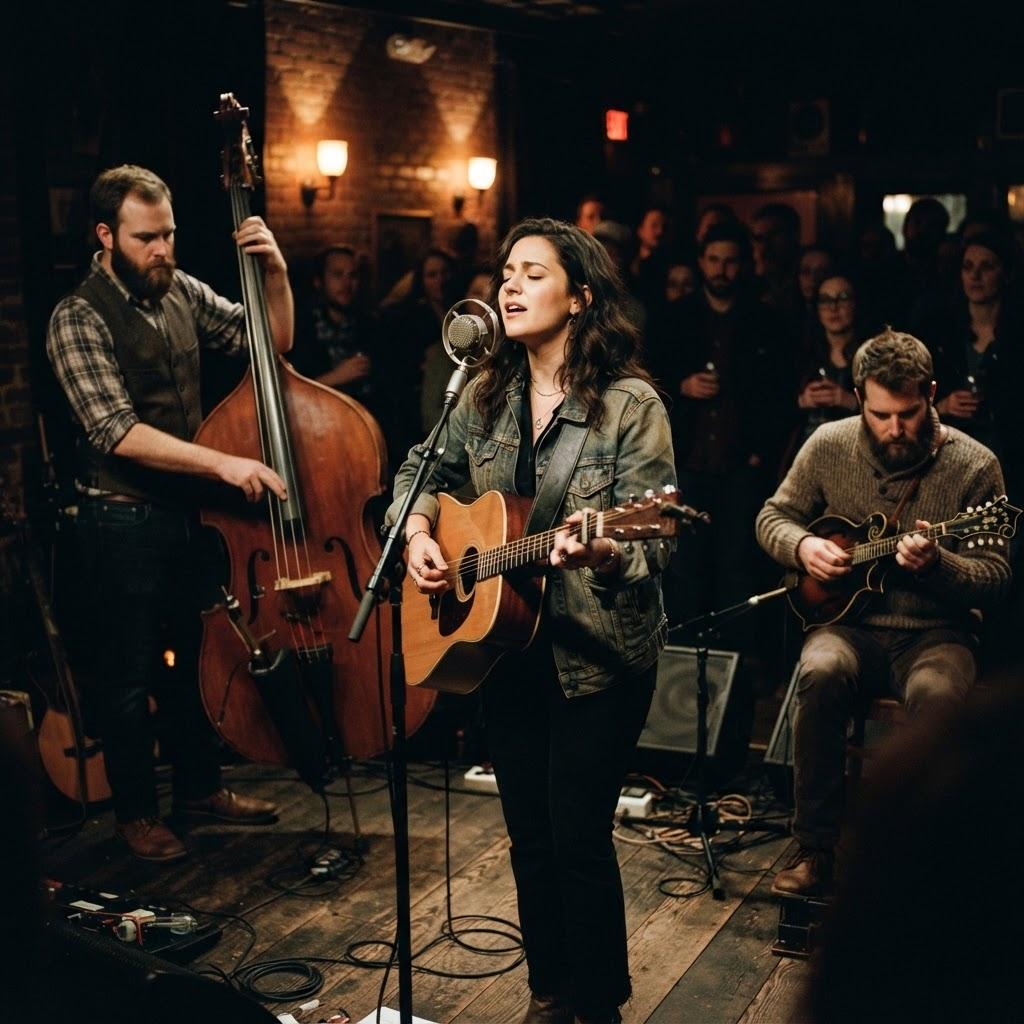
Imagine walking into a room where everyone is wearing dusty boots, the air smells like cedar wood, and someone has just pulled a battered guitar from a case that has seen more mileage than a cross-country trucker. That is the world of Folk. It is not trying to sell you a high-tech lifestyle or convince you to dance until your joints ache. Instead, Folk grabs you by the sleeve, sits you down on a creaky wooden bench, and proceeds to tell you a story about a train that went off the rails, a girl who left town for the big city, or a ghost wandering the hills of Kentucky. It is the musical equivalent of a well-worn leather journal—scratched, stained with coffee, and packed with more genuine human emotion than a dozen pop albums combined. Folk does not care about glitter or light shows; it cares about the quiver in a singer's voice and the way a thumb hits a bass string. It is the genre that remembers that before we had algorithms and digital streaming, we had voices, stories, and the need to tell our neighbors that, yes, life is hard, but we are all in this mess together. It is cozy, it is gritty, and it is unapologetically human.
The Sound & Signature Elements
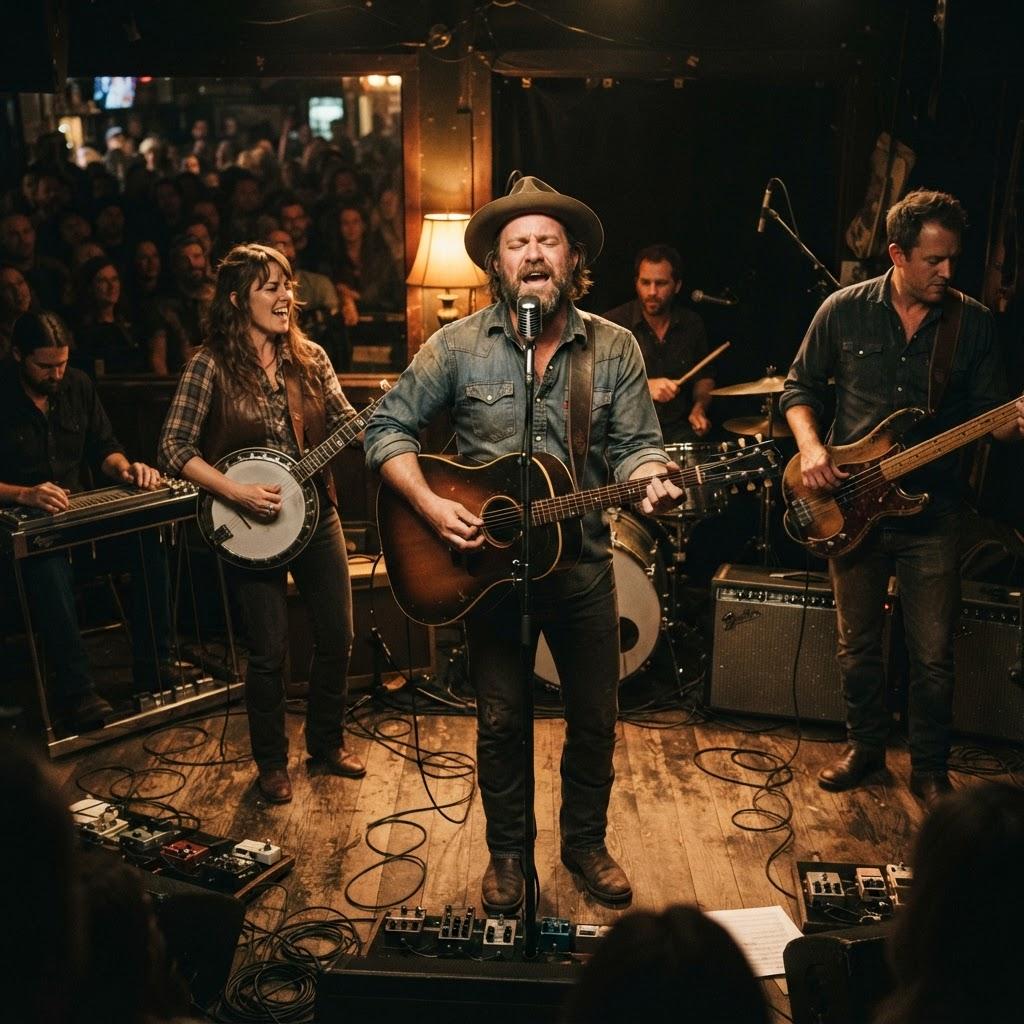
At its heart, Folk is a masterclass in minimalism. Think of it as the interior design of the music world—no unnecessary clutter. You are looking at a tempo that usually hovers around a relaxed walking pace, nothing too frantic because you need space for the lyrics to breathe. The time signatures are often straightforward, usually 4/4 or sometimes a rolling 3/4, which feels like a waltz. The key instruments are all things you could potentially carry on your back if you were a traveling minstrel: a steel-string acoustic guitar, maybe a fiddle that sounds like a crying cat or a laughing bird, and a banjo that provides that classic 'plinking' sound. Production-wise, the 'trick' is to have as little production as possible. You want to hear the singer breathe. You want to hear the squeak of fingers sliding across metal guitar strings. When someone mentions song structure in Folk, they usually mean the 'ballad form,' which is just a fancy way of saying verse-chorus-verse-chorus-story-ending. It’s like a conversation: you start, you explain the situation, you offer a chorus as a hook, and you end with a moral or a final observation.
Origins & Birth of the Sound
Long before there were music charts, there were people working in fields, sailing the high seas, or sitting on front porches during long winters. Folk didn't have a 'birth' in a sleek boardroom; it was forged in the fires of necessity. It was passed down through families like a secret recipe for stew. People in the Appalachian mountains took the melodies their ancestors brought over from England, Scotland, and Ireland, mixed them with the rhythmic traditions of enslaved African people, and turned them into something entirely new. It was music of the working class. If you were building a railroad or harvesting crops, you needed a song to keep your rhythm steady. These songs became the news, the history books, and the entertainment of people who didn't have access to theaters. It was born in the dirt and the dust, shaped by the harsh reality of living life away from the glittering urban centers. It was rebellious in its own quiet way, asserting that a farmer’s lament was just as important as a king’s victory march. That is why it sticks; it belongs to everyone.
The Pioneers & Legends
To understand the pillars of the Folk temple, you have to look at the characters who treated a guitar like a weapon. Woody Guthrie was the original troubadour, a man who traveled the rails with nothing but a guitar that had 'This Machine Kills Fascists' painted on it. He wasn't playing for fame; he was playing for the truth, writing songs about the Great Depression and the struggles of the working man. Then you have the velvet-voiced titan, Pete Seeger, who could make an entire stadium sing a protest song in perfect harmony. And we cannot overlook the queen of the dark ballad, Odetta, whose voice had the power of an earthquake and the grace of a river. These people weren't just musicians; they were the guardians of our collective memory. They took the stories floating around in the ether and turned them into anthems. They taught the world that a song could be a powerful tool for social change, a concept that paved the way for every artist who picked up an instrument and decided to speak truth to power.
Defining Tracks & Era-Defining Moments
If you want to know why this genre matters, you have to spin a few specific records. Take 'This Land Is Your Land' by Woody Guthrie. It is the ultimate American anthem, written because he was tired of hearing 'God Bless America' on the radio and wanted to write something that actually felt like walking across the country. It changed the game by proving that a folk song could belong to the masses. Then there is the 'Newport Folk Festival' moment in 1965, a historical pivot point where Bob Dylan plugged in an electric guitar and the traditionalist crowd literally gasped in horror. That was the moment the genre grew up and realized it didn't have to stay inside the acoustic box forever. Another heavy hitter is 'The Times They Are A-Changin',' which became the soundtrack for the entire 1960s civil rights and anti-war movement. These tracks weren't just catchy tunes; they were cultural lightning rods. They shifted the conversation from the living room to the national stage, demonstrating that a simple melody could shift the needle on societal attitudes.
Subgenres & Offshoots
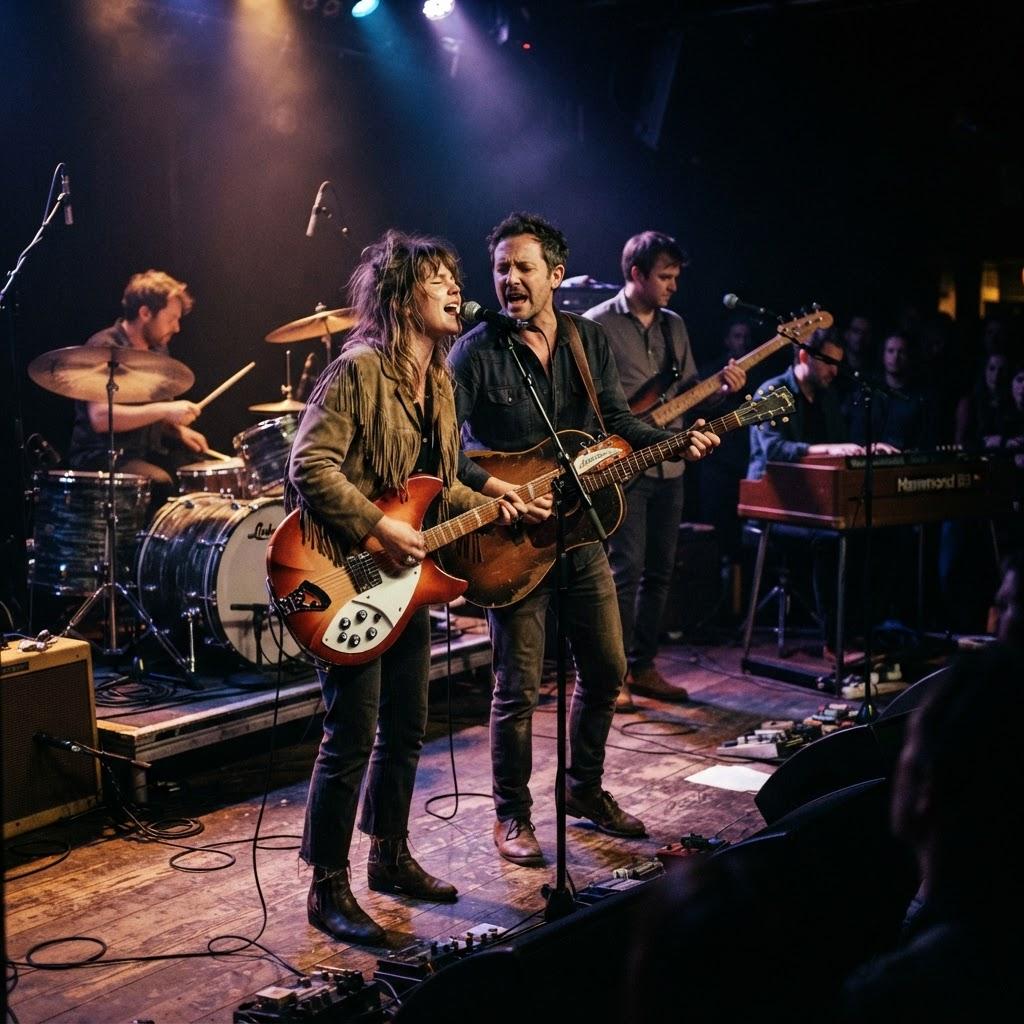
The family tree of Folk is huge, sprawling, and frankly, a bit confusing at times. You have 'Bluegrass,' which is like Folk on a high-speed caffeine drip—everything is faster, tighter, and the mandolin solos will make your head spin. Then there is 'Folk-Rock,' which is exactly what it sounds like: you take the lyrics of a poet and pair them with a drum kit and a distorted bass line. You have 'Anti-Folk,' which is for the weirdos and the punks who decided they loved the acoustic aesthetic but hated the serious, buttoned-up attitude of the old guard. They brought irony, jokes, and a total disregard for technical perfection. And let's not forget 'Contemporary Folk' or 'Indie-Folk,' which is where we are now—think of artists who record in their bedrooms but use modern synthesizers to create lush, dreamlike soundscapes that sound like a campfire in outer space. Each subgenre is just a new way to tell the same old story, proving that even a genre rooted in the past can mutate into something futuristic if you push it hard enough.
Cultural Impact & Influence
Folk music is the secret ingredient in the soup of modern culture. It taught the world that being 'authentic' was more important than being 'polished.' This ethos spread everywhere. Fashion? Think about the resurgence of denim, workwear, and the 'rugged adventurer' aesthetic—that is pure Folk. Film? Countless indie directors use acoustic soundtracks to ground their movies in a sense of place and melancholy. Linguistically, Folk gave us a vocabulary of protest and shared identity. Every time an artist goes on stage and speaks directly to the audience about their personal struggles without a backing track or a dance routine, they are leaning on the foundation built by Folk legends. It turned the songwriter into a hero. Before the Folk revival, you had singers who just sang what writers gave them. After the revival, the songwriter became the center of the musical universe. The idea that a song should express your soul is a direct gift from the Folk tradition to every pop and rock artist working today.
Controversies & Drama
Oh, the drama! You might think Folk is all gentle hand-holding, but the history of the genre is filled with backstabbing and purist wars. The biggest beef in town was the 'Electric Controversy.' When the old guard heard electric guitars at a folk festival, it was treated like a betrayal of the highest order. People shouted 'Judas!' at concerts. The purists believed that Folk was a sacred relic that needed to be kept in a museum, while the innovators felt that Folk was a living, breathing thing that needed to evolve to survive. This 'Sellout vs. Pure' narrative has followed every folk artist who ever had the audacity to make a buck or use a drum machine. There were also the political witch-hunts, where folk singers were blacklisted in the 1950s simply for singing songs that talked about labor rights or racial equality. It was a time when the wrong song could get you fired or labeled a threat to national security, which proves that sometimes, the quietest songs are the most dangerous ones.
Global Spread & Regional Scenes
Folk is a global traveler. While it has deep roots in the Appalachian mountains, it has cousins everywhere. In the United Kingdom, it morphed into the British Folk Revival, where artists like Fairport Convention took traditional ballads and gave them a psychedelic, experimental edge. In Scandinavia, there is a whole scene where cold, dark winters lead to haunting, string-heavy melodies that feel like a soundtrack to a Viking saga. In places like Brazil and Argentina, the folk tradition blends with local percussive elements to create music that is rhythmically complex but emotionally familiar. Every region takes the 'storyteller' element and wraps it in its own local flavor. You see it in the way a French folk singer might focus on romantic melancholy while a Canadian folk artist might write songs that sound like they were written while riding a moose through a blizzard. The regional scenes thrive because they are rooted in the specific local history and geography of the people living there, proving that every town has a story to tell.
The Modern Landscape
Today, Folk is having a massive glow-up. Thanks to platforms like TikTok, we are seeing a 'cottagecore' revolution where young artists are finding beauty in the simple, the analog, and the acoustic. It is no longer just for the folksy grandpas of the world. Modern indie-folk artists are taking the traditional tropes and mixing them with everything from R&B melodies to electronic ambient textures. We see artists like Bon Iver, Fleet Foxes, and Phoebe Bridgers taking the core Folk ethos—raw honesty, poetic lyrics, and stripped-back production—and bringing it to millions of people who have never set foot in an Appalachian cabin. It is thriving because, in a world where everything feels hyper-digital and fake, there is a craving for the organic sound of a human voice. Whether it is trending on a social media app or playing in a quiet, dark basement club, Folk remains the genre we return to when we need to feel something real and grounded. It is alive, it is evolving, and it is more relevant than it has been in decades.
How to Dive In
So, how do you start your journey into this wonderful world of strings and stories? Do not overcomplicate it. Start by listening to the big guns to get a feel for the foundation. Put on Bob Dylan’s 'The Freewheelin' Bob Dylan'—it is essentially the 'User Manual' for the modern singer-songwriter. Then, travel back in time with Joan Baez’s self-titled debut for that pure, angelic vocal precision that defined an era. If you want to hear the high-energy stuff, find a playlist of Bill Monroe or Doc Watson to witness how the banjo and mandolin can dance circles around your ears. Once you are warmed up, dive into the modern stuff—check out Fleet Foxes for lush, choral harmonies that sound like a cathedral in the woods, or listen to Adrianne Lenker for the kind of songwriting that will make you look at a tree and cry for twenty minutes. The beauty of Folk is that there is no wrong way to listen. Just find a quiet corner, put on your headphones, and let the songs do the heavy lifting. You are about to become a very well-listened-to person, so enjoy the ride.