Mid-1960s
Folk Rock
Folk Rock is the rebellious love child of a campfire singalong and a blown-out electric amplifier. It is the sound of poets trading their pens for pedals to shout the truth at the top of their lungs.
Meet the Genre
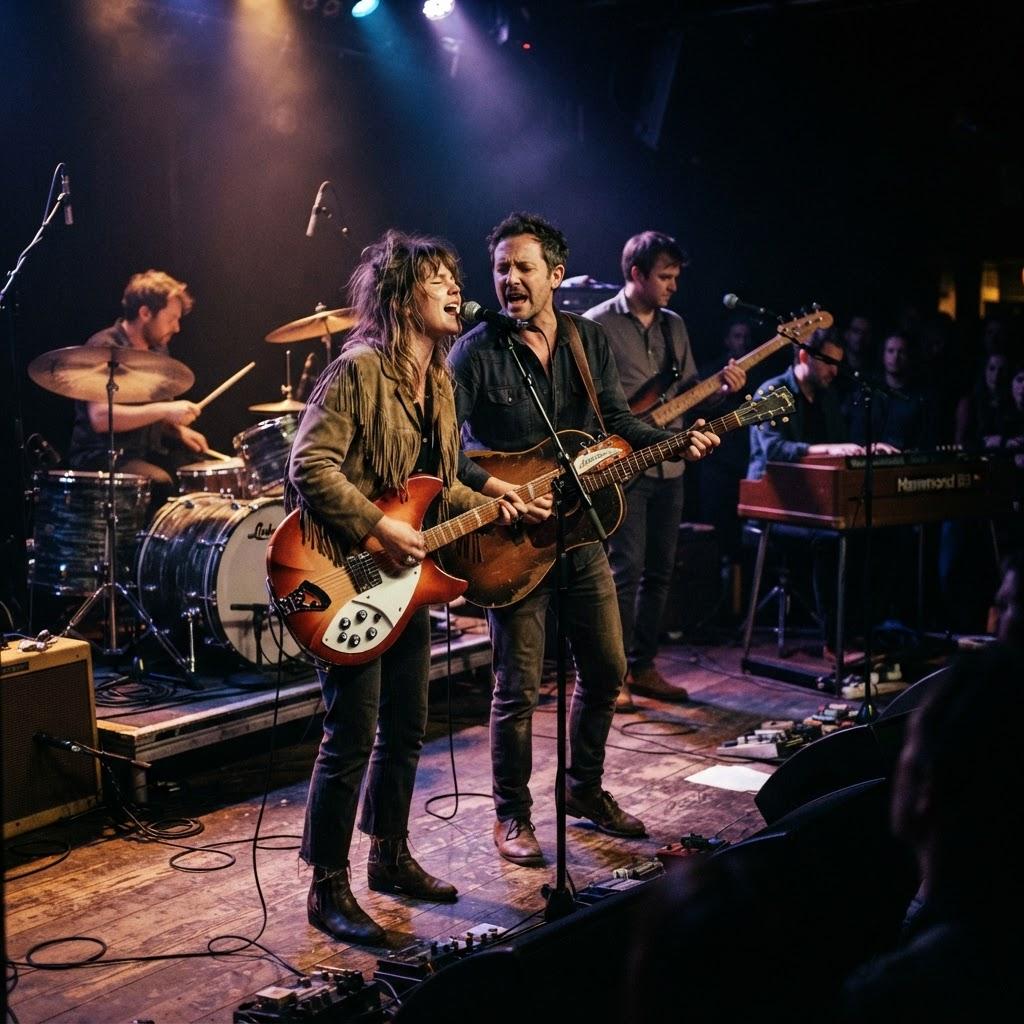
Imagine you are sitting in a dusty, dimly lit coffee shop in Greenwich Village, nursing a lukewarm espresso and clutching a dog-eared poetry book. Suddenly, the front door bursts open. A guy in a suede jacket walks in, plugs an electric guitar into a massive stack of speakers that clearly don't belong in a room this small, and starts screaming about the end of the world. That, my friends, is Folk Rock. It is the sound of the sweater-vest brigade discovering the power of a fuzz pedal and deciding they were tired of whispering their grievances to the walls. It is a genre that refuses to choose between the intellectual depth of a campfire ballad and the absolute adrenaline-fueled punch of a rock concert. It has the heart of an activist, the hands of a poet, and the ego of a rock star who just realized they can play louder than the protest at the park down the street. It is the sonic equivalent of wearing a vintage flannel shirt to a stadium gig; it is messy, honest, and surprisingly electrifying.
The Sound & Signature Elements
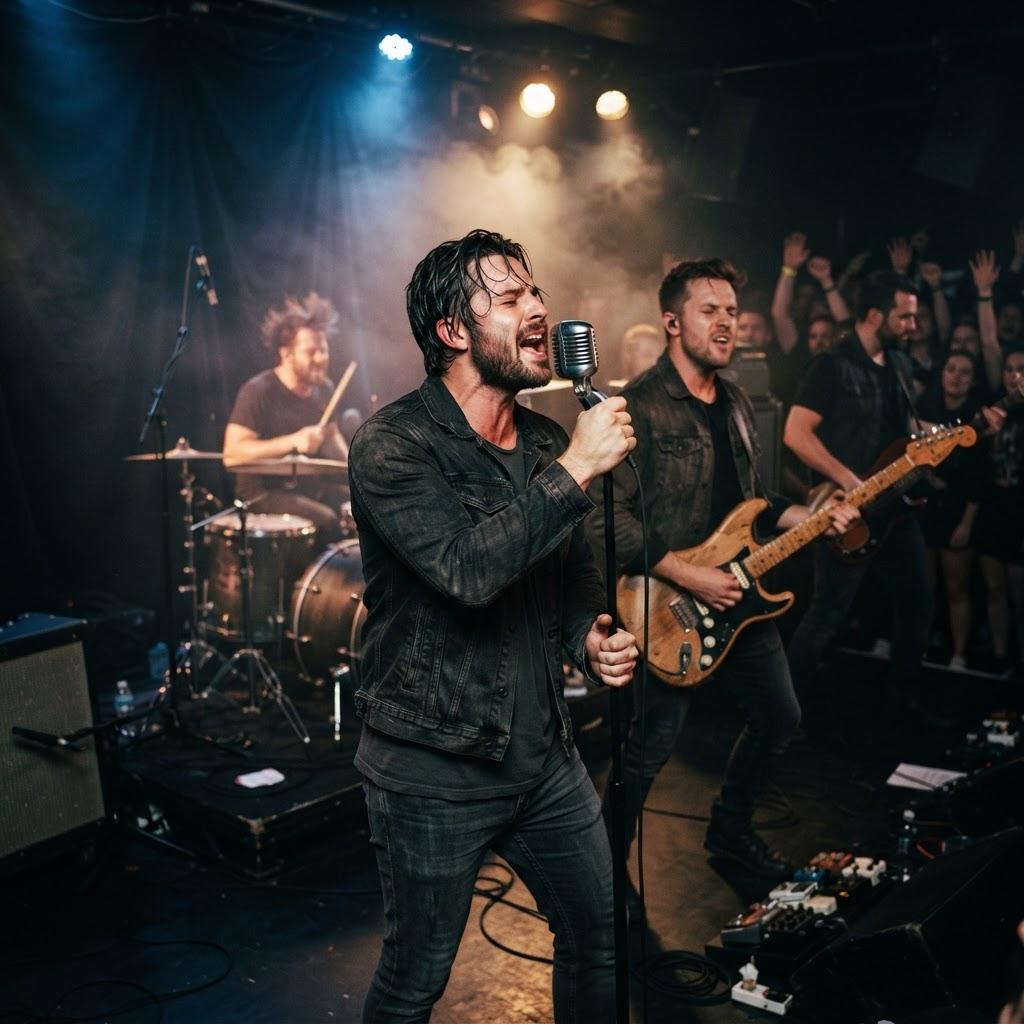
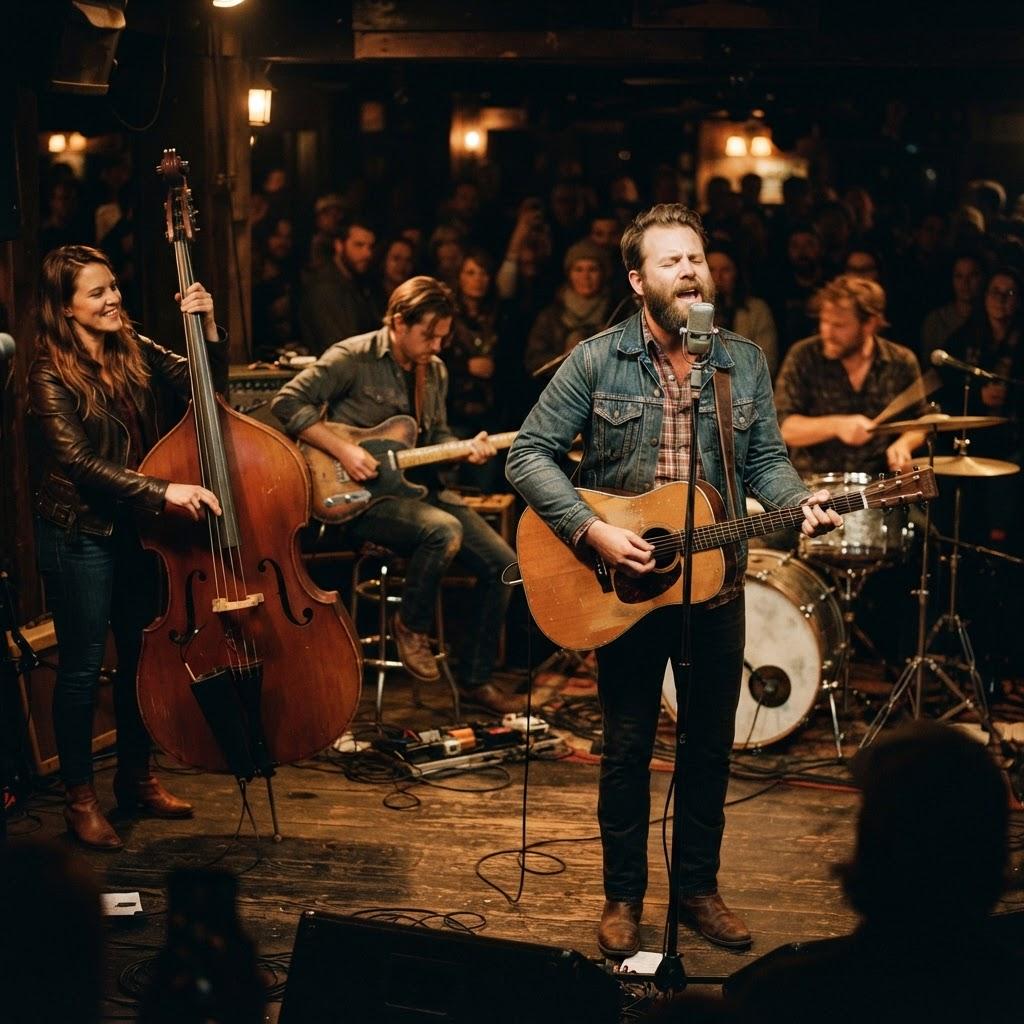
At its core, Folk Rock is a tug-of-war between two worlds. You take the acoustic guitar, which is essentially the gentle giant of the music world, and you force it into a marriage with the electric guitar, the neighborhood bully. The signature sound is almost always defined by the 'jangle.' Think of that bright, chime-like sound coming from a 12-string electric guitar, which is like having a handful of tiny bells tied to your fingertips. The rhythm is usually grounded in a steady, driving pulse—not quite the heavy, thumping dance beat of disco, but a solid foundation that makes you want to tap your boots. We are talking about time signatures that are almost always in 4/4, which is the musical equivalent of a reliable sedan, but the lyrics are where the madness happens. You get intricate, story-driven lyrics that act like a dense novel, paired with vocal harmonies that sound like a choir of angels who have just been told their rent is due. It is all about the contrast: delicate one second, thunderous the next.
Origins & Birth of the Sound
The birth of Folk Rock was not a polite affair; it was an act of treason. In the early 1960s, folk music was a pure, untouchable temple. The purists believed that if you plugged in an electric instrument, you were essentially committing a crime against humanity. But then, a group of young, frustrated musicians looked at the folk scene and thought, 'This is great, but wouldn't it be better if we could actually be heard over the sound of a noisy bar?' The sparks really started flying when the Beatles showed the world that you could be smart and loud at the same time. Suddenly, the guys who had been singing about wandering hobos and lost loves in basement folk clubs realized they had the potential to be arena-fillers. It started in places like the Troubadour in L.A. and the cafes of New York, where cross-pollination between acoustic traditionalists and rock-n-roll refugees turned into a full-blown musical riot. The defiance was palpable; they weren't just playing music, they were starting an argument about what art was allowed to sound like.
The Pioneers & Legends
If Folk Rock had a Mount Rushmore, the faces would be carved with serious intensity. You have Bob Dylan, the man who famously went electric at the Newport Folk Festival and practically caused a cardiac event among his own fanbase. He was the prophet who realized that poetry sounded better with a drum beat. Then there are The Byrds, who took those Dylan songs and added a shimmering, California-sunshine glow that made everyone realize this new genre was actually going to be huge. And let us not forget Buffalo Springfield, the band that basically functioned as a laboratory for future legends like Neil Young and Stephen Stills. These people weren't just musicians; they were alchemists. They took the raw materials of folk—social justice, intricate wordplay, and a reverence for the past—and fused it with the sheer, unadulterated power of rock. They were the ones who proved that you could write a protest song that made people want to dance, or at least bob their heads in a very thoughtful, revolutionary kind of way.
Defining Tracks & Era-Defining Moments
When The Byrds released their version of 'Mr. Tambourine Man,' the world shifted on its axis. It took a long, winding Dylan poem and turned it into a two-minute, chime-filled pop miracle. Suddenly, every band with a guitar and an opinion wanted in on the action. Another crucial moment was the release of 'For What It’s Worth' by Buffalo Springfield; it became the unofficial anthem of an entire generation, proving that Folk Rock was the perfect vehicle for addressing the intense social unrest of the time. Every song was a message, every chord transition was a statement, and every chorus was designed to be sung by a hundred thousand people in a park while holding candles. You also cannot ignore Simon & Garfunkel’s 'The Sound of Silence,' which started as a gentle, acoustic lament but was later re-recorded with electric instruments to become the quintessential Folk Rock hit. It proved that this sound wasn't just a gimmick; it was a way of capturing the soul of a decade that felt like it was falling apart at the seams.
Subgenres & Offshoots
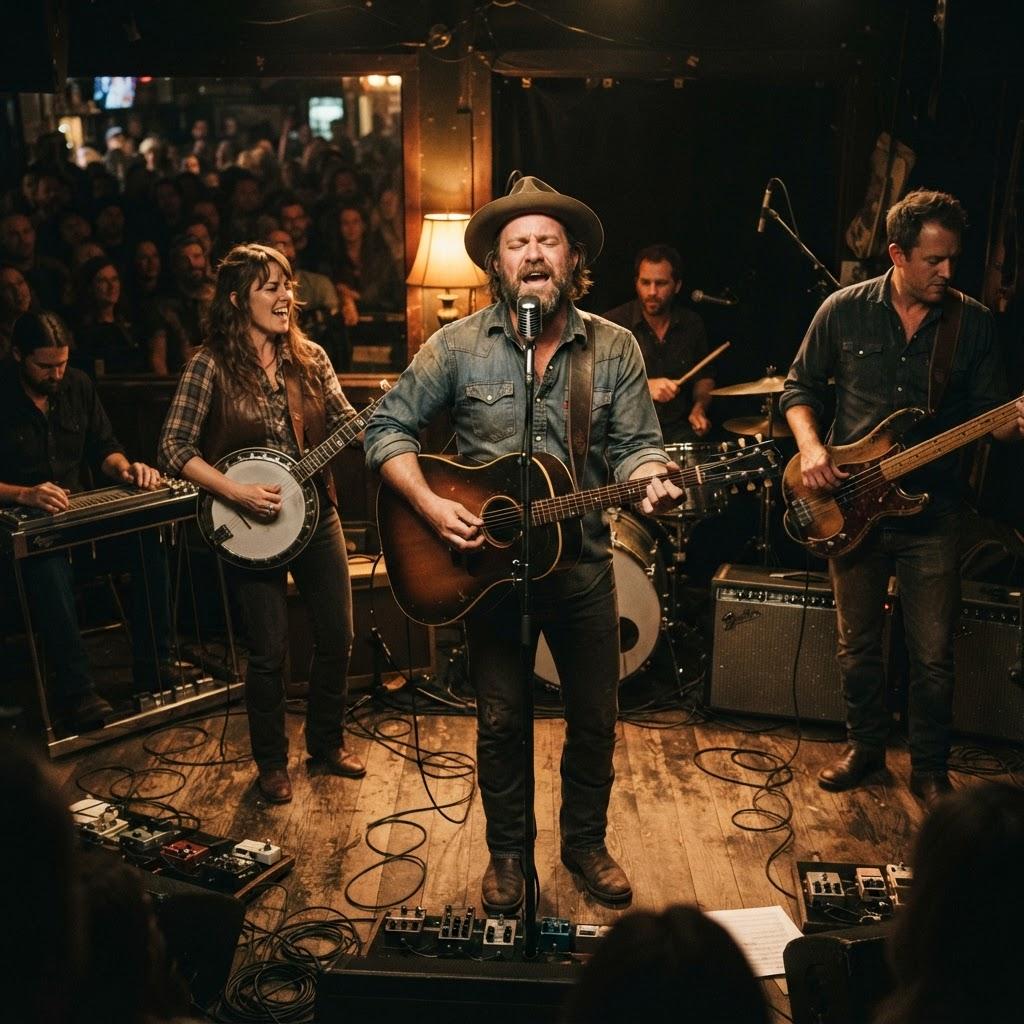
Folk Rock is like a tree that refuses to stop growing weird, twisted branches. First, you have Folk-Psych, which is basically what happens when you take a protest song and add a healthy dose of hallucination-inspired distortion. It sounds like a forest fire in slow motion. Then there is the singer-songwriter movement of the 70s, which stripped things back down to the basics but kept the rock-influenced production values, giving us intimate epics from artists like Joni Mitchell and James Taylor. Don't forget the 'Cowboy' branch—Country Rock—where the folkies started hanging out in Nashville and realized that fiddles and pedal steel guitars sound amazing when you put them through a rock-n-roll amplifier. It’s like putting a suit on a farmer and giving him a leather jacket. There is even a weird, beautiful lineage of 'Anti-Folk,' which is basically folk music for people who hate themselves a little bit and think music should be as awkward as a first date. The family tree is tangled, messy, and constantly inventing new cousins that nobody expected.
Cultural Impact & Influence
The reach of Folk Rock is honestly exhausting to track. It didn't just change music; it changed how people thought about being a person in the world. It made long hair, thrift-store denim, and a vague sense of existential dread the height of fashion. It influenced filmmaking, too—think of all those late-60s movies where the protagonist drives a convertible down a coastal highway while a melancholic, acoustic-driven rock song plays in the background. That visual language is pure Folk Rock. Politically, the genre became the megaphone for the anti-war movement. If you wanted to get a message across to the masses in 1968, you didn't write an essay; you wrote a Folk Rock anthem. It taught us that music could be a weapon, but also a sanctuary. The idea that a song could be personal and universal at the same time—the 'personal is political' philosophy—is the direct legacy of these artists. Every modern indie band that hides their deepest traumas behind a catchy chorus is basically the grandchild of these 60s pioneers.
Controversies & Drama
The drama in the Folk Rock world was truly legendary. The biggest beef was the great 'Going Electric' betrayal. When Bob Dylan decided to play an electric set, people literally booed him like he’d just stolen their lunch money. It was a holy war. The folk purists looked at electric guitars and saw the corruption of everything pure and holy. There were heated debates in magazines, screaming matches in clubs, and enough snobbery to fill a library. Musicians were accused of selling out every single time they added a drum set to their songs. Then you had the inter-band feuds, where lead singers and songwriters constantly bumped heads over whether the music should be 'more folk' or 'more rock.' It was the kind of petty, high-stakes drama that makes for great documentaries. You had artists claiming they were the true keepers of the flame, while their bandmates were trying to figure out how to get a radio hit. It was basically a soap opera, but with better guitar solos and way more denim.
Global Spread & Regional Scenes
While it started in the humid, smoggy air of California and the concrete jungle of New York, Folk Rock became a global virus. In the United Kingdom, it took a turn for the traditional. British musicians started digging into old, dusty folk songs from the Middle Ages and drenching them in electric reverb. Bands like Fairport Convention took ancient fiddle tunes and made them sound like a riot. Down in Australia, it mixed with the rugged, isolated landscape to create a sound that was somehow more sprawling and lonely. Canada brought the raw, unfiltered honesty of the Great North, with artists like Neil Young injecting a specific kind of jagged, unpredictable spirit into the genre. It wasn't just an American thing; it was a way of interpreting local identity through a universal set of tools. Everywhere it went, it picked up the local accent. The themes might have stayed the same—heartbreak, protest, searching for home—but the musical flavor changed based on who was holding the guitar.
The Modern Landscape
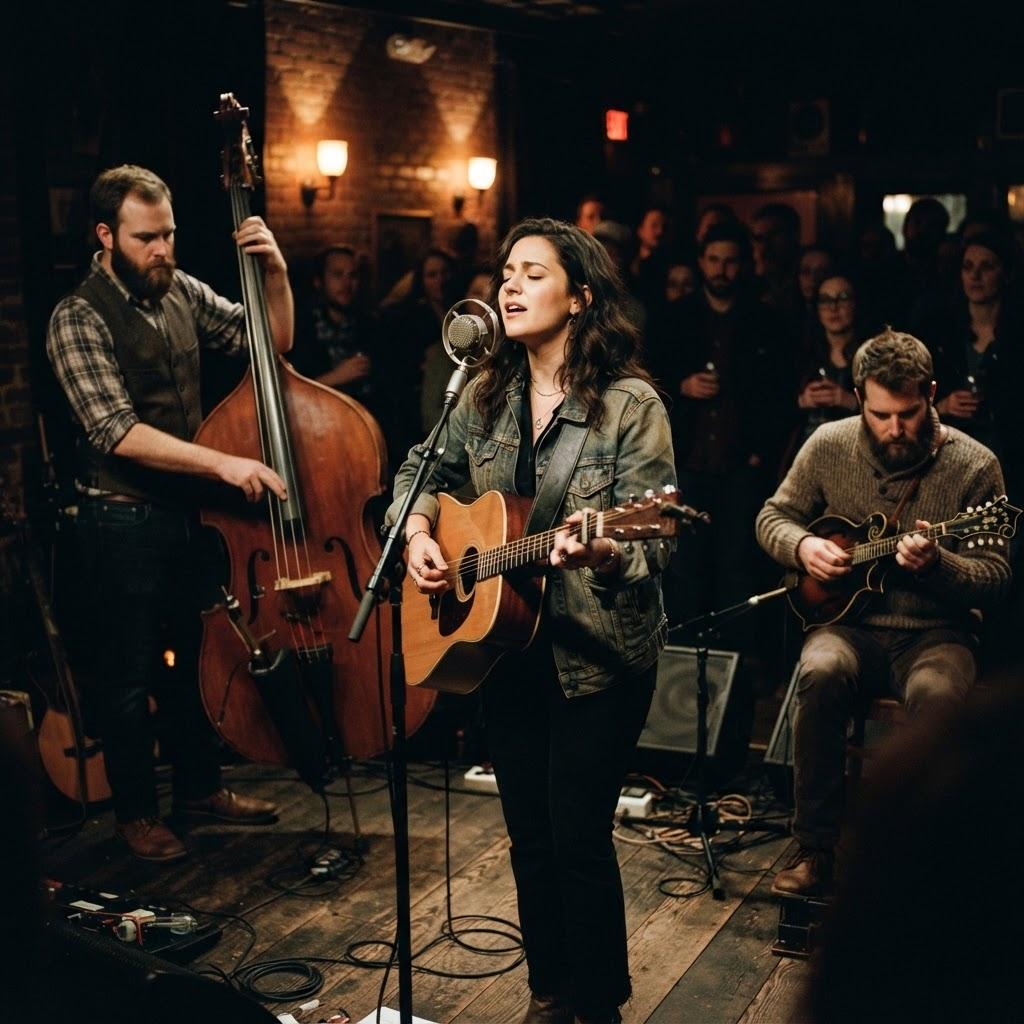
Today, Folk Rock is everywhere, even if we don't always call it by its proper name. You can hear its DNA in the chart-topping indie-folk songs that dominate streaming playlists. It is not just about the old guard anymore; it is about the kids in their bedrooms using synthesizers to emulate that classic 'jangle.' TikTok has become a massive engine for this, where acoustic snippets suddenly go viral and get remixed into stadium-sized anthems. There is a whole generation of artists who don't see the barrier between the campfire and the club, because they grew up with the entire history of music available on their phones. The 'purist' wars have largely ended, mostly because the concept of a 'pure' genre has been dead for decades. Now, it is about the vibe. Whether it is a soft, whispered track about lost love or a raucous, drum-heavy anthem about local politics, the spirit of Folk Rock—that blend of the poetic and the powerful—is arguably healthier today than it ever was in the 60s.
How to Dive In
Ready to take the plunge? Don't overthink it—just start with the heavy hitters and work your way down the rabbit hole. Start with The Byrds’ 'Mr. Tambourine Man' to get that quintessential jangle in your ears, then pivot immediately to Bob Dylan’s 'Bringing It All Back Home' to hear the sound that broke the world. Once you’re hooked, listen to Buffalo Springfield’s self-titled debut for that raw, messy brilliance. For a taste of how the British did it, spin Fairport Convention’s 'Liege & Lief.' If you want something a bit more introspective, dive into Neil Young’s 'After the Gold Rush,' which is basically a masterclass in how to sound like you are crying and rocking out at the exact same time. And if you really want to understand the modern evolution, check out some Fleet Foxes or early Bon Iver. The goal is not to study the genre like a school assignment; the goal is to find the song that makes you want to buy a guitar, write a poem, and turn your amp up to eleven. Go forth and jangle!