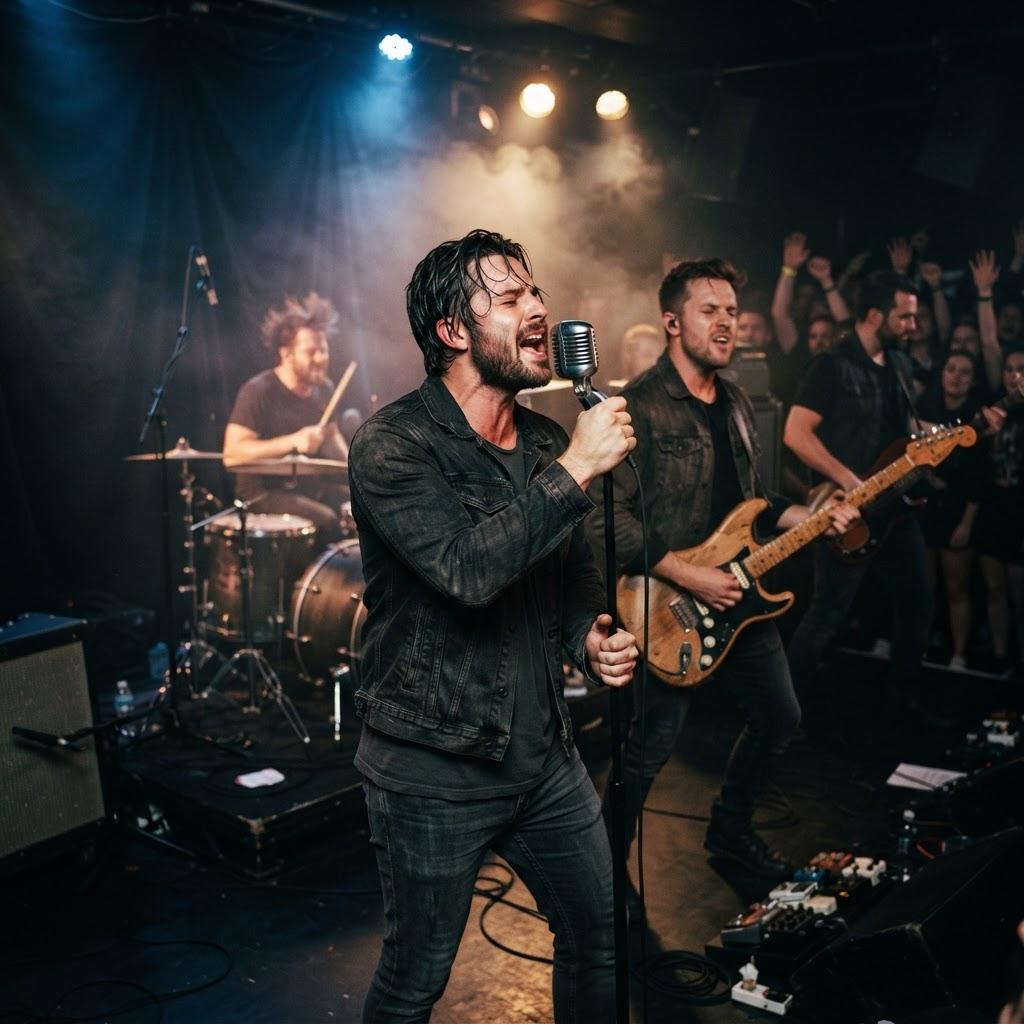
Late 1960s, Southern California, USA
Christian Rock
Christian Rock is the rebellious, riff-heavy cousin of mainstream guitar music that swapped the bar tab for a Bible verse and never looked back. It is a world where heavy distortion meets profound devotion, creating a sound that has soundtracked everything from youth group lock-ins to massive stadium anthems.
Meet the Genre
Imagine you are at a suburban garage band practice, but instead of the usual teenage angst about broken hearts or high school teachers, the lead singer is screaming about existential salvation with the intensity of a wildfire. That is the vibe of Christian Rock. It is a genre that thrives on the friction between high-octane distortion and deeply held convictions. It is the musical equivalent of a leather jacket over a Sunday best suit. From its humble beginnings in the sun-drenched streets of California to the arena-filling pyrotechnics of the modern era, this music has always been about taking the loudest, most rebellious sound in history—rock and roll—and turning it toward the heavens. It does not hide in the shadows; it is meant to be heard at full volume, echoing off the rafters of megachurches and pumping through the speakers of beat-up minivans. Whether you are a believer looking for a soundtrack to your faith or a skeptic curious about the sheer power of these distorted riffs, Christian Rock offers a unique window into a subculture that has spent decades proving that you do not need to sing about partying in the club to make the floor shake.
The Sound & Signature Elements
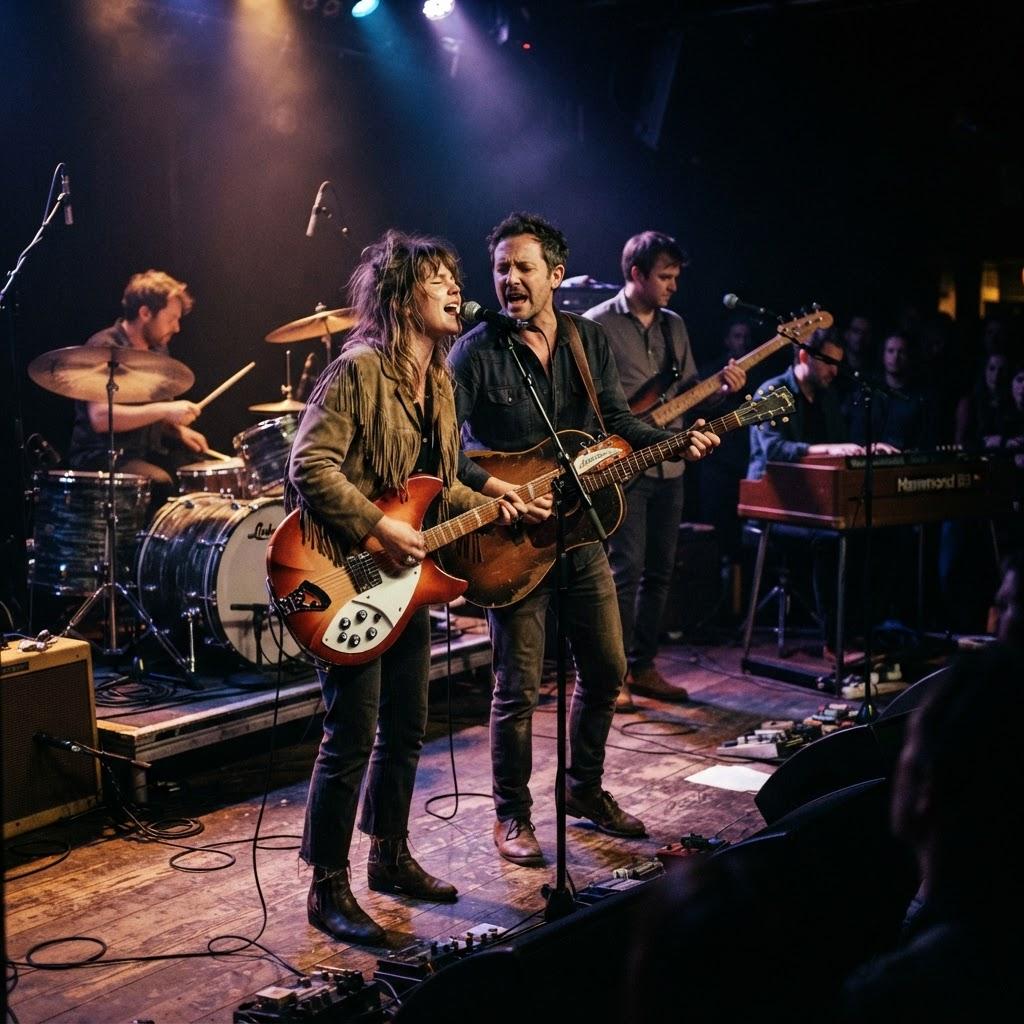
At its heart, Christian Rock is built on the sturdy bedrock of the classic rock quartet: drums, bass, rhythm guitar, and lead guitar. If you look at the DNA of the genre, you are seeing a direct descendant of British Invasion pop and Southern rock. The tempos are often brisk, usually sitting in the 120 to 140 BPM range, which is perfect for headbanging or driving fast on a highway. Producers in this genre are obsessed with 'polish'—the guitars usually feature a thick, saturated tone known as 'high gain,' which makes every chord sound huge and expansive, like a skyscraper made of electricity. A common trick is the use of delay pedals to give the lead guitar lines a 'spacey' quality, often referred to in music theory as 'atmospheric layering.' This makes even a simple melody sound like it is echoing across a canyon. Song structures typically follow the tried-and-true 'Verse-Chorus-Verse-Chorus-Bridge-Chorus' blueprint, ensuring that the hook—the most memorable part of the song—sticks in your head for days. It is loud, it is precise, and it is designed to sound incredible in a room full of people singing along.
Origins & Birth of the Sound
The birth of Christian Rock is a messy, beautiful story that begins in the late 1960s with a group of long-haired hippies in Southern California known as the 'Jesus People.' These counter-cultural figures were tired of the traditional, stuffy hymns of their childhoods and felt that the new rock music they heard on the radio had more honesty than the stained-glass windows of the status quo. They started writing their own songs, plugging in electric guitars in coffee shops and beach gatherings, essentially hijacking the revolution for their own purposes. It was a radical act. Imagine taking the spirit of Woodstock and pointing it toward a pulpit. This wasn't about trying to win a Grammy; it was about reclaiming the electric guitar from the 'devil' and putting it to work for a higher calling. Artists like Larry Norman, often called the 'Father of Christian Rock,' began blending protest-style folk with gritty blues-rock, laying the groundwork for a movement that would eventually explode into a multi-million dollar industry. It was born in basements and on street corners where the music was raw, the lyrics were confrontational, and the energy was entirely focused on changing the world, one power chord at a time.
The Pioneers & Legends
No conversation about Christian Rock can begin without a deep bow to Larry Norman. He was the provocateur who dared to ask, 'Why should the devil have all the good music?' and then went out and proved his point by crafting sharp, witty rock records. Then came the big-hair era of the 1980s, where bands like Stryper brought the 'hair metal' aesthetic to the church. Stryper was legendary not just for their soaring vocals and shredding solos, but for their signature look of yellow-and-black spandex, which they wore while throwing Bibles into the crowd—a sight that was as chaotic as it was iconic. Later, the 90s brought us the sheer emotional weight of bands like DC Talk, who transitioned from pop-rap to full-blown grunge rock, effectively bridging the gap between mainstream cool and theological depth. These pioneers were the astronauts of the genre, strapping themselves into rockets made of feedback and ambition, heading into unchartered territory where no one was entirely sure if they would be welcomed. They faced skepticism from both religious leaders who thought the music was 'too worldly' and rock critics who thought the message was 'too square,' but they persevered, eventually becoming the household names that defined the sound for a generation.
Defining Tracks & Era-Defining Moments
When you talk about the songs that shifted the tectonic plates, you have to talk about 'Jesus Is Just Alright' by The Doobie Brothers, which, while not strictly a 'Christian rock band' track, became the unofficial anthem that gave the genre legitimacy. But for the true believers, the real pivot point was the release of DC Talk’s 'Jesus Freak' in 1995. That song was a cultural supernova. It had a heavy, distorted grunge riff that sounded like it was ripped straight out of a Seattle basement, paired with lyrics that were unapologetically bold. Suddenly, Christian Rock wasn't just 'the stuff that sounds like the radio, but nicer.' It was actually 'the stuff that is as heavy as the radio.' Another massive moment was the explosion of Jars of Clay’s 'Flood' in the mid-90s, which introduced an acoustic-driven, alternative rock sound that felt deeply personal and melancholic. These tracks acted as gateways, drawing in listeners who liked the crunch of modern rock but were looking for lyrics that felt like they were speaking directly to their own inner battles. These songs didn't just top the Christian charts; they bled into the mainstream, proving that a catchy melody and a powerful message don't need a specific label to hit home.
Subgenres & Offshoots
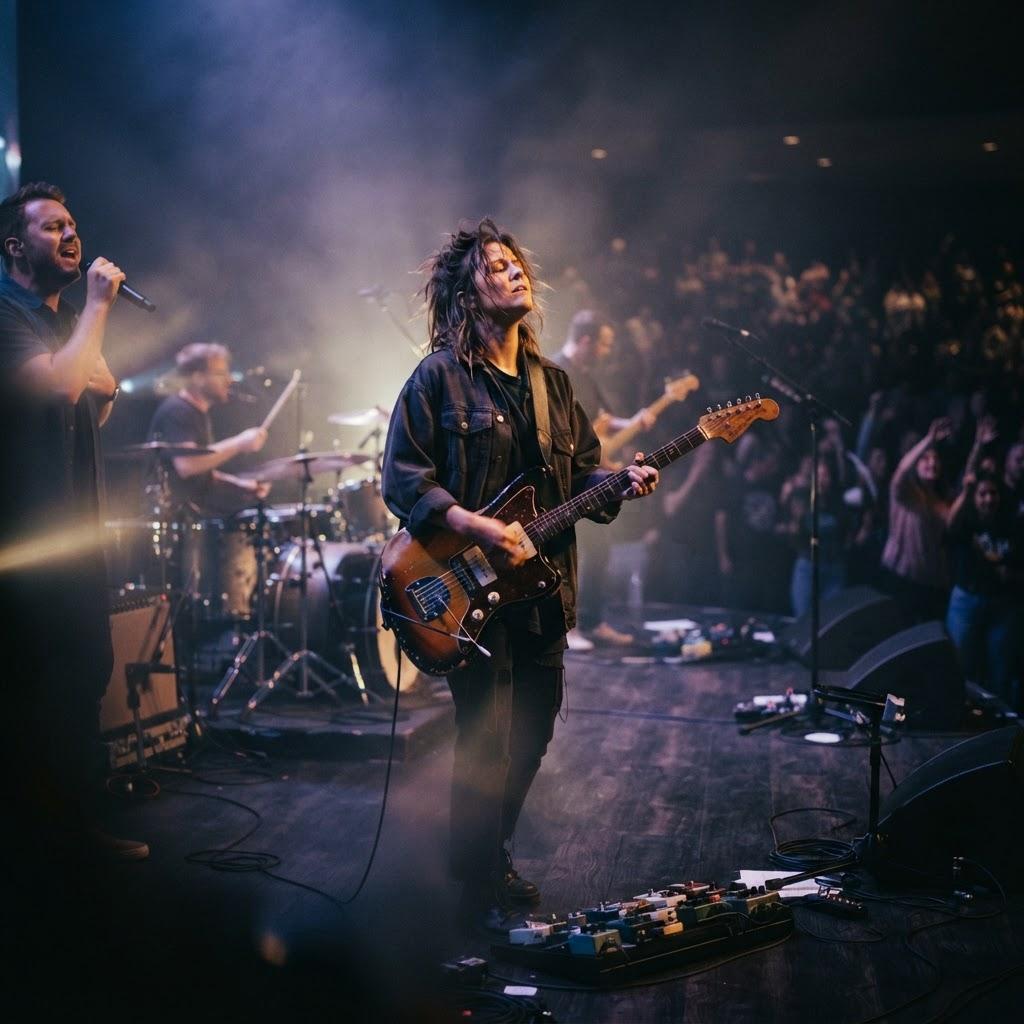
The Christian Rock family tree is surprisingly tangled, with branches that reach into every corner of the musical universe. On one side, you have 'Christian Metal' or 'White Metal,' which takes the aesthetics of heavy metal—the double-bass drumming, the growling vocals, the intricate guitar tapping—and uses them to explore themes of spiritual warfare. It is intense, often lightning-fast, and serves as a cathartic release for listeners. Then there is the 'Christian Punk' scene, which favors the raw, three-chord simplicity of the Ramones or Green Day, focusing on the anti-establishment ethos of punk while applying it to a faith-based lifestyle. You also have 'Modern Worship' rock, which is a massive industry now, characterized by huge, echoing choruses, synthesizers, and slow-building crescendos designed to create an immersive, meditative environment. Even 'Christian Industrial' had its moment, utilizing synthesizers, metallic sound effects, and dark, brooding textures that felt like they were being beamed from a futuristic, dystopian cathedral. Each of these subgenres offers a different flavor of the same core motivation, proving that you can take the attitude of almost any musical movement and find a way to make it reflect the spiritual experience.
Cultural Impact & Influence
It is easy to underestimate just how much of a shadow Christian Rock has cast over the broader cultural landscape, but if you look closely, you will see its fingerprints everywhere. For decades, the genre developed its own distinct fashion trends—from the aforementioned 80s spandex to the cargo pants and skater shoes of the early 2000s—which were often mirrored in the mainstream but tweaked to be just a little bit 'safer' or 'cleaner.' The genre also created its own parallel ecosystem of festivals, magazines, and radio stations that mirrored the mainstream music industry but operated with a different set of rules. This created a massive platform for artists who were otherwise ignored by secular labels, essentially building a successful independent music industry years before the internet made that easy. Furthermore, the focus on 'lyrical transparency' influenced how songwriters in other genres talk about their personal struggles and triumphs. By making it okay to be vulnerable and open about one's inner life, Christian Rock helped pave the way for the confessional songwriting that dominates modern pop. It proved that a niche could become a culture, and that culture could eventually influence the giants of the industry, changing the way we think about the relationship between art and belief.
Controversies & Drama
Oh, the drama! If you think the world of secular rock is full of ego and in-fighting, you clearly haven't peeked behind the curtain of the Christian music industry. For years, there has been a relentless 'purist war' between those who believe rock music is inherently dangerous and those who want to use it as a tool for outreach. Many bands were accused of 'selling out' the second they signed a contract with a major record label, while others were constantly under the microscope for whether their lyrics were 'theologically sound' enough. The backstage scenes were often filled with debates about everything from whether a drummer’s haircut was too aggressive to whether using certain stage lighting effects was 'too worldly.' Then there were the scandals—the inevitable human failings that happen when you put young, charismatic people on a pedestal and expect them to be perfect saints. It has been a long, bumpy road characterized by lawsuits, public apologies, and the occasional hilarious interview where a band had to explain why they played a chord that sounded 'too much like the devil.' This tension between being 'in the world but not of it' creates a constant friction that provides endless fodder for gossip and reflection.
Global Spread & Regional Scenes
While it may have started in a California garage, Christian Rock didn't stay there long. It spread like wildfire across the globe, adapting to every culture it touched. In Brazil, for example, the scene exploded with a fervor that put even the American charts to shame, blending local rhythms with hard-rock sensibilities to create something entirely new and energetic. In the United Kingdom, the sound took on a slightly more introspective, moody quality, heavily influenced by the history of British rock and the sprawling, echo-heavy nature of cathedral acoustics. Australia became a massive hub, particularly in the production of high-octane stadium anthems that were eventually exported back to the United States and used in churches worldwide. Each of these regional scenes developed their own 'sound' based on the local music culture. In some places, it was folk-driven and acoustic; in others, it was aggressively electric and fast. This global reach proved that the themes of the genre—hope, redemption, struggle, and discovery—are universal. Regardless of the language or the local music history, the core idea of plugging in a guitar and singing about the transcendent resonated in every corner of the planet, creating a worldwide community of listeners.
The Modern Landscape
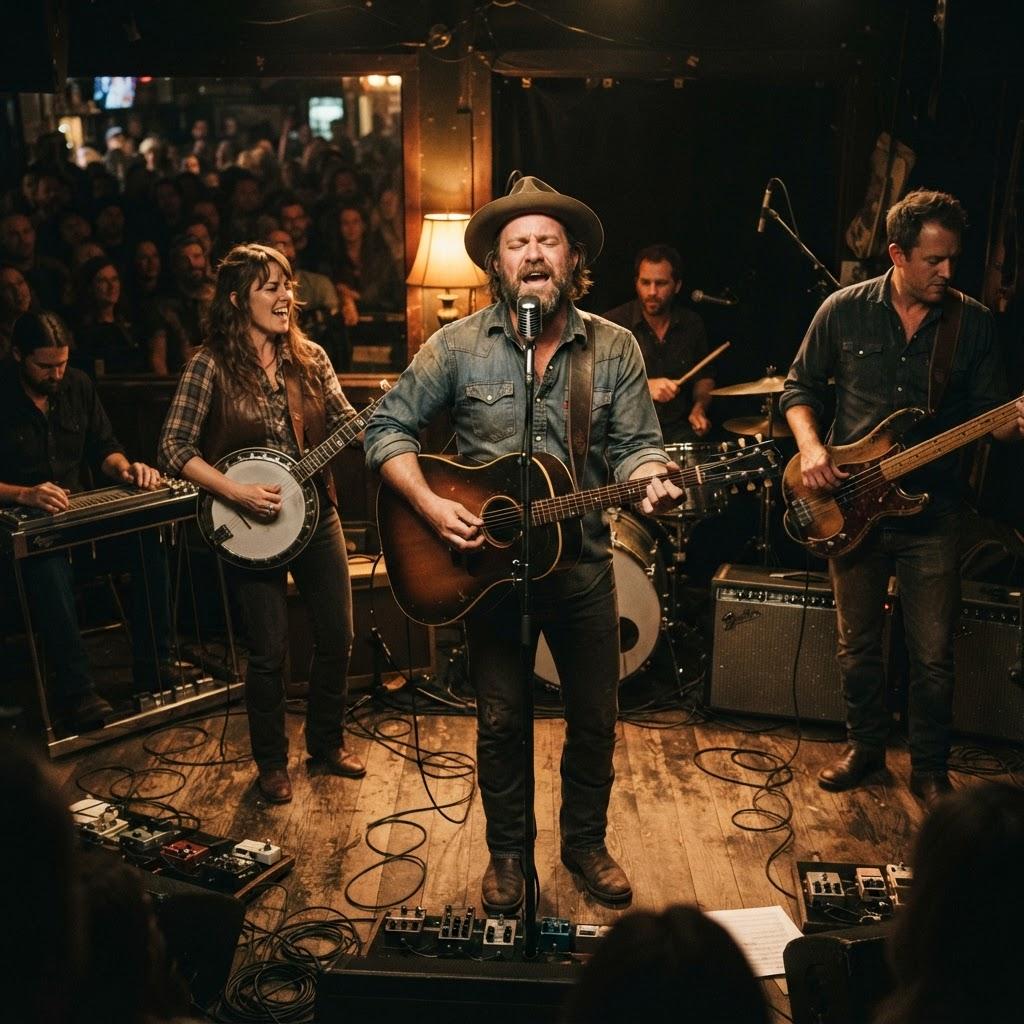
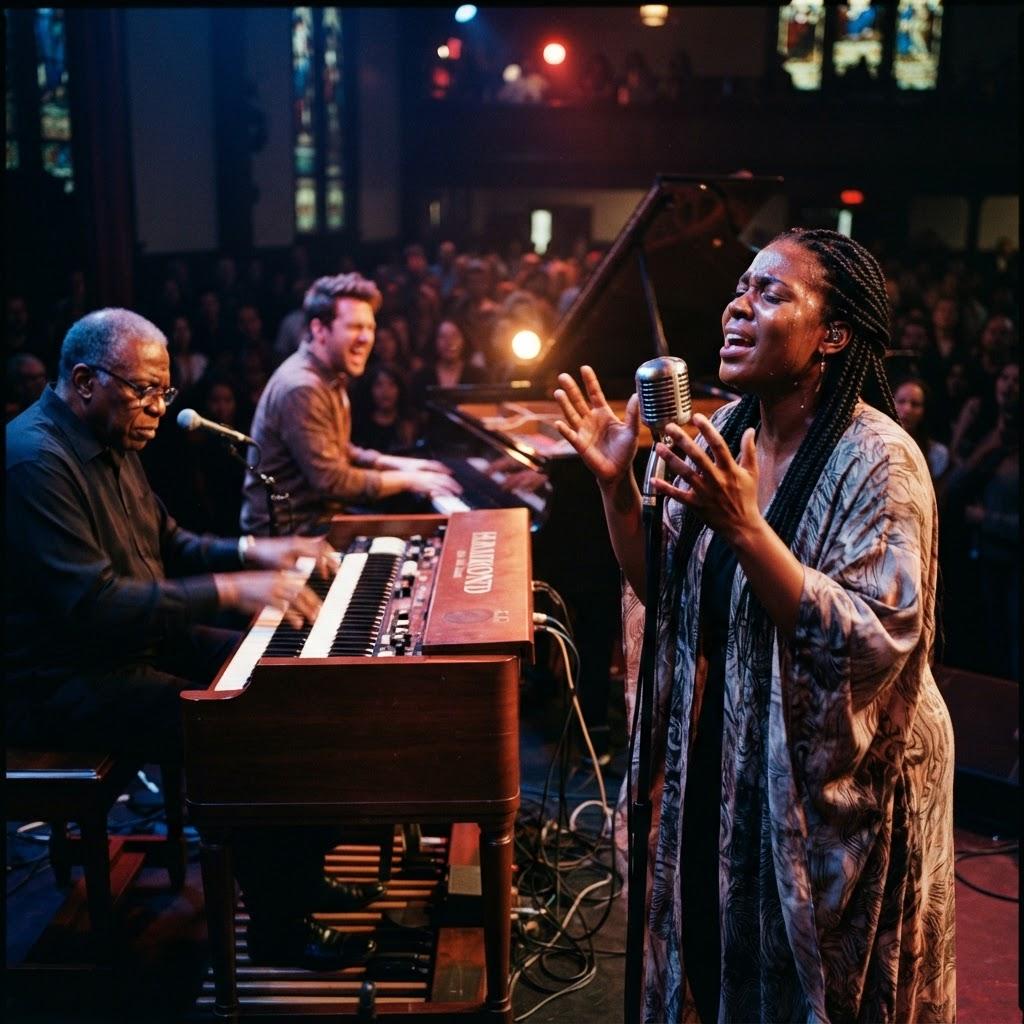
Today, the landscape of Christian Rock is more fragmented and exciting than ever. With the rise of the internet, the 'gatekeepers' have vanished. Artists are no longer beholden to Christian record labels; they are uploading tracks directly to streaming platforms and building fanbases on TikTok and Instagram. This has led to a much more diverse, genre-bending sound. You can now find Christian 'Lo-fi' hip-hop playlists, synth-pop tracks that sound like they belong in a futuristic neon nightclub, and indie-folk artists who write songs about their faith with the kind of brutal honesty that would make a 90s grunge rocker blush. The line between 'Christian' and 'mainstream' is blurrier than ever. Many artists now identify as 'artists of faith' rather than 'Christian artists,' preferring to make music that stands on its own merit while reflecting their worldview. It is a time of incredible experimentation. You might find a heavy metal band sharing a stage with a gospel choir, or a producer using trap beats to underscore an ancient hymn. The music is evolving in real-time, reflecting a generation that cares less about labels and more about the authenticity of the message.
How to Dive In
So, you’re ready to plug in and see what the noise is all about? Fantastic. If you want to dive in, start with the classics. Put on DC Talk’s 'Jesus Freak' album from front to back—it is the quintessential entry point, full of energy and hooks. Next, check out Jars of Clay’s self-titled debut for a masterclass in acoustic-driven alternative rock that feels like a warm, melancholic hug. If you want to feel the power of the 80s, search for some Stryper hits; the solos are blistering and the energy is infectious. For a modern taste, look up artists like Switchfoot—who mastered the art of crossing over into the mainstream—or check out the current crop of independent worship-rock artists on streaming platforms to see where the sound is heading right now. Don't worry about understanding every reference or finding the 'perfect' place to start; just jump in wherever the music sounds good to you. Crank the volume, pay attention to the lyrics, and let the guitars do the heavy lifting. Whether you are in it for the spiritual resonance or just to find your next favorite riff, the door is wide open and the music is waiting. Turn it up and enjoy the ride!