1960s-1970s
Worship
Step into the sonic sanctuary where massive arena-rock dynamics meet an eternal search for transcendence. It is the music that turns a stadium into a whisper and a solitary room into a thunderstorm of melody.
Meet the Genre
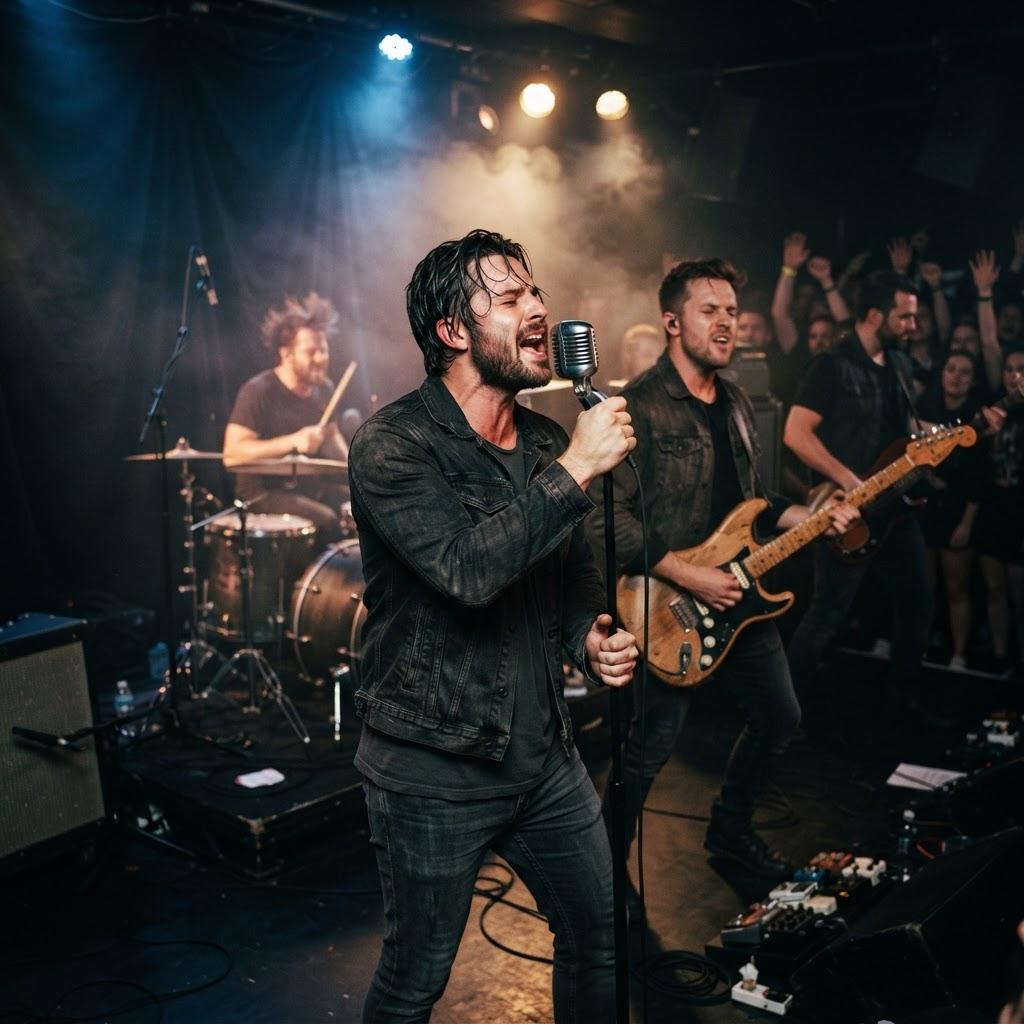
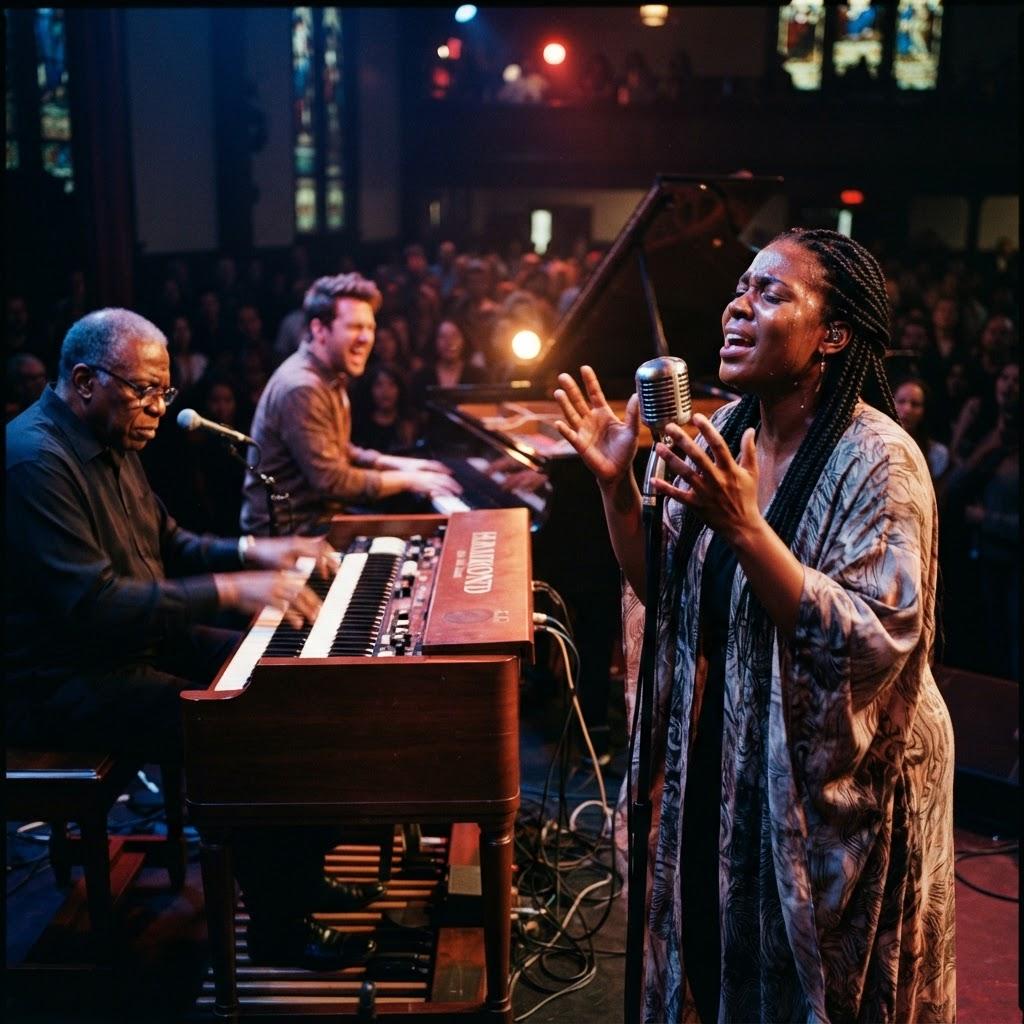
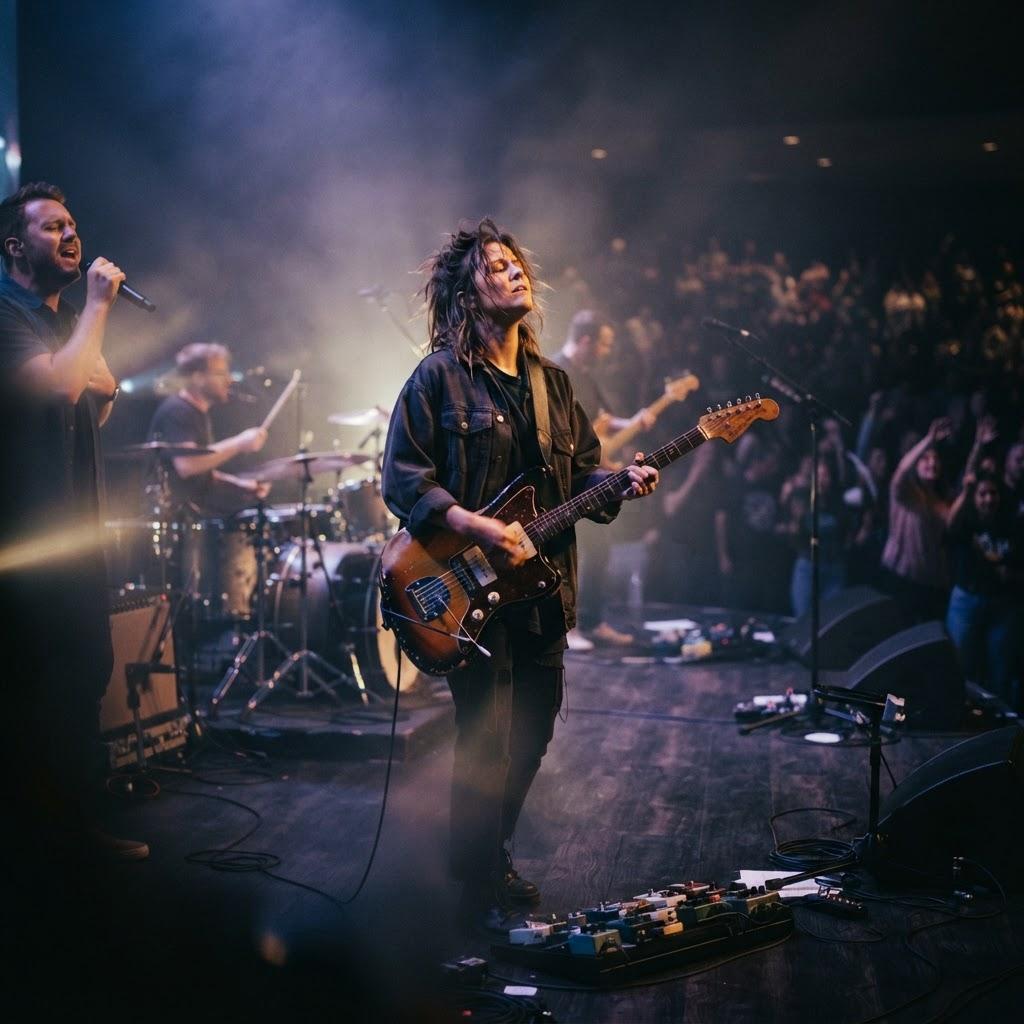
Worship music is the sonic equivalent of a wide-angle lens pointed at the heavens. Imagine walking into a room where the air feels heavy with anticipation, the lights dim to a soft indigo, and a wall of sound hits your chest like a warm, rhythmic hug. This isn't just music; it’s an atmospheric experience that aims to dissolve the barrier between the singer, the band, and the audience until everyone is singing the same chorus with the intensity of a crowd at a championship soccer final. It is music built for the collective, designed to turn thousands of individual heartbeats into one steady, driving pulse. Whether it is a stripped-back acoustic ballad that makes you reach for the tissues or a high-octane stadium anthem that demands you raise your hands to the ceiling, Worship music thrives on emotional momentum. It is the ultimate genre of the big feeling, where the melodies are intentionally crafted to be as catchy as a pop hook but as profound as a prayer. It is the sound of a generation trying to find the infinite in a three-minute song, and honestly, the results are often breathtakingly loud.
The Sound & Signature Elements
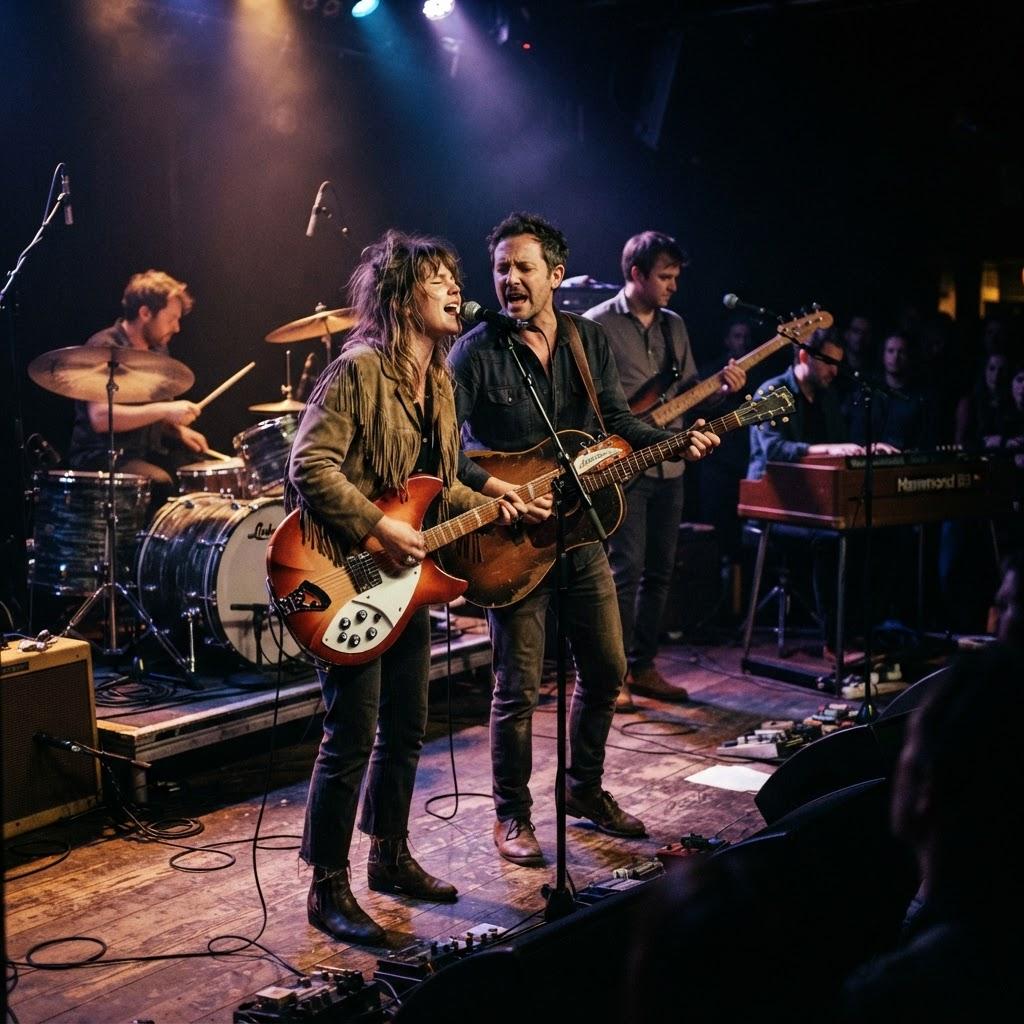
The secret sauce of modern Worship is something producers call the 'ambient wash.' Think of it as a sonic blanket. You take an electric guitar and run it through a 'delay' pedal—a gizmo that repeats your notes—and a 'reverb' pedal, which makes those notes sound like they were recorded in a massive, cold cathedral. When you stack these textures with a pulsing synthesizer and a driving drum beat, you get that signature 'swelling' effect that feels like the music is breathing. Musically, it often relies on the 'four-chord loop,' a reliable progression that keeps the listener in a state of suspended animation. It’s like a rollercoaster that never quite finishes the loop, keeping you hanging on for the next big release. The structure is rarely complex—usually verse, chorus, verse, chorus, bridge, and a final, massive chorus—because the goal isn't to show off virtuoso musicianship; it is to create a reliable vehicle for the melody to soar. The tempo can shift from a gentle, meditative ballad speed of 70 beats per minute to a foot-stomping, high-energy pace of 130 beats per minute, but the intent remains the same: create a space where everyone feels invited to participate in the noise.
Origins & Birth of the Sound
The roots of modern Worship trace back to the unlikely collision of California counterculture and the church in the late 1960s. During the height of the Jesus People movement, barefoot hippies started picking up acoustic guitars and replacing folk lyrics about peace and love with lyrics about, well, the Divine. They traded the smoky coffee houses for sandy beaches and church basements, injecting a DIY ethos into a setting that had previously been dominated by rigid organs and stuffy hymnals. It was a creative act of defiance. These young musicians wanted music that sounded like the records they heard on the radio—folk, rock, and soul—not the dusty, formal songs their grandparents sang. By the 1980s and 90s, the movement moved from the sand to the suburbs, adopting the glossy, stadium-ready production styles of U2 and Coldplay. It was the birth of the 'Praise and Worship' era, where the guitar-heavy sound became the new standard for Sunday mornings. They realized that if you wanted to reach the kids, you had to speak their language, and that language was comprised of ringing guitar chords and emotional, heartfelt vocal deliveries that didn't sound like they belonged in a museum.
The Pioneers & Legends
You cannot talk about the heavy hitters of this genre without bowing down to the legends who turned it into a global machine. Think of Vineyard Music as the original architects, the guys who figured out how to make a guitar weep in the right way to set a mood. Then came the era of individual songwriters who became icons in their own right, like Michael W. Smith, who brought pop sensibilities to the genre, or Amy Grant, who proved that this music could actually hit the mainstream charts without losing its soul. But the real game-changer was the emergence of the 'church bands.' Think of Hillsong, an outfit out of Australia that essentially wrote the playbook for modern Worship. They treated songwriting like a commercial enterprise, churning out anthems that were so massive they could fill a stadium in seconds. When you look at the trajectory, it’s a lineage that goes from humble campfire strumming to international recording artists who are treated like rock stars. These are the people who didn't just write songs; they built a global infrastructure that sounds the same whether you are in a small town in Idaho or a bustling metropolis in Singapore.
Defining Tracks & Era-Defining Moments
Every genre has those songs that trigger a visceral reaction the moment the first chord hits, and Worship has a library of them. Take 'Shout to the Lord,' for example—it was the moment the genre shifted from 'quiet acoustic circle' to 'massive, soaring hymn.' It set the template for the big, building melody that peaks at the bridge. Then there is 'How Great Is Our God,' a track that proved you didn't need to be experimental to be effective; you just needed a melody so simple and sturdy that a stadium full of people could sing it without a lyric sheet. Another pivotal moment was the release of 'Oceans (Where Feet May Fail),' which took the atmospheric, ambient soundscape style—the one with the echoey guitars and the slow, swirling rhythm—and turned it into a mainstream radio hit. It was the moment the genre stopped being 'that niche thing' and became a legitimate contender for the most played tracks in global charts. These moments aren't just about record sales; they are about songs that became cultural touchstones, tracks that practically everyone knows the words to, whether they go to church or not.
Subgenres & Offshoots
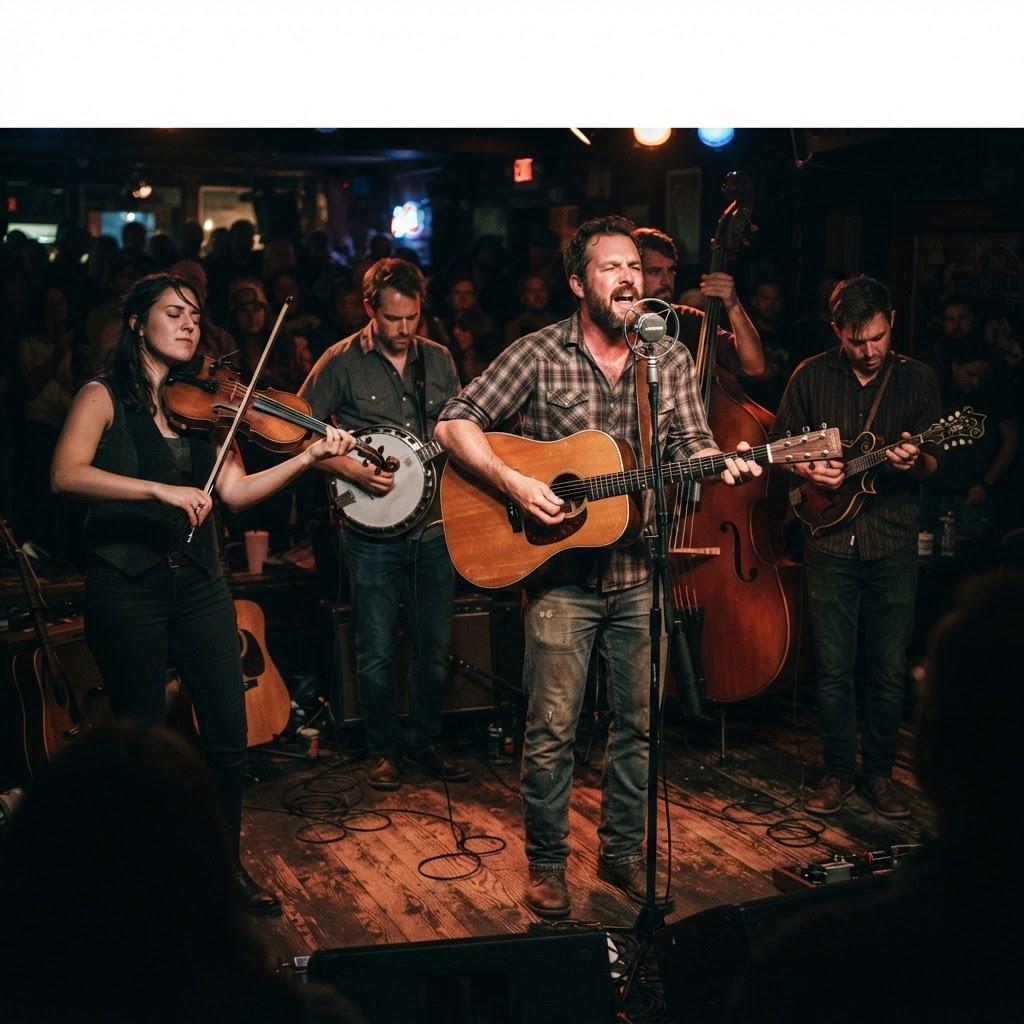
The Worship family tree is surprisingly diverse, with branches that reach into some pretty unexpected corners. You have the 'Acoustic/Folky' branch, which sticks to the roots—banjos, acoustic guitars, and harmonies that sound like a porch gathering. Then there is the 'Electronic/Dance' wing, which is essentially EDM with lyrics; this is all about high-BPM synth stabs, heavy bass kicks, and flashing light shows designed to keep the energy at a fever pitch. There’s even a growing 'Lofi/Chill' movement where producers take classic melodies and put them over slow, dusty hip-hop beats—perfect for those who want their devotional music to sound like a study playlist. Don't forget the 'Post-Rock/Instrumental' scene, which borrows heavily from bands like Explosions in the Sky; these tracks are ten minutes long, feature almost no lyrics, and rely entirely on building tension and massive guitar climaxes. It is a wide spectrum, ranging from the absolute simplicity of a guy with an acoustic guitar to the dense, multi-layered production of a studio team that spends more time on sound design than most tech companies spend on software.
Cultural Impact & Influence
Worship music has quietly become one of the most influential forces in modern music production, even if people don't always realize it. Have you noticed how many modern pop songs rely on that 'swelling' chorus where the music drops out and then comes back in with everything at once? That trick was polished to perfection by Worship bands decades ago. They essentially pioneered the 'stadium aesthetic' where the music is designed to make a crowd feel like a single, unified entity. Beyond the technical stuff, the genre has shaped the language of modern pop, influencing how artists express vulnerability and earnestness. It has become a massive economic engine, with festivals that rival Coachella in scale and production value, and a touring circuit that keeps thousands of sound engineers, lighting designers, and session musicians in high-paying jobs. It’s a subculture that operates entirely parallel to the mainstream music industry, with its own charts, awards, and celebrity hierarchy, proving that you don't need a major label deal to command a global audience that spans every continent.
Controversies & Drama
Oh, the drama is real. For as 'spiritual' as the genre aims to be, it has plenty of high-stakes, petty, and genuinely intense conflict. There’s the classic 'Purist vs. Modernist' battle—you know, the guys who insist that if it doesn't sound like a hymnal from 1850, it isn't 'real' music, pitted against the kids who think a worship song without a strobe light is a wasted opportunity. Then there is the 'Sellout' narrative, where fans inevitably freak out whenever a popular artist starts collaborating with secular pop stars or experimenting with a beat that sounds too 'urban' for their liking. The biggest drama usually involves money and power—who owns the publishing rights to the songs that billions of people sing every week? That’s a battle over literal fortunes. Add in the high-profile scandals involving lead singers or church leadership, and you have a genre that is just as prone to implosions, breakups, and tabloid-level gossip as any other corner of the music world. It is the perfect mix of high-minded ideals and very low-stakes, very human messy behavior.
Global Spread & Regional Scenes
Worship music is a true global citizen, and it changes its accent depending on where it lands. In Brazil, it takes on a rhythmic, passionate intensity, often incorporating percussion-heavy arrangements that feel like a party. In the UK, it leans into that sophisticated, moody, post-punk aesthetic—think lots of dark synths and introspective lyrics that feel very much at home in a rainy London studio. Over in South Korea, the production is incredibly polished and technically precise, reflecting a culture that values excellence and high-end audio engineering. Then you have the African scenes, particularly in Nigeria and Ghana, where the music is infectious, high-energy, and deeply infused with local pop melodies and traditional rhythms. Each region takes the core DNA—the focus on melody and participation—and filters it through their own local taste, creating a fascinating tapestry of sound. It is a genre that refuses to stay in one place; it has become a universal language that translates perfectly across borders because, at its heart, it’s all about the same universal desire to express something bigger than yourself.
The Modern Landscape
Today, Worship music is living its best life on social media. Thanks to TikTok and Instagram, the genre has moved beyond the church walls and into the 'study-with-me' aesthetic and 'chill vibes' playlists. There is a whole generation of creators who are remixing these songs, putting them through heavy electronic filters or stripping them back to just a vocal and a piano. The industry is booming, with massive recording entities acting more like tech startups than traditional record labels, using data to track which choruses 'hit' the hardest and which bridges get the most engagement. It is arguably in its most 'mainstream' era ever, with boundaries between 'secular' and 'sacred' music becoming increasingly porous. You can walk into a coffee shop and hear a song that was written for a church service, and no one would blink because the production quality is just that good. It is no longer a hidden subculture; it is a polished, professional, and incredibly pervasive sound that has mastered the art of being both background music and the center of attention.
How to Dive In
Ready to take the plunge? Don't overthink it—just find a pair of good headphones and let the atmosphere wash over you. Start by checking out the heavy hitters like Hillsong United's 'Zion' or Bethel Music’s early live recordings, as these are the gold standard for that massive, expansive sound. If you want something a bit more introspective, look for the 'acoustic sessions' albums, which strip away the synths and let the lyrics stand on their own. Once you have a taste for the big stuff, go digging for the 'ambient' playlists on your favorite streaming service; that is where you will find the real gems, the tracks that are built purely for mood and texture rather than pop success. Look for artists like Jon Guerra or the guys in Gungor if you want something that pushes the boundaries of what 'devotional' music can sound like. Don't worry about understanding every nuance or the theological context; just listen for the hooks, enjoy the production, and prepare to be surprised by how much power can be packed into a single, well-crafted melody. Turn the volume up, hit shuffle, and prepare for a total sonic reset.