1930s-1940s, Southern United States
Honky Tonk
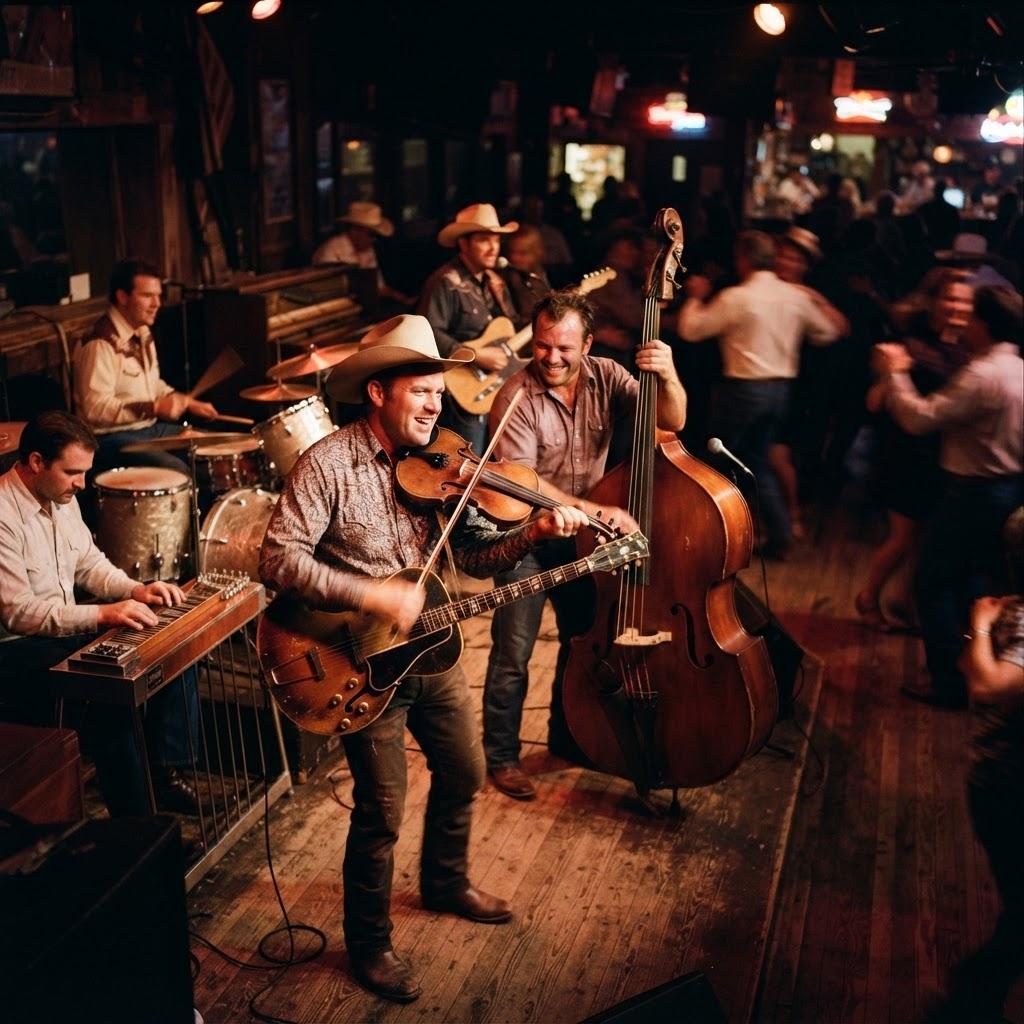
Step into the smoky, sawdust-covered world of Honky Tonk, where the beer is cold, the heartbreaks are heavy, and the jukebox is always playing your story. It is the raw, unapologetic sound of the working class finding joy in the middle of a Friday night wreckage.
Meet the Genre
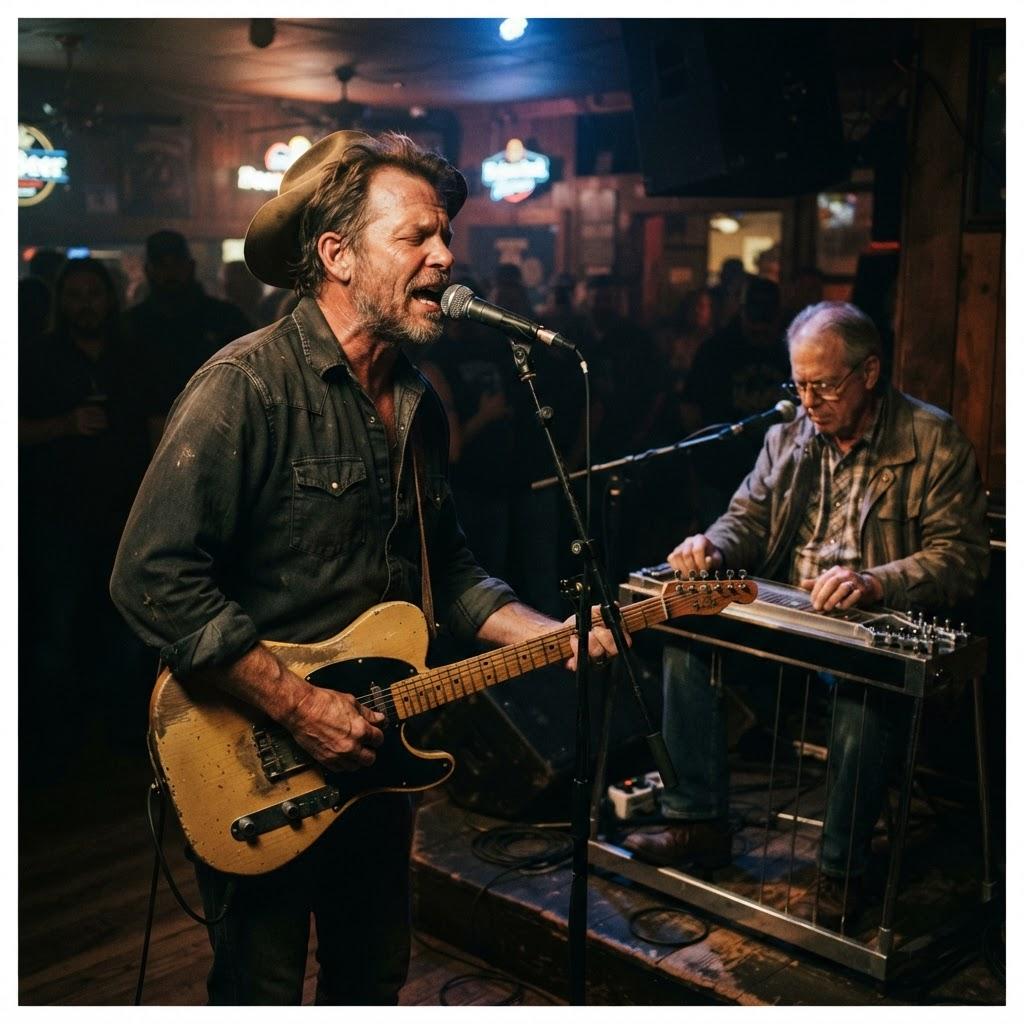
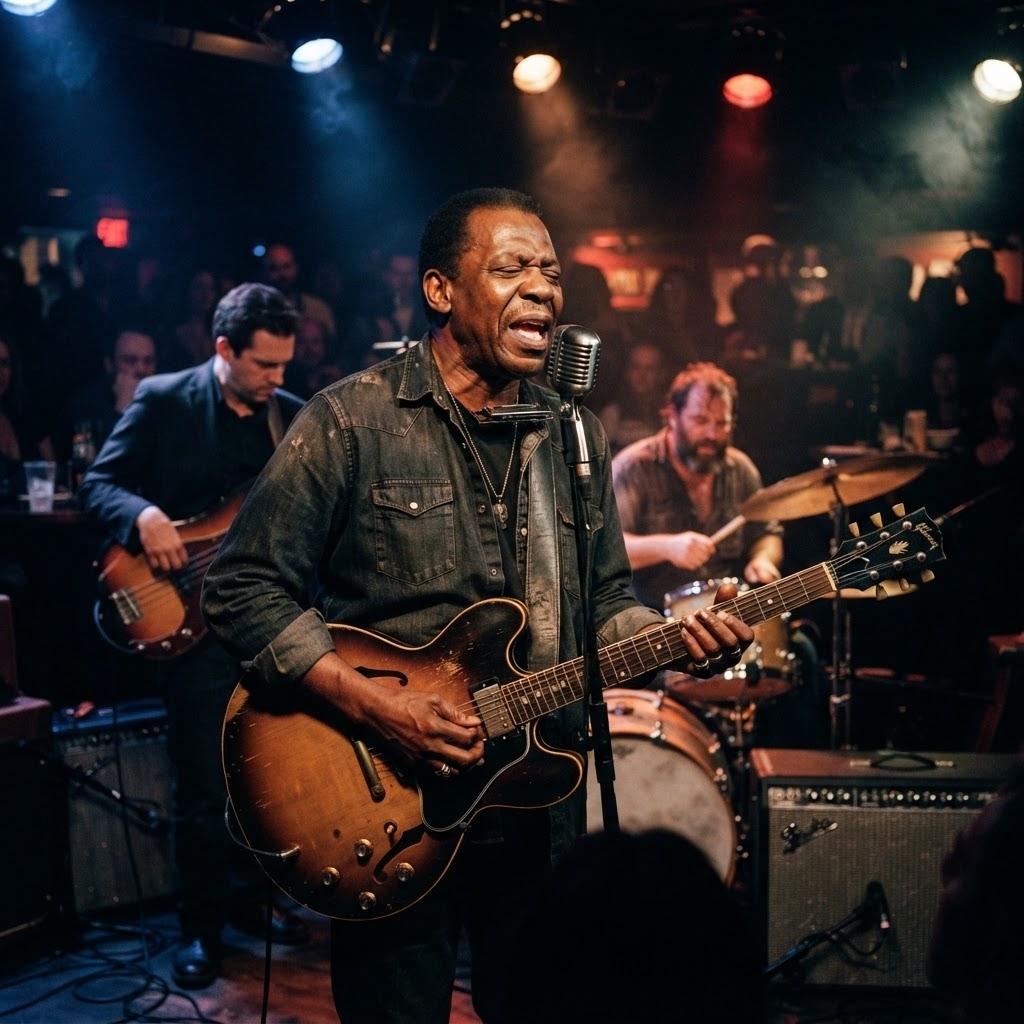
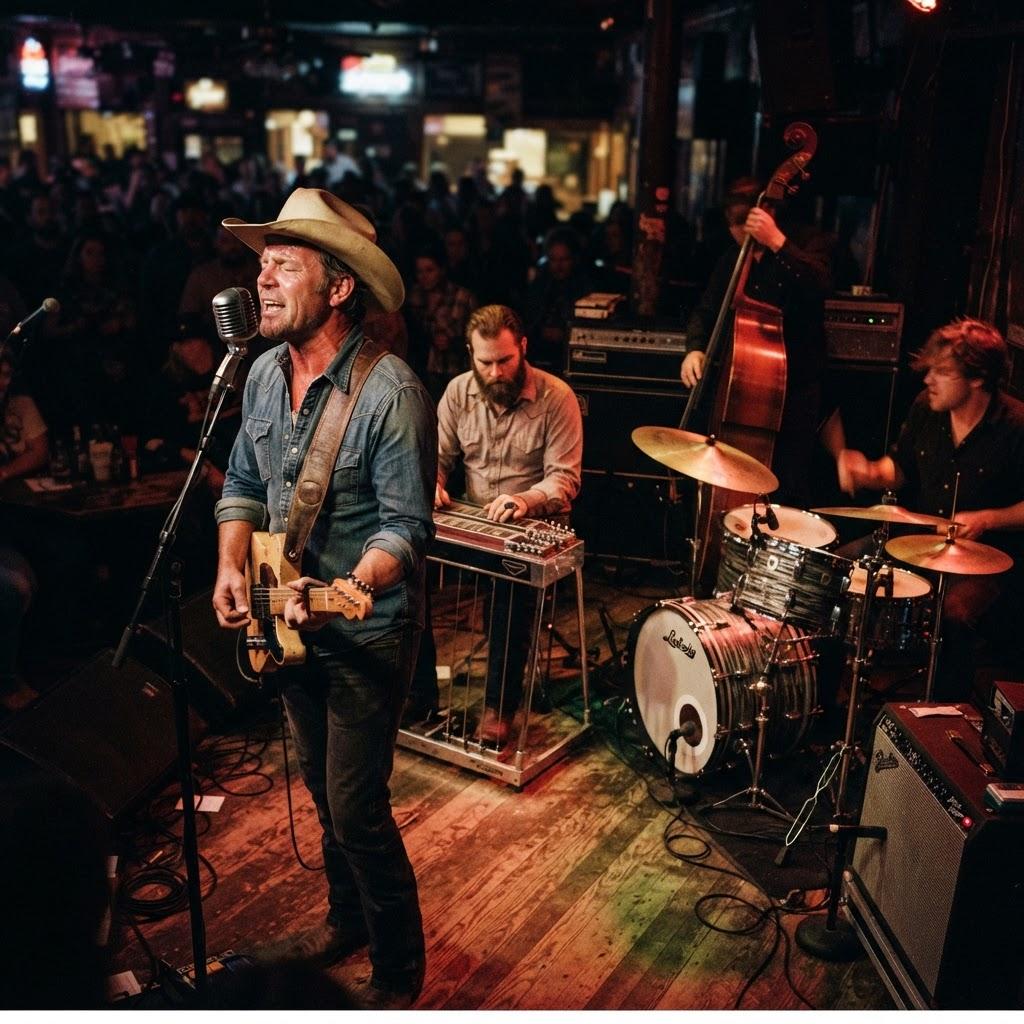
Imagine walking into a dimly lit building where the air is thick with the scent of cheap beer and stale cigarette smoke. The floor is covered in sawdust to soak up whatever gets spilled, which is plenty. In the corner, a band is hammering out a tune that makes you want to cry and dance at the exact same time. This is the world of Honky Tonk. It is not high art meant for velvet-seated concert halls; it is the heartbeat of the roadside bar, a place where the music is loud enough to drown out the sound of your own bad decisions. Honky Tonk is the musical equivalent of a stiff drink on a Tuesday afternoon—it is honest, it is gritty, and it never tries to be anything it isn't. It is the sound of blue-collar life, full of love triangles, paychecks that don't stretch far enough, and the stubborn hope that things might look better by sunrise. When a steel guitar starts crying in a Honky Tonk song, it sounds like someone finally admitting that their heart is actually broken, and that kind of vulnerability is what makes the genre so addictive. It is a world where the lyrics hit harder than the whiskey, and everyone is invited to the pity party.
The Sound & Signature Elements
If you look under the hood of a Honky Tonk song, you will find a simple, sturdy engine designed for one purpose: keeping the patrons tapping their boots on the sawdust floor. At its core, the genre is built on a steady 'boom-chicka' rhythm—a bass note followed by a chord strum that sounds like a galloping horse. This simple beat acts as the backbone, letting the real star of the show shine: the pedal steel guitar. Think of the pedal steel as a guitar that went through a magical transformation, using levers and pedals to slide between notes like a ghost crying in the night. It gives the music that signature 'whine' that makes you reach for your wallet to buy another round. Then there is the 'Honky Tonk piano,' which usually sounds a little bit out of tune and incredibly lively, playing rhythmic riffs that dance around the vocals. Everything is kept at a moderate, danceable tempo, usually somewhere between a stroll and a jog. The lyrics are where the magic really happens—they are essentially short stories about the harsh realities of life, sung with a vocal twang that emphasizes every ounce of pain and humor.
Origins & Birth of the Sound
Honky Tonk wasn't born in a sterile recording studio; it was forged in the oil fields of Texas and the dusty roads of Oklahoma. During the 1930s and 40s, laborers who spent their days doing back-breaking work needed a place to blow off steam. The term 'honky-tonk' actually referred to the establishments themselves—those rough-around-the-edges drinking dens that popped up where people lived and worked. In these places, acoustic guitars just weren't cutting it against the roar of a noisy crowd and the clinking of glasses. Musicians needed something louder, sharper, and more aggressive. They started plugging their guitars into early amplifiers, creating that biting, metallic tone that could cut through the din of a bar fight. This wasn't just music; it was a survival tool. It was the soundtrack for people who were tired, broke, and looking for a little bit of magic in the middle of a desolate landscape. They borrowed the rhythmic swing of big band music, the storytelling of folk traditions, and the raw emotion of the blues to create something entirely new. It was a defiant act of creativity, proving that even in the toughest environments, humanity finds a way to turn its collective struggle into a song that everyone can understand.
The Pioneers & Legends
You cannot talk about Honky Tonk without bowing down to the King himself, Hank Williams. Hank was the ultimate poet of the brokenhearted; he wrote songs that felt like they had been ripped right out of his own messy, tragic life. With his lonesome voice and a catalog of hits like 'Your Cheatin' Heart,' he set the standard for what a Honky Tonk song should be. Then there is Ernest Tubb, the 'Texas Troubadour,' who was the first guy to really put the electric guitar front and center in the genre. He recognized that if you wanted to be heard in a noisy tavern, you needed to get loud. Lefty Frizzell brought a vocal style that was so slippery and expressive it sounded like he was pouring liquid gold over the melody, influencing everyone from Merle Haggard to George Strait. And let's not forget Kitty Wells, the 'Queen of Country Music,' who shattered the glass ceiling by singing about the 'It Wasn't God Who Made Honky Tonk Angels' perspective, proving that women had just as much reason to be sitting on a barstool as the men did. These pioneers weren't polished pop stars; they were regular people with extraordinary burdens and a gift for making sure we all felt a little less alone.
Defining Tracks & Era-Defining Moments
To truly get the vibe, you need to listen to the tracks that changed the game forever. 'Walking the Floor Over You' by Ernest Tubb is basically the Big Bang of the genre; it introduced that driving electric guitar sound that made the jukebox the most important object in the building. Then there is Hank Williams' 'Lovesick Blues,' which features that iconic yodel—a vocal technique where the singer rapidly switches between a normal voice and a high-pitched falsetto, like a coyote howling at the moon. It is campy, it is sad, and it is absolutely brilliant. You also have to spin 'The Wild Side of Life' by Hank Thompson, a song so popular it spawned a dozen 'answer' songs from other artists, turning the charts into a public soap opera. These songs were more than just hits; they were cultural touchstones. They established the 'Honky Tonk Rules of Engagement': if you are feeling low, play a song about being low, and you will eventually find your way out of it through the sheer power of shared misery. These tracks are the foundation of the genre, serving as the blueprint for every country artist who has ever picked up a guitar in a dark corner of a room.
Subgenres & Offshoots
Once Honky Tonk became the dominant sound, it started mutating like a good musical virus. You have the 'Bakersfield Sound,' which migrated to California, trading the smooth, polished production of Nashville for a gritty, rock-and-roll-adjacent edge that sounded like a punch in the gut. Then there is 'Outlaw Country,' the rebellious younger brother that grew its hair out, started wearing black, and decided the traditional rules were for suckers. It took the Honky Tonk themes of drinking and heartbreak and dialed the intensity up to eleven. You also have 'Western Swing,' which is basically what happens when Honky Tonk puts on a fancy tuxedo, adds a full horn section, and decides to go dancing with a jazz band. It is wilder, faster, and features way more fiddles than should be legal. On the softer side, you find the 'Countrypolitan' movement, which tried to smooth out the jagged edges of Honky Tonk with strings and choirs, though the purists hated it for being too 'slick.' Each of these offshoots keeps a little bit of that original Honky Tonk DNA, proving that no matter how much you dress it up or strip it down, the soul remains the same.
Cultural Impact & Influence
Honky Tonk isn't just a style of music; it is a way of life that has seeped into everything from the clothes we wear to the way we talk. The cowboy hat, the boots, the denim—this iconic look was solidified by the Honky Tonk legends who needed clothes that were durable enough for the bar and fancy enough for the stage. It influenced language too, popularizing terms about 'drinking your troubles away' and 'two-steppin' through life.' In the world of film, Honky Tonk became the default soundtrack for any scene that required grit, authenticity, or a sense of rural longing. You can hear the ghosts of Honky Tonk in the work of rock icons like The Rolling Stones, who spent their entire careers trying to capture that same raw, loose-limbed energy. Even today, the 'Honky Tonk' aesthetic represents a kind of defiant authenticity; it is the rejection of pretension. Whether it is a fashion brand selling distressed denim or a gritty indie film set in a roadside tavern, the influence of that original, beer-soaked sound is everywhere. It reminds us that sometimes, the best art comes from the places that society overlooks.
Controversies & Drama
Oh, the drama! The history of Honky Tonk is filled with more feuds than a reality television show. The biggest battle was always the 'Nashville vs. The World' war. Nashville, the capital of the country music industry, wanted to polish things up to sell records to the masses, while the artists in the trenches wanted to keep it raw, loud, and honest. You had purists calling people 'sellouts' if they dared to add a drum kit or a pop hook, while the innovators were trying to make the music relevant to a changing world. Then there were the 'Outlaw' artists like Waylon Jennings and Willie Nelson, who basically told the industry to take a hike, moved to Texas, and started doing things their way—recording what they wanted, when they wanted, and how they wanted. The drama wasn't just about music; it was about integrity. The industry wanted a clean-cut product, but the artists wanted to sing about the reality of life—the infidelity, the jail time, and the hangovers. Every time a new artist tried to push the boundary, the old guard would scream that the genre was dead, and every single time, the genre would just shrug and keep playing.
Global Spread & Regional Scenes
While it started in the dusty plains of the American South, Honky Tonk has a way of traveling. It hopped over the ocean and found a surprising home in unexpected places. In places like Australia, the 'Bush Ballad' scene borrowed heavily from the Honky Tonk aesthetic, telling stories of hard work and isolation in the outback. In Europe, especially in the dark bars of Scandinavia, there are pockets of fans who love the sound of a weeping steel guitar so much they have built entire festivals around it. Within the US, regions like the Pacific Northwest and the Rust Belt have their own distinct 'bar band' circuits that keep the torch burning. Each region adds its own local seasoning—maybe a little more blues, a touch of folk, or some rock-and-roll swagger. It proves that the themes of Honky Tonk are universal; people everywhere deal with broken hearts, paychecks, and the need to blow off steam. You can walk into a tavern in London, Tokyo, or Austin, and if you hear that distinct shuffle rhythm and the sound of a pedal steel, you immediately feel like you are back in the heart of Texas.
The Modern Landscape
Is Honky Tonk alive? You bet it is, though it looks a bit different these days. It is not just about the old-timers anymore; there is a massive resurgence of young artists who are obsessed with the sound, bringing a new energy to the classic formula. You have 'Neo-Traditionalists' who treat the genre like a religion, carefully recreating that 1950s production style with modern technology, making it sound punchier than ever. Then there is the 'Americana' scene, which takes the Honky Tonk spirit and mixes it with indie rock, folk, and soul, creating something that feels fresh while still respecting the roots. You will find it on social media, where clips of real-deal bar bands blowing the roof off a small venue go viral, proving that people are still starving for music that feels human. It is no longer just for the 'country' demographic; it is being rediscovered by college kids who love the songwriting, the fashion, and the sheer lack of digital pretense. It is a genre that refuses to be put in a museum, constantly evolving while keeping its boots firmly planted in the sawdust.
How to Dive In
Ready to take the plunge into the sawdust? Start with the absolute gods of the genre to build your foundation. You must listen to Hank Williams’ '40 Greatest Hits'—it is essentially the Bible of the genre. Then, move on to Merle Haggard’s 'Mama Tried' and 'Okie from Muskogee' to get that Bakersfield edge. For the female perspective, Kitty Wells is mandatory listening, and Patsy Cline brings a sophistication that shows the softer side of the sound. If you want to hear the modern evolution, check out artists like Sturgill Simpson, who treats Honky Tonk like a psychedelic canvas, or Colter Wall, who sings with a voice that sounds like it has been seasoned in a gravel pit. Don't just listen on your headphones; turn it up loud. This music is designed to fill a room, to be felt in the floorboards. Find a local dive bar that has a live band on a Friday night, order a cold one, and just watch how the rhythm takes over the room. There is no right way to listen, just as long as you let the pedal steel do its job and wash away the stress of the day. Welcome to the family—there is always room for one more on the barstool.