1970s, United Kingdom
Industrial
Industrial is the sonic equivalent of a jet engine having a mid-life crisis in a steel factory. It is the glorious, rhythmic clatter of gears, angst, and pure synthesized defiance that turned the world's machinery into a dance floor.
Meet the Genre
Imagine walking through an abandoned, rusted-out factory at three in the morning, but instead of ghosts, you find a dance floor glowing with neon strobe lights and the rhythmic grinding of heavy machinery. That is Industrial. It is not just music; it is an aggressive, beautiful, and completely unhinged reaction to the pristine polish of standard pop music. Industrial doesn't care if you think it is pretty. It doesn't care about verse-chorus-verse structure, and it certainly doesn't care about your delicate sensibilities. This is the genre that decided a pile of clanging metal, a feedback-drenched guitar, and a synthesized pulse that sounds like an angry robot were the perfect building blocks for a pop song. Industrial feels like the tension of urban decay captured in audio form—a relentless, claustrophobic, and exhilarating experience that turns the stress of modern living into something you can actually groove to. It is the sound of the future as envisioned by someone who spent too much time listening to drill presses and tape static, yet it remains undeniably addictive.
The Sound & Signature Elements
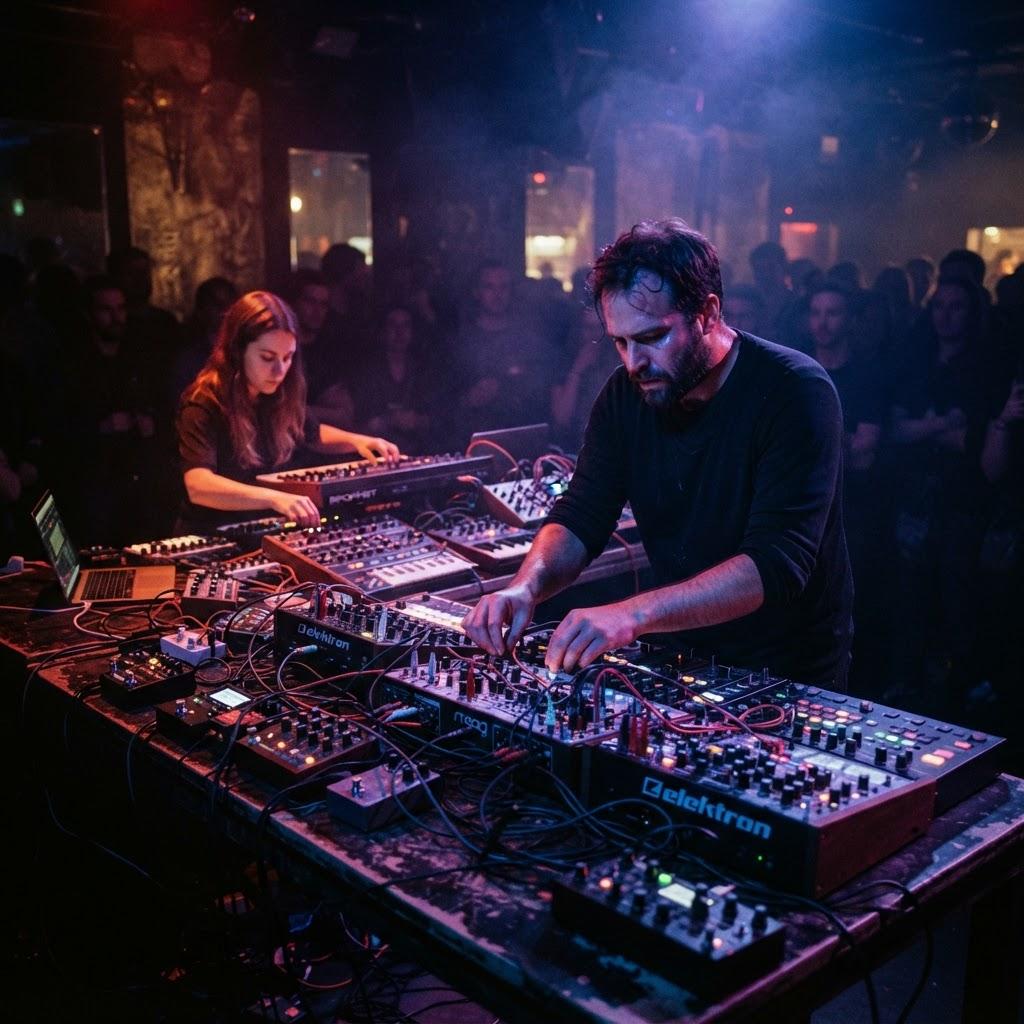
To understand the DNA of Industrial, you have to throw out your traditional music theory textbooks. Instead of acoustic guitars and piano melodies, Industrial relies on raw, textured sound design. At its heart, it utilizes 'found sounds'—recording the noise of a metal door slamming, a chainsaw idling, or a car engine revving—and then warping them beyond recognition. These sounds are treated as percussion, layered over heavy, repetitive bass lines generated by analog synthesizers. A synthesizer is essentially a keyboard that lets you sculpt electricity into sound, and Industrial producers use them to create textures that feel thick and greasy. Often, the vocals are put through distortion pedals, the same gizmos guitarists use to make their instruments crunch and snarl. This makes the singer sound like they are broadcasting from inside a jet turbine or a crumbling bunker. You might hear syncopated, mechanical rhythms that skip or stutter, creating a sense of 'groove-based anxiety.' It is a genre built on the aesthetic of the machine, where the production technique—the act of creating the sound itself—is just as important as the notes being played.
Origins & Birth of the Sound
The birth of Industrial wasn't a corporate marketing scheme; it was a gritty, basement-dwelling revelation that exploded in the late 1970s. In the bleak, grey landscape of industrial England, artists were tired of the three-chord punk revolution and the bloated, over-produced rock of the era. They wanted something that matched the grit of the street. In Sheffield, a group of visionaries decided that the sounds of their own manufacturing city were not pollution, but an untapped musical palette. They took the 'do-it-yourself' spirit of punk but swapped the guitars for tape recorders, oscillators, and piles of scrap metal. It was a conscious rejection of the 'human' element in music, embracing the cold, hard reality of the post-war industrial landscape. They weren't just playing instruments; they were conducting an orchestra of industrial accidents. This was about creative defiance—using the very tools of mass production to create something deeply personal and utterly un-mass-producible. It was music for the outsiders who looked at the skyline of smoke-belching chimneys and saw a rhythm section waiting to be sampled.
The Pioneers & Legends
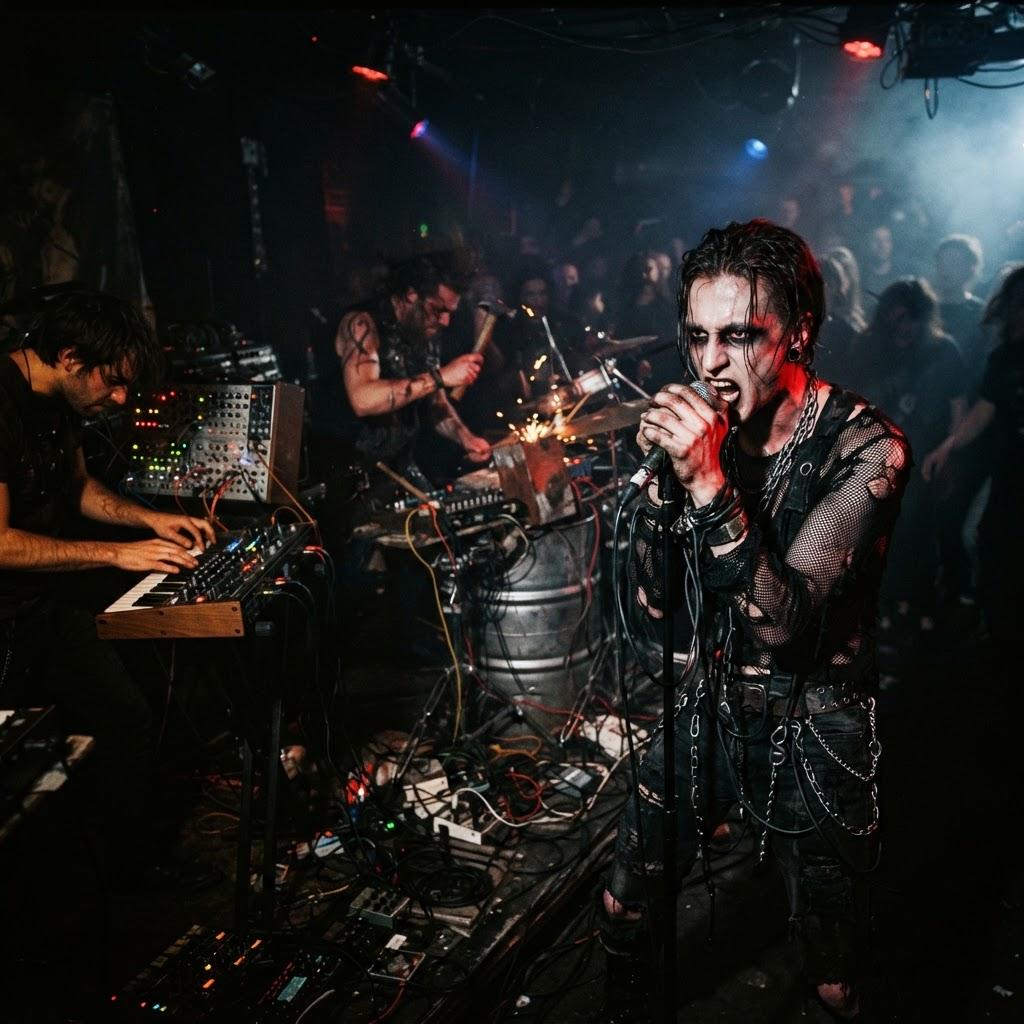
If you are looking for the architects of this sonic madness, look no further than Throbbing Gristle. They were less of a band and more of a performance art experiment that happened to invent a whole new way of making noise. They approached music with the mindset of investigative journalists or mad scientists, constantly testing the limits of what an audience could endure. Then you have Einstürzende Neubauten, a German act who literally used shopping carts, metal sheets, and power tools as their primary instruments. They didn't just play music; they staged physical, structural engineering feats on stage. On the more synth-heavy side, you have legends like Cabaret Voltaire, who merged the coldness of electronics with the funk of the streets, and Front 242, who would later take these experimental blueprints and turn them into the high-energy, pulsing rhythm of Electronic Body Music. These artists were the explorers hacking their way through a dense, unmapped jungle of feedback, proving that if you have enough tape loops and a complete lack of fear, you can find a rhythm inside literally anything.
Defining Tracks & Era-Defining Moments
To really get it, you have to hear the tracks that broke the dam. Throbbing Gristle's 'Hamburger Lady' is a terrifying, haunting piece of experimental dread that showed the world Industrial could be deeply, disturbingly emotional. Fast forward a few years, and you get Ministry’s 'Stigmata,' a track that injected pure, thrashing heavy metal aggression into the electronic formula, effectively bridging the gap between underground art-noise and arena-ready rock. Then there is Nine Inch Nails with 'Head Like a Hole.' This was the pivotal moment where Industrial stopped being a fringe experiment and started being a global phenomenon. It took the cold, robotic sensibilities of the genre and wrapped them in a massive, radio-friendly hook that made millions of teenagers feel like they were part of a dark, beautiful rebellion. Each of these tracks acted as a tectonic shift, proving that this music could be as catchy as it was abrasive, and as danceable as it was terrifying. These were not just songs; they were manifestos set to a drum machine beat.
Subgenres & Offshoots
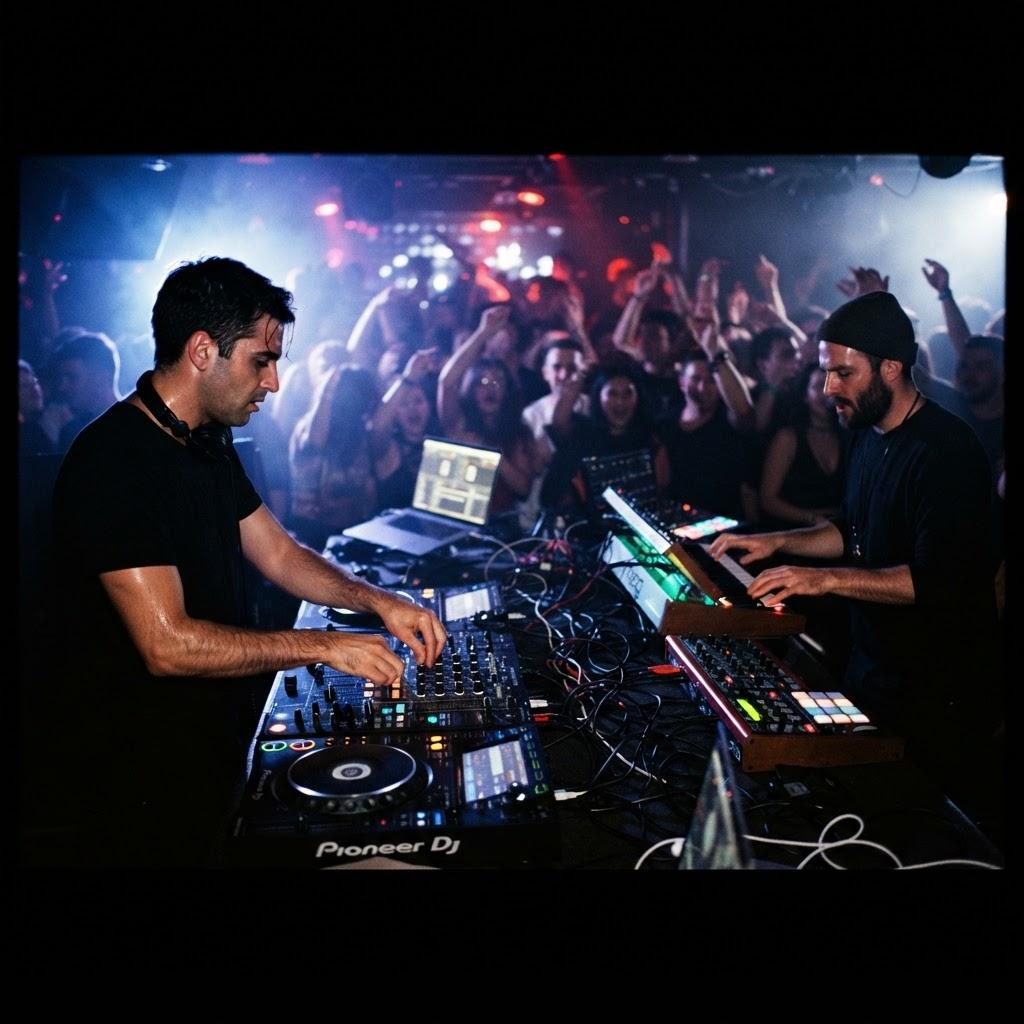
The Industrial family tree is sprawling, chaotic, and wonderfully weird. You have EBM, or Electronic Body Music, which stripped away the chaotic noise in favor of tight, rhythmic, four-on-the-floor dance beats. It is the gym-ready, workout-obsessed cousin of Industrial that lives for club strobe lights. Then there is Industrial Metal, which took the abrasive, distorted aesthetic of the genre and fused it with the heavy riffing of metal bands like Black Sabbath or Motörhead. It is loud, aggressive, and makes you want to punch a wall—or at least jump around until you are dizzy. You also have Dark Ambient, which takes the atmospheric, 'creepy basement' side of Industrial and stretches it out into long, meditative soundscapes that feel like the soundtrack to a slow-motion apocalypse. Some branches even veer into Power Electronics, which is basically an attempt to see how much harsh, ear-piercing feedback a human listener can withstand before they beg for mercy. It is a spectrum of sound that goes from 'let's dance all night' to 'is the world ending right now?'
Cultural Impact & Influence
Industrial didn't just stay on the record player; it bled into everything. Fashion-wise, it gave us the 'cybergoth' look—all heavy boots, PVC, bondage straps, and futuristic, neon-drenched tactical gear that wouldn't look out of place in a William Gibson novel. It changed the way movies sounded, too. Any sci-fi film featuring a dystopian, technological nightmare usually draws heavy inspiration from the genre’s bleak, mechanical textures. Look at the sound design for modern blockbusters; that heavy, bass-boosted thud and metallic ringing? That is basically Industrial DNA hidden in plain sight. In politics, the genre has always been a sharp, jagged thorn in the side of authority, using its music to protest surveillance, consumerism, and the dehumanizing nature of bureaucracy. Even the way we use computers to make music today—sampling, looping, and bit-crushing—owes a massive debt to the pioneers who first figured out how to make a computer sound like a sentient, angry machine. It became the default language for expressing technological anxiety in a world that was moving way too fast.
Controversies & Drama
You cannot have a genre this intense without a bit of blood on the floor. Industrial has been plagued by 'purist wars' since day one. You have the original avant-garde experimentalists, who viewed the music as high art, clutching their pearls every time a band added a traditional drum beat or, heaven forbid, a pop melody. The rise of Industrial Metal in the 90s saw massive backlash from the old guard, who accused these new acts of 'selling out' and turning their sacred, experimental sound into a commercial product for suburban angst-teens. There were also the constant, hilarious rumors about how certain sounds were captured—was that really a recording of a stomach surgery, or just a wet sponge hit with a hammer? And let's not forget the performance art stunts: artists setting themselves on fire, playing to empty rooms just to annoy the critics, or sabotaging their own shows to prove a point. The backstage drama was often as theatrical as the music, fueled by ego, substance-fueled madness, and a deeply held belief that if you weren't upsetting at least half the audience, you weren't doing it right.
Global Spread & Regional Scenes
While it was born in the grey streets of England, Industrial quickly found its home in the neon-lit factories of Germany and the sprawling, tech-obsessed landscapes of the United States. In Hamburg and Berlin, the scene merged with the local dance culture to create a faster, tighter sound that took over the European clubs. In North America, cities like Chicago and Vancouver became bastions of the sound, with labels like Wax Trax! Records acting as the holy grails for fans. Japan eventually entered the fray, injecting its own high-speed, hyper-kinetic energy into the mix, creating a strain of 'Noise Industrial' that was so intense it felt like a sonic assault. Every region brought its own flavor; the British scene stayed cerebral and arty, the Germans focused on the danceable, rhythmic machine-soul, and the Americans pushed it toward a louder, rock-oriented catharsis. It was a global language of angst, proving that no matter what language you spoke, everyone could agree that a distorted synthesizer and a crashing metal pipe sound like the perfect way to spend a Friday night.
The Modern Landscape
Today, Industrial is everywhere, even if you do not immediately recognize it. It has mutated into the dark, pulsating heart of many modern electronic genres. If you listen to modern Hyperpop, with its aggressive, blown-out digital distortion and chaotic structure, you are hearing the great-grandchildren of Throbbing Gristle. TikTok and social media have also brought a wave of bedroom producers who use the same DIY, 'make noise from nothing' philosophy that fueled the genre in the 70s. Industrial has moved from the basement to the mainstream, acting as a secret spice in everything from trap beats to cinematic film scores. While the original, hard-line industrial bands still tour and sell out shows to a dedicated fanbase, the spirit of the genre has successfully infected the rest of the music world. It is no longer just a subculture; it is an aesthetic of intensity that defines much of how we experience dark, aggressive, and futuristic music in the digital age. It is thriving because, as long as technology keeps failing us, we will always need music that sounds like a machine having a nervous breakdown.
How to Dive In
Ready to embrace the grind? Start your journey by putting on headphones, closing your eyes, and diving into the deep end. Begin with Throbbing Gristle’s '20 Jazz Funk Greats' for the history lesson, then jump straight into Ministry’s 'The Land of Rape and Honey' to feel the power of the heavy-metal crossover. If you want something that will make you want to dance while feeling slightly haunted, look no further than Front 242’s 'Front by Front.' Don't stop there—get lost in the dense, cinematic textures of Nine Inch Nails’ 'The Downward Spiral.' Once you have your sea legs, check out the legendary label 'Wax Trax!' and just hit shuffle. The key is to stop looking for the melody and start listening for the 'texture'—the way the sound feels against your ears. It is abrasive, it is loud, and it is unapologetically weird. Don't worry if it sounds like a mess at first; that is the point! Once your brain finally clicks into the rhythm, you will find that there is a bizarre, metallic beauty in the chaos that nothing else can provide. Turn the volume way up, find the pulse in the wreckage, and let the machinery take control.