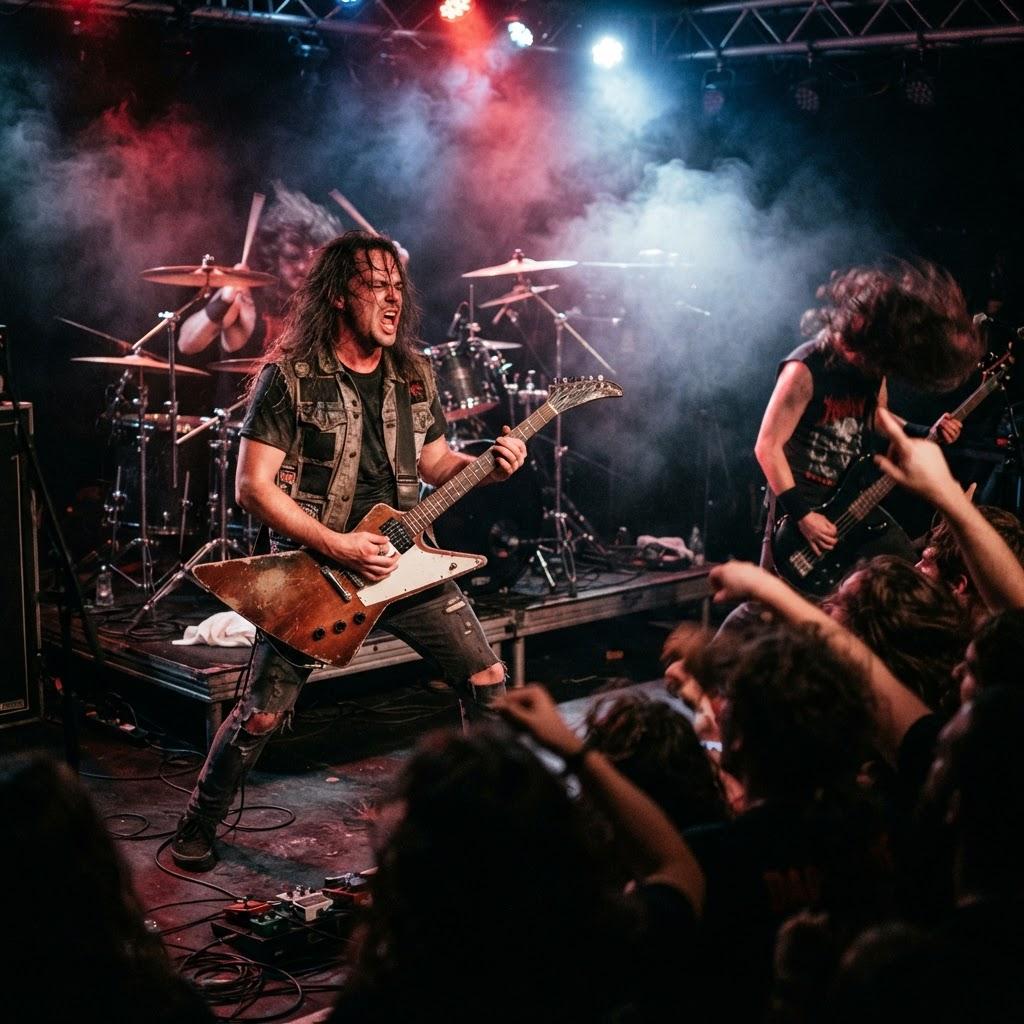
Early 1980s
Thrash Metal
Thrash metal is the caffeinated, mosh-pit-ready cousin of heavy metal that traded fancy velvet capes for torn denim and pure velocity. Strap in for a high-speed ride through the history of the loudest, fastest, and most delightfully rebellious sound in rock history.
Meet the Genre
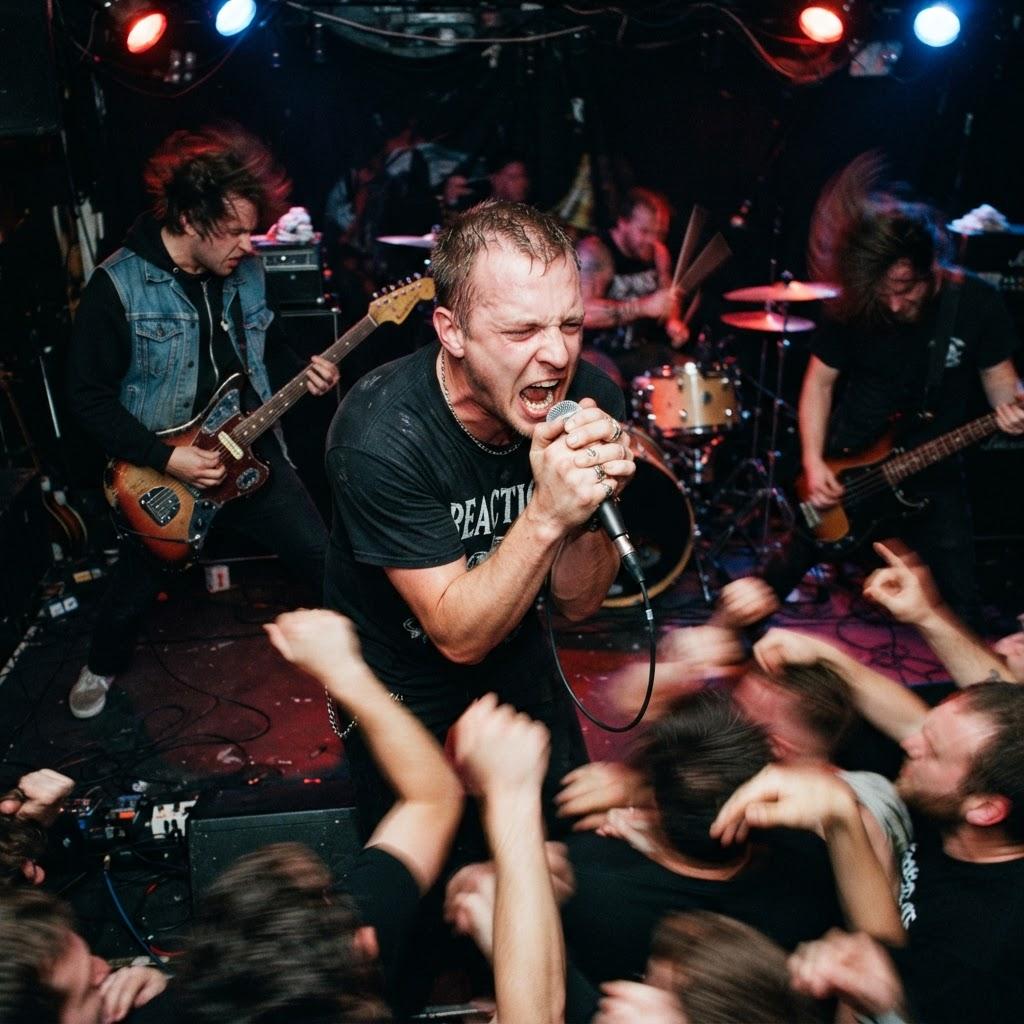
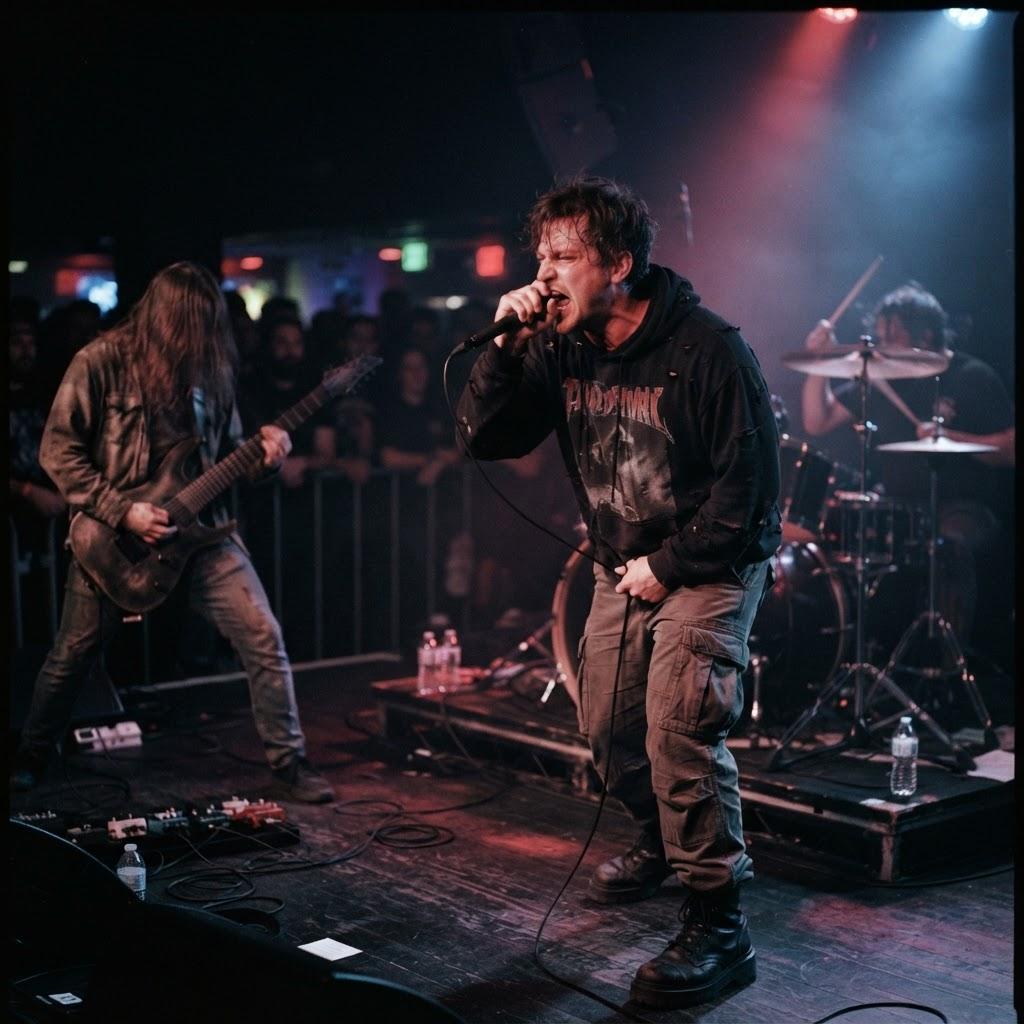
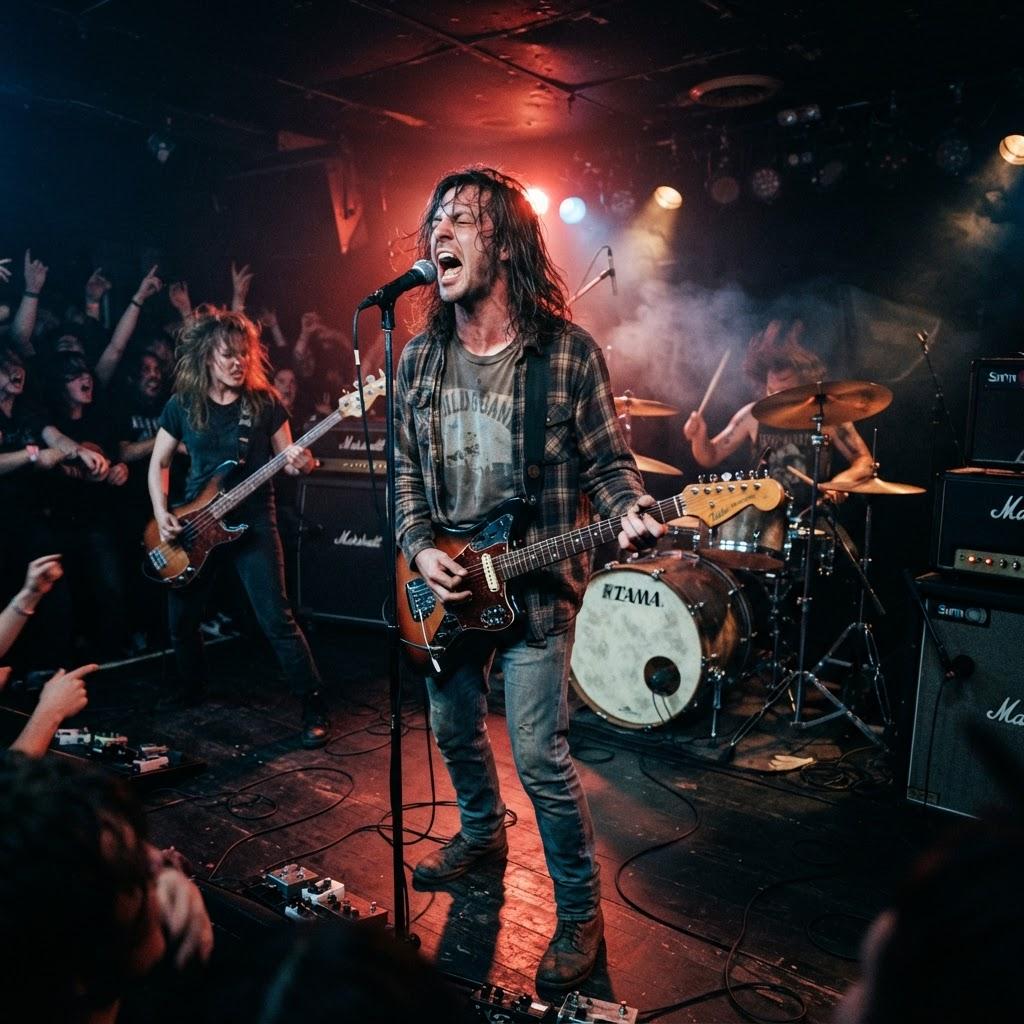
Imagine you are at a backyard barbecue where the grill is melting, the host has replaced the calm jazz playlist with a chainsaw, and everyone is suddenly compelled to run in a circle at top speed. That is thrash metal in a nutshell. It is the musical equivalent of slamming an energy drink while jumping out of a plane. Unlike its ancestor, heavy metal, which often spent its time singing about dragons, wizardry, or the dark arts, thrash woke up one morning, looked in the mirror, and decided it had much angrier things to discuss—like political corruption, personal rage, and the existential dread of being a teenager in a world that didn't care. It is fast, it is abrasive, and it possesses a kinetic energy that makes sitting still physically impossible. Thrash is the sound of denim vests with too many patches, white high-top sneakers, and hair that refuses to cooperate with gravity. It isn't just a genre; it is a full-blown attitude adjustment set to a blistering beat.
The Sound & Signature Elements
At the heart of the thrash engine is the guitar technique known as 'palm muting' combined with 'down-picking.' Think of it like a rhythmic machine gun; the guitarist rests the edge of their hand near the strings to get a tight, choppy sound, and then strikes the string downward repeatedly with surgical precision. This creates that iconic 'chug-chug' rhythm that defines the genre. The tempos are frequently unhinged, often hovering in the 160 to 200 BPM (beats per minute) range, making it a marathon for the drummer who has to keep pace with a bass drum pedal moving like a caffeinated woodpecker. We are talking about song structures that ignore traditional verse-chorus patterns in favor of sudden tempo changes, shredding guitar solos that sound like a fire alarm, and vocals that hover between a gritty shout and a full-throated roar. It is loud, it is distorted to the point of structural damage, and it relies on a 'less is more' approach when it comes to polish—this music is supposed to sound like it was recorded in a garage, even when it wasn't.
Origins & Birth of the Sound
The birth of thrash was essentially a holy collision between two very different worlds: the theatrical flair of early 80s heavy metal and the raw, unwashed fury of 70s hardcore punk. While bands like Iron Maiden were busy crafting epic tales, a group of kids in the San Francisco Bay Area—and their counterparts in the New York City scene—were looking for something more visceral. They were tired of the glittery, polished hair-metal bands appearing on television. They wanted music that reflected their own lack of money, their frustration with the government, and their desire to break things. They locked themselves in suburban basements and damp practice spaces, cranking their amplifiers until the neighbors called the police. This wasn't about fame; it was about speed and rebellion. By blending the precision of metal with the breakneck intensity of punk, they accidentally created a new sonic language that forced listeners to either get on board or get out of the mosh pit entirely.
The Pioneers & Legends
If thrash metal were a royal family, the Big Four would be its undisputed monarchs: Metallica, Megadeth, Slayer, and Anthrax. Metallica took the world by storm, showing everyone that you could be heavy and still write a catchy hook that stuck in your head for days. Then you have Megadeth, led by the perpetually disgruntled genius Dave Mustaine, who turned guitar technicality into a competitive sport, filling songs with solos that sound like they require an advanced degree in mathematics. Slayer, meanwhile, was the dark cousin at the reunion, embracing a much more satanic, sinister aesthetic and playing at speeds that made other bands look like they were napping. Finally, Anthrax brought a sense of humor and a love for pop culture to the table, proving that thrash didn't always have to be brooding and serious to be devastatingly heavy. These giants laid the blueprint for everything that followed, defining the archetype of the thrash metal icon: leather jackets, long hair, and an ego large enough to fill a stadium.
Defining Tracks & Era-Defining Moments
To understand thrash, you have to hear the tracks that signaled the tectonic shift in music. Metallica’s 'Master of Puppets' is the undeniable magnum opus—an eight-minute odyssey that showcases everything from melodic intros to bone-crushing, aggressive riffing. It remains the gold standard for thrash song construction. Then there is Slayer’s 'Angel of Death,' a song so fast and relentless that it felt like an assault on the senses when it was released, setting a new bar for how aggressive a mainstream metal band could actually be. We cannot forget Megadeth’s 'Holy Wars... The Punishment Due,' which essentially acted as a manifesto for technical thrash, featuring shifting time signatures that keep the listener constantly guessing. These songs weren't just hits; they were cultural markers that proved thrash was not a fad but a legitimate musical revolution. Each track represents a specific moment in history where the genre pushed its own boundaries, moving from small, sweaty clubs to the massive arenas of the world.
Subgenres & Offshoots
Like any good family, thrash has plenty of cousins, some of whom are a little bit strange. You have 'Crossover Thrash,' which is essentially what happens when thrash and hardcore punk decide to have a baby—it’s shorter, punchier, and usually more political. Think bands like Suicidal Tendencies, who brought a skate-punk aesthetic to the metallic madness. Then there is 'Technical Thrash,' where bands decided that being fast wasn't enough; they wanted to be complicated, too. This birthed groups like Coroner or Voivod, who experimented with jazz-inspired chords and sci-fi themes. On the other end of the spectrum, you have 'Blackened Thrash,' which took the speed of the genre and infused it with the eerie, ice-cold atmosphere of black metal. Every subgenre acts as a slight mutation of the original thrash DNA, proving that even a genre built on simple, fast aggression can be bent and twisted into a thousand different shapes without losing its fundamental, punchy spirit.
Cultural Impact & Influence
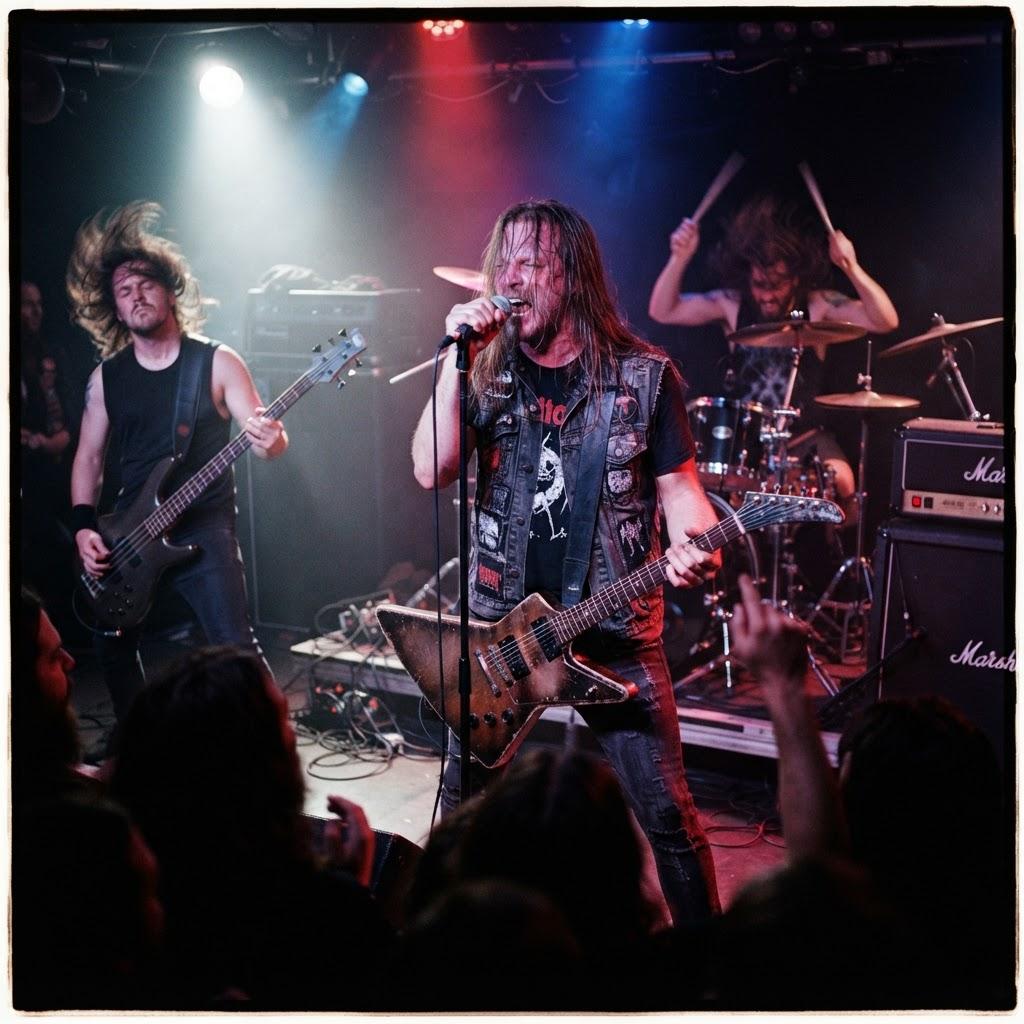
Thrash metal didn't just change the music; it changed the way people looked. The 'thrash uniform'—ripped jeans, high-top sneakers, band shirts covered in DIY patches, and the mandatory bullet belt—became an instantly recognizable visual shorthand for rebellion. Beyond the fashion, it influenced the way metal was perceived by the general public. It made metal smarter, faster, and more intellectual, moving it away from the cartoonish antics of earlier decades. In the political arena, thrash bands became the unofficial spokespeople for youth dissatisfaction, often writing lyrics that acted as prophetic warnings about the military-industrial complex and the erosion of personal privacy. Even film and video games eventually caught on, realizing that if you want a scene in a movie to feel like pure, unadulterated chaos, you don't call the symphony—you call a thrash metal band. The genre basically colonized the collective consciousness of the 80s and 90s, ensuring that even people who claim to 'hate metal' have probably air-guitared to a thrash riff at least once.
Controversies & Drama
If you put five thrash musicians in a room, you are guaranteed to have at least three arguments about who is 'true' to the scene and who sold out for a paycheck. The biggest drama in thrash history was undoubtedly the 'sellout' debate, which reached a fever pitch in the early 90s when Metallica released their self-titled album—the 'Black Album.' Fans who had grown up on the raw, unproduced sounds of their debut were incensed that the band decided to write songs that were… well, audible. This led to decades of forum wars, magazine editorials, and heated debates in record stores. Beyond the commercial friction, there were the petty band breakups, the legendary feuds between frontmen over who wrote what riff, and the constant purist wars over whether or not a band was 'thrash enough' to be allowed on a festival lineup. It is all incredibly dramatic and equally hilarious, providing the perfect soap opera backdrop to some of the heaviest music ever recorded.
Global Spread & Regional Scenes
While San Francisco was the epicenter, the thrash infection spread rapidly to every corner of the globe. Germany, in particular, developed a massive, dedicated scene featuring bands like Kreator and Sodom, who created a sound that was somehow even grittier and more abrasive than their American counterparts. They essentially took the American thrash prototype and added a layer of European industrial coldness to the mix. Meanwhile, in Brazil, a band called Sepultura rose from obscurity, proving that you didn't need to be from the US or UK to dominate the scene; they brought an exotic, percussive intensity to their songwriting that forced the rest of the world to pay attention. Japan and the UK also cultivated their own versions, each adding local flair to the speed-metal formula. It became a global language, a universal signal that you were tired of the status quo, no matter which country you were currently protesting in or what language you spoke.
The Modern Landscape
Today, thrash is enjoying a massive resurgence, largely because the world feels just as chaotic as it did in 1984. Younger generations are discovering the genre through the lens of modern internet culture, where old concert footage and guitar covers go viral on social media platforms. There is a whole 'New Wave of Thrash Metal' happening right now, with bands like Municipal Waste and Power Trip—before their tragic end—reinvigorating the scene with a mix of humor, high-octane energy, and a firm grasp on what made the original 80s sound so perfect. It is no longer just a 'heritage act' genre. You can see kids in mosh pits today wearing the exact same gear as their parents did decades ago, proving that the music transcends generations. It has settled into a comfortable, essential space where it thrives in both the massive global festivals and the tiny, cramped underground venues where it all began, proving that as long as there is teenage frustration, there will be thrash.
How to Dive In
If you are ready to stop talking and start headbanging, you need the holy trinity of beginner listening. Start with Metallica’s 'Ride the Lightning.' It is the perfect bridge between raw energy and expert songwriting. Once your neck gets used to the whiplash, jump over to Slayer’s 'Reign in Blood.' It is a short, sharp, terrifying album that will teach you everything you need to know about aggression. Finally, spin Megadeth’s 'Rust in Peace.' It is the doctoral thesis of the genre and will show you just how talented these musicians were. Listen to these on the loudest speakers you can find, ignore the urge to look cool, and just let the riffs do the work. If you find yourself accidentally tapping your steering wheel at double-speed while stuck in traffic, congratulations—you are a thrash metal fan. Now, go find a leather jacket, embrace the chaos, and enjoy the ride, because once the thrash hooks its claws into your eardrums, there is absolutely no going back to elevator music.