Late 1940s, Chicago, Illinois
Electric Blues
Electric Blues is the sound of a country porch plugged into a lightning bolt, turning the dusty wails of the delta into a neon-soaked, gear-grinding revolution. It is the grumpy grandpa of rock and roll who somehow still knows how to party harder than anyone else in the room.
Meet the Genre
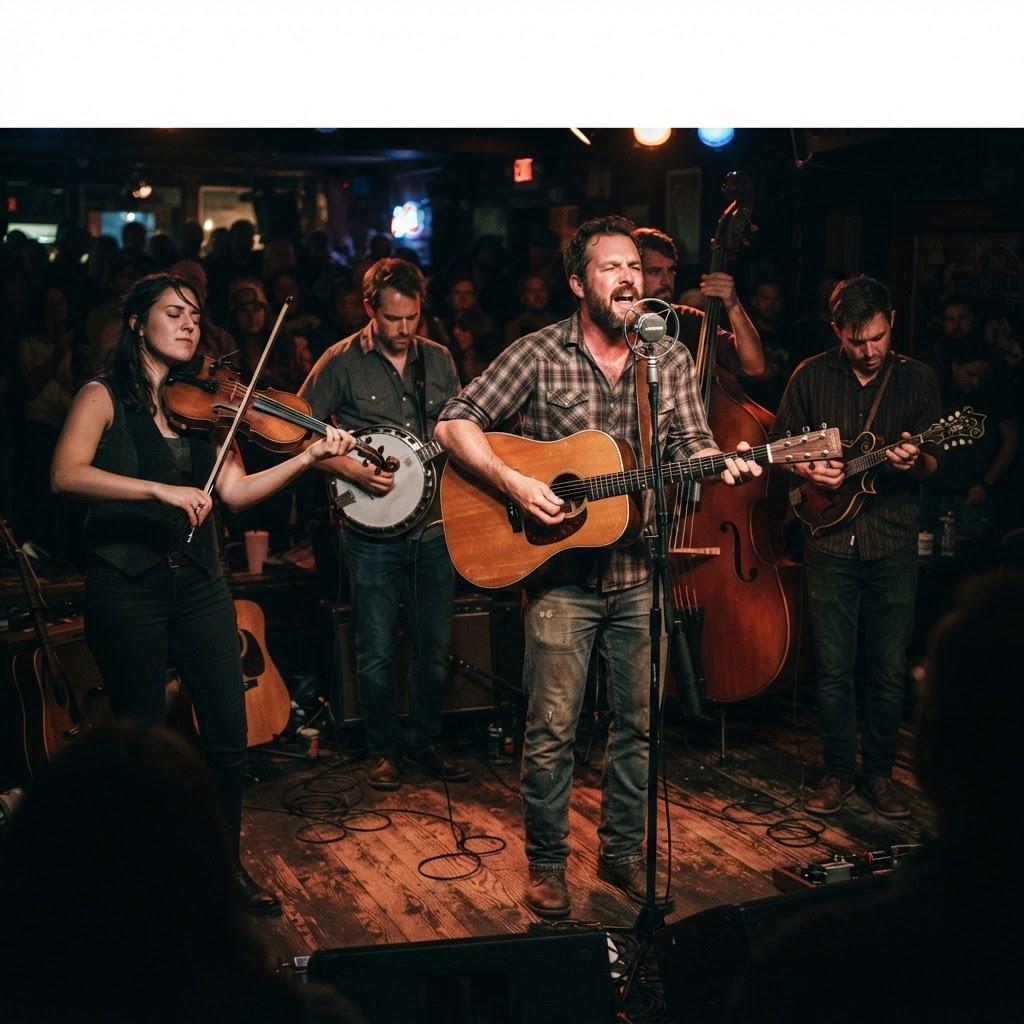
Imagine you are sitting on a creaky wooden porch in the deep, quiet countryside. You are playing a beat-up acoustic guitar that sounds like a secret being whispered between friends. Suddenly, someone drags that whole scene into a cramped, noisy, neon-lit basement in the middle of Chicago during a blizzard. They shove a microphone in front of your guitar, crank an amplifier until the tubes start to glow like a radioactive campfire, and suddenly that whisper becomes a guttural, snarling roar that could shake the paint off the walls. That is Electric Blues. It is the sound of a porch light flickering during a thunderstorm. It is the musical equivalent of a shot of whiskey followed by a warm, soulful hug. This genre is not just music; it is an attitude. It is the defiance of taking the sorrow of the rural fields and forcing it to survive in the concrete jungle of the post-war industrial city. It does not care if your tuxedo is clean or if your heart is broken; it just wants to make sure you feel every single vibration in your chest cavity.
The Sound & Signature Elements
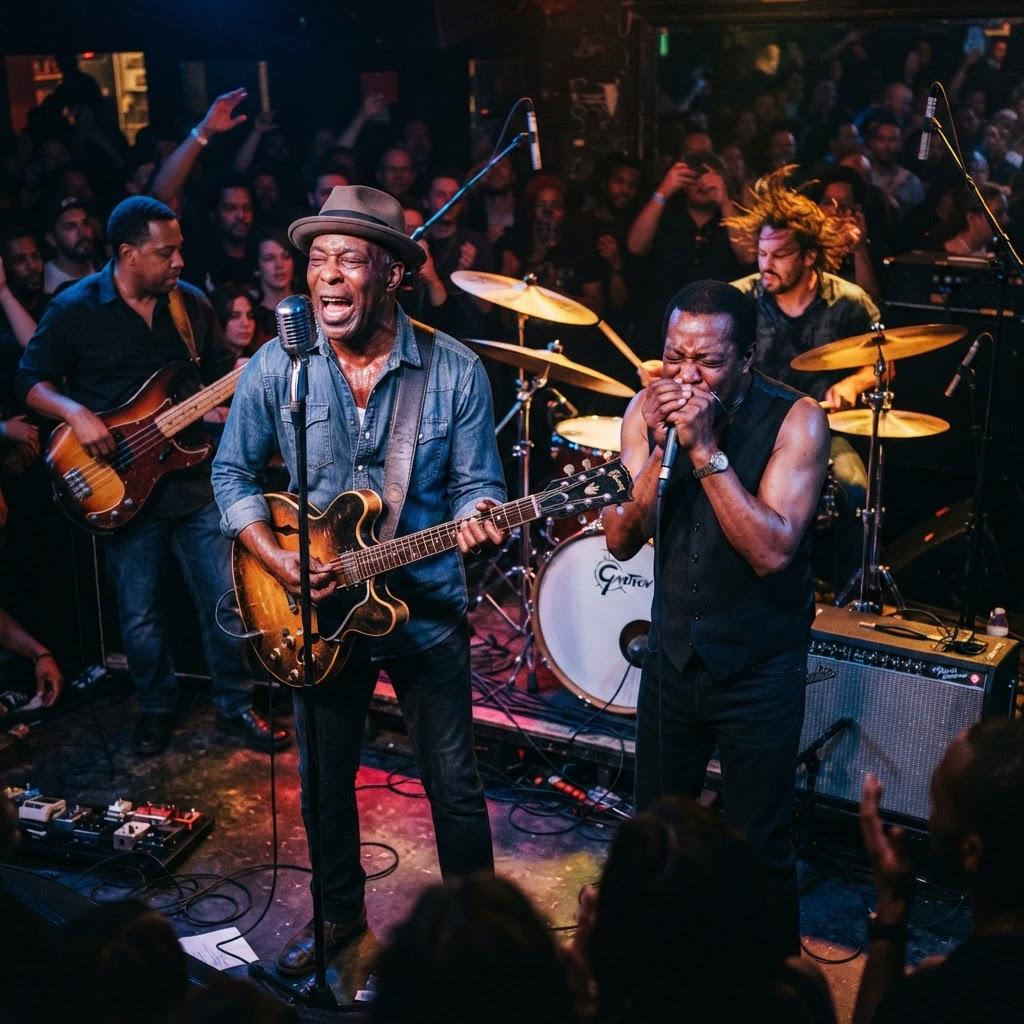
At its heart, Electric Blues is like a three-course meal where the main ingredient is pure, unadulterated tension. We are usually talking about the 12-bar blues structure—think of this as a musical house with three rooms you keep walking through in a loop. You start in the living room, move to the kitchen, and end up back at the front door. The secret sauce is the 'blue note,' which is essentially a note that refuses to behave; it sounds slightly off-kilter, kind of like when you try to sing a high note while you have the hiccups, creating that deliciously moody dissonance. The guitar isn't just an instrument here; it is a weapon of mass expression. Pioneers realized that by plugging into an amplifier, they could make their strings sustain, meaning the note lasts longer, like a held breath before a confession. Add in a harmonica that sounds like a train whistle screaming in the distance and a rhythm section that keeps a steady, driving thump like a heartbeat after a sprint, and you have the foundation. It is raw, it is loud, and it is built to be felt in the floorboards.
Origins & Birth of the Sound
The birth of Electric Blues was not a polite event; it was a necessary evolution of survival. In the 1940s, thousands of people were moving from the rural American South to northern cities like Chicago, looking for jobs and a new life. They brought their acoustic guitars with them, but there was a massive problem: acoustic guitars simply could not be heard over the cacophony of a noisy, crowded city bar. You could play your heart out, but if the guy at the bar was ordering a beer and the jukebox was humming, you were invisible. So, musicians did what any resourceful human does when faced with an impossible situation—they improvised. They grabbed the biggest amplifier they could find, plugged in, and discovered that when you boost the signal, the guitar changes. It doesn't just get louder; it gets nasty, gritty, and powerful. It wasn't about high-fidelity perfection; it was about cutting through the noise of the world so that someone, anyone, would actually listen to the story you were trying to tell about your life.
The Pioneers & Legends
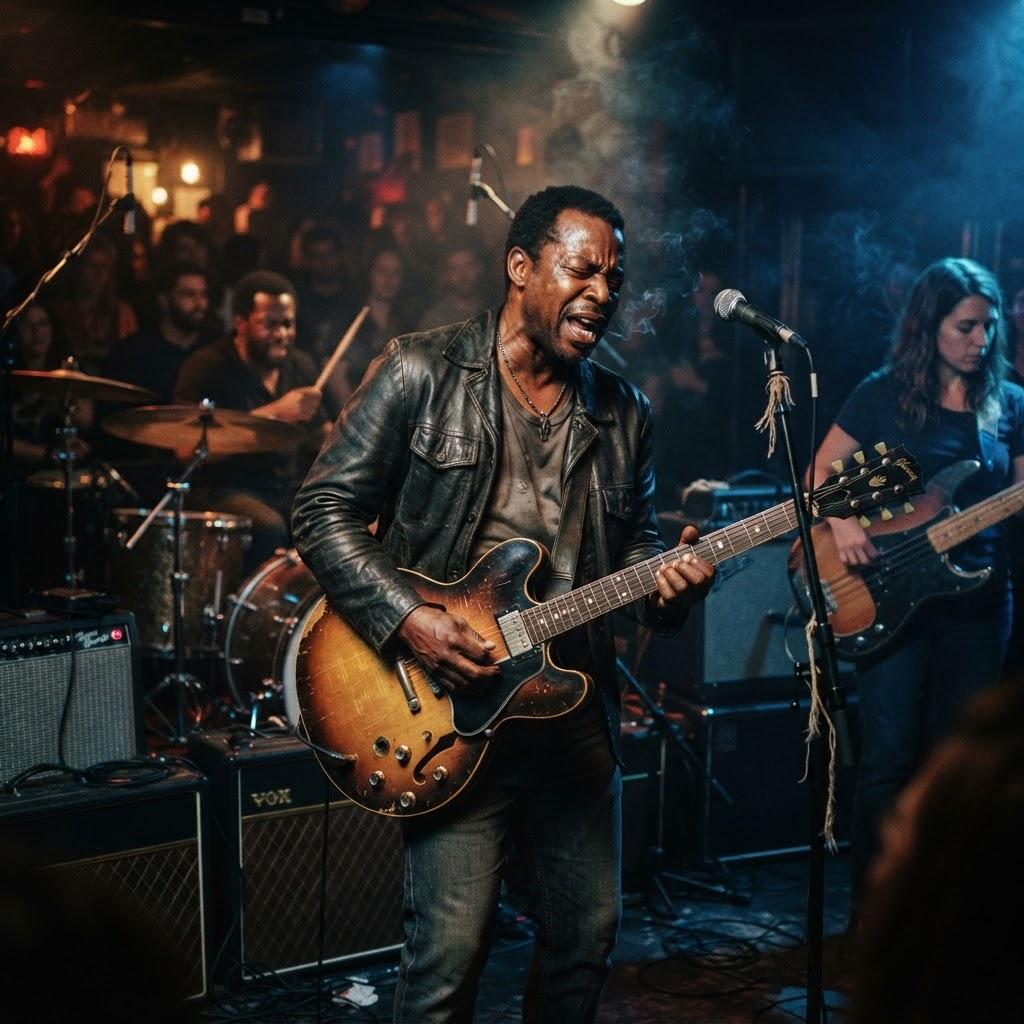
If you are looking for the architects of this sonic skyscraper, you have to look at the giants who walked the earth with a Gibson plugged into a wall socket. Muddy Waters was the king of the castle, a man whose voice sounded like he had been gargling gravel and honey for breakfast, with a guitar style that was as heavy as a lead pipe. Then there was Howlin' Wolf, a literal giant of a man who didn't just sing, he possessed the room, his voice capable of shifting from a low growl to a high, banshee-like scream. You cannot ignore Little Walter, the guy who essentially taught the harmonica how to go electric, making that small tin whistle sound like a saxophone from hell. These weren't just musicians; they were alchemists who took the folk traditions of the Delta and forged them into something industrial and aggressive. They were the ones who sat in the smoky studios of Chess Records, figuring out how to balance the raw, untamed emotion of the past with the shiny, dangerous technology of the future.
Defining Tracks & Era-Defining Moments
To understand the gravity of the shift, you have to listen to Muddy Waters’ 'Mannish Boy.' It is not a song; it is a declaration of existence that lands like a sledgehammer. When he lets out that primal 'Oh yeah!' it is the sound of the entire genre standing up and demanding space. Then there is 'Smokestack Lightnin'' by Howlin' Wolf, a track that sounds like it is traveling across a desert at midnight; it is haunting, hypnotic, and impossible to forget. These tracks were the moments where the genre stopped being a regional curiosity and started becoming a cultural powerhouse. The moment a blues guitarist realized that a distorted chord could express as much pain as a thousand words was the moment the genre became immortal. These records weren't just sold; they were passed around like contraband, studied by every wide-eyed kid in the UK who would eventually pick up a guitar and launch a little thing called the British Invasion, which actually started by worshipping at the altar of these exact Chicago masters.
Subgenres & Offshoots
Once the Electric Blues genie was out of the bottle, it started having kids. You have the Texas Blues, which is like the refined, cool cousin who hangs out at the bar with a Stetson hat, favoring flashy, fast solos—think the blistering speed of Freddie King. Then you get the West Coast Blues, which is a bit more sophisticated and jazzy, swapping the raw aggression for jump-blues rhythms that make your feet want to move. If you head over to the UK, you get British Blues-Rock, where bands like The Rolling Stones or Led Zeppelin took that Chicago intensity, dialed the volume to eleven, and turned it into stadium-shaking rock music. It is a family tree where every branch keeps trying to grow taller and louder. Some branches turned into the soulful, bluesy grit of R&B, while others hardened into the heavy, distorted riffs of early metal. It is a surprisingly large family, and they all share that same restless, searching soul that started with a plug, a wire, and a very loud amplifier.
Cultural Impact & Influence
It is hard to overstate how much Electric Blues is the DNA of modern music. If you like rock, pop, or even modern hip-hop that leans on gritty, sampled loops, you are dancing on the foundations laid by these bluesmen. Fashion-wise, it gave us the archetype of the 'cool' musician—the guy in the dark suit, holding a guitar like it is an extension of his own body, looking out from under a hat with an expression that says he knows something you don't. It changed the way we talk, the way we dress, and the way we view the 'rebel' artist. It took the African American experience of the mid-century and broadcast it across the globe, becoming the universal language of struggle and triumph. When Eric Clapton or Keith Richards played a blues lick, they were essentially sending a telegram back to the south side of Chicago to say, 'We heard you, and we are changing because of you.' The genre acted as a bridge, connecting cultures and generations through the simple, shared experience of the 12-bar cycle.
Controversies & Drama
Oh, the drama! If you want to see a room full of musicians get into a fistfight, just bring up the concept of 'purity.' For years, there was a massive war between the purists, who believed that the blues should stay on a porch with an acoustic guitar, and the revolutionaries who believed electricity was the future. The purists thought the electric guys were 'selling out' and destroying the 'soul' of the music with their fancy amplifiers and flashy stage presence. The electric guys, meanwhile, were laughing all the way to the bank, playing to sold-out rooms while the acoustic traditionalists were playing to empty bars. Then you had the issue of royalties, where massive rock bands would cover these blues tracks, make millions, and the original, aging bluesmen would barely see a dime. It was a messy, heartbreaking, and often hilarious time of jealousy, lawsuits, and late-night, whiskey-soaked arguments about what constituted a 'real' musician. It turns out that even the blues can give you the blues.
Global Spread & Regional Scenes
Electric Blues didn't just stay in Chicago; it hopped on a plane and toured the world. In the UK, it found a second home among lonely, obsessive teenagers who collected American records like they were holy relics. They took that sound, added their own flavor—often a bit more aggressive, a bit more polished—and sent it back to America as a brand-new, exciting product. In Japan, there is a dedicated, scholarly scene where musicians study the phrasing of every note with the precision of watchmakers. In Europe, the genre has become a permanent fixture of the festival circuit, where people gather to drink beer and worship at the altar of the guitar solo. Everywhere it went, it adapted. Local artists would take the structure and inject it with their own regional folk rhythms or local languages. It is the ultimate traveler, proving that you don't need to be from the Mississippi Delta to feel the weight of the blues; you just need to be human and have something worth shouting about.
The Modern Landscape
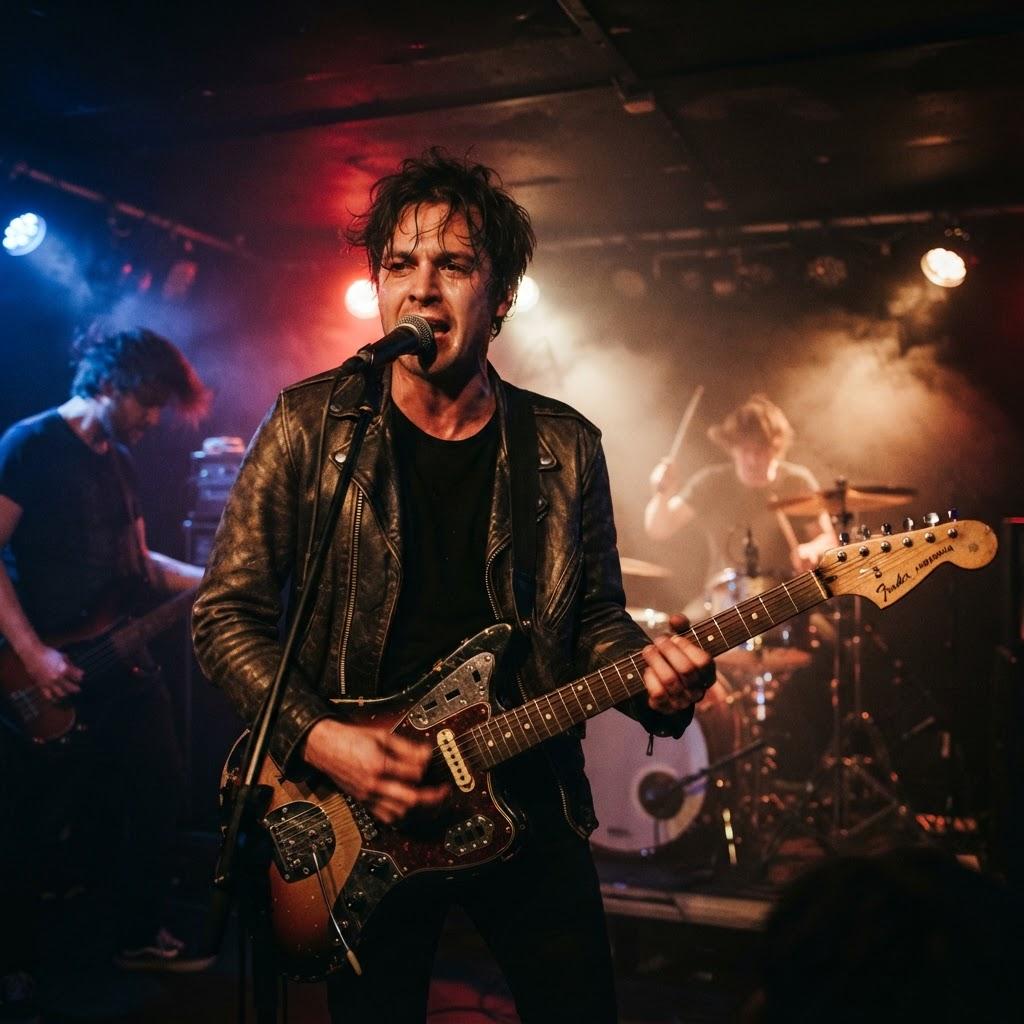
Today, Electric Blues is like a classic car that has been restored and put back on the road. It isn't the top of the charts, but it is certainly not dead. You see its influence in everything from the garage-rock revival scenes to the way modern pop producers layer their guitar tracks to get that 'warm' analog sound. On social media, you can find kids who have never even seen a vinyl record learning how to bend strings with the exact same technique that B.B. King used sixty years ago. It has become a foundational skill set. If you want to be a serious guitar player, you go to the blues library; it is the fundamental vocabulary of the instrument. While it might not be the flavor of the month on TikTok, it is the bedrock that the entire house of popular music is built upon. It keeps evolving, finding its way into indie rock, blues-fusion, and even experimental electronic music, proving that a good, deep groove is timeless and invincible.
How to Dive In
Ready to get electrified? Start with the holy trinity of albums: Muddy Waters' 'At Newport,' which is pure, unfiltered fire; Howlin' Wolf's 'Moanin' in the Moonlight,' which is as dark and dangerous as a midnight walk; and B.B. King's 'Live at the Regal,' which is arguably the most masterfully played blues album in history. Once you have soaked in those, look for tracks like 'Hoochie Coochie Man' or 'Born Under a Bad Sign' and crank them up. Don't worry about understanding every single chord change; the secret to listening to Electric Blues is to let it hit you in the gut. If your foot isn't tapping within thirty seconds, check your pulse. Seek out the live footage of these guys; watch how they interact with their instruments—they aren't playing for the sake of showmanship, they are playing for the sake of exorcising demons. Now, grab a drink, put on some headphones, and get ready to have your soul shaken, stirred, and absolutely transformed by the raw power of the electric blues.