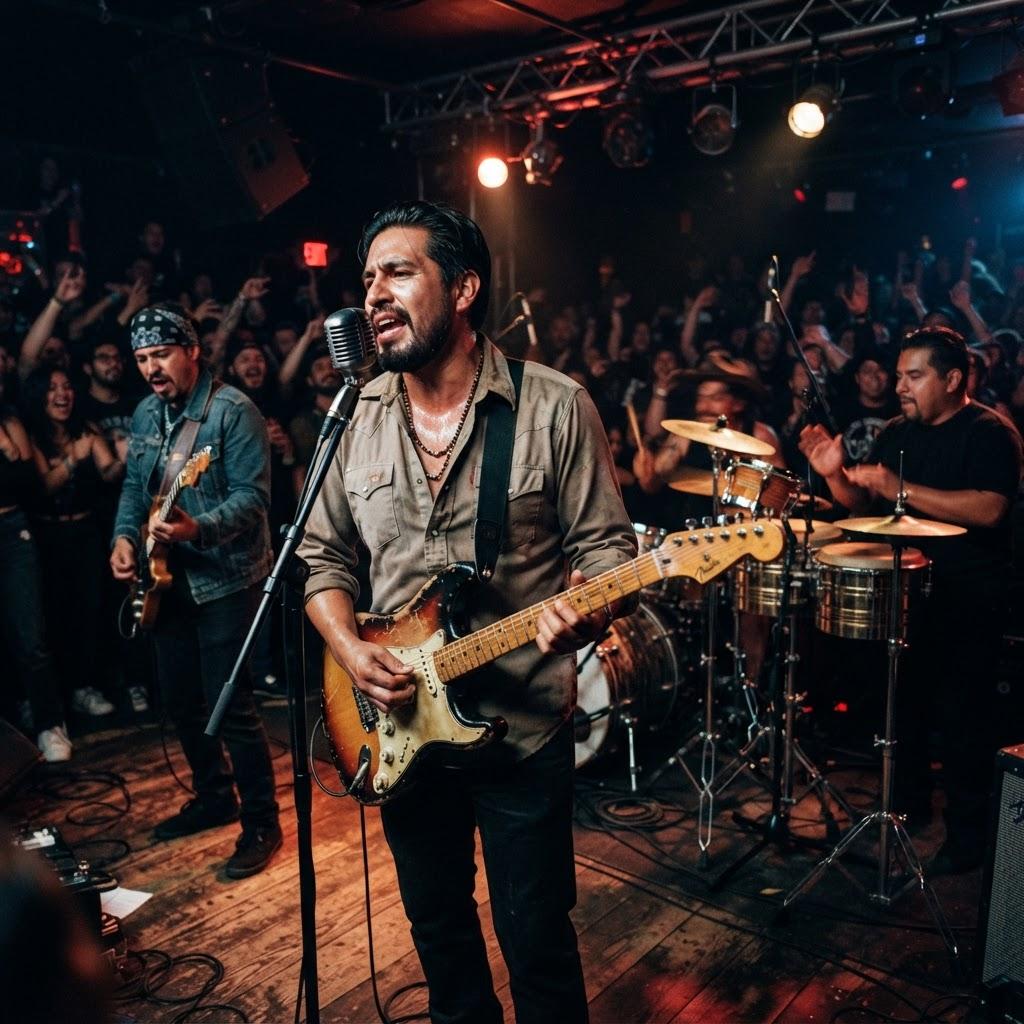
1950s, East Los Angeles, California
Chicano Rock
Chicano Rock is the electric heartbeat of the American Southwest, a defiant cocktail of Mexican folk, raw R&B, and garage rock rebellion. It is the sound of identity, muscle, and soul—turn it up until the speakers start dancing.
Meet the Genre
Imagine walking through a sun-drenched East Los Angeles neighborhood in the late 1950s. You hear a sound drifting from a backyard party that feels like a collision between a greasy, back-alley blues club and a backyard family fiesta. That, my friends, is Chicano Rock—a genre that doesn’t just ask you to listen; it grabs you by the collar and pulls you onto the dance floor. It is the sonic equivalent of a hotrod cruising down Whittier Boulevard, shiny chrome reflecting the afternoon sun, carrying the weight of a culture that refused to be quiet. Chicano Rock is the stubborn, beautiful, and utterly undeniable music born when young Mexican-American kids took their parents' traditional boleros and rancheras and decided they needed a little more distortion, a faster beat, and a whole lot more sass. It carries the swagger of Elvis, the soul of Motown, and the grit of the streets. It is the ultimate crossover, bridging worlds with a guitar lick that feels like a warm hug and a punch in the gut all at once. Whether it’s the hypnotic, fuzzy surf-rock vibes of the early days or the hard-hitting, politically charged anthems of the seventies, this music is the soundtrack of resistance, joy, and the defiant declaration that we are here, we are loud, and we are going to rock your socks off.
The Sound & Signature Elements
If you want to understand the engine under the hood of Chicano Rock, you have to look at the ingredients. At its core, it is built on the sturdy, reliable chassis of 1950s rock and roll, but the steering wheel is handled with a uniquely Latin finesse. You get that driving four-on-the-floor beat—think of a steady heartbeat that makes your foot tap involuntarily—but then it gets fancy. Musicians often mix in the 'tresillo,' which is a fancy musical term for a rhythmic pattern that feels like a triplet but lands with a swagger that makes it impossible to stand still. You will frequently hear the Hammond organ, which sounds like it’s weeping and singing at the same time, often layered under thick, overdriven guitar solos. Distortion, for the uninitiated, is that gritty, buzz-saw sound you get when you crank an amplifier until it starts to scream—it gives the music that 'just crawled out of a garage' aesthetic. Then there is the vocal style: it is passionate, theatrical, and deeply earnest, often pulling from the emotive storytelling of traditional boleros. The structure is usually simple—verse, chorus, bridge—but it is the interplay between the rhythm section and those bright, singing brass instruments like trumpets or saxophones that elevates it from simple rock to a symphonic street party. It is a high-octane mix that is designed to be played as loud as humanly possible, ideally while driving with the windows rolled all the way down.
Origins & Birth of the Sound
The birth of Chicano Rock didn’t happen in a sterile, high-end studio with a bunch of guys in lab coats. No, it was forged in the sweat and static of East Los Angeles during the post-World War II boom. Picture teenagers living in a world of limited representation, trapped between the expectations of their immigrant parents and the allure of the American teenage dream broadcast on the radio. These kids were hanging out in garages and social clubs, listening to everything from the records their parents played to the rhythm and blues tracks drifting from the local radio stations. There was a creative desperation here—a need to carve out a space where their dual identity could breathe. They took the raw, unpolished energy of rockabilly and blended it with the rhythmic complexity of Latin music. It was a DIY endeavor in the truest sense; if you didn’t have a keyboard, you played the melody on your guitar. If the drums weren’t loud enough, you hit them harder. This wasn’t just music; it was a way to affirm their place in the American landscape. It was born from the streets, for the streets, a beautiful collision of cultures that didn’t care about industry rules or marketability. It was just kids making noise, and that noise happened to change the trajectory of American music forever.
The Pioneers & Legends
No conversation about this genre can exist without bowing down to the absolute titan, Ritchie Valens. This guy took a folk song about a wedding party, 'La Bamba,' and turned it into the world's first rock and roll hit in Spanish. He died way too young, but his influence is basically the DNA of every Chicano rocker who picked up a guitar after 1958. Then you have the legendary Cannibal & the Headhunters, who proved that you didn’t need a perfectly polished performance to get a crowd moving—you just needed energy, heart, and a signature 'na-na-na' chant that people still scream at parties today. We cannot forget the kings of the scene, Thee Midniters, who were the local heroes of East LA. These guys were the velvet-suited, sharp-witted masters of soul-rock who brought a level of musicianship to the genre that was absolutely blistering. They were the ones who made it cool to be a Chicano musician in the eyes of the mainstream industry, even if the industry was constantly trying to pigeonhole them. These pioneers weren't just musicians; they were local icons who walked the same streets as their fans. They were the trailblazers who proved that you could stay true to your roots while playing music that sounded like the future. They didn't just break glass ceilings; they turned those ceilings into stage lights.
Defining Tracks & Era-Defining Moments
When we talk about the moments that shifted the tectonic plates of music, Ritchie Valens’ 'La Bamba' is the epicenter. It proved to the world that music with a Spanish lyric could dominate the Billboard charts, essentially kicking the door down for every artist that followed. But the evolution didn't stop at the fifties. When you listen to 'Land of a Thousand Dances' by Cannibal & the Headhunters, you are hearing the essence of a party that refuses to end. It’s that raw, shouting energy that defined the spirit of the era. Another massive pivot was the rise of bands like El Chicano, who took the groovy, psychedelic soul of the late sixties and added their own Latin percussion flair to tracks like 'Viva Tirado.' This song wasn't just a hit; it was a sophisticated, jazzy, soul-drenched anthem that proved Chicano Rock could be just as complex and musically rewarding as the progressive rock bands dominating the airwaves at the time. These songs were more than just catchy hooks; they were cultural markers. They were the tracks you played at the neighborhood dance, the ones that made you feel like you owned the night. Each of these tracks represents a leap forward, a moment where the genre took a breath, looked at the world, and decided it was time to level up.
Subgenres & Offshoots
Chicano Rock is like a massive, sprawling family tree with branches that reach into some truly weird and wonderful places. You have the 'Eastside Sound,' which is that classic, mid-sixties, surf-and-soul vibe—reverb-heavy guitars, catchy organ riffs, and harmonies that sound like they were pulled straight from the beach, even if you were nowhere near the ocean. Then, the genre branched out into 'Chicano Soul,' which leans heavily into the balladry and smooth, romantic energy of doo-wop, but with a sharper, more aggressive rhythmic backbone. As the decades rolled on, the influence of the Chicano Movement pushed the sound into more politically conscious territory, leading to a harder, rock-focused subgenre that incorporated elements of funk and heavy blues. And we cannot ignore the 'Latin Rock' explosion that occurred when musicians began experimenting with more overtly traditional percussion—congas, timbales, and guiros—mixed with high-voltage electric guitars. Some of these offshoots even dipped their toes into the swirling, colorful waters of psychedelic rock, creating soundscapes that sounded like you were tripping in the middle of a desert at noon. Each of these subgenres maintains that essential Chicano heartbeat but dresses it in different clothes, proving that the genre is far more versatile than anyone gives it credit for.
Cultural Impact & Influence
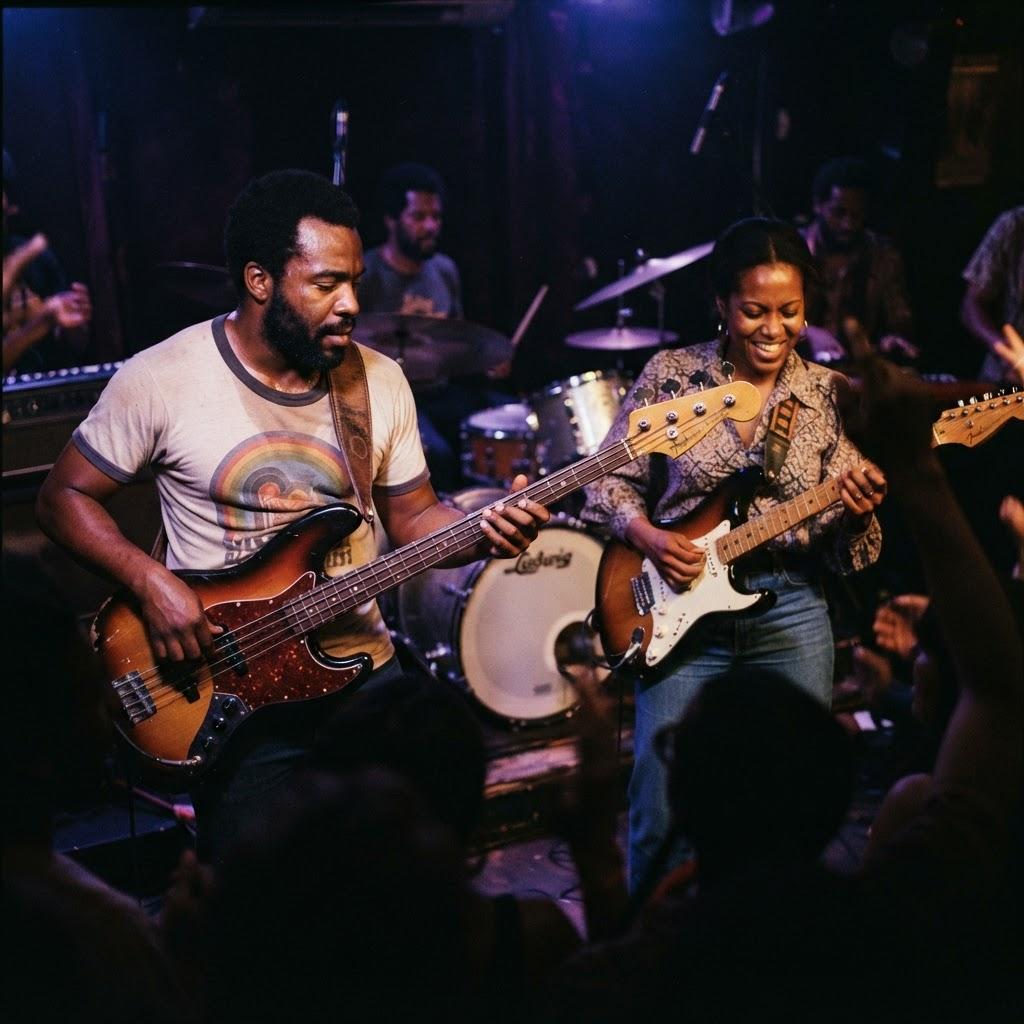
To say that Chicano Rock influenced the culture is a massive understatement—it essentially wrote the manual. This music was the heartbeat of the Chicano movement in the sixties and seventies, providing the anthem for rallies, protests, and the long struggle for civil rights. It gave a generation of youth a voice that was both proud and defiant. But its reach went far beyond politics. Think about the fashion: the sharp, tailored suits, the slicked-back hair, and the effortless, cool-cat aesthetic that bled into the wider American youth culture. You see its fingerprints in films like 'La Bamba' or 'Zoot Suit,' which brought the Chicano experience to the mainstream with such vivid color that it became impossible to look away. Even in the music world, you can hear its DNA in everything from contemporary alternative rock to the smooth, soulful melodies of today's indie bands. The genre taught us that you don't have to choose between your heritage and your rock-star dreams; you can have both, and in fact, the combination makes you more compelling. It helped break down the idea that 'rock' was a monolithic entity. It challenged the status quo simply by existing, forcing listeners to broaden their ears and hearts to a sound that was distinct, authentic, and unapologetically bold.
Controversies & Drama
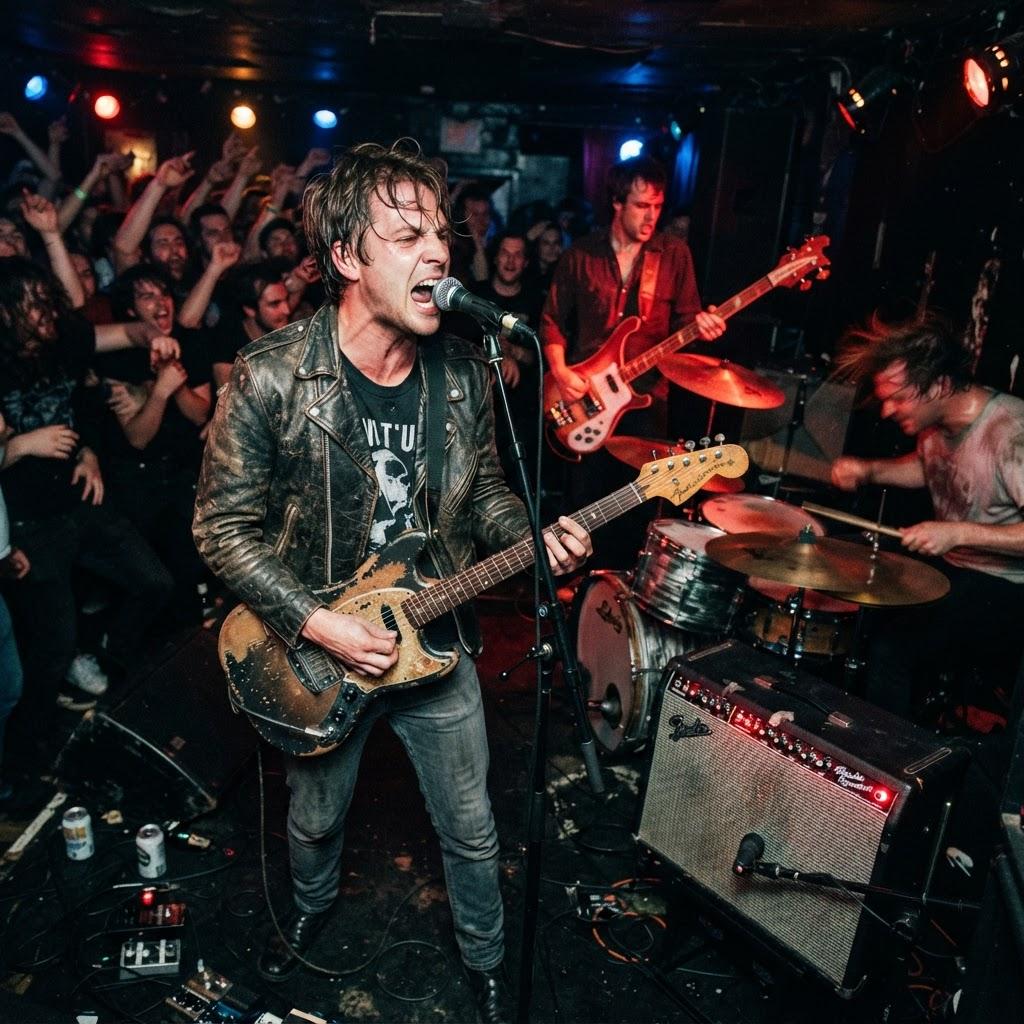
Oh, the drama! Where there is music, there is ego, and Chicano Rock has seen its fair share of backstage scuffles and philosophical wars. The biggest tension, naturally, was the age-old battle between the 'purists' and the 'innovators.' You had the traditionalists who felt that adding too many modern synthesizers or too much 'pop' polish was a betrayal of the movement’s roots. They wanted the raw, unadulterated soul of the garage bands. On the other side, you had the innovators who wanted to push the sound into the mainstream, to show the world that Chicano Rock could stand toe-to-toe with the biggest stadium bands of the day. This led to accusations of 'selling out' that would make a modern social media influencer blush. There were also the territorial disputes—the classic East LA scene vs. the Texas scene, each claiming they had the authentic rhythm. And let’s not forget the industry exploitation; record labels would sign these brilliant, raw bands and try to package them as some sort of exotic novelty act, leading to years of frustration for artists who were trying to create serious, artistic work. It was messy, it was loud, and honestly, it was part of what kept the fire burning. The friction created the sparks, and the struggle to remain relevant while staying true to the streets is what gave the music its sharp edges.
Global Spread & Regional Scenes
While it was born on the sidewalks of East LA, Chicano Rock didn't stay in the neighborhood for long. It traveled like a wildfire, leaping across the border and throughout the American Southwest. Texas became a massive, crucial hub, particularly with the 'Tejano' rock scene, which added a bit of a twang and a whole lot of accordion-fueled grit to the mix. It traveled to the Bay Area, where it collided with the growing psychedelic scene, creating something even more experimental and trippy. Even in places like Chicago and the Pacific Northwest, little pockets of Chicano Rock began to pop up, each scene remixing the sound with their own local flavors. It’s like a recipe that everyone kept adding their own secret ingredients to—some added more horns, some added more heavy bass, and others leaned into the folk-song roots. The beauty of this spread is that it proved the fundamental themes—identity, love, and rebellion—were universal. It didn't matter if you were in a basement in San Antonio or a studio in San Francisco; the core of the music resonated with anyone who felt like an outsider looking for a way to turn the volume up to eleven. The scene grew because it was authentic, and authenticity is the kind of thing that never really goes out of style.
The Modern Landscape
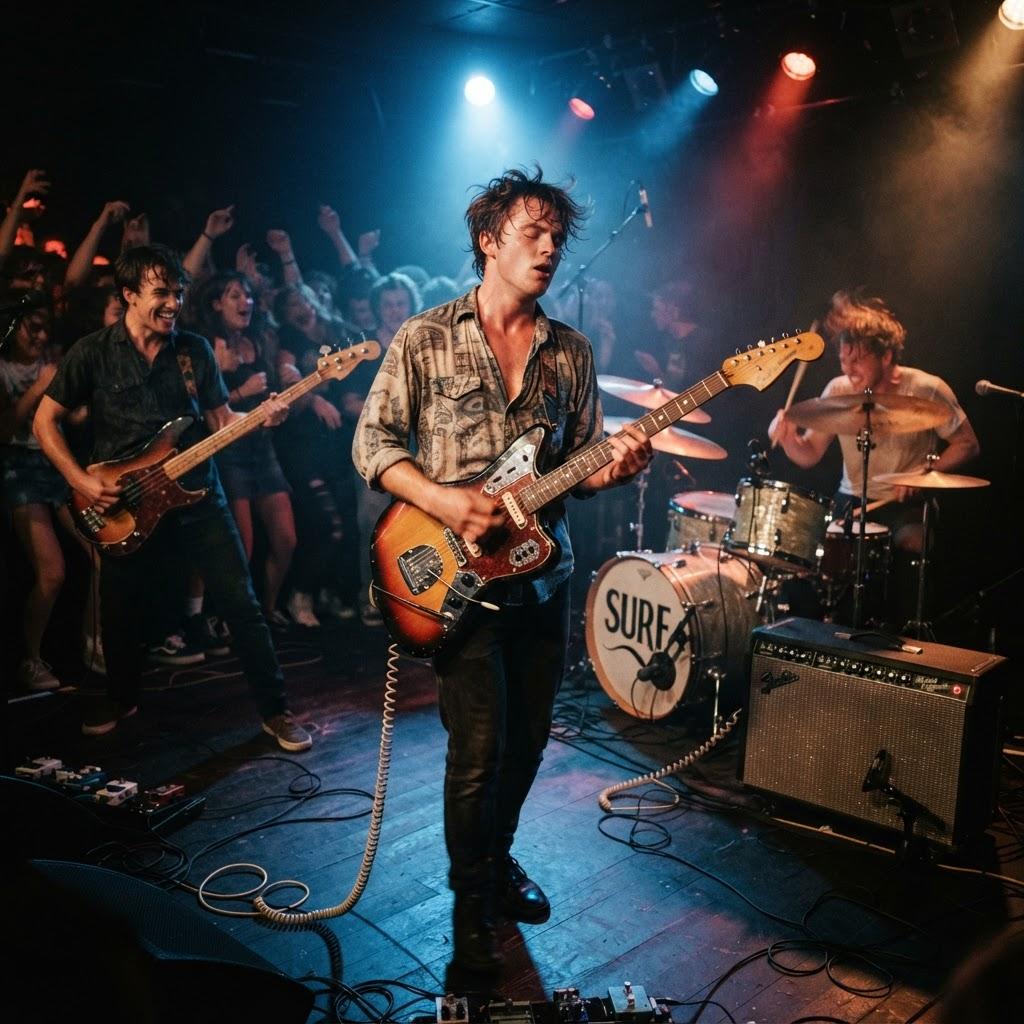
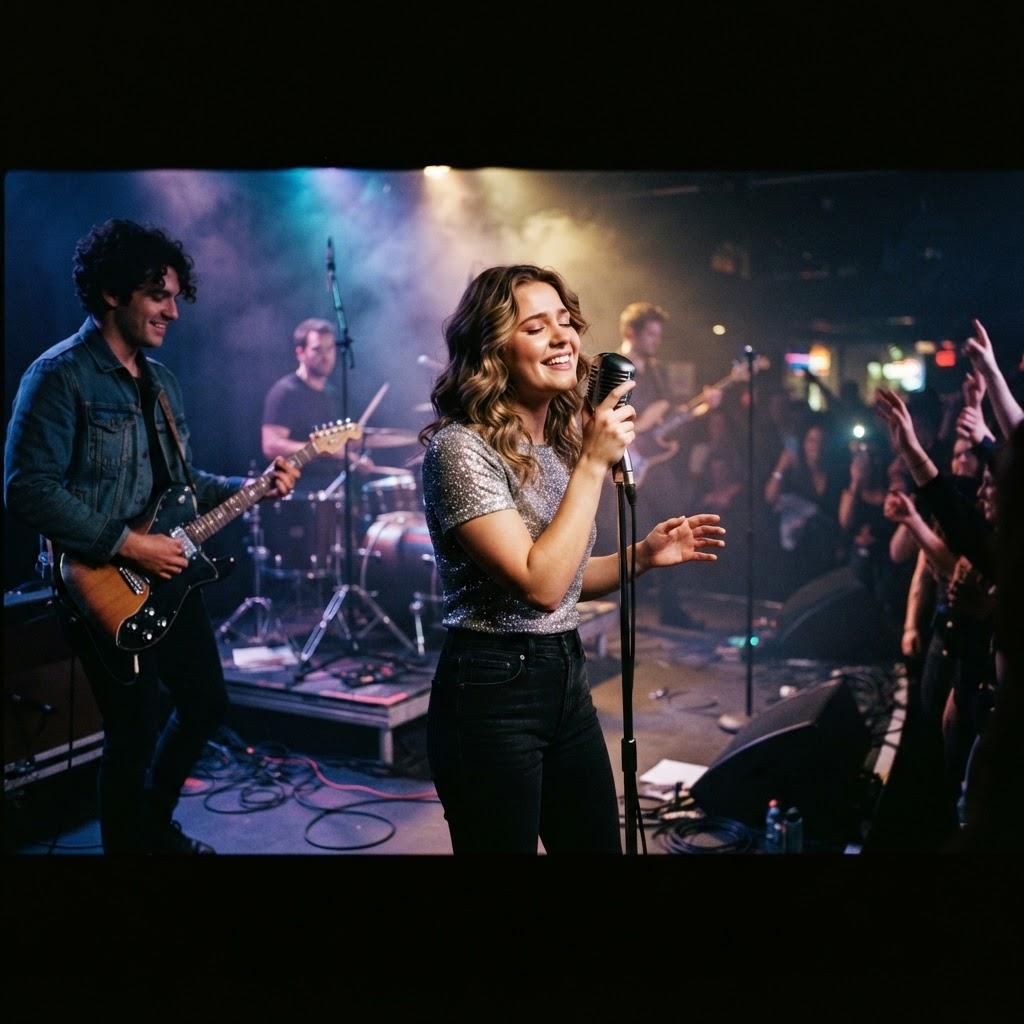
Today, Chicano Rock is not just surviving; it is having a full-blown, neon-lit renaissance. You can find its DNA in everything from high-energy indie rock bands that tour globally to the experimental, genre-bending artists who are taking traditional instruments and running them through modern pedal boards. We are seeing a new generation of musicians who are taking the lessons of the pioneers and applying them to the digital age. You will see tracks going viral on platforms like TikTok, where the infectious, danceable rhythms of the fifties and sixties are getting a second life with a whole new generation who don't care about the history books but definitely care about a good beat. There is an entire scene of 'garage revival' bands who are obsessed with that original, fuzzy, analog sound, finding old equipment and coaxing that authentic grit out of it. It is no longer just a regional sound; it is a global aesthetic. The pride in identity that fueled the original movement is now being expressed through a more diverse and inclusive lens, ensuring that the spirit of the genre continues to evolve. It is a thriving, mutating beast that is as hungry for relevance as it was sixty years ago, and it is showing no signs of slowing down.
How to Dive In
If you are ready to take the plunge, you need to start with the essentials to get your ears calibrated to the sound. Begin your journey with the 'East Side Sound' compilations, which are basically the holy grail of early, fuzzy garage-rock goodness. You absolutely must listen to the complete discography of Thee Midniters to understand what true professionalism mixed with street-level grit sounds like. For a hit of pure adrenaline, find any of the early Ritchie Valens tracks, especially 'La Bamba' and 'Come On, Let's Go.' For something a bit smoother and more sophisticated, give El Chicano’s 'Viva Tirado' a spin—it’s like liquid gold for your ears. Once you have a handle on the roots, dig into the modern scene; look for bands like The Chicano Batman, who take that old-school, soulful, psychedelic vibe and push it into the twenty-first century with style and grace. Don’t worry about needing a degree in musicology—just hit play, crank the volume, and let the rhythm do the work. This music is meant to be felt in your chest, not just analyzed in your head. Whether you are throwing a party or just trying to survive a long commute, Chicano Rock is your new best friend. Get out there, explore the crates, and start building your own collection of high-energy, soulful, and undeniably cool rock and roll gold!